Chalifah Fatihah
Jakarta, Indonesia – In a culinary triumph that has sent ripples of pride across the archipelago, Indonesian fried shallots, known locally as "bawang goreng," have been declared the number one condiment in the world by the prestigious food authority, Taste Atlas. This esteemed recognition, announced on July 3, 2026, elevates a humble yet ubiquitous staple of Indonesian cuisine to global gastronomic prominence, outranking a meticulously curated list of 100 esteemed condiments from around the globe. The accolade underscores the profound impact of simple, well-executed ingredients on the global palate and highlights the often-underappreciated nuances of traditional culinary practices.
The announcement, made by Taste Atlas, a renowned online encyclopedia of traditional dishes, ingredients, and authentic restaurants, has ignited widespread discussion and celebration among food enthusiasts, chefs, and everyday consumers alike. Fried shallots, a common accompaniment to a vast array of Indonesian dishes, from savory soups and stews to rice-based meals, are lauded for their intensely aromatic flavor, satisfying crunch, and remarkable versatility. Their ability to enhance the taste of even the simplest meals, transforming them into more complex and satisfying experiences, has clearly resonated with Taste Atlas’s discerning panel of experts and contributors.
The methodology behind Taste Atlas’s rankings involves extensive research, reader polls, and expert evaluations, aiming to identify the most authentic and highly regarded food items worldwide. For fried shallots to ascend to the pinnacle of this global list is a testament to their enduring appeal and their significant contribution to the culinary landscape. The ingredient’s journey from a kitchen staple to a world-renowned condiment is a story of simplicity, tradition, and the power of flavor.
The Rise of Bawang Goreng: A Culinary Cornerstone
Bawang goreng, the Indonesian term for fried shallots, is a deceptively simple yet profoundly impactful condiment. Its preparation involves thinly slicing red shallots and frying them in oil until they achieve a deep golden-brown hue and a satisfying crispness. The key to its superior quality lies in the precise frying technique, ensuring that the shallots are cooked through without burning, thus preserving their sweet, savory, and slightly pungent notes. When stored correctly in airtight containers, they retain their delightful crunch, making them a go-to topping for countless dishes.
The culinary significance of bawang goreng in Indonesia cannot be overstated. It is an indispensable element in dishes such as soto (traditional soup), bakso (meatball soup), nasi goreng (fried rice), and various stir-fried dishes. Even a simple bowl of steamed white rice is elevated with a generous sprinkle of fried shallots, providing a textural contrast and an explosion of savory flavor that awakens the palate. This widespread integration into daily meals speaks volumes about its universally beloved status within Indonesian households and dining establishments.
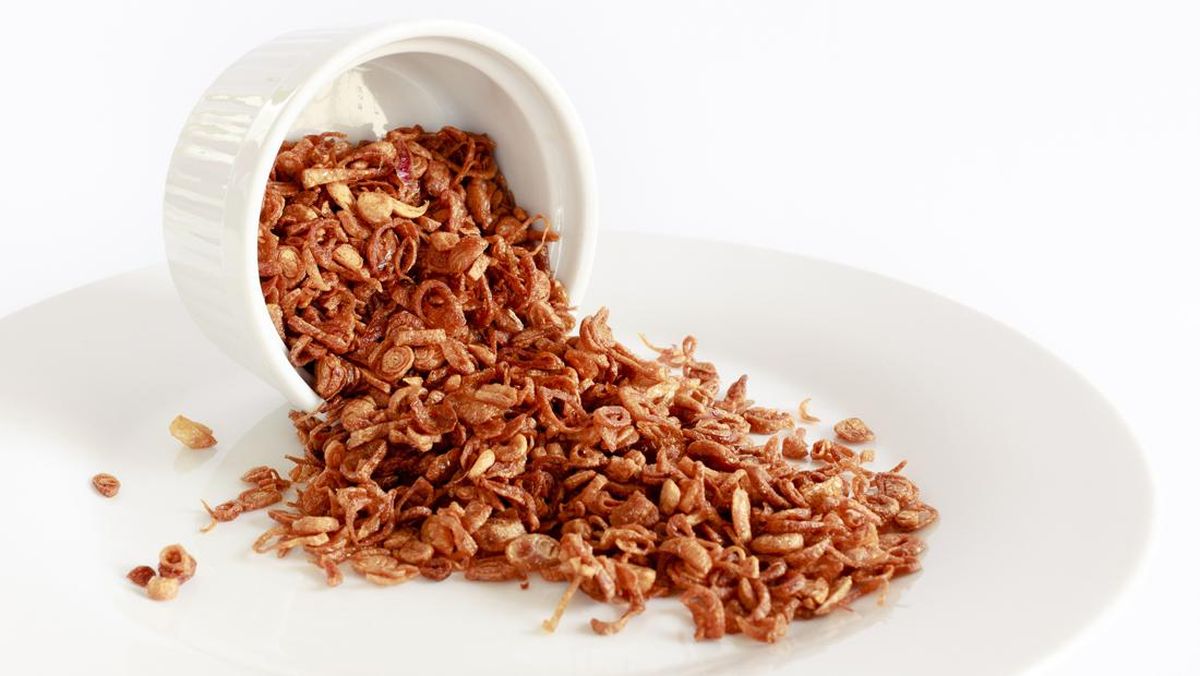
The ranking by Taste Atlas not only celebrates the fried shallot itself but also indirectly shines a spotlight on the rich culinary heritage of Indonesia. This archipelago nation boasts an incredibly diverse range of flavors and cooking techniques, influenced by centuries of trade, cultural exchange, and regional variations. The recognition of bawang goreng suggests that even the most fundamental components of a cuisine can possess a global appeal that transcends borders and cultural boundaries.
A Global Pantheon of Condiments
Taste Atlas’s comprehensive list of the top 100 condiments offers a fascinating glimpse into the diverse world of flavor enhancers. Following Indonesian fried shallots at the top, the rankings showcase a range of esteemed international favorites. Among these are:
- Aceto Balsamico di Modena (Italy): This traditional balsamic vinegar, originating from the Modena and Reggio Emilia regions of Italy, is crafted from cooked grape must that is aged in wooden barrels for years. Its complex aroma and rich, syrupy texture make it a prized accompaniment to cheeses, salads, and various cooked dishes. The meticulous aging process, often spanning decades for traditional varieties, contributes to its exceptional depth of flavor and its esteemed position in the culinary world.
- Aceto Balsamico Tradizionale di Modena (Italy): A more strictly regulated and often even more aged version of balsamic vinegar, this condiment is a testament to Italian culinary artistry. Made from specific local grape varietals and aged for a minimum of 12 years, it develops an intense sweetness and a lingering, woody aroma.
- Sheng Chou (China): Commonly known as soy sauce, this fermented liquid condiment made from soybeans, wheat, salt, and water has been a cornerstone of East Asian cuisine for centuries. Its umami-rich flavor profile is integral to countless dishes, marinades, and dipping sauces. The evolution of soy sauce from a byproduct of soybean paste highlights its adaptability and its integral role in regional culinary development.
- Düsseldorf Mostert (Germany): Also known as ABB mustard, this German condiment hails from Düsseldorf and has a history dating back to the early 18th century. Its distinct flavor comes from a blend of brown and yellow mustard seeds, combined with unfiltered Düsseldorf alcohol vinegar. It is a testament to the regional specificity of mustard production and its unique contributions to local cuisines.
- Doubanjiang (China): This spicy and savory paste from Sichuan, China, is made from fermented broad beans, salt, chili peppers, and sometimes wheat flour. Its complex flavor profile, a result of extensive fermentation, often ranging from one to eight years, makes it a foundational element in many Sichuanese dishes, adding heat and depth.
- Maldon Sea Salt (United Kingdom): This distinctive flaky sea salt, harvested traditionally in Maldon, England, since 1882, is characterized by its unique pyramid-shaped crystals. Its clean, pure taste and delicate crunch make it a favored finishing salt, adding a touch of texture and minerality without overpowering other flavors. Its low magnesium content contributes to its clean, non-bitter taste.
- Lyutenitsa (Bulgaria/North Macedonia): A beloved relish across Bulgaria and North Macedonia, lyutenitsa is a vibrant blend of roasted red peppers, tomatoes, salt, sugar, pepper, and oil. Variations may include eggplant, carrots, garlic, and parsley. It is commonly enjoyed as a spread on bread, crackers, or toast, and as a delicious accompaniment to grilled meats.
- Jiang You (China): Another name for soy sauce, emphasizing its historical roots and evolution from earlier fermented pastes. This reiterates the global significance of soy sauce as a fundamental condiment.
- Ajvar (Balkan Region/Eastern Europe): A highly popular relish throughout the Balkans and Eastern Europe, ajvar is primarily made from roasted red peppers and eggplant. Macedonian ajvar is particularly sought after. It serves as a versatile side dish, especially cherished alongside grilled meats.
The presence of multiple balsamic vinegars from Italy and various iterations of soy sauce from China on the list highlights the enduring global impact of these foundational condiments. However, the crowning of Indonesian fried shallots signifies a broader appreciation for ingredients that, while perhaps less complex in their production, offer an unparalleled depth of flavor and a universally satisfying sensory experience.
Broader Implications and Culinary Diplomacy
The recognition of Indonesian fried shallots by Taste Atlas carries significant implications beyond mere culinary accolades. It serves as a powerful form of culinary diplomacy, showcasing Indonesia’s rich and diverse gastronomic heritage to a global audience. In an era where food tourism is increasingly influential, such recognitions can significantly boost interest in Indonesian cuisine, potentially leading to increased tourism and economic opportunities for local food businesses and producers.
The success of bawang goreng also encourages a deeper exploration of other Indonesian condiments and dishes that might be less known internationally. From sambal variations to various types of peanut sauces and fermented pastes, Indonesia’s condiment landscape is vast and varied. This award could serve as a catalyst for greater international curiosity and appreciation for these culinary treasures.
Furthermore, the ranking of a relatively simple, home-style ingredient like fried shallots emphasizes the universal appeal of authentic, well-prepared food. It suggests that culinary excellence is not solely confined to elaborate dishes or exotic ingredients but can be found in the humble, everyday components that form the backbone of many cuisines. This democratizes the concept of fine food and encourages a greater appreciation for the artistry involved in even the most basic culinary preparations.
A Timeline of Culinary Recognition
While this specific announcement from Taste Atlas is recent, the journey of Indonesian cuisine towards global recognition has been a gradual but consistent process.
- Late 20th Century Onwards: Increased global travel and the migration of Indonesian communities abroad began to introduce Indonesian dishes, such as Nasi Goreng and Satay, to international palates.
- Early 2000s: The rise of food blogs and online recipe sharing platforms facilitated the dissemination of information about various cuisines, including Indonesian.
- Mid-2010s: Major international culinary publications and food critics began to feature Indonesian cuisine more prominently, highlighting its diversity and unique flavor profiles.
- Late 2010s – Early 2020s: Several Indonesian dishes, including Rendang and Nasi Goreng, have consistently appeared on various "best food" lists compiled by international media outlets.
- 2022: Taste Atlas began to gain significant traction for its comprehensive rankings of global foods, leading to increased interest in its assessments.
- July 3, 2026: Taste Atlas officially crowns Indonesian fried shallots as the number one condiment in the world, marking a significant milestone in the global recognition of Indonesian culinary contributions.
Reactions and Future Outlook
While specific official statements from Indonesian government bodies or culinary associations regarding this particular ranking are still emerging, the sentiment across social media and food forums is overwhelmingly positive. Chefs and food bloggers have expressed pride and a renewed sense of validation for the integral role of fried shallots in their cooking.
"This is more than just an award for fried shallots; it’s an acknowledgment of the soul of Indonesian cooking," commented a prominent Indonesian chef, who wished to remain anonymous. "It’s the humble ingredient that brings joy and completeness to so many of our meals. It proves that authenticity and flavor can truly conquer the world."
The implications of this ranking are likely to extend beyond mere bragging rights. It could spur further research into the optimal methods for producing high-quality fried shallots, potentially leading to standardization and even export opportunities for artisanal producers. Moreover, it may encourage a deeper dive into the agricultural aspects of shallot cultivation in Indonesia, emphasizing the importance of quality ingredients in achieving culinary excellence.
As the world increasingly turns its attention to the diverse and vibrant flavors of Indonesia, the humble fried shallot stands as a proud ambassador, a testament to the power of simplicity, tradition, and the universal language of deliciousness. This recognition by Taste Atlas is not just an honor but a powerful invitation for the global culinary community to explore the rich tapestry of flavors that Indonesia has to offer. The future looks bright for Indonesian cuisine, with its foundational elements like fried shallots leading the charge onto the global stage.