Chalifah Fatihah
Nagano, Japan – July 3, 2026 – The renowned Jigokudani Yaen-Koen, a sanctuary celebrated globally for its unique population of Japanese macaques bathing in natural hot springs, is implementing daily visitor caps and transitioning to an online reservation system. This decisive measure comes in response to a significant surge in tourist numbers and persistent issues of inappropriate tourist behavior, which have begun to disrupt the delicate ecosystem and the natural activities of the wild snow monkeys.
The decision, set to take effect in August 2026, will limit daily admissions to 2,000 visitors, a substantial reduction from the peak days where crowds have reportedly reached between 3,000 and 4,000 individuals. This move aims to mitigate the pressures exerted by mass tourism on the park’s environment and its inhabitants.
The Allure of the Snow Monkeys
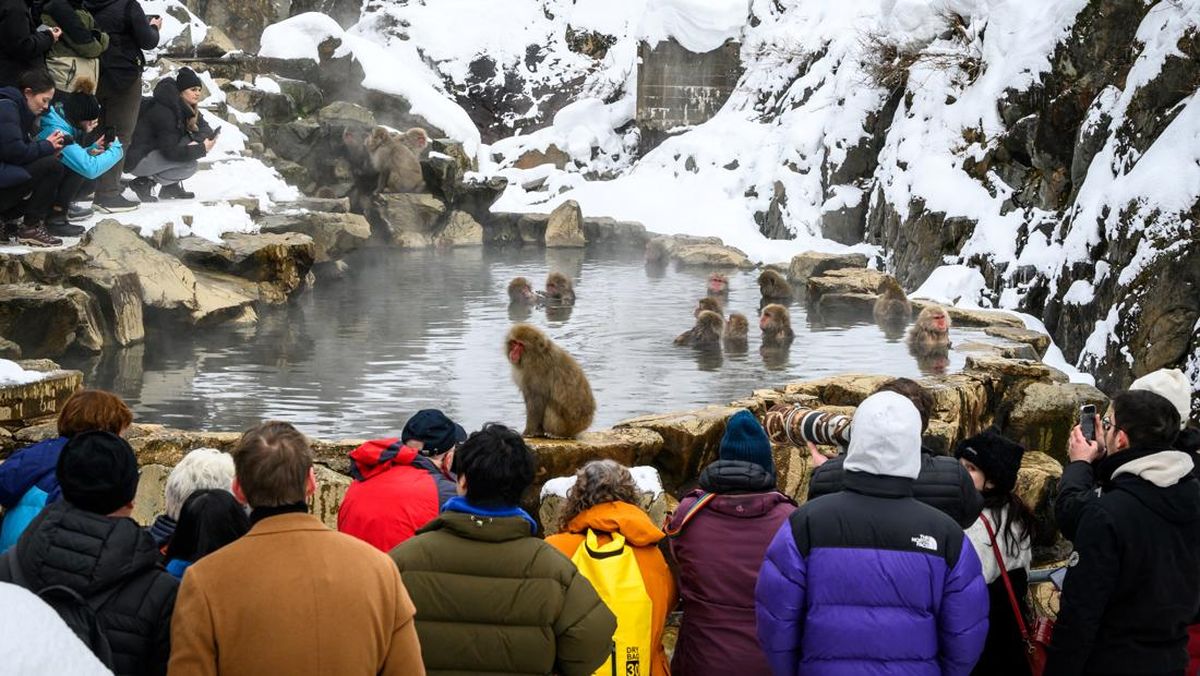
Nestled in a valley 850 meters (approximately 2,800 feet) above sea level in Japan’s central Nagano prefecture, Jigokudani Yaen-Koen offers a spectacle found nowhere else on Earth. The park is home to a wild troop of Japanese macaques, known for their remarkable adaptation to the region’s cold climate. During the harsh winter months, when temperatures plummet and snow blankets the landscape, these intelligent primates are frequently observed luxuriating in the steaming volcanic hot springs. This behavior, a unique evolutionary adaptation allowing them to conserve body heat, has transformed the park into what is often described as a "monkey paradise."
The visual of monkeys gracefully soaking in the warm waters, often with snowflakes dusting their fur, has become an iconic image of Japanese wildlife tourism. This distinct attraction has drawn an ever-increasing stream of visitors, particularly international tourists eager to witness this extraordinary natural phenomenon.
Escalating Challenges: Overcrowding and Disruptive Behavior
The escalating popularity of Jigokudani Yaen-Koen, while a testament to its unique appeal, has unfortunately brought with it a cascade of challenges. Park management has noted a significant increase in the volume of visitors over recent years, with unchecked growth leading to unprecedented levels of congestion.
"We have been witnessing extremely long queues of visitors waiting outside the ticket counters," stated a park official who wished to remain anonymous. "To alleviate this, we will be requiring visitors to purchase tickets in advance."
Beyond the sheer volume of people, the park has also grappled with a growing concern over the conduct of some tourists. Reports indicate that visitors have engaged in behaviors that are not only disrespectful to the natural environment but also pose potential risks to the welfare of the macaques. These transgressions include attempting to feed the monkeys, an act that can disrupt their natural diet and social structures, and trying to touch them, which can lead to stress and the potential transmission of diseases.
Perhaps the most alarming instances reported involve tourists attempting to join the monkeys in their hot spring baths. This behavior not only encroaches upon the monkeys’ private space and disrupts their bathing ritual but also presents hygiene concerns and could provoke aggressive responses from the animals.
Broader Implications: A National Trend in Overtourism
The challenges faced by Jigokudani Yaen-Koen are not isolated incidents but appear to be part of a wider trend of overtourism impacting popular destinations across Japan. Several other high-profile tourist sites have reported similar complaints regarding excessive crowds and problematic visitor behavior.
In the historic city of Kyoto, renowned for its geisha culture, instances of tourists exhibiting impolite conduct have been reported. These include disrupting the privacy of geishas and maiko (apprentice geishas) by aggressively seeking photographs, undermining the dignity and traditional practices associated with this art form.
Further evidence of the strain of mass tourism can be seen in the cancellation of events. In February 2026, the popular cherry blossom festival in Fujiyoshida, which offered breathtaking views of Mount Fuji, was called off. This decision was prompted by escalating complaints from local residents who felt their peaceful way of life was being threatened by the influx of tourists. The city reportedly struggled with severe traffic congestion, widespread littering including discarded cigarette butts, trespassing on private property, and even instances of public defecation in residents’ gardens.
The Driving Force: A Record-Breaking Tourism Boom
The surge in visitor numbers to Japan is largely attributed to a record-breaking tourism year in 2025, which saw approximately 42.7 million foreign visitors. This figure represents an all-time high for the country. A significant factor contributing to this boom is the sustained weakness of the Japanese yen, which has made travel to Japan more affordable and attractive for international travelers. The government’s efforts to boost tourism and a growing global interest in Japanese culture and landscapes have further fueled this trend.
Analysis: Balancing Economic Benefits with Conservation and Cultural Preservation
The decision by Jigokudani Yaen-Koen to implement visitor limits underscores a critical dilemma facing many popular tourist destinations worldwide: how to balance the economic benefits of tourism with the imperative to protect natural environments, cultural heritage, and the quality of life for local communities.
The introduction of an online reservation system and daily caps at Jigokudani is a proactive step towards sustainable tourism management. By controlling visitor flow, the park authorities aim to:
- Reduce Environmental Impact: Fewer visitors mean less pressure on the natural habitat, reduced waste generation, and minimized disturbance to the wildlife.
- Enhance Visitor Experience: A more controlled environment can lead to a more enjoyable and less stressful experience for tourists, allowing them to better appreciate the natural beauty of the park.
- Protect Wildlife Welfare: Limiting human proximity and interaction is crucial for the well-being of the snow monkeys, ensuring their natural behaviors are not compromised.
- Preserve Local Tranquility: For areas adjacent to popular attractions, such as the complaints from Fujiyoshida residents highlight, managing visitor numbers is essential to maintain the quality of life for local populations.
Official Responses and Future Outlook
While the specific statements from Jigokudani Yaen-Koen management focus on the immediate operational changes, the broader context suggests a growing awareness among Japanese tourism stakeholders about the need for more robust management strategies. The implementation of booking systems and capacity limits, while potentially limiting immediate revenue, is a long-term investment in the sustainability of these attractions.
The success of these measures will depend on effective communication with potential visitors, clear enforcement of the new regulations, and continued monitoring of the impact on both the environment and the visitor experience. The broader implications extend to other popular destinations in Japan, which may need to consider similar strategies to avoid the pitfalls of uncontrolled mass tourism. The nation’s reputation as a pristine and culturally rich destination hinges on its ability to manage its growing popularity responsibly. The steps taken by Jigokudani Yaen-Koen are a significant indicator of this evolving approach to tourism in Japan.