Chalifah Fatihah
Jakarta, Indonesia – In a decisive move to combat a worrying surge in street-level criminal activity, the Provincial Government of DKI Jakarta, in collaboration with the Polda Metro Jaya (Jakarta Metropolitan Police), has launched an aggressive, multi-pronged strategy. This initiative aims to significantly curb incidents such as bag snatching and robbery, which have recently escalated and garnered widespread public attention, particularly after several cases involving foreign tourists went viral on social media.
The intensified security measures come as the capital grapples with a stark dichotomy: its recent recognition as the second safest city in Southeast Asia by the Global Residence Index 2026, juxtaposed with a growing public perception of escalating crime, leading some to dub it "Gotham City," a fictional metropolis notorious for its rampant criminality.
A Digital Shield: 24,000 Cameras Deployed Across the Capital
A cornerstone of this new security offensive is the comprehensive integration of approximately 24,000 surveillance cameras (CCTV) across all districts of Jakarta. These cameras are now directly linked to the monitoring system of the Polda Metro Jaya. This extensive network is designed to provide real-time oversight, enabling quicker response times and enhanced evidence collection for law enforcement. The Provincial Government has unequivocally stated that the restoration and enhancement of public safety are its paramount priorities, driving this significant investment in technological surveillance.
This ambitious deployment signifies a shift towards a more proactive and data-driven approach to policing. By creating a pervasive digital eye across the city, authorities hope to deter potential criminals and swiftly identify and apprehend perpetrators. The integration with the Polda Metro Jaya’s system ensures that the vast amount of data generated by these cameras is efficiently processed and utilized, transforming surveillance from a passive monitoring tool into an active component of crime prevention and investigation.
The "Gotham City" Paradox: Reputation vs. Reality
The aggressive security push highlights a critical disconnect between Jakarta’s official safety rankings and its perceived reality on the ground. While the Global Residence Index 2026 places Jakarta second only to Singapore in Southeast Asian safety, this positive global standing is being overshadowed by a flood of amateur videos and dashcam footage circulating online. These disturbing visuals frequently depict brazen criminal acts, including armed robberies in broad daylight, fueling public anxiety and the "Gotham City" moniker.
This stark contrast raises questions about the effectiveness of current safety measures and the public’s trust in them. The perception of insecurity, amplified by social media, can have a tangible impact on tourism and the city’s overall image, irrespective of official statistics. The challenge for the Jakarta government is to bridge this gap between statistical safety and lived experience, ensuring that residents and visitors alike feel genuinely secure.
A Timeline of Recent Incidents Fueling Concern
The recent surge in high-profile criminal incidents has provided a grim backdrop to the enhanced security efforts. These events, often captured and shared widely, have served as catalysts for public outcry and government action.
- May 8, 2026: A tourist from Poland became a victim of a bag-snatching incident while walking in the Kebon Sirih area. The perpetrators, operating on a motorcycle, targeted the tourist, highlighting the vulnerability of pedestrians in busy urban areas.
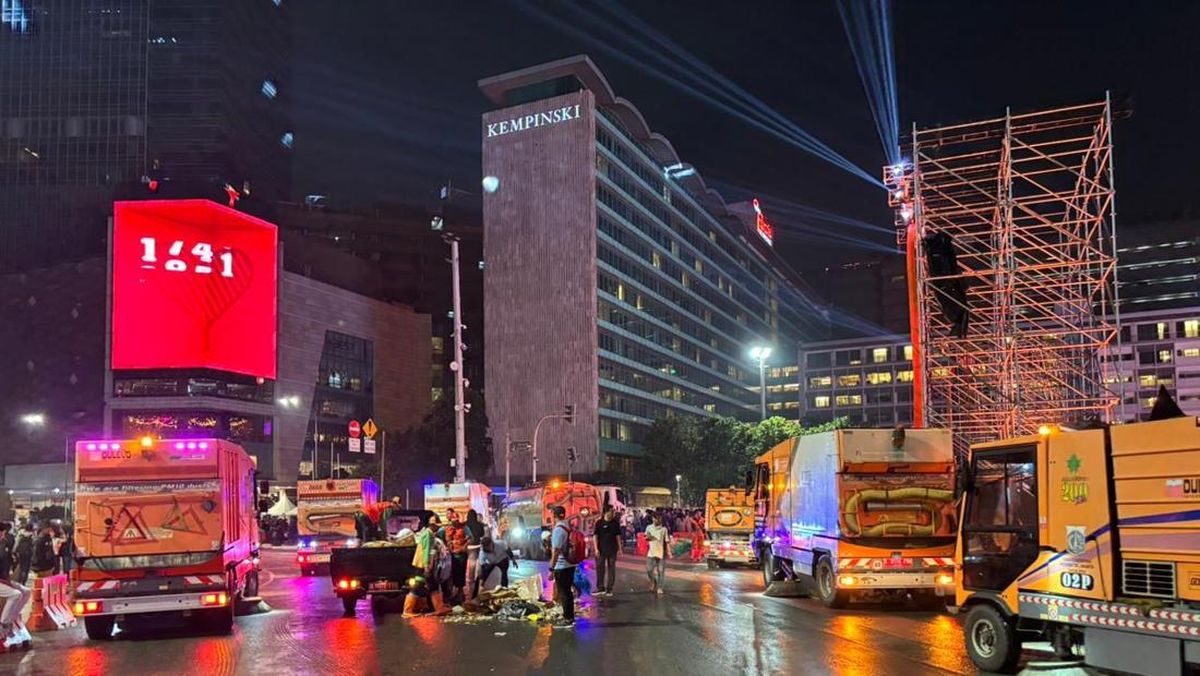
- May 14, 2026: A similar incident occurred near the iconic Hotel Indonesia (HI) roundabout in Menteng. An Italian tourist, waiting for an online ride-hailing service, had their mobile phone snatched by motorcyclists. Dashcam footage from another vehicle captured the harrowing moment the victim attempted to pursue the robbers, only to fall onto the asphalt. This incident underscored the daring nature of the criminals and the risks individuals are sometimes forced to take.
These specific cases, amplified by their public dissemination, have not only caused distress to the victims but have also eroded the confidence of many in the city’s safety. The fact that foreign tourists were targeted adds another layer of concern, potentially impacting Jakarta’s appeal as an international destination.
Polda Metro Jaya’s Response: Statistics and Arrests
Despite the negative public sentiment, the Polda Metro Jaya has reported significant efforts in combating street crime. In the first five months of 2026, the police claim to have successfully resolved 171 cases of street crime, leading to the arrest of 103 suspects. These statistics, while indicating police activity, are being closely scrutinized against the backdrop of ongoing incidents and public perception.
The authorities emphasize that these arrests are a testament to their commitment to tackling the issue. However, the continuous stream of new incidents suggests that the underlying factors contributing to street crime, such as socio-economic conditions, enforcement gaps, and the efficiency of the justice system, require ongoing and comprehensive attention.
The Economic Stakes: Tourism and Investment
The stability and security of a major metropolis like Jakarta are intrinsically linked to its economic health. The tourism sector, a vital contributor to Indonesia’s economy, is particularly sensitive to perceptions of safety. In the first quarter of 2026, Indonesia experienced an impressive influx of 3.44 million foreign tourists, marking an 8.62% increase compared to the same period in the previous year. This positive trend underscores the importance of maintaining a safe and welcoming environment for international visitors.
A tarnished reputation for safety can deter potential tourists, leading to a decline in visitor numbers and a subsequent impact on revenue for hotels, restaurants, transportation, and other tourism-related businesses. Furthermore, foreign direct investment is often influenced by a city’s perceived stability and the rule of law. A reputation for high crime rates can deter investors, hindering economic growth and job creation. Therefore, the current security drive is not merely about public order; it is a strategic imperative for economic prosperity.
Broader Implications and Future Outlook
The deployment of advanced surveillance technology and the intensified policing efforts represent a significant investment by the DKI Jakarta government and Polda Metro Jaya. The success of this strategy will be measured not only by the reduction in crime statistics but also by the tangible improvement in public confidence and the restoration of Jakarta’s image as a safe and inviting city.
The challenge lies in ensuring that the technological infrastructure is effectively utilized, that law enforcement operations are both robust and fair, and that underlying social issues contributing to crime are also addressed. The question remains: can this technologically driven security shield effectively dismantle the "Gotham City" narrative and genuinely guarantee the safety and security of all who live in and visit Jakarta? The coming months will be crucial in determining the long-term impact of these aggressive measures on the capital’s safety and its standing on the global stage. The integration of data from the 24,000 cameras into a unified monitoring system is a significant step, but its true effectiveness will depend on the operational efficiency, strategic deployment of resources, and the ability of law enforcement to translate surveillance data into actionable intelligence and successful prosecutions. The government’s commitment to transparency in reporting crime statistics and the outcomes of their security initiatives will also play a vital role in rebuilding public trust.
Furthermore, the long-term sustainability of these measures requires a holistic approach that extends beyond immediate law enforcement. Addressing root causes of crime, such as poverty, unemployment, and lack of educational opportunities, will be critical in achieving lasting peace and security. The current emphasis on technological surveillance is a necessary component of a modern security strategy, but it must be complemented by social programs and community engagement initiatives. The battle for Jakarta’s safety is a complex undertaking, and the effectiveness of its current strategy will be a key indicator of the city’s ability to navigate the challenges of urban growth and security in the 21st century. The initial focus on deterring street crime, particularly against vulnerable populations like tourists, is a positive signal, but the government must also ensure that the increased surveillance does not infringe upon civil liberties or lead to discriminatory practices. A balanced approach that prioritizes both security and fundamental rights will be essential for building a truly safe and just society in Jakarta. The ongoing efforts to integrate various data streams, from CCTV footage to public reports, into a centralized intelligence hub are crucial for developing a comprehensive understanding of crime patterns and allocating resources effectively. This data-driven approach can help identify hotspots, predict potential criminal activity, and optimize patrol routes, thereby enhancing the overall efficiency of the police force. The success of this ambitious security plan hinges on sustained commitment, adaptive strategies, and a continuous evaluation of its impact on both crime rates and public perception. The narrative of Jakarta as a safe city needs to be reinforced not just through official pronouncements but through the lived experiences of its residents and visitors, a goal that this comprehensive security initiative aims to achieve.