Chalifah Fatihah
The persistent presence of damp walls and the unsightly emergence of mold patches within homes are often relegated to the realm of minor aesthetic annoyances. Many homeowners tend to postpone addressing these issues, especially if the mold is not accompanied by a strong odor or has not yet spread extensively. However, this complacency overlooks a significant and growing health concern: the pervasive threat of mold spores to respiratory health. Beyond their unsightly appearance, these microscopic organisms, thriving in damp and poorly ventilated environments, can become airborne and subsequently inhaled, triggering and exacerbating a range of respiratory ailments.
The World Health Organization (WHO) has long recognized the detrimental impact of indoor air quality on public health. In its comprehensive guidelines on indoor air quality, the WHO explicitly links humid and mold-infested living conditions to an increased prevalence of respiratory symptoms, asthma exacerbation, and even respiratory infections. This scientific consensus is further reinforced by a growing body of research, including recent studies focusing on residential mold and dampness in children, which have established a clear association with respiratory tract infections (RTIs). These findings underscore that mold in homes is not merely a trigger for allergic reactions but can also contribute to mild inflammation and infections within the respiratory system.
The insidious mechanism by which mold affects the lungs begins with its growth in moist environments. Fungi reproduce by releasing microscopic spores into the air. These spores are so small that they can be inhaled unnoticed, traversing the intricate pathways of the respiratory system. According to the Centers for Disease Control and Prevention (CDC), the average person inhales mold spores daily without experiencing adverse effects. The body’s natural defense mechanisms are typically capable of handling this low-level exposure. However, the impact of mold spore inhalation is not uniform and is heavily dependent on an individual’s physiological condition and susceptibility.
While healthy individuals might experience mild irritation or allergic responses, certain groups are significantly more vulnerable to the adverse health consequences of mold exposure. For these individuals, inhaled mold spores can escalate from a minor nuisance to a serious health threat, potentially leading to invasive infections. Fungal lung infections, while less common than bacterial infections, are a recognized concern, particularly for those with compromised immune systems or pre-existing lung conditions.
One such condition is aspergillosis, a serious lung infection caused by the Aspergillus genus of fungi. Research, including studies like "Aspergillus and the Lung," has elucidated that the specific type of disease that manifests is intrinsically tied to the individual’s lung health and the robustness of their immune system. Aspergillosis most frequently targets the lungs after a person inhales Aspergillus spores.
The risk of developing severe complications from mold exposure is not evenly distributed. Several demographic and health-related factors contribute to increased vulnerability:
Vulnerable Populations and Increased Risk Factors
- Individuals with Compromised Immune Systems: This category includes people undergoing chemotherapy, organ transplant recipients, individuals with HIV/AIDS, and those with autoimmune diseases. A weakened immune system struggles to fight off fungal invaders, making them susceptible to invasive fungal infections.
- People with Pre-existing Lung Conditions: Individuals suffering from chronic obstructive pulmonary disease (COPD), asthma, cystic fibrosis, or other chronic lung diseases have compromised respiratory systems. Mold spores can further inflame already sensitive airways, leading to severe exacerbations and increased susceptibility to infections.
- Infants and Young Children: Their developing immune systems and smaller respiratory tracts make them more susceptible to the irritant effects of mold spores. Studies have shown a correlation between early childhood exposure to dampness and mold and an increased incidence of asthma and respiratory infections later in life.
- Elderly Individuals: As the immune system naturally weakens with age, older adults may become more vulnerable to infections, including those caused by fungi. Their lung capacity may also be reduced, making them more sensitive to airborne irritants.
- Individuals with Mold Allergies: Those already sensitized to mold allergens are at a higher risk of experiencing severe allergic reactions, including asthma attacks, when exposed to mold in their environment.
For individuals within these at-risk groups, the presence of mold in their living spaces can significantly elevate the risk of infection or exacerbate existing health issues. Recognizing the potential symptoms of mold-related respiratory problems is crucial for timely intervention.
Recognizing the Signs: Symptoms of Mold-Related Respiratory Issues
When mold is present in the home, it is imperative to be aware of the potential symptoms that may arise, particularly in vulnerable individuals. These symptoms can range from mild to severe and may include:
- Persistent Cough: A dry, hacking cough that does not resolve with typical remedies could be an indicator of airway irritation due to mold spores.
- Wheezing and Shortness of Breath: Mold can trigger bronchospasm, leading to a whistling sound when breathing (wheezing) and a feeling of breathlessness.
- Nasal Congestion and Runny Nose: Similar to allergic rhinitis, mold exposure can cause significant nasal congestion and a persistent runny nose.
- Sore Throat and Irritation: The spores can irritate the mucous membranes of the throat, leading to discomfort and a persistent sore throat.
- Eye Irritation: Red, itchy, or watery eyes can also be a symptom of mold exposure, as the spores can affect the conjunctiva.
- Skin Rashes: In some individuals, particularly those with mold allergies, skin contact with mold or mold-contaminated materials can lead to rashes or hives.
- Fatigue and General Malaise: Persistent exposure to irritants and allergens can lead to a general feeling of tiredness and unwellness.
- Exacerbation of Existing Conditions: For individuals with asthma or other respiratory conditions, mold exposure can lead to more frequent and severe attacks, requiring increased medication.
If these symptoms appear and persist, it is strongly advised to seek medical attention from a healthcare professional. While mold in the walls is indeed linked to respiratory problems, it’s important to remember that the impact is not identical for everyone. A thorough medical evaluation can help determine the cause of the symptoms and the appropriate course of treatment.
The Lifecycle of Mold and its Airborne Threat
The life cycle of mold is intrinsically linked to moisture. Fungi, as ubiquitous microorganisms, are present in virtually all environments, both indoors and outdoors. Their primary requirement for proliferation is a damp substrate and suitable organic material to feed on. In residential settings, this often translates to areas with chronic moisture issues, such as leaky pipes, condensation on windows, poorly functioning ventilation systems, and water damage from floods or plumbing failures.
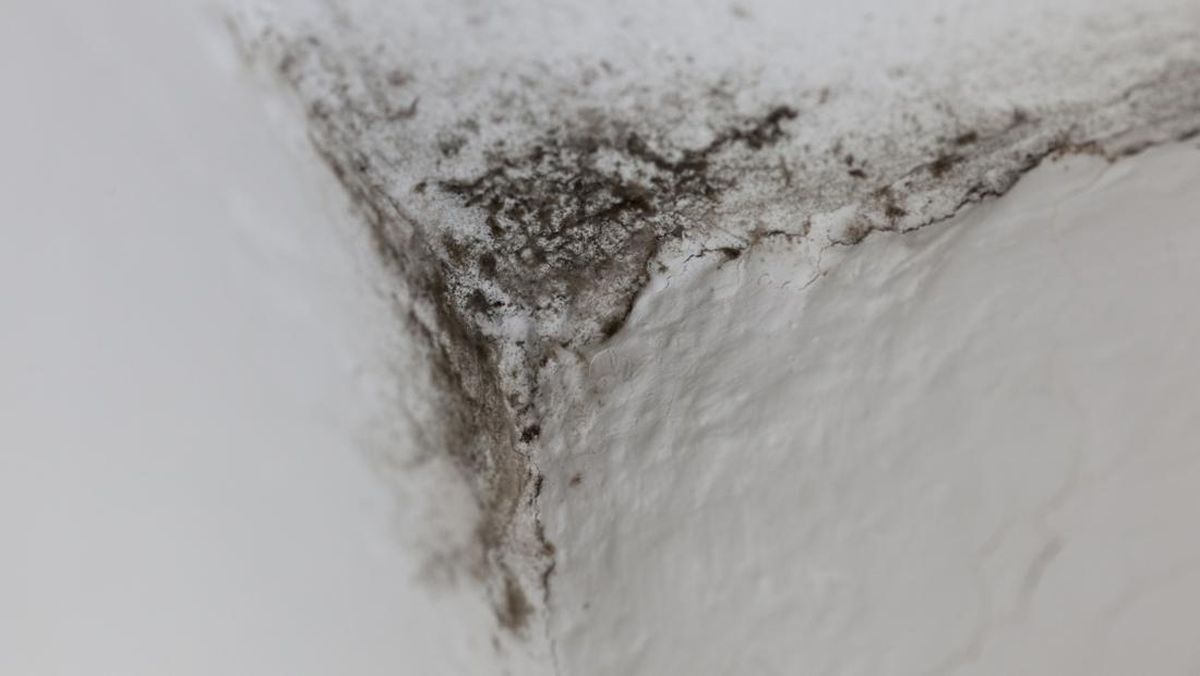
Once established, mold colonies begin to reproduce by releasing microscopic spores. These spores are incredibly lightweight and can remain airborne for extended periods. They can travel through ventilation systems, open windows, and even be carried on clothing and pets. When these spores land on damp surfaces within a home, they can germinate and begin a new growth cycle, perpetuating the problem.
The process of spore release is continuous, especially in actively growing mold colonies. This means that even if visible mold patches are small, the air in the surrounding environment can be heavily contaminated with spores. The lack of a strong odor does not necessarily indicate the absence of mold or its spores. Some types of mold are odorless, while others may produce a musty smell that can become more pronounced in humid conditions.
Scientific Evidence and Public Health Recommendations
The link between indoor mold and respiratory health has been a subject of scientific inquiry for decades. Numerous studies, including meta-analyses and large-scale epidemiological surveys, have consistently demonstrated a correlation between dampness and mold in homes and increased respiratory symptoms.
For instance, a significant meta-analysis published in the journal Environmental Health Perspectives reviewed dozens of studies and concluded that there is a clear association between indoor mold exposure and respiratory symptoms, particularly in children. The analysis found that individuals living in homes with mold were significantly more likely to report symptoms such as coughing, wheezing, and asthma.
The WHO’s guidelines, along with recommendations from national health organizations like the CDC, emphasize the importance of maintaining dry indoor environments. They advocate for prompt remediation of water damage and mold growth to protect public health. These recommendations are not merely advisory; they are based on a robust body of scientific evidence that highlights the tangible health risks associated with mold-infested living spaces.
Addressing the Root Cause: Prevention and Remediation Strategies
Given the significant health implications, addressing mold issues in homes is not an option but a necessity. The most effective approach involves a two-pronged strategy: prevention and remediation.
Prevention: Keeping Moisture at Bay
Preventing mold growth is paramount and involves controlling indoor humidity levels and addressing any sources of moisture. Key preventive measures include:
- Ensure Adequate Ventilation: Proper ventilation in bathrooms, kitchens, and laundry rooms is crucial. Use exhaust fans during and after showering, cooking, or washing clothes. Consider opening windows to allow for fresh air circulation when weather permits.
- Control Indoor Humidity: Aim for indoor humidity levels between 30% and 50%. Dehumidifiers can be used in damp areas, such as basements.
- Fix Leaks Promptly: Inspect roofs, pipes, and appliances regularly for leaks. Any water damage should be addressed and dried thoroughly within 24-48 hours to prevent mold growth.
- Maintain Appliances: Ensure that appliances like refrigerators, dishwashers, and washing machines are in good working order and do not leak.
- Proper Drainage: Ensure that outside ground slopes away from the foundation of the house to prevent water from seeping into the basement or crawl space.
- Insulate Cold Surfaces: Insulating cold water pipes and exterior walls can help reduce condensation, a common breeding ground for mold.
Remediation: Tackling Existing Mold Growth
When mold is present, it needs to be safely and effectively removed. The remediation process depends on the extent of the mold growth and the affected materials.
- Small Areas: For small areas of non-porous surfaces (e.g., tiles, countertops), mold can often be cleaned using a detergent and water solution. A dilute bleach solution (1 cup bleach per gallon of water) can also be effective, but caution must be exercised as bleach can damage certain materials and its fumes can be irritating. Always wear gloves, eye protection, and a mask when cleaning mold.
- Larger Areas or Porous Materials: For larger infestations or mold on porous materials (e.g., drywall, carpet, insulation), professional remediation services are highly recommended. These professionals have the expertise, equipment, and containment strategies to remove mold safely and prevent its spread. They can also identify and address the underlying moisture issues that led to the mold growth.
- Disposal of Contaminated Materials: Materials that are heavily contaminated with mold and cannot be effectively cleaned should be removed from the home and disposed of properly in sealed bags.
The Broader Health and Economic Implications
The impact of mold in homes extends beyond individual health concerns. Widespread mold infestations can significantly decrease property values and lead to costly repairs. Furthermore, the increased burden on healthcare systems due to mold-related respiratory illnesses represents a significant public health expenditure. Early detection, prevention, and prompt remediation are therefore not only beneficial for individual well-being but also contribute to broader public health and economic stability.
As awareness of the health risks associated with indoor mold continues to grow, it is imperative for homeowners, public health officials, and building professionals to collaborate. Educating the public about the importance of maintaining dry and well-ventilated homes, coupled with accessible and effective remediation strategies, can significantly mitigate the hidden dangers posed by damp walls and the pervasive threat of mold. The seemingly minor issue of a damp spot on the wall can, in reality, be the precursor to a much larger health challenge, one that demands proactive attention and informed action.