Nila Kartika Wati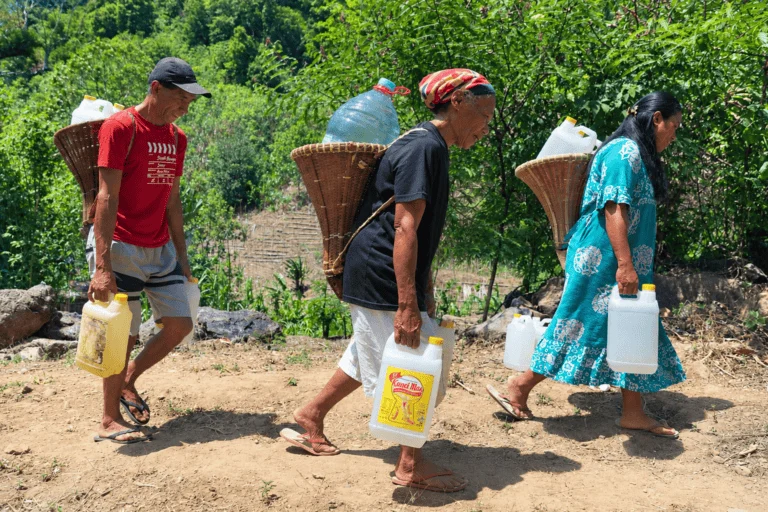
The archipelagic province of North Maluku is currently grappling with a severe and protracted drought that has pushed communities in the city of Tidore and surrounding regions to the brink of a humanitarian crisis. For over four consecutive months, the absence of significant rainfall has transformed the daily existence of thousands of residents into a grueling struggle for basic survival. As natural water reservoirs run dry and municipal distribution systems falter, the social and economic fabric of these high-altitude communities is beginning to fray.
The drought, which intensified significantly throughout September 2026, has left residents in remote areas such as Gurabunga, Kalaodi, and the island of Dowora in a state of desperation. The lack of water is not merely a domestic inconvenience; it has evolved into a systemic threat to public health, local agriculture, and the livelihoods of families who rely on the land for their sustenance.
The Human Cost of Water Scarcity
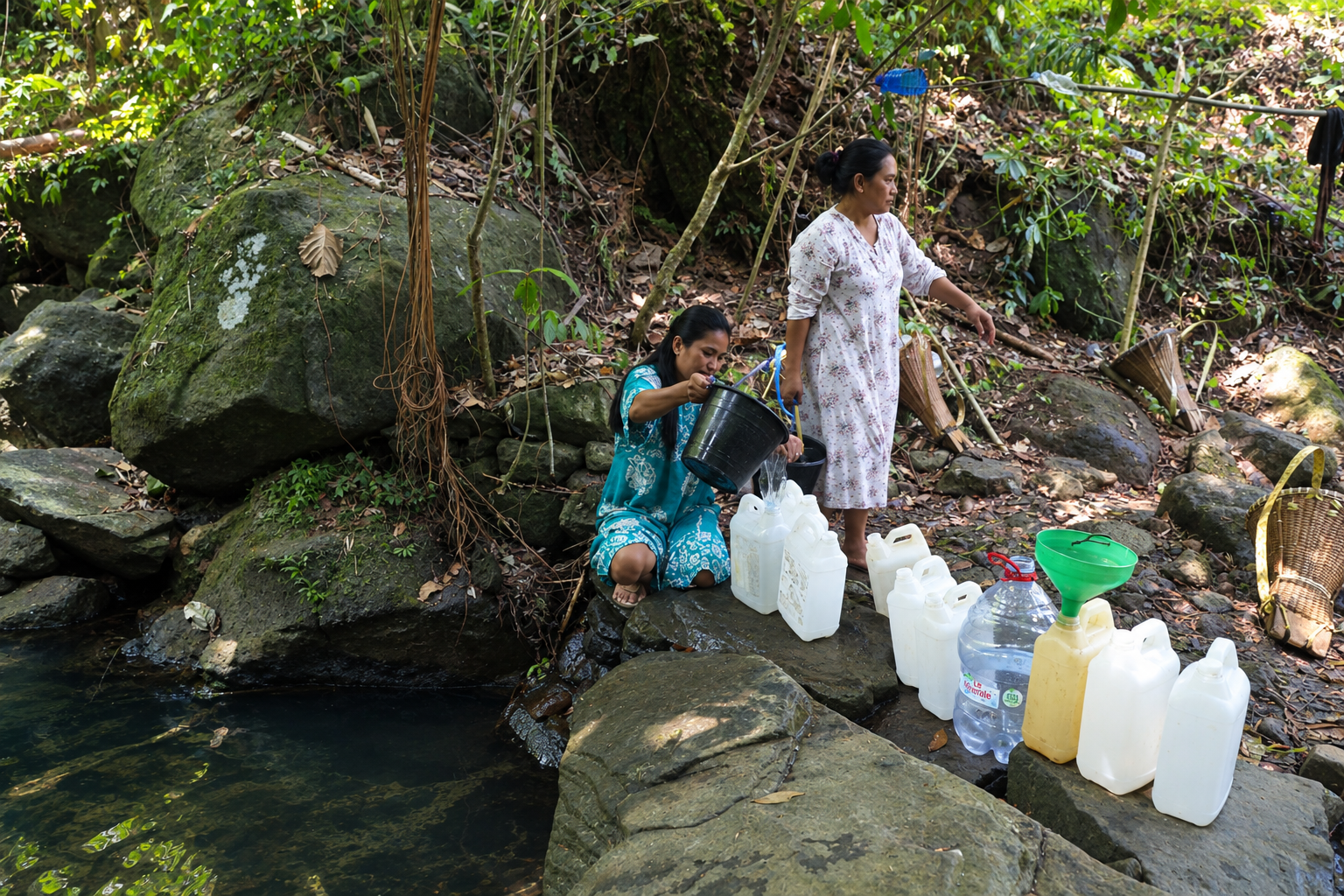
In the highland kelurahan (administrative villages) of Tidore, such as Gurabunga, which sits at an elevation of over 800 meters above sea level, the geography itself has become an obstacle to survival. Residents, particularly women who traditionally manage household water resources, are forced to embark on arduous journeys, traversing rugged hill terrain to reach Ake Goa, one of the few remaining natural springs in the region.
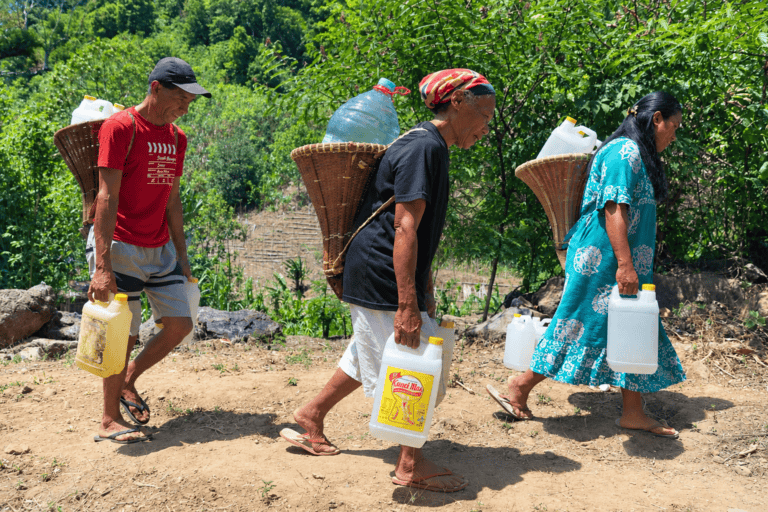
For residents like Hajar Ibrahim and Maryam Jafar, the daily routine involves hauling 20-liter jerrycans across a kilometer of challenging landscape. The exhaustion is compounded by the necessity of rationing. Water, once a freely available resource collected in household basins during the rainy season, has now become a strictly managed commodity. Domestic tasks such as laundry have been outsourced to relatives in better-supplied areas, while the water retrieved from the springs is reserved exclusively for the most critical needs: drinking and cooking.
The psychological and physical toll on these communities is mounting. As the crisis deepens, the workload for households has increased exponentially. The scarcity of water forces a reconfiguration of daily life, where time once spent on productive labor or education is now consumed by the search for water.
Agricultural Devastation and Economic Implications
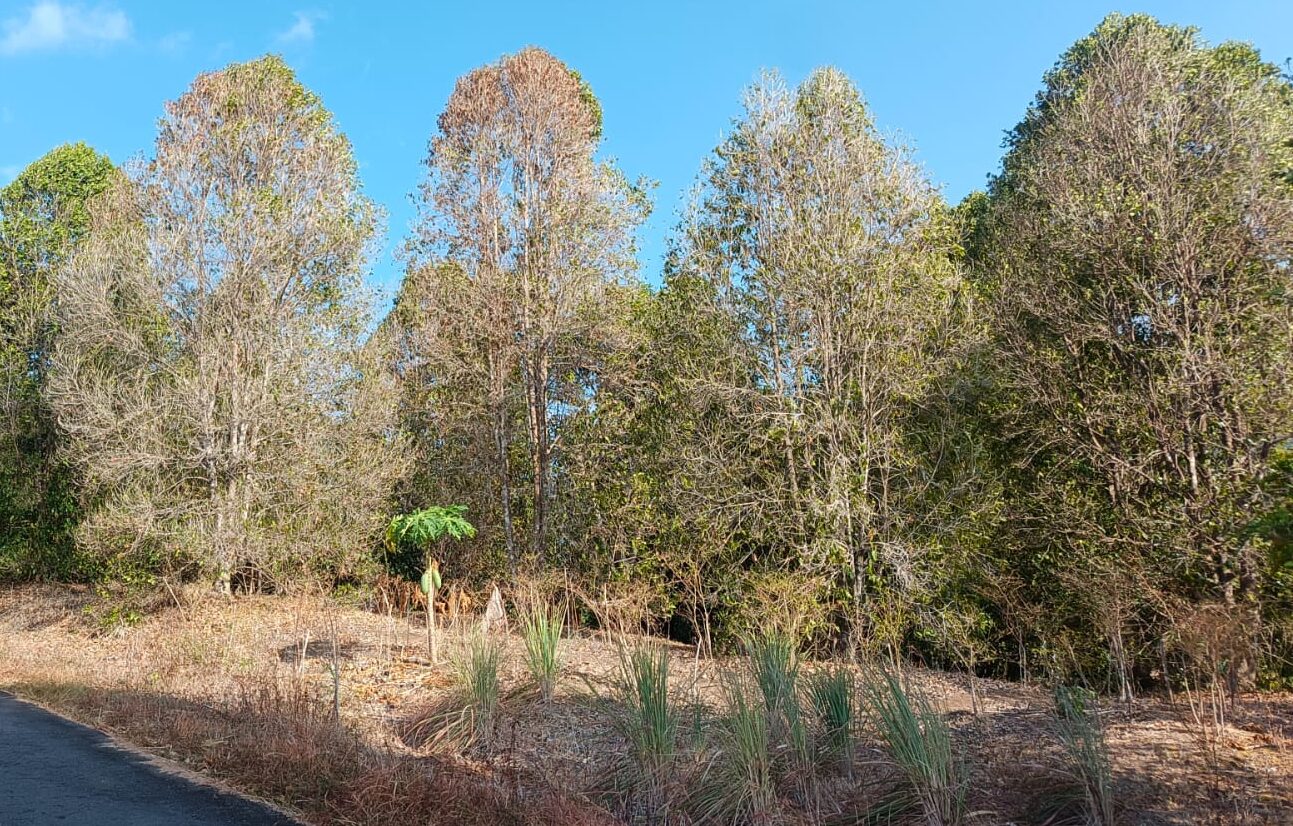
Beyond the immediate domestic crisis, the drought is inflicting severe damage on the agricultural sector, which serves as the backbone of the local economy in Tidore and Halmahera. The region’s iconic clove and nutmeg plantations are beginning to wither. These perennial crops, some of which have been nurtured for three to five decades, are struggling to survive the prolonged moisture deficit.
In the Kelurahan of Kalaodi, residents report that the current drought is the most severe in over 30 years. The death of mature clove and nutmeg trees represents a long-term economic blow; these trees take years to reach peak productivity, and their loss cannot be easily or quickly mitigated. Farmers are now faced with the grim prospect of watching their primary source of income die off, as irrigation is non-existent and the available water is insufficient even for human consumption, let alone for field irrigation.
Data from the field suggests that tens of hectares of plantations are currently at risk. In many areas, farmers have abandoned vegetable plots entirely, as the effort to maintain them yields no return in the absence of rain. The lack of reliable data on the exact scale of agricultural loss remains a concern, as regional authorities struggle to keep pace with the rapidly deteriorating conditions on the ground.
Chronology of the Crisis
The current environmental stress is linked to a broader, extended dry season that began in early 2026. While the Meteorology, Climatology, and Geophysics Agency (BMKG) traditionally identifies September as the peak of the dry season, the persistence of the drought well into the transition period has caught many off guard.
- May–June 2026: Initial signs of reduced rainfall patterns appear, but household storage basins in mountain villages remain partially filled.
- July 2026: The severity of the drought becomes apparent as small mountain streams and local springs begin to show significantly reduced discharge.
- August 2026: The situation reaches a critical threshold. Household basins, which usually sustain residents through dry spells, are reported empty in several districts, including Kalaodi and Gurabunga.
- September 2026: Peak drought conditions are confirmed by the BMKG. The regional government initiates emergency measures, including the deployment of water tankers.
- Late September 2026: Crisis response teams are mobilized, yet geographical challenges in high-altitude areas continue to limit the effectiveness of humanitarian aid.
Official Responses and the Challenge of Logistics
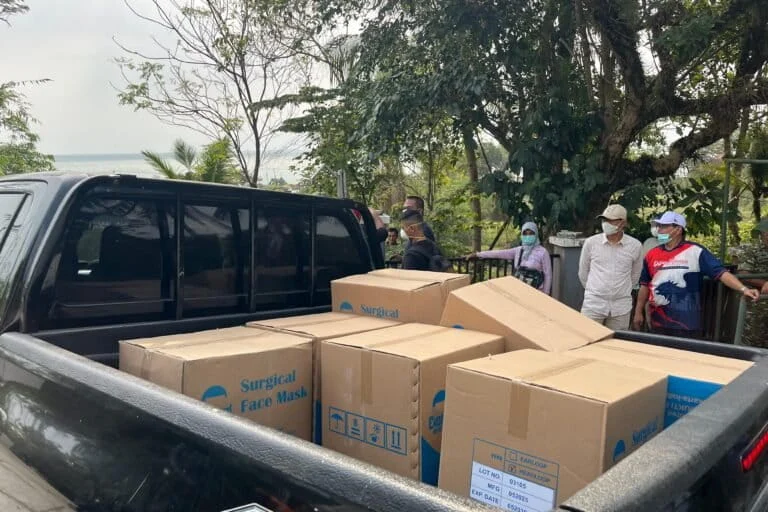
The government of Tidore Kepulauan has acknowledged the severity of the situation, with the Regional Disaster Management Agency (BPBD) forming an Emergency Task Force to manage the crisis. Muhammad Abubakar, the Head of the BPBD for Tidore Kepulauan, has confirmed that multiple regions—including Topo, Kalaodi, and Gurabunga—are receiving priority assistance.
However, the logistics of relief are fraught with difficulty. The high elevation and dispersed nature of settlements make it nearly impossible for conventional water tankers to reach every household. In many instances, the aid provided by the municipal water company (PDAM) and BPBD is limited to a few gallons per household, which is barely sufficient to cover basic hydration and cooking needs.
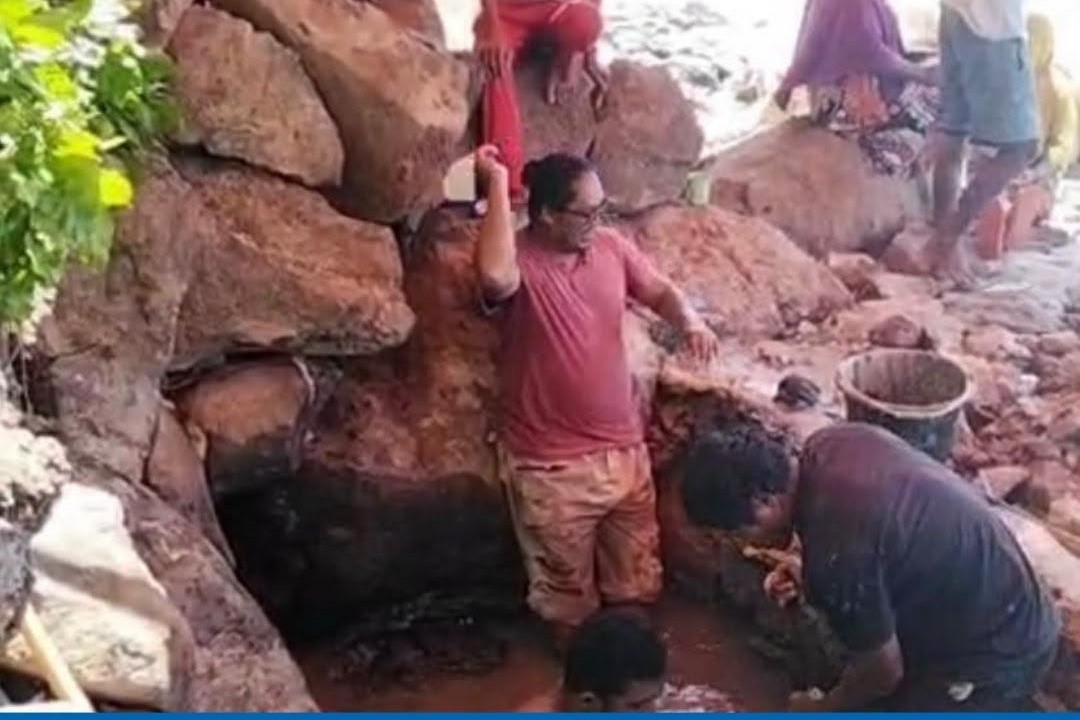
The government’s response is currently focused on short-term survival. In areas like Dowora, where the geography is dominated by coral rock, the situation is even more precarious. Local officials, including Village Head Eli Saleh, have noted that residents are resorting to digging into the coastal soil to find brackish water, a practice that poses significant health risks.
Vice Governor Sarbin Sehe has called for a rapid intervention, including the potential construction of deep-bore wells and the use of maritime assets to transport water from the main island of Halmahera to the smaller, more isolated islands. These initiatives, while essential, highlight the lack of robust water infrastructure that can withstand climate-induced variability.
Broader Implications: Climate Change and Infrastructure
The crisis in North Maluku serves as a sobering reminder of the vulnerability of island communities to climate-induced environmental changes. The reliance on rain-fed agriculture and traditional, small-scale water harvesting systems is increasingly untenable in an era of unpredictable weather patterns.
Experts point to several factors contributing to the current predicament:
- Deforestation and Watershed Degradation: The reduction in forest cover in the highlands of Tidore has likely diminished the capacity of the soil to retain water, leading to faster evaporation and reduced recharge of natural springs.
- Infrastructure Gap: The historical lack of investment in piping and water treatment infrastructure in high-altitude, remote areas has left these communities with no buffer against drought.
- Climate Variability: The increasing frequency of prolonged drought cycles suggests that traditional ecological knowledge and historical rainfall data are becoming less reliable predictors of future conditions.
The current situation is a call for a shift in disaster management policy. While emergency water distribution is necessary for the immediate survival of the population, it is not a sustainable solution. Experts suggest that long-term resilience will require the development of decentralized water storage solutions, the implementation of sustainable forest management practices in mountain watersheds, and the modernization of agricultural techniques to reduce water dependency.
A Community in Wait
As the days pass without rain, the mood in the affected communities remains one of cautious endurance. Residents continue to rely on community solidarity, with neighbors sharing limited resources and labor to ensure that the elderly and children are prioritized. However, the limit of this resilience is being tested.
The call for assistance from the BPBD remains open, and the emergency hotline is serving as a vital link for those in dire need. Yet, the overarching sentiment among the residents is a hope for the return of the rain. As September concludes and the transition to the next season remains uncertain, the people of Tidore and North Maluku are left to navigate a landscape that has become increasingly hostile, forced to confront the harsh reality of a changing climate that is stripping them of their most basic necessity: water.
The coming weeks will be critical. If the rain does not arrive soon, the humanitarian crisis could escalate further, requiring more intensive intervention from both provincial and central government agencies. For now, the people of the mountains and the islands remain in a cycle of struggle, waiting for the skies to open and provide the reprieve they so desperately need.