
 Nila Kartika Wati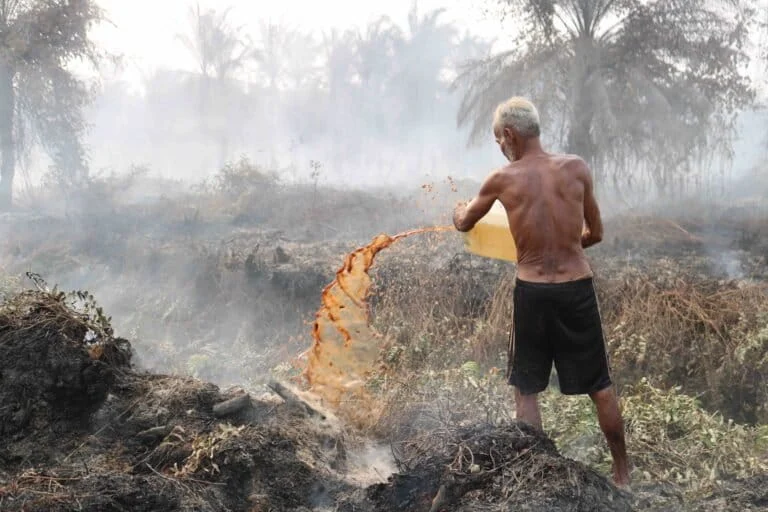
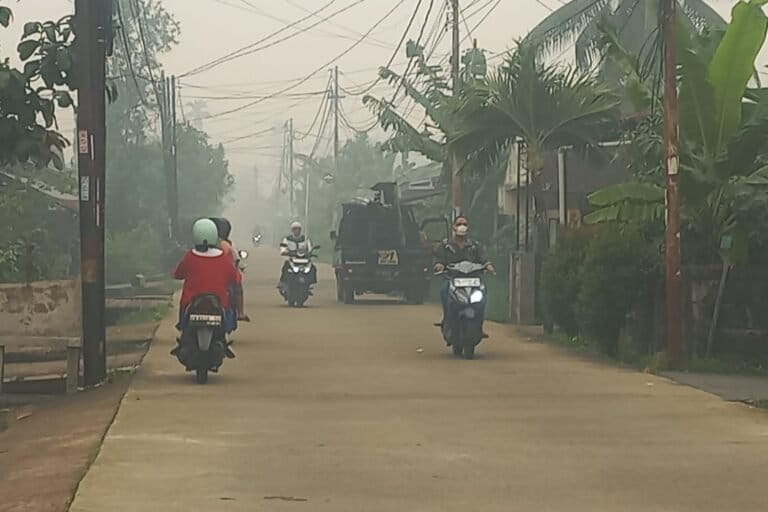
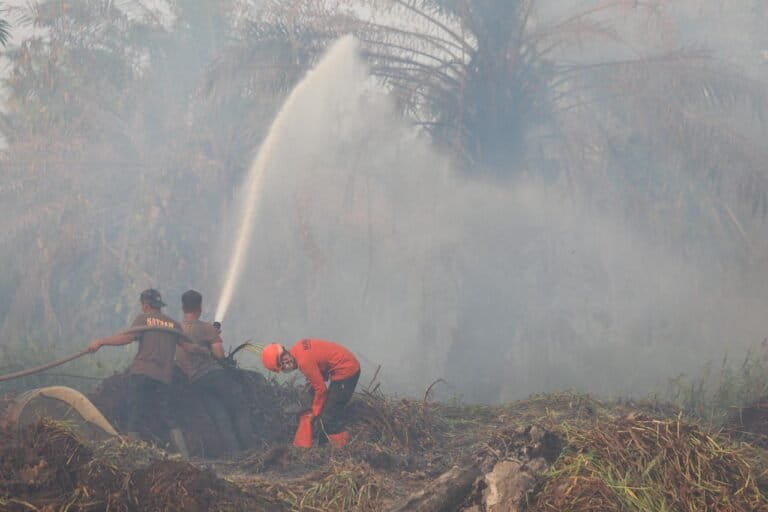
The environmental crisis gripping Indonesia has reached a critical tipping point as uncontrolled forest and land fires (karhutla) continue to devastate hundreds of thousands of hectares across the archipelago. Since late August 2026, thick, hazardous smog has choked major population centers in Kalimantan, Sumatra, and beyond, forcing the suspension of in-person schooling, overwhelming public health facilities, and triggering a state of emergency in some of the most affected regions. As of mid-September 2026, the human cost of the smoke-induced pollution has escalated, with over 113,000 recorded cases of acute respiratory infections (ISPA) across seven provinces, according to data from the Ministry of Health.
A Chronology of Escalation
The current surge in fire activity began in early 2026, but the situation deteriorated rapidly during the dry season. By July 2026, the national fire footprint had expanded to over 202,000 hectares across 240 regencies. The intensity of the fires has been exacerbated by the El-Nino weather phenomenon, which has created prolonged drought conditions, providing the perfect fuel for both accidental and intentional land clearing.
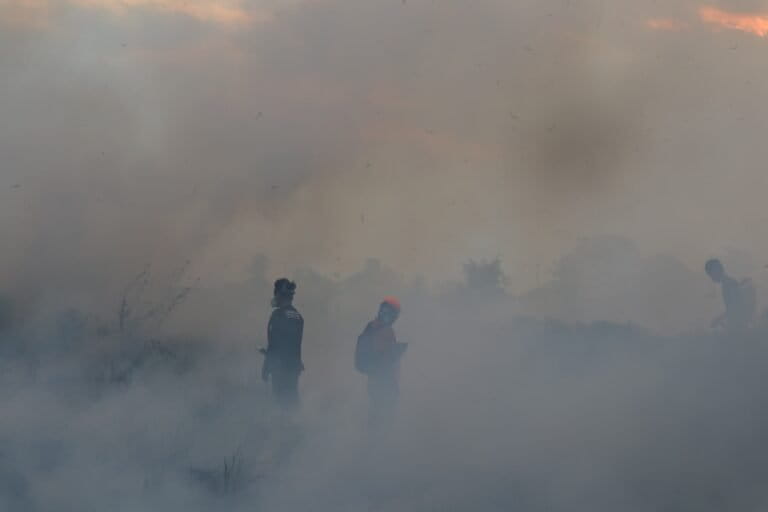
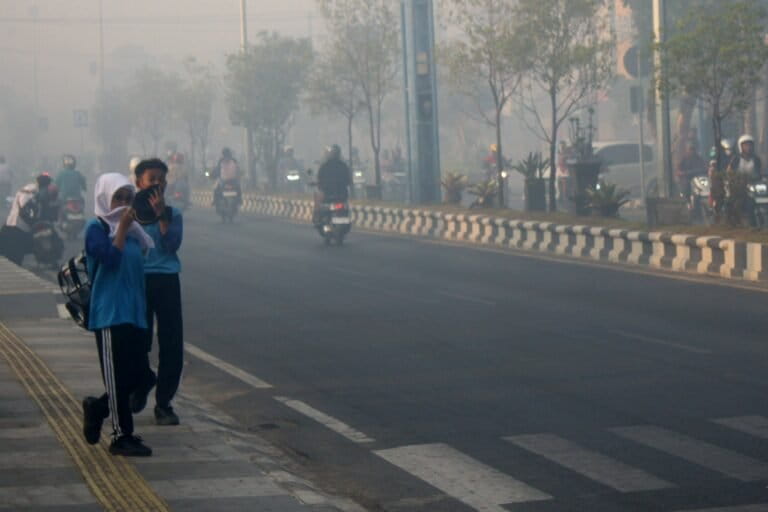
The situation in West Kalimantan has been particularly dire. In Pontianak, air quality indices (AQI) have consistently hit the "hazardous" category, with PM 2.5 particulate matter levels reaching record highs. For residents like Tursih, a secondary school teacher in Kubu Raya, the reality of the crisis is a daily struggle. Since August 24, 2026, schools in Pontianak and surrounding districts have shifted to remote learning. "The smoke is suffocating," Tursih noted, describing the harrowing experience of trying to protect her children from toxic air that penetrates even the interior of their homes.
The Statistical Reality of the Disaster
The scale of the 2026 fires marks a significant regression in national environmental management. Official data from the Ministry of Forestry indicates that the total area burned from January to July 2026 increased by 47% compared to 2019 and a staggering 80% compared to 2023. When measured against 2025 figures, the area affected has risen by 69%, totaling over 82,791 hectares in that specific comparison period alone.
Regional data highlights the disparity in impact. West Kalimantan leads the nation with approximately 38,310 hectares burned, followed by South Papua (25,838 hectares), East Nusa Tenggara (19,565 hectares), and West Nusa Tenggara (17,406 hectares). Independent monitoring systems, such as the Nusantara Atlas, provide an even more sobering perspective, suggesting that cumulative fire points have climbed to over 691,000, with total burned areas potentially exceeding 885,000 hectares by late September.
Public Health Crisis and Economic Fallout
The health implications of this smog are catastrophic. The Ministry of Health reported that between June 28 and September 8, 2026, West Kalimantan alone saw 62,278 cases of ISPA. Vulnerable populations—specifically children under five and the elderly—are the hardest hit. Analysis by the Center for Research on Energy and Clean Air (CREA) suggests that in August 2026 alone, approximately 3,700 deaths across 15 provinces could be attributed to air pollution, with 1,700 of those deaths directly linked to the toxic emissions from fires.
The economic impact is equally devastating. A study by the Center of Economic and Law Studies (Celios) estimates that the combined economic and healthcare costs from January to August 2026 range from IDR 39.29 trillion to IDR 123.1 trillion. This figure accounts for the destruction of physical assets, the loss of labor productivity, and the overwhelming burden on the national health budget, which has already seen a significant portion of its resources diverted to treat respiratory conditions.
International and Transboundary Dimensions
The impact of Indonesia’s fires is not confined within its borders. Malaysia has reported severe spikes in respiratory illnesses, with cases of asthma rising by 25% and ISPA by 124% in the worst-affected areas. Greenpeace Malaysia has highlighted that cities in Sarawak, such as Serian, reached "hazardous" levels on the Air Pollutant Index (API), prompting local authorities to declare a haze emergency. This transboundary pollution serves as a recurring reminder of the geopolitical strain caused by regional environmental management, or the lack thereof.
Official Response and Criticisms of Oversight
The Indonesian government has deployed various emergency measures, including Weather Modification Operations (OMC) to induce rain and the establishment of thousands of health posts. The Ministry of Health has mobilized over 1,800 medical personnel and hundreds of hospitals to manage the surge in patients.
However, criticism regarding the state’s response remains intense. Saurlin P. Siagian, a commissioner at the National Commission on Human Rights (Komnas HAM), labeled the current situation a result of institutional negligence. "There is no robust mitigation from the state," Siagian stated. He argued that the recurring nature of these fires suggests that the government has failed to learn from previous catastrophes, prioritizing short-term economic gains over the fundamental right of citizens to a healthy environment.
Law enforcement efforts have intensified, with the National Police (Polri) handling 219 cases and naming 162 suspects. Furthermore, the Ministry of Forestry and the Ministry of Environment have taken administrative action, sealing the concessions of 25 corporations and suspending the permits of 26 others suspected of involvement in the fires. Despite these measures, activists and human rights groups continue to demand that authorities look beyond field-level workers and hold the leadership of major corporations accountable for the systematic clearing of land by fire.
Implications for the Future
The 2026 wildfire crisis is more than an environmental disaster; it is a profound failure of governance and land-use policy. As the climate becomes increasingly volatile due to global warming and recurring El-Nino cycles, the traditional methods of reactive firefighting are proving insufficient.
Experts suggest that without a fundamental shift in how the government manages land concessions and enforces environmental law, the "annual smog season" will continue to erode the public health, economy, and educational future of millions of Indonesians. The current crisis highlights an urgent need for the integration of climate risk into national economic planning. As Katherine Hasan of CREA noted, "The government can no longer ignore this call for clean air reform. The cost of inaction is measured in human lives and billions of rupiah in lost potential."
As of late September 2026, while sporadic rains have provided temporary relief in some areas, the threat remains high. The nation stands at a crossroads, with the health of its citizens and the integrity of its ecosystems hanging in the balance, awaiting a comprehensive strategy that prioritizes long-term sustainability over industrial exploitation. The coming months will be a litmus test for the effectiveness of the current administration’s enforcement and mitigation policies in a changing climate.









