
 Nila Kartika Wati
In the hidden corridors beneath the soil of Sub-Saharan Africa, a specialized group of reptiles occupies a unique ecological niche that few other predators dare to claim. Known collectively as centipede-eaters, the genus Aparallactus—part of the family Atractaspididae—has evolved a highly specialized lifestyle that allows them to thrive on a diet of one of nature’s most formidable invertebrates: the centipede. While centipedes are aggressive, fast-moving, and armed with venomous forcipules, these slender, fossorial snakes have adapted to bypass these defenses, playing an understated but crucial role in the continent’s complex subterranean food webs.
Evolutionary Adaptation and the Fossorial Lifestyle
The genus Aparallactus comprises more than ten distinct species, all of which are endemic to the African continent. Their evolutionary trajectory is a masterclass in morphological specialization. Because they spend the vast majority of their lives burrowing through loose soil, under rotting logs, or amidst leaf litter, their bodies have become remarkably streamlined.
These snakes typically feature small, blunt-snouted heads that serve as a wedge, allowing them to navigate narrow fissures and dense substrate with minimal resistance. This fossorial existence means they are rarely encountered by humans, a phenomenon exacerbated by their strictly nocturnal activity cycles. Among the most well-documented is Aparallactus capensis, or the Cape centipede-eater. Measuring an average of 30 centimeters—with maximum lengths rarely exceeding 40 centimeters—these reptiles are physically unassuming. Their coloration, typically a muted blend of light brown to orange-brown, is punctuated by a distinct dark or black "hood" on the head and nape, which serves as a key diagnostic feature for herpetologists.
The genus exhibits a specialized venom delivery system known as opisthoglyphous. Unlike the front-fanged strike of a cobra or viper, these snakes possess grooved fangs located at the rear of the upper jaw. While this anatomy makes them essentially harmless to humans—as the fangs are positioned deep within the mouth and the venom is tailored specifically for invertebrate prey—it is a lethal adaptation for their chosen diet.
Chronology of Scientific Discovery
The study of Aparallactus has been a gradual process of discovery, punctuated by significant herpetological milestones. While local populations have long been aware of these "ground snakes," the systematic classification and dietary analysis of the genus did not gain momentum until the late 20th and early 21st centuries.
In 2006, a landmark study led by renowned biologist Richard Shine and his colleagues, published in the journal Copeia, provided the first rigorous, large-scale examination of the diet of African burrowing snakes. By analyzing stomach contents and specimen morphology, researchers confirmed that A. capensis was an extreme dietary specialist, feeding almost exclusively on centipedes. This confirmed years of anecdotal evidence from field observations and helped map the geographical distribution of the genus across diverse habitats, from the moist savannas of Zimbabwe and Zambia to the arid scrublands of South Africa.
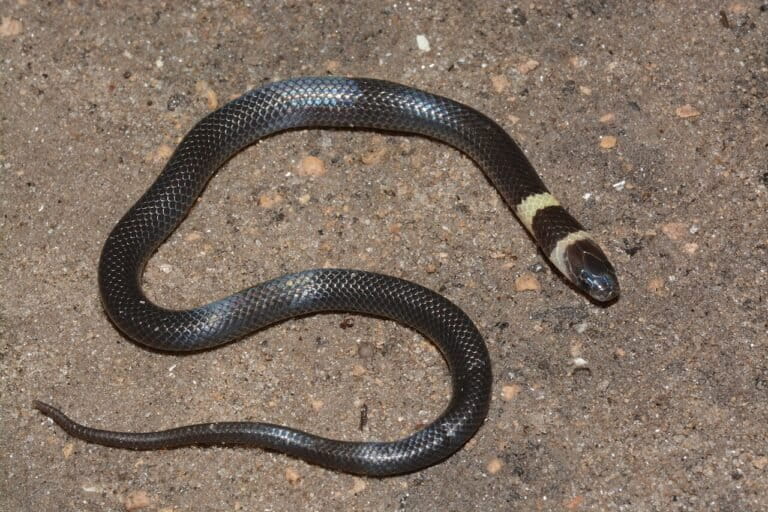
Further studies, including research published in the African Journal of Herpetology in 2021 by Maritz, Rawoot, and van Huyssteen, have refined our understanding of this specialization. By testing assertions of dietary reliance, these modern studies highlighted that while the genus is categorized as "centipede-eaters," the reality is more nuanced. Species such as Aparallactus modestus, or the western forest centipede-eater, have been observed consuming earthworms, suggesting that while the lineage shares a common ancestor with a proclivity for hard-shelled prey, environmental pressures have driven some species to diversify their intake.
Comparative Ecology: The Variability of Diet
The classification of Aparallactus as a "centipede-eater" is a useful generalization, but biological reality is more complex. The variability observed within the genus provides a clear example of evolutionary plasticity.
- Aparallactus capensis: The prototypical member of the genus, found widely from the Eastern Cape of South Africa northward. It is a strict specialist, with field data showing a near-total reliance on centipedes.
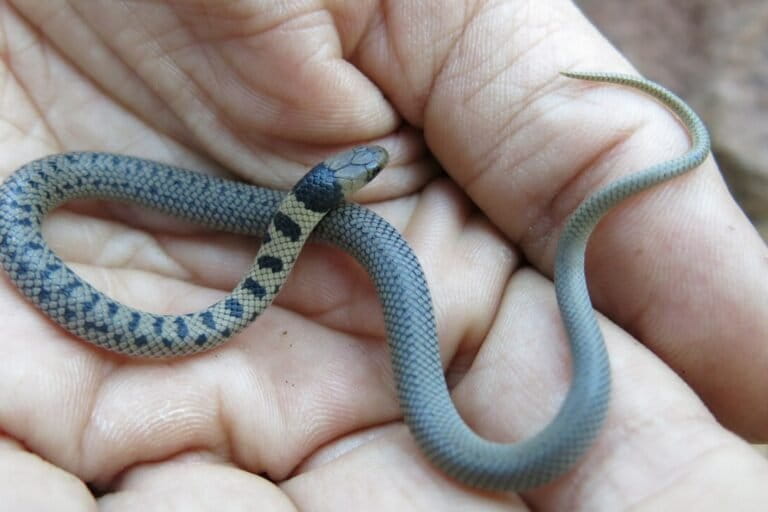
- Aparallactus lunulatus: A inhabitant of moist savannas, this species demonstrates a broader palate, occasionally consuming scorpions in addition to centipedes. Its physical appearance changes significantly with age; juveniles are characterized by a series of dark dorsal blotches that gradually fade as the snake matures into its olive-brown adult coloration.
- Aparallactus modestus: Found in West Africa, this species represents the outlier of the group. Its reliance on earthworms suggests that the "centipede-eating" trait is a derived specialization that is not universal to every branch of the genus.
This dietary divergence is a critical indicator of the ecological health of the regions they inhabit. The presence of these snakes implies a healthy population of soil-dwelling invertebrates, which are essential for nutrient cycling and soil aeration.
Biological Mechanisms of the Hunt
The hunting strategy of an Aparallactus snake is a testament to the arms race between predator and prey. Centipedes are notoriously difficult to consume due to their many legs and potent venom. When an Aparallactus detects a centipede during its nocturnal patrols, it does not simply strike and retreat.
The snake employs a "chewing" method. After an initial strike, the snake maintains a firm grip, maneuvering the centipede into its mouth while its rear fangs work to deliver venom into the prey’s soft tissues. The venom acts rapidly, immobilizing the centipede and mitigating the risk of the snake being injured by the prey’s sharp forcipules. Once immobilized, the snake consumes the centipede head-first, a standard behavior in snake feeding that ensures the legs fold backward, preventing them from catching on the snake’s esophagus.
Challenges in Conservation and Captivity
Despite their ecological importance, Aparallactus species remain poorly understood in terms of population dynamics. The International Union for Conservation of Nature (IUCN) currently lists A. capensis as "Least Concern," reflecting a wide range and a lack of immediate threats to their habitat. However, their status as "secretive" animals means that local declines could go undetected for decades.
One of the greatest challenges in studying these snakes is the extreme difficulty of maintaining them in captivity. Many reptile enthusiasts have attempted to keep Aparallactus, only to find that the snakes perish within a short period. This is directly linked to their dietary specialization. Unlike generalist snakes that can be transitioned to frozen-thawed rodents, Aparallactus requires a constant supply of live, appropriately sized centipedes. This logistical hurdle has prevented the establishment of viable captive breeding programs, which would otherwise provide a safety net for the species in the face of habitat loss or climate change.
Broader Ecological Implications
The role of Aparallactus in the African ecosystem is that of a biological regulator. By preying upon centipedes—which are themselves predators of smaller soil organisms—these snakes help maintain the balance of the invertebrate community. In the absence of such predators, centipede populations could potentially fluctuate in ways that disrupt the decomposition processes of leaf litter and organic matter.
Furthermore, these snakes serve as a food source for larger predators, including other snake species, scorpions, and ground-foraging birds. They occupy a middle tier in the trophic pyramid, acting as a crucial energy conduit between the micro-invertebrate world and larger vertebrate predators.
The Future of Herpetological Research
As urban expansion and agricultural development continue to encroach upon the savannas and shrublands of Africa, the habitat of the Aparallactus faces fragmentation. Because these snakes are so specialized and localized, they lack the mobility to traverse large, degraded landscapes.
Experts in the field suggest that future research must pivot toward non-invasive methods of tracking these animals. Given their fossorial nature, traditional surveys are largely ineffective. Advances in environmental DNA (eDNA) sampling from soil in known habitats could provide a more accurate picture of their presence and abundance without the need for manual collection.
Moreover, a deeper investigation into the biochemistry of Aparallactus venom could yield insights of pharmacological interest. While the venom is specific to invertebrates, the chemical composition of its toxins is a largely untapped resource for potential bio-prospecting.
In conclusion, the Aparallactus genus remains one of the most intriguing, yet overlooked, groups of reptiles in Africa. Their specialized evolution, from their wedge-shaped heads to their rear-fanged venom delivery, underscores the complexity of subterranean ecosystems. While they may never hold the charismatic appeal of the continent’s larger megafauna, their existence is a vital thread in the ecological fabric of Sub-Saharan Africa. Protecting the soil they inhabit is not merely about preserving a small, harmless snake, but about maintaining the delicate balance of the unseen world beneath our feet.









