Tyo Susilo
The venerable studio Treyarch, a name inextricably linked with the colossal success of the Call of Duty franchise, is entering a new chapter with the official retirement of Mark Gordon. After an illustrious 22-year tenure, Gordon, who served as the studio’s leader and a pivotal figure in shaping its identity, has announced his departure, marking the end of an era for one of gaming’s most influential development houses.
Gordon’s contributions are deeply woven into the fabric of Call of Duty’s history. His involvement spans across numerous landmark titles, including foundational entries like Call of Duty 2 and Call of Duty 3, the critically acclaimed World at War, and, most notably, the entire Black Ops sub-series, which became a flagship for the franchise. His leadership not only guided the development of these critically and commercially successful games but also fostered the unique creative culture and work ethic that defines Treyarch. The studio publicly acknowledged Gordon’s profound impact through a statement shared on social media, highlighting his instrumental role in projects that have captivated millions of players worldwide.
A Legacy Forged in the Trenches of Call of Duty
Treyarch’s journey began in 1996, with a diverse portfolio that included titles outside the shooter genre, such as licensed games based on Spider-Man, sports simulations like NHL, and even skateboarding titles. However, a significant turning point arrived in 2005 when the studio first contributed to the Call of Duty franchise. This collaboration would ultimately redefine Treyarch’s trajectory, transforming it into a primary architect of Activision’s blockbuster first-person shooter series.
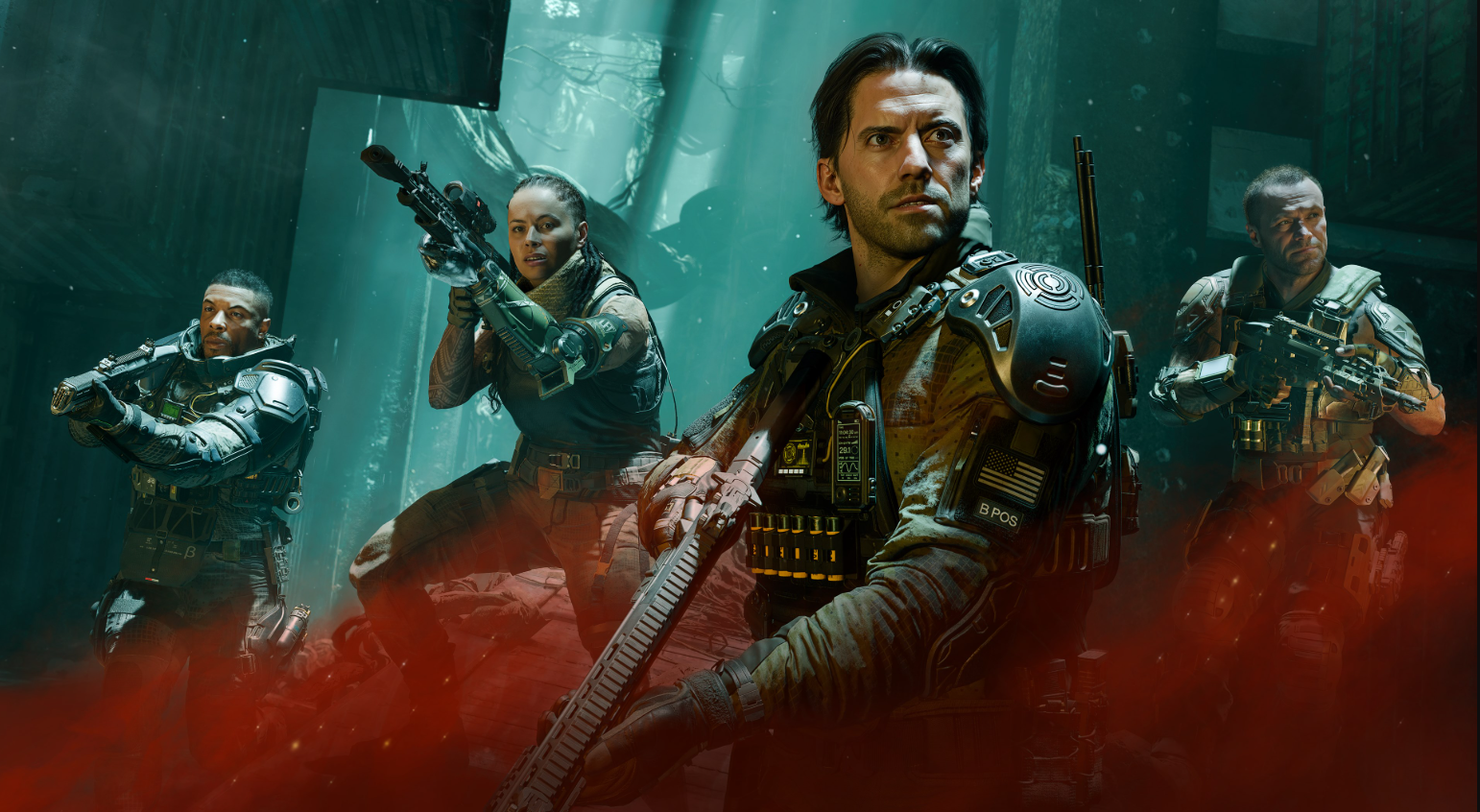
Gordon’s two-decade-plus leadership saw Treyarch evolve from a respected developer into a powerhouse studio synonymous with narrative depth, innovative gameplay, and a distinct artistic style, particularly evident in the Black Ops installments. These games, known for their intricate storylines, often set in historical or near-future espionage settings, have consistently been among the best-selling titles in the Call of Duty franchise, contributing billions of dollars to Activision Blizzard’s revenue. The Black Ops series, in particular, is credited with introducing memorable characters, complex plotlines, and a unique blend of multiplayer innovation and engaging Zombies modes, solidifying Treyarch’s reputation for delivering high-quality, immersive experiences.
The retirement of Gordon signifies more than just a change in personnel; it represents the conclusion of one of the longest and most impactful leadership periods in Treyarch’s history. His vision and dedication have undoubtedly left an indelible mark on the studio’s legacy and the broader landscape of the first-person shooter genre.
The New Guard: Charting the Future of Treyarch
Stepping into the leadership vacuum left by Gordon are Kevin Hendrickson and Yale Miller, who have been officially appointed as co-heads of the studio. Both Hendrickson and Miller are seasoned veterans within the Call of Duty ecosystem, boasting extensive experience in both game development and leadership roles. Their long-standing careers within the franchise suggest a deep understanding of Treyarch’s operational intricacies, its creative ethos, and its strategic direction.
The studio’s announcement emphasized that Hendrickson and Miller possess an intimate knowledge of Treyarch’s internal culture and a shared creative vision that is expected to propel the company into its next phase of growth and innovation. This continuity in leadership, albeit with new individuals at the helm, aims to ensure a smooth transition and maintain the studio’s momentum as it continues to develop highly anticipated titles within the Call of Duty universe. Their familiarity with the franchise’s core tenets and the expectations of its dedicated player base positions them to build upon the strong foundations laid by Gordon.
Supporting Data and Industry Context
The Call of Duty franchise, a cornerstone of Activision Blizzard’s gaming empire, has consistently been a top performer in the industry. Since its inception in 2003, the franchise has generated over $30 billion in revenue, with individual titles often topping sales charts for years following their release. Treyarch’s contributions, particularly the Black Ops series, have been pivotal to this sustained success. For instance, Call of Duty: Black Ops (2010) was the best-selling game of that year in North America, and its sequel, Call of Duty: Black Ops II (2012), achieved over $1 billion in global sales within just 15 days of its release, a testament to the franchise’s immense market penetration and Treyarch’s ability to deliver highly sought-after products.
The ongoing success of Call of Duty has also seen its expansion into mobile platforms, with Call of Duty: Mobile becoming a significant revenue generator and attracting a vast global player base. While Treyarch’s primary focus has been on the console and PC iterations, its foundational work has indirectly influenced the broader ecosystem of the franchise, including mobile development and the recent emergence of a free-to-play battle royale title, Call of Duty: Warzone. This expansion highlights the franchise’s adaptability and its continued relevance in a dynamic gaming market.

Broader Impact and Future Implications
Mark Gordon’s retirement and the subsequent appointment of Hendrickson and Miller represent a significant moment for Treyarch and the Call of Duty franchise. As a studio that has consistently pushed boundaries and delivered memorable gaming experiences, Treyarch’s future direction under new leadership will be closely watched by fans and industry analysts alike.
The transition offers an opportunity for Treyarch to potentially explore new creative avenues while building upon its established strengths. The deep familiarity of the new co-heads with the studio’s culture and the Call of Duty IP suggests a commitment to maintaining the quality and appeal that players have come to expect. However, the gaming industry is characterized by rapid evolution, with emerging technologies, shifting player preferences, and increasing competition. The ability of Hendrickson and Miller to navigate these challenges, innovate within the beloved franchise, and potentially introduce fresh concepts will be crucial for Treyarch’s continued dominance.
The long-term implications of this leadership change could extend to the overall strategy of Activision Blizzard’s Call of Duty division. With Gordon’s departure, there may be a subtle shift in creative priorities or development approaches. The continued success of the Black Ops sub-series, a cornerstone of Treyarch’s identity under Gordon, will likely remain a key focus, but the new leadership may also champion new projects or stylistic evolutions that resonate with a contemporary audience. The gaming community will undoubtedly be keen to observe how Treyarch, under the guidance of Hendrickson and Miller, will continue to shape the future of one of the most powerful and enduring franchises in interactive entertainment. The legacy of Mark Gordon provides a formidable benchmark, and the new leadership faces the exciting challenge of building upon that success and charting a compelling course forward.