Bambang Pamungkas
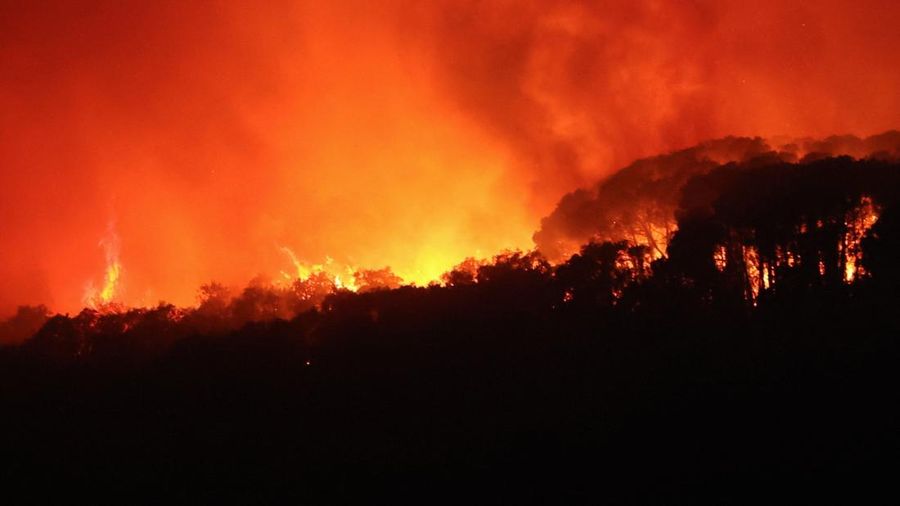
A devastating wildfire has consumed approximately 2,370 hectares of land across the scenic region of Catalonia in northeastern Spain, triggering a monumental effort by emergency services to bring the inferno under control. The blaze, which erupted amid exceptionally dry conditions and high temperatures, has not only decimated vast swathes of forest and scrubland but has also encroached upon residential areas, leaving a trail of destruction in its wake. As of Saturday, July 4, 2026, firefighters reported significant progress in stabilizing the most critical sections of the fire, though the looming threat of shifting winds continues to complicate containment strategies and keeps local communities on high alert.
Unfolding Disaster: A Chronology of the Catalan Wildfire
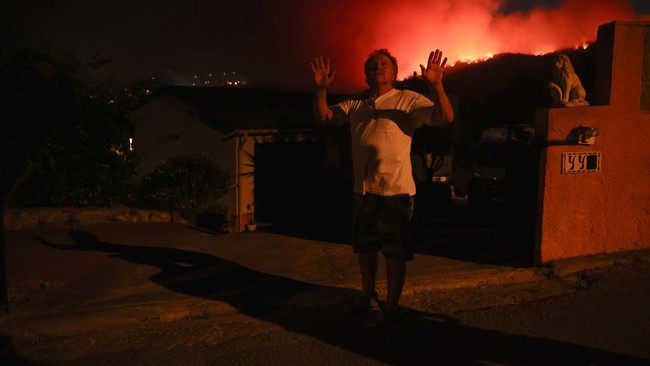
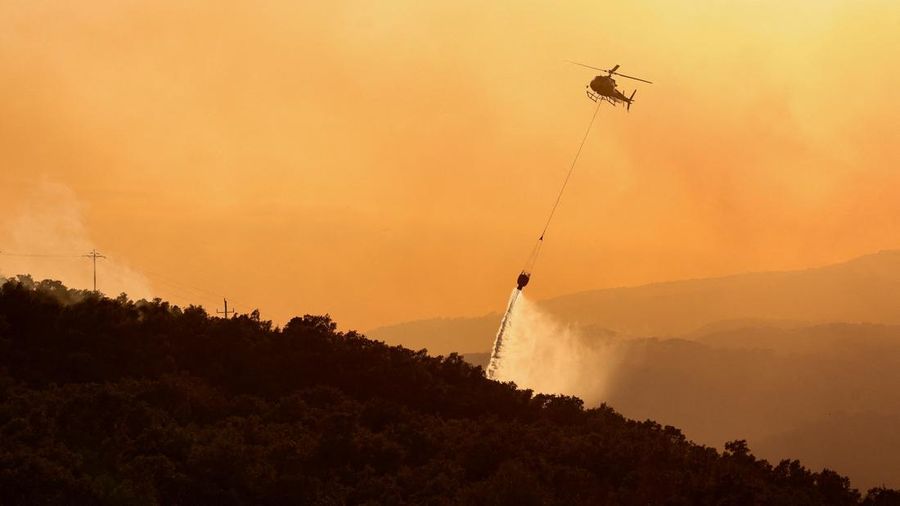
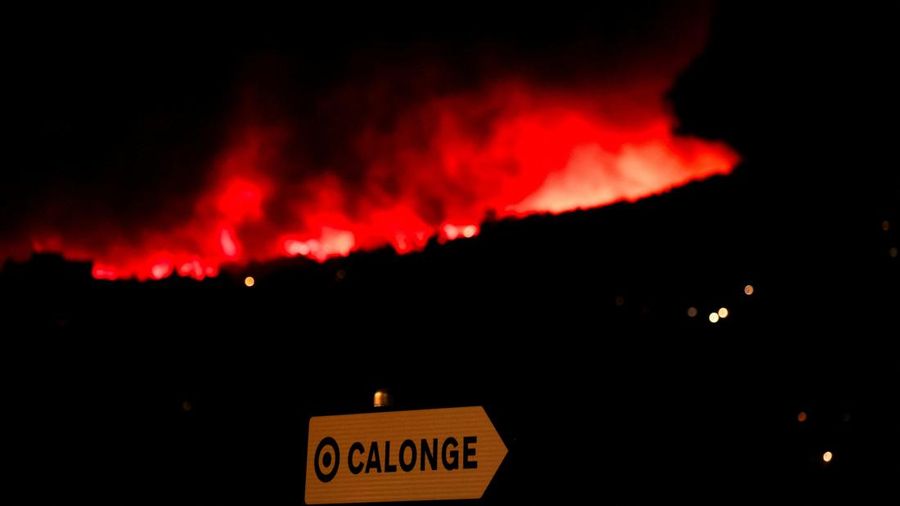
The crisis began subtly, with initial reports suggesting the fire ignited late Thursday, July 2, 2026, in a remote, heavily wooded area near the municipality of Calonge, in the province of Girona. The exact cause remains under investigation, but authorities have not ruled out accidental ignition exacerbated by the prevailing meteorological conditions. Within hours of its detection, the fire rapidly escalated, fueled by strong, gusting winds and an abundance of dry vegetation that had accumulated after an extended period of low rainfall. By Friday morning, July 3, the flames had spread aggressively, overwhelming initial containment efforts and necessitating a rapid scale-up of resources. The local fire brigade, supported by regional and national units, deployed ground crews and aerial assets, including water-bombing planes and helicopters, to combat the rapidly advancing front.
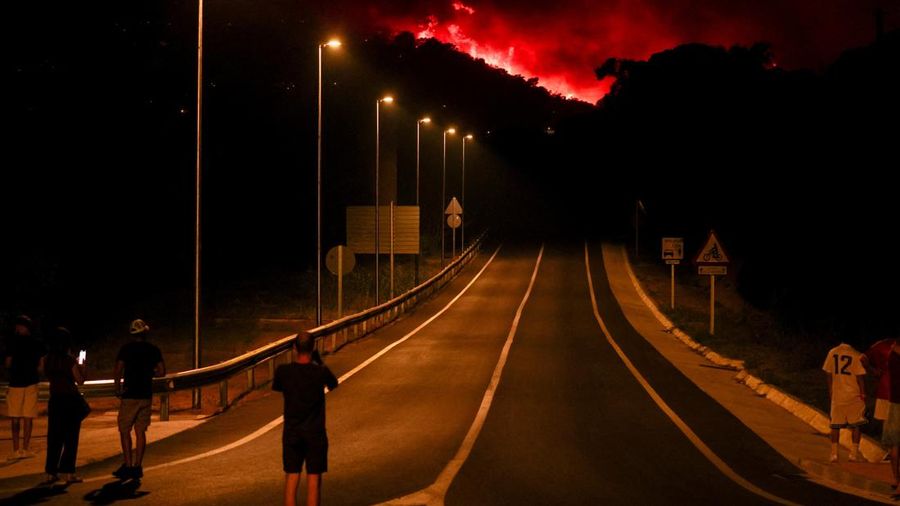
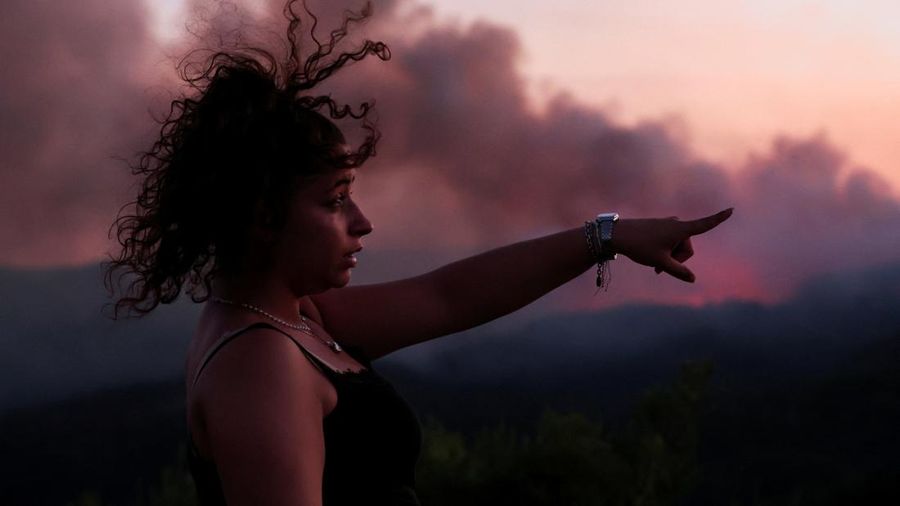
The situation intensified dramatically throughout Friday afternoon and evening as the fire’s perimeter expanded, pushing dangerously close to populated zones. Residents in several hamlets and isolated properties within the Calonge area were urged to prepare for potential evacuation, with some voluntary departures already taking place. The smoke plume, visible for tens of kilometers, cast an ominous shadow over the Costa Brava coastline, a popular tourist destination. Overnight into Saturday, July 4, the inferno showed a slight abatement in its most rapid expansion, with Chief Inspector David Borrell of the Catalan Fire Brigade noting that only an additional 100 hectares had been consumed in the vicinity of La Bisbal d’Empordà, a stark contrast to the previous day’s explosive growth.
However, the most critical development on Saturday morning, July 4, was the announcement by Borrell that approximately 70% of the fire’s right flank, identified as the most active and threatening sector, had been successfully stabilized. This significant achievement offered a glimmer of hope to exhausted firefighters and anxious residents. Despite this progress, the battle was far from over. Emergency teams immediately shifted their focus to the remaining unstabilized section of the right flank, particularly near Puig d’Arques, a strategic point where the terrain and vegetation presented considerable challenges. The primary concern for the afternoon was the anticipated arrival of a sea breeze, which, while offering some cooling, also posed a significant risk of fanning the flames and reigniting previously contained areas, potentially undoing the hard-won gains.
Impact on Communities and the Environment
The immediate human impact of the wildfire has been severe for those living closest to the blaze. In the municipality of Calonge, the flames breached the natural defenses and advanced into residential areas, causing extensive damage. Gardens were scorched, fences obliterated, and numerous house windows shattered by the intense heat. Tragically, at least one residential property was completely destroyed, reduced to ashes by the relentless fire. Despite the widespread destruction to property, authorities have confirmed that, remarkably, there have been no reports of serious injuries or fatalities among residents or emergency personnel. This absence of casualties is largely attributed to the prompt warnings, preparedness efforts, and the swift actions of firefighters who worked tirelessly to protect lives and facilitate safe evacuations.
Beyond the immediate damage to homes and infrastructure, the environmental toll of the wildfire is substantial. The 2,370 hectares consumed represent a significant loss of biodiversity, including mature pine forests, cork oak groves, and Mediterranean scrubland, which are vital habitats for numerous species of flora and fauna. The intense heat of the fire also sterilizes soil, stripping it of nutrients and organic matter, making regeneration a slow and arduous process. The loss of vegetation cover increases the risk of soil erosion, particularly with the onset of autumn rains, potentially leading to landslides and further ecological degradation. Air quality throughout the region has also been severely impacted, with dense smoke plumes carrying particulate matter and harmful gases over wide areas, posing health risks to vulnerable populations.
Catalonia’s Vulnerability and Broader Context
Spain, particularly its Mediterranean coastal regions like Catalonia, is inherently vulnerable to wildfires. The combination of its climate, characterized by hot, dry summers and periods of drought, and its diverse vegetation creates a high-risk environment. This vulnerability has been significantly amplified in recent decades by the accelerating effects of climate change. Rising global temperatures contribute to more frequent and intense heatwaves, prolonged periods of drought, and changes in precipitation patterns, all of which create ideal conditions for wildfires to ignite and spread uncontrollably. Scientific consensus indicates that extreme weather events, including mega-fires, are becoming more common and severe, posing an existential threat to ecosystems and human settlements alike.
The specific region affected by this fire, Girona province, is known for its natural beauty, including the Gavarres massif, a protected natural area that holds significant ecological value. The terrain in these areas can be rugged and challenging, hindering ground-based firefighting efforts and making aerial support indispensable. Historically, Spain has experienced numerous large-scale wildfires, often requiring national and international assistance to contain. The 2026 fire in Calonge serves as another stark reminder of the escalating challenge posed by these natural disasters and the urgent need for robust prevention and mitigation strategies.
Official Responses and Calls for Action
In the wake of the disaster, officials have reiterated their commitment to both immediate response and long-term resilience. David Borrell, Chief Inspector of the Catalan Fire Brigade, emphasized the extraordinary coordination and dedication of all emergency teams involved. "Our firefighters, supported by colleagues from across the region, have been working non-stop under extremely challenging conditions," Borrell stated in a press briefing on Saturday. "The stabilization of 70% of the critical flank is a testament to their bravery and strategic planning, but we remain vigilant as the weather conditions, particularly the sea wind, could quickly alter the situation."
Local authorities, including the mayor of Calonge, expressed solidarity with affected residents and pledged full support for recovery efforts. "This is a deeply distressing time for our community," the mayor commented, "but we are resilient. Our immediate priority is to ensure the safety of all residents and to contain this fire. Once the immediate threat has passed, we will focus on supporting those who have lost their homes and livelihoods, and on restoring our beautiful natural environment."
Environmental organizations have also weighed in, highlighting the broader implications of such fires. A spokesperson for a prominent Spanish environmental group remarked, "This latest wildfire underscores the critical need for more proactive forest management, including controlled burns and clearing of undergrowth, to reduce fuel loads. More importantly, it is a stark warning about the accelerating climate crisis. We must invest more in climate adaptation and mitigation measures to protect our vulnerable ecosystems and communities from future, even more intense, fires."
Broader Implications and Future Outlook
The economic implications of the Calonge wildfire extend beyond the immediate property damage. The Costa Brava is a major tourist destination, and large-scale fires, even if quickly contained, can deter visitors, impacting local businesses, hotels, and the regional economy. Agricultural sectors, particularly vineyards and olive groves in the wider area, could also face losses from smoke damage or direct fire impact. The cost of firefighting operations itself is substantial, diverting significant public resources that could otherwise be allocated to other essential services.
Looking ahead, the incident reinforces the urgent need for a multi-faceted approach to wildfire management in Spain and other Mediterranean countries. This includes enhanced early warning systems, advanced monitoring technologies, and continuous investment in firefighting personnel and equipment. Equally crucial are long-term strategies focusing on landscape management, such as creating firebreaks, promoting resilient native species, and educating the public about fire prevention. The role of climate change adaptation is paramount, requiring policies that address the root causes of increased fire risk, including reducing greenhouse gas emissions.
As firefighters continue their arduous battle against the remaining flames near Puig d’Arques, the Calonge wildfire of 2026 stands as a poignant reminder of nature’s raw power and the increasing vulnerability of human societies to the impacts of a changing climate. The collective effort to contain this inferno and support affected communities will undoubtedly be a protracted one, but it also presents an opportunity to re-evaluate and strengthen resilience against future environmental challenges.