Chalifah Fatihah
Matcha, the vibrant powdered green tea originating from Japan, has surged in popularity across various demographics, celebrated for its distinctive flavor profile and perceived health benefits. However, for individuals managing conditions like gastritis, commonly known as maag, the consumption of certain beverages requires careful consideration to avoid exacerbating stomach acid production and triggering discomfort. This article delves into the suitability of matcha for those with sensitive stomachs, exploring its components, potential effects, and offering practical advice for mindful enjoyment.
The Caffeine Conundrum: Matcha’s Impact on Gastric Health
The primary concern for individuals with gastritis regarding matcha lies in its caffeine content. While matcha is lauded for its antioxidant properties, attributed to catechins like epigallocatechin gallate (EGCG), it is also a source of caffeine. Unlike traditional brewed teas where only the infused water is consumed, matcha involves ingesting the entire ground tea leaf. This process results in a significantly higher concentration of caffeine compared to regular green tea.
According to data compiled from various health and nutrition resources, a typical serving of matcha (approximately 2 to 4 grams of powder) can contain between 38 to 176 milligrams of caffeine. This range can, in some instances, rival or even surpass the caffeine content of a standard cup of coffee, depending on the preparation method and the quantity of matcha powder used. This higher caffeine concentration is a key factor that can influence gastric acid secretion.
For individuals with gastritis, an elevated production of stomach acid can lead to a cascade of uncomfortable symptoms. These may include a burning sensation in the stomach, heartburn, nausea, bloating, and sharp abdominal pain. The caffeine present in matcha, much like in coffee, can stimulate the parietal cells in the stomach lining to release more hydrochloric acid. Furthermore, caffeinated beverages, particularly when consumed on an empty stomach, can irritate the delicate, inflamed lining of the stomach, potentially worsening existing symptoms.
The intensity of these reactions can vary significantly from person to person. Some individuals with mild gastritis may find they can tolerate matcha without experiencing adverse effects, while others might be highly sensitive to even small amounts. This variability underscores the importance of individual assessment and careful monitoring of one’s body’s response.
Understanding Matcha’s Composition Beyond Caffeine
While caffeine is a primary consideration, other compounds within matcha might also play a role, though generally less so than caffeine. Matcha is rich in L-theanine, an amino acid known for its calming and focus-enhancing properties. L-theanine is often credited with mitigating some of the jittery side effects associated with caffeine. However, its impact on gastric acid production in the context of gastritis is less pronounced and generally considered beneficial by some for its stress-reducing qualities, which can indirectly benefit digestive health by managing stress-induced acidity.
The presence of tannins, another class of compounds found in tea, could also be a factor. Tannins can sometimes contribute to digestive discomfort by binding to proteins and potentially irritating the stomach lining, especially in concentrated forms or on an empty stomach.
A Historical Perspective on Tea and Digestion
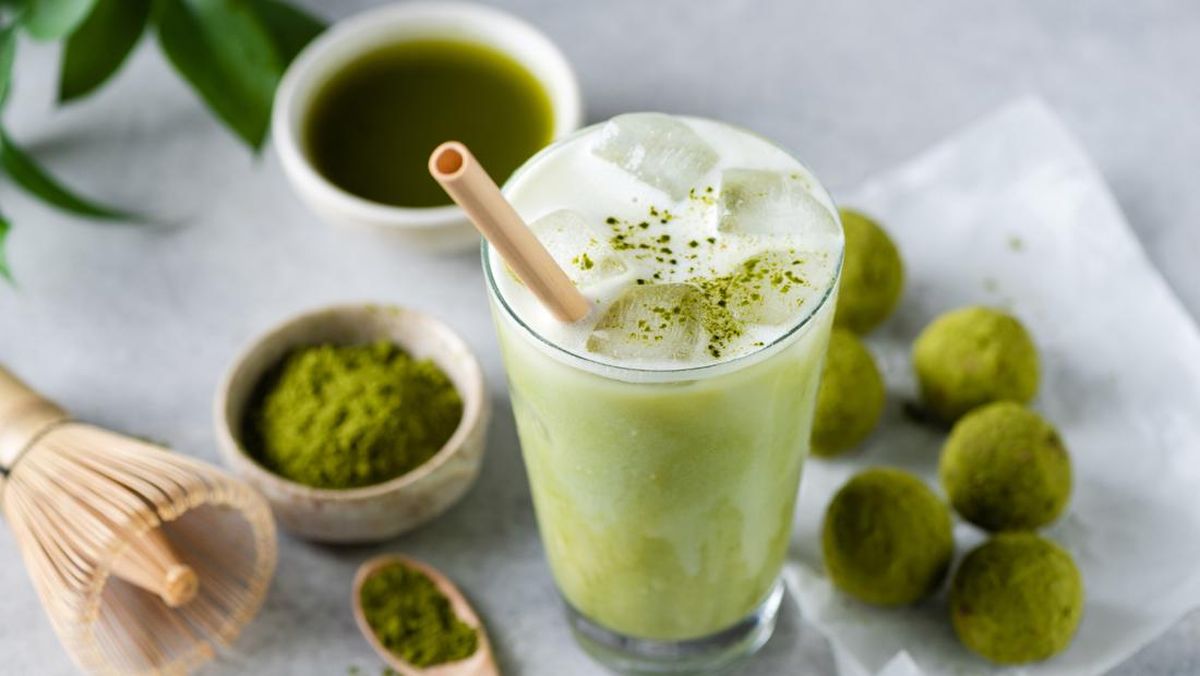
The relationship between tea consumption and digestive health has been a subject of interest for centuries. Traditional Chinese medicine, where tea originated, has long recognized the therapeutic properties of various teas. Green tea, in general, has been associated with aiding digestion and promoting overall well-being. However, the specific preparation and form of tea consumption, as seen with matcha, can alter its physiological effects. Historical practices often involved consuming tea in moderation, brewed with specific water temperatures, and often accompanied by food.
Navigating the Risks: When is Matcha Potentially Problematic?
Several factors can heighten the risk of matcha triggering gastritis symptoms:
- Empty Stomach Consumption: Drinking matcha on an empty stomach is often cited as a significant trigger for digestive distress. The absence of food means the stomach lining is more directly exposed to the stimulating effects of caffeine and potentially tannins.
- Overly Concentrated Brews: Using an excessive amount of matcha powder in a single serving will naturally lead to a higher concentration of caffeine and other active compounds, increasing the likelihood of irritation.
- Excessively Hot Beverages: Consuming any beverage, especially one with potential irritants, at very high temperatures can further aggravate a sensitive or inflamed stomach lining.
- Individual Sensitivity: As mentioned, genetic predispositions and the severity of one’s gastritis play a crucial role in how matcha is tolerated.
Expert Opinions and Nutritional Guidance
Nutritionists and gastroenterologists generally advise caution for individuals with gastritis when it comes to caffeinated beverages. Dr. Anya Sharma, a practicing gastroenterologist, notes, "While matcha offers antioxidants, its caffeine content is a valid concern for patients with gastritis. The key is moderation and understanding personal triggers. If a patient experiences worsening symptoms after consuming matcha, it’s a clear signal to reduce or eliminate it."
She further elaborates, "The general advice for managing gastritis involves avoiding common irritants. This includes acidic foods and drinks, spicy foods, and excessive caffeine. Matcha, due to its concentrated nature, falls into the category of beverages that require careful consideration."
Practical Strategies for Enjoying Matcha Safely
For those who wish to continue enjoying matcha despite having gastritis, a mindful and strategic approach is recommended. Implementing the following tips can significantly mitigate the risk of triggering symptoms:
1. Consume After Meals
This is arguably the most critical piece of advice. By consuming matcha after having a substantial meal, the presence of food in the stomach acts as a buffer, diluting the effects of caffeine and other compounds. It prevents direct contact with the stomach lining, thereby reducing the likelihood of irritation and excessive acid production. Aim to wait at least 30 minutes to an hour after eating before indulging in your matcha.
2. Opt for Diluted Preparations
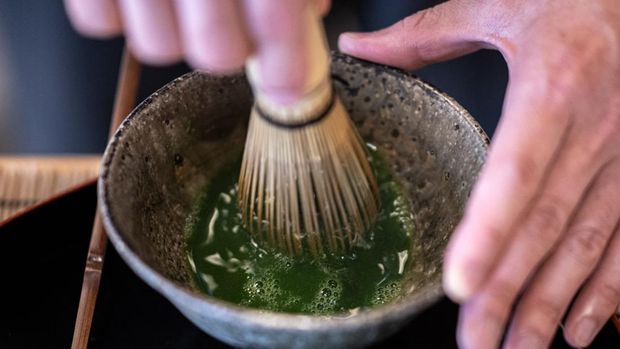
Avoid the temptation of "extra strong" or highly concentrated matcha lattes. Instead, opt for a less concentrated brew. This means using less matcha powder per serving and potentially adding more water or milk (if dairy is tolerated) to create a milder beverage. Many traditional matcha preparations involve whisking a small amount of powder with a larger volume of water, creating a more balanced drink.
3. Avoid Extremely Hot Temperatures
Allow your matcha to cool to a warm, but not scalding, temperature before drinking. This will significantly reduce the risk of thermal irritation to your esophagus and stomach lining. A lukewarm or comfortably warm beverage is ideal.
4. Limit Consumption Quantity and Frequency
Moderation is key. Instead of multiple servings throughout the day, limit yourself to one serving per day, or even less frequently, especially when first reintroducing it. Pay close attention to how your body reacts. If you find that one cup is well-tolerated, you might consider increasing slightly, but always with caution.
5. Monitor Your Body’s Response Closely
This is the cornerstone of managing any dietary sensitivity. After consuming matcha, pay close attention to any signals your body sends. Common symptoms to watch for include:
- Gastric Discomfort: Any return of burning, gnawing, or cramping sensations in the stomach.
- Heartburn or Acid Reflux: A burning sensation in the chest or throat.
- Nausea or Bloating: Feelings of sickness or excessive fullness.
- Changes in Bowel Habits: Though less directly linked, digestive distress can sometimes affect bowel regularity.
If you experience any of these symptoms after drinking matcha, it’s a clear indication that your body is not tolerating it well at that time or in that preparation. It is advisable to cease consumption immediately and consult with a healthcare professional.
6. Consider Dairy or Non-Dairy Alternatives
For some, the addition of milk or a non-dairy alternative like oat milk or almond milk can help buffer the acidity and smooth out the flavor profile, potentially making it more palatable and less irritating. Experiment with different options to see what works best for your digestive system. However, be mindful that some individuals with gastritis may also have sensitivities to dairy.
7. Consult with a Healthcare Professional
The most personalized and reliable advice will come from your doctor or a registered dietitian. They can assess your specific condition, review your dietary habits, and provide tailored recommendations. They can also help differentiate between symptoms of gastritis and other potential digestive issues that might be triggered by various food and drink components.
The Broader Implications: Matcha’s Place in a Balanced Diet
The popularity of matcha extends beyond its taste, often promoted for its potential health benefits, including its antioxidant content and its role in boosting metabolism. While these benefits are valid, they must be weighed against the potential risks for individuals with pre-existing conditions. For the general population, matcha can be a healthy addition to a balanced diet when consumed responsibly. However, for those managing gastritis, the focus shifts from maximizing benefits to minimizing potential harm.
The trend of "wellness beverages" and superfoods like matcha often leads consumers to overlook potential downsides. This underscores the importance of evidence-based information and personalized health advice. The story of matcha and gastritis is a microcosm of a larger trend: understanding that even seemingly healthy foods and drinks can have different impacts depending on individual physiology and health status.
In conclusion, while matcha is a delightful and potentially beneficial beverage, its caffeine content and other properties necessitate caution for individuals with gastritis. By understanding the potential triggers and adopting a mindful, measured approach to consumption—prioritizing post-meal enjoyment, diluted preparations, and careful observation of bodily responses—those with sensitive stomachs can still partake in the matcha experience without compromising their digestive health. The key lies in informed choices and a personalized approach to diet and well-being.