Chalifah Fatihah
Jakarta, Indonesia – A vibrant culinary festival is set to illuminate the historic Glodok area in Tamansari, West Jakarta, on Saturday, June 20, 2026, as part of the grand celebrations marking the 499th anniversary of Jakarta. This event, organized by the West Jakarta City Government, promises to be a feast for the senses, offering residents and visitors alike a unique opportunity to immerse themselves in the rich tapestry of Betawi and Pecinan Glodok’s culinary heritage against the backdrop of a historically significant locale.
The festival, scheduled to commence at 2:00 PM and extend until 11:00 PM, aims to showcase the diverse gastronomic landscape of one of Jakarta’s oldest and most culturally significant neighborhoods. With its bustling markets, traditional shophouses, and a melting pot of cultural influences, Glodok provides an unparalleled setting for a celebration of food and community. This initiative not only seeks to commemorate Jakarta’s enduring legacy but also to provide a vital platform for local entrepreneurs and cultural preservation.
A Culinary Showcase for 60 Local Businesses
Central to the festival’s appeal will be the participation of approximately 60 Micro, Small, and Medium Enterprises (MSMEs). This deliberate inclusion underscores the event’s commitment to empowering local economies and fostering entrepreneurship. Camat Tamansari, Simson Hutagalung, emphasized that a significant priority was given to engaging vendors from the immediate vicinity of Pecinan Glodok. "We will be featuring 60 culinary MSME players specializing in authentic Betawi and Pecinan Glodok cuisine," Hutagalung stated during a press briefing on Monday, June 15, as reported by Antara. "Therefore, we have prioritized vendors from the area surrounding the event location."
This focus on local businesses ensures that the festival directly benefits the community it celebrates, providing a platform for them to reach a wider audience and boost their revenue. Beyond the immediate neighborhood vendors, the West Jakarta City Government has extended invitations to businesses under the Jakpreneur program, an initiative by the Jakarta Department of Industry, Trade, Cooperatives, and Small/Medium Enterprises (PPKUKM), as well as businesses nurtured by the sub-districts within the Tamansari sub-district. This multi-pronged approach ensures a diverse representation of Jakarta’s burgeoning culinary scene.
The strategic placement of these vendors is designed to maximize accessibility and engagement. Food stalls will be arranged along the northern side of Jalan Pancoran, creating a vibrant promenade. Importantly, the southern side of the road will remain open to facilitate the smooth flow of vehicular traffic, a crucial consideration for urban event management.
Diverse Culinary Offerings and Enhanced Visitor Experience
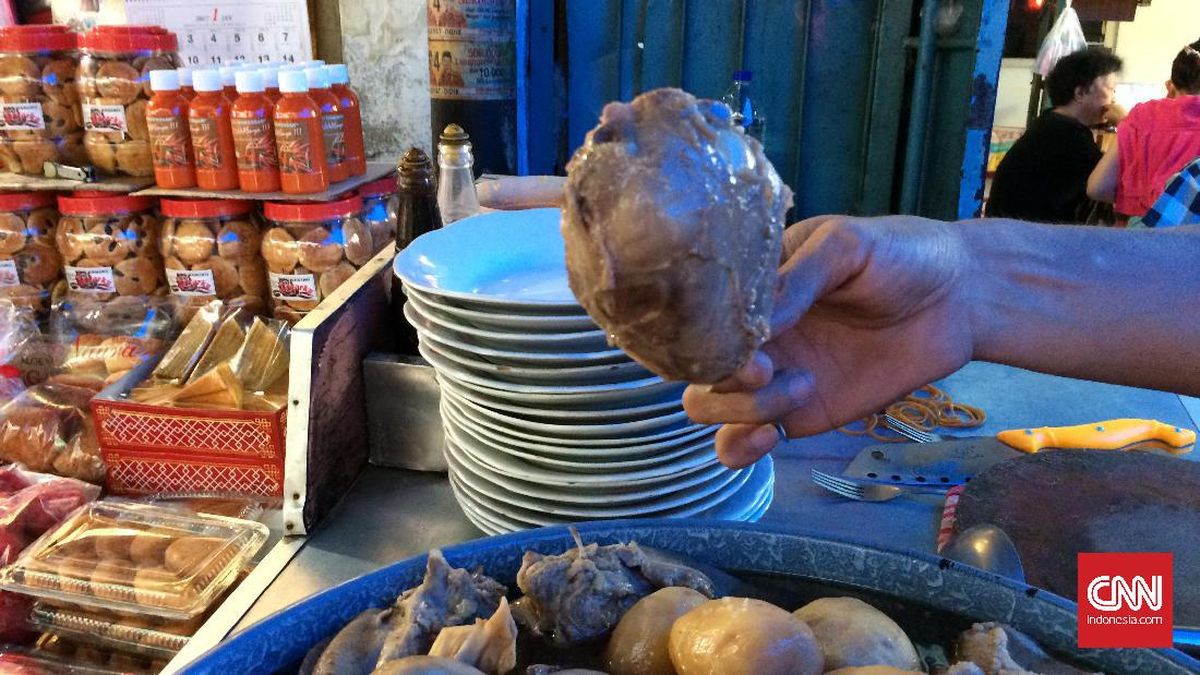
The festival will cater to a wide range of palates, with food offerings thoughtfully categorized into halal and non-halal sections. This ensures inclusivity and caters to the diverse dietary preferences of Jakarta’s cosmopolitan population. Visitors can expect to find an array of traditional Betawi delicacies, such as Soto Betawi, Gabus Pucung, Asinan Betawi, and the sweet Kembang Goyang, alongside the distinct flavors of Chinese-Indonesian cuisine that have become synonymous with Glodok, including various noodle dishes, dim sum, and stir-fried specialties.
To enhance the dining experience, the organizing committee has made provisions for visitor comfort. Ample seating, including tables and chairs, will be available along the sidewalks, allowing attendees to savor their meals on-site in a relaxed atmosphere. This thoughtful arrangement transforms the festival into more than just a marketplace; it becomes a communal dining experience, encouraging interaction and enjoyment.
Embracing Digital Transactions for Convenience
In an effort to streamline transactions and promote modern payment methods, the West Jakarta City Government has partnered with Bank Jakarta. This collaboration will facilitate digital payments through the Quick Response Code Indonesian Standard (QRIS) system. Attendees will have the convenience of making all their purchases using QRIS, eliminating the need to carry excessive cash and ensuring a seamless and secure payment process. This move aligns with Jakarta’s broader agenda of digital transformation and smart city initiatives, making the festival a reflection of contemporary urban living.
The adoption of QRIS is expected to not only benefit consumers by offering a faster and more convenient payment option but also to assist vendors by simplifying their sales tracking and financial management. For MSMEs, this digital integration can be a significant step towards formalization and improved business practices.
Entertainment and Traffic Management
Beyond the culinary delights, the festival is designed to be a holistic entertainment experience. Attendees can look forward to live stage performances and planned appearances by local artists, adding a festive ambiance to the evening. The vibrant energy of the performers, coupled with the tantalizing aromas of the food, will undoubtedly create an unforgettable atmosphere for all.
Recognizing the potential impact on traffic flow in a densely populated urban area, the DKI Jakarta Transportation Agency, in coordination with relevant authorities, has developed a comprehensive traffic management plan. This includes the regulation and diversion of traffic on several roads surrounding the Pecinan Glodok area. The objective is to ensure the smooth operation of the event while minimizing disruption to daily commutes and local businesses. Specific diversion routes and traffic advisories will be communicated closer to the event date to guide motorists.
Context and Significance of the Glodok Culinary Festival
The Glodok district, often referred to as Jakarta’s Chinatown, holds immense historical and cultural significance. Established during the Dutch colonial era, it has long been a center of trade, commerce, and cultural exchange. The area’s unique blend of Chinese and Betawi influences is deeply embedded in its architecture, traditions, and, most notably, its cuisine. Hosting a culinary festival here is a deliberate act of cultural preservation and promotion, highlighting the area’s enduring relevance in contemporary Jakarta.
The 499th anniversary of Jakarta provides a poignant occasion for such a celebration. Jakarta, a city with a rich and complex history, has evolved from a humble trading post to a sprawling megacity. Events like the Glodok Culinary Festival serve as a reminder of the city’s roots and the diverse communities that have shaped its identity. By focusing on local culinary traditions, the festival contributes to safeguarding intangible cultural heritage, ensuring that these time-honored recipes and flavors are passed down to future generations.
Furthermore, the emphasis on MSMEs aligns with national economic development goals. Supporting small businesses is crucial for job creation and inclusive growth. By providing a high-profile platform like the Glodok Culinary Festival, the government is investing in the potential of these entrepreneurs, enabling them to scale their operations and contribute more significantly to the local economy.
Broader Implications and Future Outlook
The success of the Glodok Culinary Festival could serve as a blueprint for future cultural and economic initiatives in other historic neighborhoods of Jakarta. By integrating tourism, cultural heritage, and local economic empowerment, such events can contribute to sustainable urban development. The festival has the potential to attract not only local residents but also domestic and international tourists, further boosting the city’s profile as a diverse and dynamic travel destination.
The digital payment integration through QRIS also has broader implications. It encourages wider adoption of cashless transactions, contributing to financial inclusion and a more efficient payment ecosystem. For the participating MSMEs, embracing such technologies can open doors to new markets and investment opportunities.
As Jakarta stands on the cusp of its 500th anniversary, events like the Glodok Culinary Festival are more than just celebrations; they are vital affirmations of the city’s identity, its resilience, and its vibrant future. They weave together the threads of history, culture, and community, creating a rich tapestry that defines the dynamic spirit of Indonesia’s capital. The anticipation is palpable, as residents and visitors alike prepare to embark on a gastronomic journey through the heart of Jakarta’s most storied district.