Bambang Pamungkas
Jakarta, CNBC Indonesia – Indonesia’s Minister of Youth and Sports (Menpora), Erick Thohir, has strongly encouraged the Indonesian Motor Association (IMI) to intensify its pivotal role in advancing the nation’s burgeoning sport tourism ecosystem. This directive comes as President Prabowo Subianto has underscored the critical importance of developing sport tourism as a strategic avenue to foster equitable economic growth across Indonesia. The call to action was made during the prestigious IMI Awards 2026 ceremony held on Wednesday, July 1, 2026, where Thohir emphasized the need for concerted efforts to maximize the economic impact of major sporting events.
"Certainly, Bapak President will seek even greater contributions from IMI for the automotive industry," Thohir stated during his address at the IMI Awards 2026, signaling a clear mandate for the association to expand its influence beyond traditional motorsport governance. This emphasis aligns with the national agenda to diversify economic drivers and capitalize on Indonesia’s rich potential for both domestic and international visitors.
Catalyzing Sport Tourism and Automotive Industry Growth
The Ministry of Youth and Sports (Kemenpora), under Thohir’s leadership, has already initiated collaborative efforts with the Ministry of Tourism and Creative Economy (Kemenparekraf) to meticulously catalog and plan major sporting events scheduled across Indonesia from the present until 2029. This strategic foresight aims to ensure that these events transcend mere government expenditure, instead generating tangible and sustainable economic growth that directly benefits the host regions and local communities. Thohir articulated a common concern, stating, "Because each country is vying for economic growth. This is why I am very pleased if IMI can be a part of building what we call sport tourism and the sport industry." His remarks highlight the competitive global landscape where nations are increasingly leveraging large-scale events to stimulate their economies.
Indonesia, an archipelago nation boasting diverse landscapes and a vibrant culture, possesses immense untapped potential in the realm of sport tourism. Global trends indicate a significant rise in travelers seeking experiences that combine leisure with sporting activities, whether as participants or spectators. According to recent reports from the World Tourism Organization (UNWTO), sport tourism is one of the fastest-growing segments within the global tourism industry, with an estimated annual growth rate often surpassing that of general tourism. For Indonesia, tapping into this market could unlock substantial revenue streams, create employment opportunities, and enhance regional development, particularly in areas with unique natural attractions or specialized sporting facilities. The government’s proactive stance, through the synergy between Kemenpora and Kemenparekraf, aims to streamline event planning, logistics, and promotion to ensure maximum economic yield and visitor satisfaction.
The Mandalika Model: A Blueprint for Success
A prime example of successful collaboration between Kemenpora and IMI is the ongoing organization of the MotoGP series at the Mandalika International Street Circuit in West Nusa Tenggara (NTB). Over the past few years, the Mandalika MotoGP has garnered significant international acclaim and attention, establishing itself as a premier destination on the global motorsport calendar. The economic ripple effect of each Mandalika MotoGP event is substantial, with reported economic turnover reaching an impressive Rp 4.9 trillion (approximately USD 320 million, subject to exchange rates). This figure underscores the immense financial benefits that major international sporting events can bring to local economies, permeating various sectors from hospitality and transportation to local commerce and small businesses.
Beyond direct financial gains, the MotoGP event in Mandalika has also proven instrumental in fostering and identifying local racing talent. The series has historically served as a launching pad for Indonesian riders, producing skilled athletes such as Doni Tata Pradita and, more recently, Veda Ega Pratama, who have gone on to represent Indonesia on international stages. This dual impact—economic prosperity and talent development—is precisely why MotoGP has achieved such widespread popularity and profound influence when hosted in Indonesia. The circuit, strategically located amidst stunning natural beauty, has transformed Mandalika into a global landmark, drawing investment and spotlighting Indonesia’s capability to host world-class events.
The success of Mandalika serves as a powerful case study for future sport tourism initiatives. It demonstrates that with robust planning, strategic investment, and effective collaboration between governmental bodies and private organizations like IMI, Indonesia can host events that not only entertain but also generate significant socio-economic benefits. The government’s vision is to replicate this success, leveraging other existing and planned facilities for various sports, thereby creating a nationwide network of sport tourism destinations.
President Prabowo’s Vision for Economic Self-Reliance
Erick Thohir further challenged IMI to actively contribute to the advancement of the national automotive industry. This involves expanding the utility of facilities like the Mandalika Circuit beyond just racing venues, transforming them into hubs for automotive industry development. The Minister highlighted President Prabowo Subianto’s strong emphasis on Indonesia achieving greater self-reliance, including in the critical automotive sector. This nationalistic economic agenda seeks to reduce dependence on imports, bolster local manufacturing capabilities, and foster innovation within the country.
Indonesia’s automotive industry is a significant contributor to its manufacturing sector and overall GDP. In 2023, the industry demonstrated robust growth, with vehicle production exceeding 1.4 million units and sales hovering around 1 million units, making Indonesia the largest automotive market in Southeast Asia. However, a significant portion of components and technology still relies on foreign suppliers. President Prabowo’s vision aims to enhance local content requirements, encourage domestic research and development, and foster an ecosystem where Indonesian-made vehicles and components can compete globally. By integrating the Mandalika Circuit into this broader vision, it could serve as a testing ground for locally developed vehicles, a training center for automotive technicians, or even a platform for showcasing Indonesian automotive innovation to the world. This strategic pivot would transform the circuit from a mere sports facility into a multifaceted industrial asset.
"When we talk about economic growth, we must also look at the potential for new economic growth. Yes, we talk about resources, we talk about industry. But no less important are tourism and the economy, one of which is events," Thohir elaborated. His statement encapsulates the interconnectedness of various economic sectors and the potential for synergistic growth when major events are strategically leveraged. This holistic approach recognizes that sustainable economic development requires a multi-pronged strategy that integrates traditional industries with emerging sectors like sport tourism.
IMI Awards 2026: Nurturing National Talent
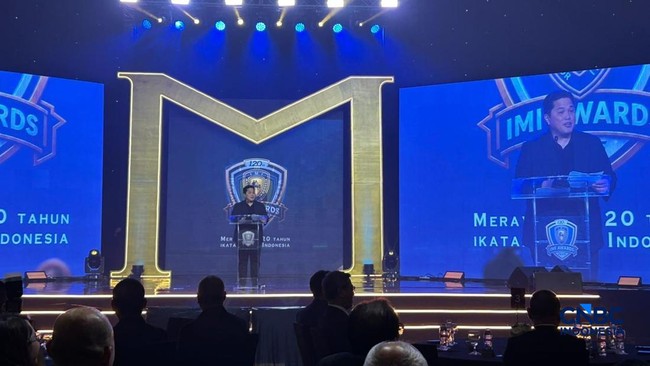
The IMI Awards 2026, which served as the backdrop for Menpora Thohir’s address, is a testament to the Indonesian Motor Association’s commitment to supporting national sports and the automotive industry. Moreno Soeprapto, Chairman of IMI, emphasized that the awards serve as a crucial platform for recognizing and appreciating the dedication and achievements of talented individuals who have strived throughout the year to become national champions. "I used to chase points to get the national championship title. Waiting to be called to the stage, tidying up to receive the national champion trophy, and they are our next generation," Soeprapto reminisced, highlighting the personal significance of such recognition for athletes.
The IMI Awards 2026 is more than just a celebratory event; it is a vital moment for racing athletes and key figures in the automotive sector, providing motivation and acknowledging their hard work. By celebrating these achievements, IMI aims to inspire a new generation of motorsports enthusiasts and professionals. This commitment to nurturing talent is crucial for Indonesia’s long-term success in both national and international competitions.
Soeprapto expressed his hope that the award recipients would continue to elevate Indonesia’s reputation on the international stage through their accomplishments. He proudly noted that Indonesia already boasts highly skilled and talented racers capable of competing globally. The presence of such events underscores IMI’s continuous and optimal contribution to the advancement of national racing and the broader automotive industry. The awards ceremony itself serves as a powerful networking platform, bringing together athletes, team owners, sponsors, and government officials, fostering a stronger, more cohesive motorsports community.
Broader Economic Implications and Strategic Outlook
The integrated vision put forth by Menpora Erick Thohir, with the full backing of President Prabowo Subianto, carries significant implications for Indonesia’s economic future. By strategically developing sport tourism and bolstering the national automotive industry, Indonesia stands to gain on multiple fronts.
Firstly, job creation will be a direct outcome. Major sporting events require extensive planning, execution, and support, generating employment opportunities in event management, hospitality, transportation, security, and retail. Similarly, a burgeoning automotive industry, focused on local production, will create jobs in manufacturing, engineering, research and development, and supply chain management.
Secondly, infrastructure development will receive a significant boost. The hosting of international events often necessitates upgrades to existing infrastructure and the construction of new facilities, including roads, airports, public transportation, and telecommunications networks. These improvements benefit not only event attendees but also local communities, enhancing connectivity and quality of life.
Thirdly, the initiatives will significantly enhance Indonesia’s national brand and international image. Successfully hosting world-class sporting events and developing a robust domestic automotive industry projects an image of a dynamic, capable, and economically progressive nation, attracting further foreign investment and tourism.
However, realizing this ambitious vision will not be without its challenges. Funding remains a critical aspect, requiring a balance between government investment and private sector participation. Logistical complexities in managing large-scale events across an archipelago demand meticulous planning and coordination. Ensuring sustainability – both environmental and economic – is paramount to prevent events from becoming short-term boosts without lasting benefits. The critique of "government spending" without proportional economic growth highlights the need for rigorous impact assessments and equitable distribution of benefits.
Global Trends in Sport Tourism and Indonesia’s Position
Globally, sport tourism has evolved beyond just major spectacles like the Olympics or FIFA World Cup. It now encompasses a wide array of niche sports, adventure tourism, and mass participation events. Countries worldwide are investing heavily in facilities and marketing to attract these diverse segments. For instance, countries like New Zealand have excelled in adventure sports tourism, while various European nations leverage their rich sporting heritage to attract visitors. The Asia-Pacific region, with its growing middle class and increasing interest in sports, is a key growth area for sport tourism.
Indonesia, with its vast geographical diversity – from pristine beaches perfect for surfing and diving to volcanic mountains ideal for trekking and trail running – is uniquely positioned to capture a significant share of this market. Beyond motorsports, there is potential for developing surf competitions in areas like Bali and Lombok, marathon events in scenic locations, cycling tours through lush landscapes, and even niche sports like traditional martial arts festivals. The government’s mapping of events until 2029 is a crucial step in strategically aligning these diverse offerings with international demand.
The Path Forward: Collaboration and Sustainable Growth
The path forward for Indonesia’s sport tourism and automotive industry will require sustained and deepened collaboration between various stakeholders: government ministries, industry associations like IMI, local governments, private investors, and local communities. The emphasis on avoiding mere "government spending" and instead fostering genuine local economic growth is a wise principle that should guide all future initiatives. This means prioritizing local procurement, employing local talent, and ensuring that benefits trickle down to grassroots levels.
Ultimately, Menpora Erick Thohir’s message, echoed by President Prabowo’s national economic agenda, is a clear call for Indonesia to maximize its inherent potential. By strategically developing its sport tourism assets and fostering a self-reliant automotive industry, Indonesia can create new engines of growth, elevate its global standing, and provide a more prosperous and equitable future for its citizens. The IMI Awards 2026 serves not just as an acknowledgment of past achievements but as a powerful symbol of commitment towards this ambitious and transformative national vision.