Tyo Susilo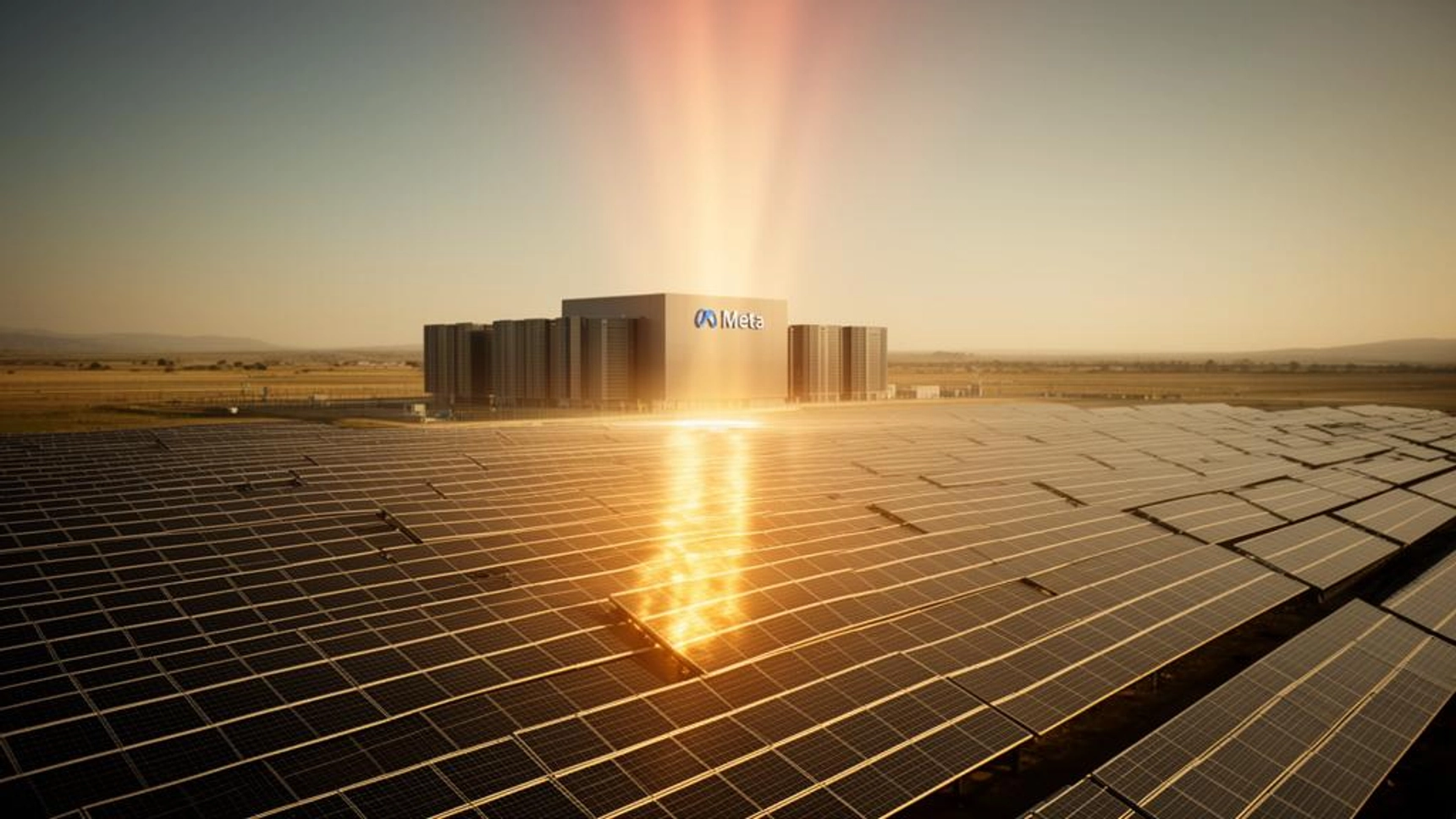
The relentless surge in demand for energy to power artificial intelligence (AI) data centers has prompted Meta Platforms, Inc. to explore groundbreaking and unconventional solutions, including the ambitious concept of harvesting solar energy directly from space. This initiative arises from the growing strain that AI’s substantial electricity consumption is placing on terrestrial power grids across various regions. The sheer scale of AI operations necessitates a paradigm shift in how energy is sourced and delivered, pushing even established tech giants to consider futuristic technologies.
The Vision: Orbital Solar Farms and Terrestrial Power Grids
Meta’s audacious plan involves strategically positioning satellites in geostationary orbit, approximately 22,000 miles above Earth. From this vantage point, these orbital power stations would have near-constant access to solar radiation, unaffected by the diurnal cycle of day and night or the vagaries of terrestrial weather patterns. This continuous availability of solar energy presents a significant advantage over traditional ground-based solar farms, which are inherently intermittent.
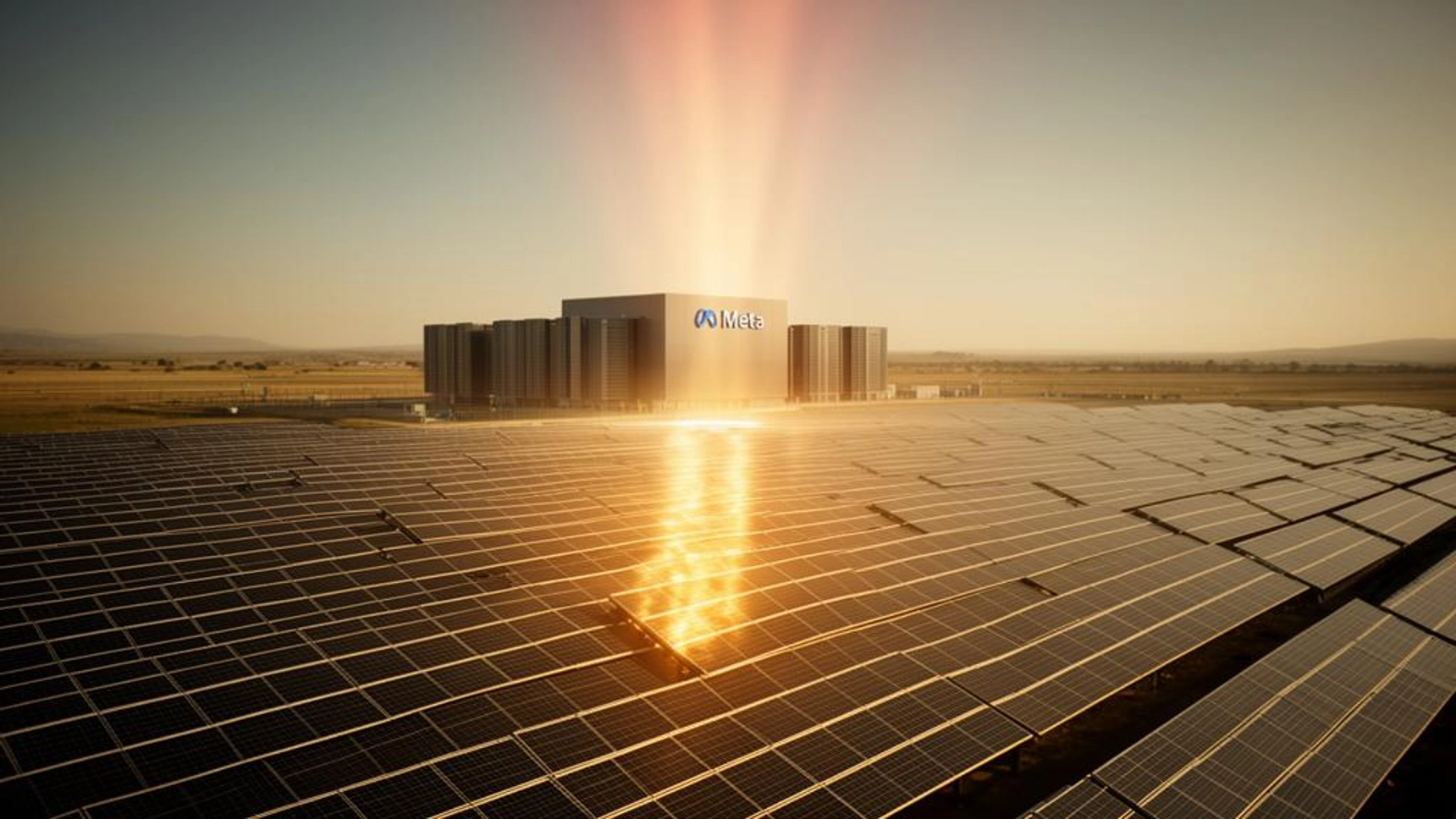
The captured solar energy would then be transmitted to Earth. While the specifics of the transmission method are still being developed, the current concept outlines the energy being converted into low-intensity infrared beams. These beams would then be received by specialized ground-based facilities. These facilities would be engineered to seamlessly integrate with existing solar farm infrastructure, effectively creating a hybrid system. The goal is to enable solar power generation to operate around the clock, overcoming the limitations of darkness and adverse weather, thereby ensuring a stable and uninterrupted power supply for Meta’s burgeoning AI data centers.
Strategic Partnerships and Timelines
To bring this ambitious vision to fruition, Meta has reportedly partnered with Overview Energy for the orbital solar collection aspect of the project. The initial phase of this collaboration aims to deploy a system with a capacity of up to 1 gigawatt (GW). If development progresses as planned, Meta anticipates conducting its first test of this orbital solar energy technology in 2028. Commercial deployment is tentatively scheduled to commence around 2030, marking a significant milestone in the practical application of space-based energy generation.
Beyond the generation of clean energy, Meta is also addressing another critical challenge for renewable energy sources: energy storage. The company is collaborating with Noon Energy on an advanced energy storage system designed to hold an immense capacity of up to 100 gigawatt-hours (GWh). Noon Energy’s technology is reported to be capable of storing energy for over 100 hours, a duration far exceeding the capabilities of conventional battery systems. This long-duration storage solution is crucial for buffering the inherent variability of renewable energy sources like solar and wind, ensuring a consistent power flow to data centers even during extended periods of low generation.
The Growing Energy Demands of AI
The need for such innovative energy solutions is underscored by the exponential growth of AI. Training complex AI models, particularly large language models and sophisticated machine learning algorithms, requires vast computational power. This computational power translates directly into significant energy consumption. According to recent industry analyses, the energy demand for AI is projected to rise dramatically in the coming years. Some estimates suggest that the global energy consumption of AI could reach hundreds of terawatt-hours (TWh) annually, potentially rivaling the electricity usage of entire countries.
For instance, a single large AI model training session can consume as much energy as hundreds of households use in a year. As AI becomes more pervasive, integrated into everything from cloud computing services to consumer devices, the cumulative energy footprint will only intensify. This escalating demand poses a considerable challenge to existing energy infrastructure, which may not be equipped to handle such a concentrated and growing load, especially when relying solely on conventional power sources.
Broader Industry Trends in Sustainable Energy for Tech
Meta is not an isolated entity in its pursuit of sustainable and robust energy solutions for its data center operations. Many major technology companies are actively seeking to secure substantial and clean energy supplies to fuel their expansions, particularly in the AI domain. These efforts span a range of renewable and low-carbon sources, including nuclear power, geothermal energy, and increasingly, innovative solar technologies.
Industry reports indicate that Meta has already committed to procuring over 30 GW of clean energy to support its future AI expansion. This proactive approach reflects a growing awareness within the tech sector of the environmental and operational risks associated with relying on fossil fuels or an overstretched grid. The sheer scale of energy required for AI development and deployment necessitates a strategic and diversified approach to energy procurement and generation.

The History and Future of Space-Based Solar Power
The concept of harvesting solar energy from space is not new; it has been a subject of scientific inquiry and speculative engineering for decades. Early proposals date back to the mid-20th century, with initial feasibility studies conducted by luminaries like Peter Glaser in the 1960s. These early visions envisioned massive orbiting solar arrays transmitting energy wirelessly to Earth. However, the technological challenges, particularly in terms of launch costs, satellite construction, energy transmission efficiency, and beam control, were considered insurmountable for a long time.
Recent advancements in rocket technology, materials science, robotics, and wireless power transfer have begun to make these once-fantastical ideas more attainable. The development of reusable rockets has significantly reduced the cost of launching payloads into orbit, a critical factor for the economic viability of large-scale space infrastructure. Furthermore, breakthroughs in solar cell efficiency and advanced power beaming technologies are paving the way for more practical and cost-effective implementation.
Meta’s project, if successful, could serve as a pivotal demonstration of the commercial viability of space-based solar power. This undertaking represents a significant step beyond theoretical discussions and small-scale experiments, aiming for a utility-scale application. The potential implications are far-reaching:
- Global Energy Security: A network of orbital solar power stations could provide a consistent and reliable source of energy, less susceptible to geopolitical disruptions or localized weather events that can impact terrestrial energy supplies.
- Decarbonization Efforts: Space-based solar power offers a path to generating vast amounts of clean energy, significantly contributing to global efforts to combat climate change by reducing reliance on fossil fuels.
- New Economic Opportunities: The development and deployment of such technology would spur innovation and create new industries, from satellite manufacturing and launch services to ground-based energy reception and distribution.
- Powering Remote Locations: This technology could potentially be used to deliver power to remote or underserved regions on Earth, overcoming the challenges of traditional grid infrastructure.
Analysis of Challenges and Potential Impact
Despite the promising outlook, the Meta project faces significant hurdles. The technical complexities of building, launching, and maintaining large satellite constellations capable of generating gigawatts of power are immense. Ensuring the safety and precision of energy beaming to Earth, preventing any unintended environmental impacts, and establishing robust regulatory frameworks will be critical. The initial investment required for such an endeavor is also substantial, necessitating long-term commitment and confidence in the technology’s eventual return on investment.
However, the sheer scale of Meta’s ambition underscores the urgency and magnitude of the energy challenges posed by the AI revolution. As AI continues to integrate into every facet of modern life, the demand for clean, reliable, and abundant energy will only grow. Meta’s foray into space-based solar power, alongside its efforts in long-duration energy storage, represents a bold vision for powering the future. If successful, this initiative could not only secure Meta’s AI infrastructure but also redefine the landscape of global energy production and consumption, ushering in a new era of orbital energy solutions. The world will be watching closely as this pioneering project unfolds, potentially charting a new course for sustainable technological advancement.