Lina Irawan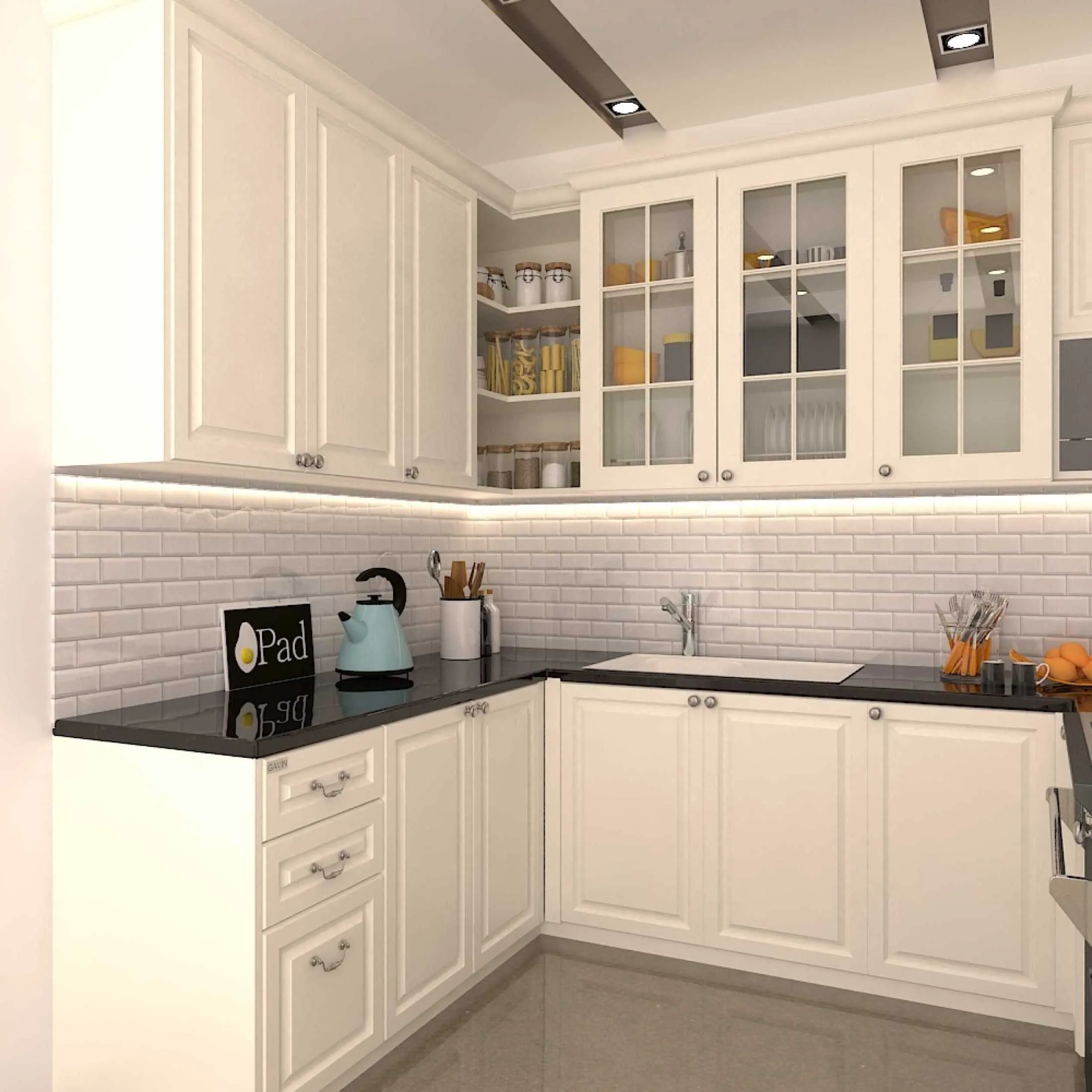
The concept of a minimalist kitchen set, championed by design authorities like InteriorDesign.ID, is fundamentally rooted in optimizing spatial function and practicality without compromising visual appeal. Its defining characteristics include sleek, closed cabinetry crafted from lightweight materials, a preference for neutral color palettes, and the seamless integration of electronic appliances within the furniture framework. This design philosophy inherently fosters a cooking area free from clutter, where storage systems are meticulously planned from inception, facilitating effortless movement during meal preparation. Far from dictating the discard of cherished cooking tools, minimalism encourages a thoughtful reorganization, ensuring every item possesses a designated, accessible spot.
InteriorDesign.ID recognizes that contemporary kitchens must fluidly adapt to the daily routines of homeowners. The minimalist paradigm precisely addresses this demand through enhanced practical mobility, a critical factor in today’s fast-paced lifestyles. This comprehensive guide will explore the process of establishing such a kitchen from the ground up, delving into material specifications, strategic layout options, and the broader implications for modern living.
The Compelling Case for Minimalist Kitchen Design
A congested kitchen often deters culinary enthusiasm. Minimalist design strips away superfluous decorative elements, recalibrating the kitchen to its core function, thereby creating an expansive and comfortable workspace. This approach offers several distinct advantages that resonate with contemporary homeowner needs.
Maximizing Limited Space Efficiency
Modern homes and apartments frequently feature kitchens with constrained footprints. Minimalist design inherently compels an efficient utilization of both vertical and horizontal dimensions. A common strategy employed by interior designers involves extending cabinetry to the ceiling, effectively maximizing storage capacity. This not only significantly increases storage volume but also eliminates the dust-collecting void typically found above conventional cabinets. Larger appliances, such as microwaves or water dispensers, can be discreetly integrated into custom cabinets, preserving an uncluttered visual plane. This spatial optimization is particularly crucial in urban areas where real estate is at a premium; reports from the National Association of Home Builders indicate that average kitchen sizes have shrunk by approximately 10-15% in new apartment constructions over the past decade, underscoring the urgent need for intelligent design solutions.
Expediting Cleaning and Maintenance Regimes
Kitchens are inherently prone to moisture and grease splatters. Intricate designs featuring numerous curves, moldings, or ornate wooden carvings can transform the cleaning process into a tedious and time-consuming chore. Minimalist kitchen sets, characterized by their flat and smooth cabinet surfaces, significantly streamline this task. A simple wipe-down with a damp microfiber cloth suffices to remove cooking residues. The absence of narrow crevices and decorative embellishments means dirt and grease have fewer opportunities to accumulate, reducing the frequency and intensity of deep cleaning. This ease of maintenance contributes significantly to the overall hygiene and longevity of the kitchen space.
Enhancing Long-Term Property Value
A well-organized and highly functional kitchen exerts a substantial positive influence on property valuation. Prospective buyers typically scrutinize the condition and design of the kitchen area with meticulous attention. Minimalist designs, with their timeless aesthetic, possess inherent longevity and resist rapid obsolescence. The harmonious blend of neutral color schemes and high-quality materials ensures the kitchen remains relevant and appealing across evolving home design trends, offering a robust return on investment. According to a 2023 Houzz & Home study, kitchen renovations consistently yield one of the highest returns on investment in home improvements, with modern, functional designs being particularly attractive to buyers.
Design Clinic: The Kitchen Set as an Integrated Spatial Element
A prevalent error during kitchen renovation is the perception of the kitchen set merely as a collection of wooden cabinets affixed to a wall. In reality, this critical element should be seamlessly integrated with the architectural structure of the room. InteriorDesign.ID’s approach emphasizes positioning the kitchen set in harmony with the floor color, ceiling height, window placement, and natural light ingress. This holistic planning prevents the cabinets from appearing as an afterthought or a "forced" addition to the space.

Harmonizing with the Dining Area
The contemporary trend of open-plan living often involves dismantling barriers between the kitchen and dining areas. An open kitchen layout necessitates a meticulously designed kitchen set that visually balances with adjacent dining tables or living room furniture. The cabinet colors should complement the surrounding furnishings, creating a cohesive aesthetic. The transition in flooring from the "wet" kitchen zone to the dining area must be executed with natural fluidity. Elements like kitchen islands or peninsulas can serve a dual purpose: providing additional prep space while also acting as a subtle visual demarcation between the two interconnected zones. This trend reflects a broader shift towards communal living spaces, where the kitchen is no central to social interaction.
Coordinating with Flooring and Ceiling Aesthetics
Prior to selecting cabinet finishes, a thorough evaluation of the existing flooring color is essential. For instance, if the floor features busy patterned ceramics, opting for plain cabinet door colors will create visual balance. Conversely, exposed concrete or wood-grain vinyl flooring can be beautifully paired with bold cabinet colors such as navy or emerald green. Attention must also be paid to the ceiling line. Wall-mounted cabinets installed flush with the ceiling create a clean, unbroken vertical line, fostering an illusion of increased room height and contributing to a streamlined, modern look.
Preserving the Essential Work Triangle
While visual aesthetics are paramount, the design must never compromise functional efficiency. The fundamental "work triangle" – comprising the refrigerator (storage zone), sink (washing zone), and stove (cooking zone) – must be meticulously maintained. The distances between these three critical points must be optimal: neither so far apart as to induce fatigue from excessive movement, nor so close as to impede comfortable operation. A smooth, unobstructed circulation path significantly reduces physical strain, especially during extensive cooking sessions. Ergonomic guidelines suggest that the sum of the three legs of the work triangle should ideally be between 4 to 8 meters for maximum efficiency.
Key Elements of Minimalist Kitchen Set Interior Design
The selection of materials and cabinet finishes is pivotal in determining the durability and aesthetic longevity of a kitchen. A careful balance between budget constraints and material specifications is crucial for a successful outcome.
Durable and Pest-Resistant Materials
The cabinet frame serves as the structural backbone of the kitchen. Utilizing standard particle board is ill-advised due to its susceptibility to damage from moisture exposure, which can lead to rapid deterioration. A superior choice for internal framing is plywood (multiplek) or melamine-laminated blockboard. These materials offer stable screw retention and resistance to warping, even when supporting heavy cookware. For homes prone to termite infestations, uPVC board or aluminum sheeting provides a guaranteed long-term solution, offering years of maintenance-free performance. The initial investment in high-quality structural materials significantly reduces future repair and replacement costs.
Neutral Colors for Compact Kitchens
Light colors possess superior light-reflecting properties, making compact spaces feel considerably more expansive. White, cream, or light grey are universally safe choices for small kitchens. To mitigate a sterile, clinical appearance, these neutral tones can be complemented with light wood grain patterns, reminiscent of Scandinavian design. If a darker aesthetic is desired, it is advisable to confine darker hues to the base cabinets, preserving brighter colors for the upper wall cabinets to maintain an open and airy feel.
Backsplash: Protection and Aesthetic Accent
The backsplash, the wall area situated between the lower and upper cabinets, serves the dual purpose of protecting the wall from hot oil splatters and liquid spills, while also offering an opportunity for visual variation within the room. Materials such as subway tiles, tempered glass, or mosaic tiles are popular choices. The selection of materials with smooth surfaces and minimal grout lines is recommended, as fewer seams mean fewer opportunities for stubborn stains and grime to accumulate, simplifying cleaning.
Robust and Visually Appealing Countertops
The kitchen countertop endures the most rigorous daily treatment, subjected to chopping, hot pots, and sharp utensils. Solid Surface or engineered quartz are excellent choices due to their non-porous nature, which renders them highly stain-resistant. Natural granite also offers exceptional heat resistance and durability, though it requires periodic re-sealing (coating) to prevent discoloration from absorbed spills like coffee. The choice of countertop material not only impacts durability but also contributes significantly to the overall aesthetic and feel of the kitchen.

Strategic Layouts Tailored to Room Dimensions
The placement of cabinets must be meticulously coordinated with the room’s dimensions and the location of entryways. An ill-conceived layout can severely disrupt the workflow and overall functionality of the kitchen.
Single-Line (Galley) Layout
This configuration arranges the sink, preparation area, and stove in a single line along one wall, making it an ideal solution for studio apartments or compact living spaces due to its significant floor space economy. This layout generally requires less framing material, translating into lower costs. However, its primary drawback is the extended travel distance, requiring frequent back-and-forth movement. To optimize efficiency, positioning the sink centrally between the refrigerator and stove can help balance workflow. This layout is particularly popular in minimalist designs for its simplicity and efficiency.
L-Shape Corner Layout
The L-shape configuration utilizes two intersecting walls, making it highly adaptable to various room types. This layout naturally segregates wet and dry zones, providing ample workspace. It allows for multiple users to comfortably operate within the kitchen simultaneously, such as one person cooking while another prepares coffee. The often-awkward corner space can be efficiently maximized with specialized storage solutions like rotating shelves (lazy Susans) or pull-out systems, ensuring no space is wasted.
U-Shape Three-Sided Layout
For those who frequently engage in extensive cooking and require abundant storage, the U-shape layout is an optimal choice, offering work surfaces on three sides. This design provides a generous allocation of drawers and wall cabinets. Crucially, the central aisle clearance must be at least 120 centimeters to ensure that opposing cabinet doors can be opened simultaneously without obstruction, maintaining smooth circulation. This layout is often seen in larger homes and provides the most comprehensive workspace.
The Versatility of a Kitchen Island
A kitchen island, freestanding in the center of the room, instantly elevates the practicality and aesthetic appeal of a kitchen. Its surface can serve as an additional prep area for baking or as a casual breakfast bar. However, it is imperative to ensure sufficient surrounding floor space to prevent the island from becoming an impediment to movement. If space is severely limited, a peninsula, which connects to a wall or the main cabinet run, offers a space-saving alternative, providing similar benefits without obstructing traffic flow.
Smart Storage Solutions for a Clutter-Free Environment
A truly organized kitchen stems from disciplined item placement. Modern pull-out mechanisms and innovative hardware now make it effortless to access even the deepest recesses of cabinets.
Ceiling-Height Upper Cabinets
Extending wall cabinets to meet the ceiling eliminates the unproductive space above, which typically accumulates dust and clutter. This design choice dramatically increases storage capacity. While the highest shelves may necessitate a step stool for access, they are ideal for storing infrequently used items, such as seasonal bakeware or holiday serving dishes. This approach maximizes vertical real estate, a hallmark of minimalist design.
Pull-Out Drawers and Corner Solutions
Replacing conventional swing doors with pull-out drawer systems beneath the countertop allows for an immediate overhead view of contents, eliminating the need to stoop. Drawers equipped with tandem box or soft-close full-extension slides can reliably support heavy pots and pans without sagging. For L-shaped cabinets, the often-underutilized corner space can be transformed with "magic corner" pull-out systems, where shelves slide out to bring contents forward with a simple swing of the door. This ingenuity ensures every inch of storage is accessible and functional.

Metal Rails for Utensil Organization
In the heat of cooking, instant access to tools like spatulas or ladles is essential. Storing them in drawers can impede efficiency. Installing a metal rail system beneath wall cabinets allows kitchen scissors, ladles, and other frequently used utensils to be neatly hung in a row. Choosing utensils with uniform handles (e.g., all stainless steel) maintains visual harmony, preventing the hanging items from detracting from the kitchen’s minimalist aesthetic.
Functional Kitchen Lighting Techniques
Kitchens demand a higher intensity of illumination compared to bedrooms. A single overhead light often casts shadows, particularly when working over a cutting board. Effective kitchen lighting integrates multiple light sources, each serving a distinct functional purpose.
Task Lighting for Work Areas
Task lighting directly illuminates specific work zones such as the cutting board and stovetop. LED strip lights installed beneath wall cabinets provide focused, shadow-free illumination, enhancing visibility for intricate tasks like chopping vegetables. Opting for a neutral or cool daylight temperature (approximately 4000 Kelvin) ensures accurate perception of food colors and textures. This targeted lighting is crucial for safety and precision in the kitchen.
Ambient Lighting for Overall Illumination
Ambient lighting provides uniform illumination throughout the entire kitchen space. Recessed downlights integrated into a gypsum ceiling are an excellent choice, with their spacing carefully calibrated to prevent dark corners. For an industrial aesthetic, track lighting with adjustable spotlights can be arrayed, ensuring sufficient light penetrates traffic pathways to prevent accidents, especially during nighttime excursions for water.
Accent Lighting for Visual Impact
Accent lighting is purely aesthetic, designed to highlight architectural features or create a specific mood. Warm yellow LED strips discreetly placed at the toe-kick level of base cabinets can create a floating effect, making the kitchen set appear to hover above the floor. Pendant lights with unique shades, suspended above a kitchen island, can serve as a focal point, reinforcing the overall interior design character of the room. The strategic use of accent lighting adds depth and personality to the minimalist space.
Seamless Integration of Electronic Appliances
Traditional kitchens often feature awkward gaps around standalone refrigerators or countertop ovens. Minimalist design addresses these aesthetic inconsistencies by seamlessly integrating electronic appliances directly into the custom cabinetry.
Built-in Hobs and Integrated Range Hoods
Built-in hobs eliminate the bulky profile of conventional stoves, concealing gas lines within the lower cabinetry. To prevent cooking odors from permeating adjacent living areas, a powerful range hood (cooker hood) is installed directly above the hob. Modern range hoods offer slim profiles and ducting systems that can be discreetly hidden within upper cabinets, maintaining the clean lines characteristic of minimalist design. This integration is vital for maintaining indoor air quality, a growing concern in modern homes.
Integrated Refrigerators and Oven Towers
Large double-door refrigerators are often encased within tall, custom-built wooden towers (tall cabinets), ensuring their surfaces align flush with other cabinet doors. Microwaves and convection ovens can also be relocated to these integrated towers, ideally positioned at chest height. This ergonomic placement eliminates the need for excessive bending when loading or unloading hot baking trays, enhancing user comfort and safety. The market for integrated appliances has seen significant growth, with a compound annual growth rate (CAGR) of 5.8% projected for the coming years, reflecting their increasing popularity in modern kitchen design.

Cost Estimation and Budget Management
Accurate cost estimation per linear meter is crucial for effective budget distribution. Custom carpentry workshops typically calculate costs using the linear meter method, distinct from floor area measurements.
Understanding Linear Meter Calculation
The cost of wall cabinets, base cabinets, and countertop cladding is calculated separately. For plywood frames with HPL (High-Pressure Laminate) finishes, prices typically range from IDR 1,500,000 to IDR 2,500,000 per linear meter. For a smooth, seamless duco paint finish, expect to budget between IDR 2,500,000 and IDR 4,000,000 per linear meter. These figures generally cover the wooden framework only, excluding the sink, stove, or soft-close hinges. It is essential to obtain detailed quotations that itemize all components to avoid hidden costs.
Navigating Budget Constraints
For projects with limited budgets, prioritize the structural integrity of the base frame, particularly for areas prone to moisture exposure like the sink cabinet, where durable plywood is paramount. The exterior can be finished with standard HPL that mimics natural wood grain, offering an aesthetic appeal without the premium cost. Instead of expensive marble, standard solid surface countertops provide excellent durability against impacts. Opting for conventional swing doors with standard hinges instead of costly hydraulic drawer systems can also yield significant savings without compromising core functionality. Strategic material selection and a phased approach can help manage costs effectively.
Common Mistakes to Avoid During Kitchen Set Construction
Errors in appliance placement can lead to costly rework. Addressing these critical factors early in the planning process is vital.
Inadequate Air Circulation
Positioning the stove too far from a window can result in a stuffy kitchen, especially without a high-quality range hood. Cooking vapors and grease will gradually permeate fabrics and furnishings in adjacent rooms. Always ensure there is ample fresh air exchange around the cooking area, ideally through natural ventilation or a robust mechanical exhaust system. Poor ventilation can also negatively impact indoor air quality (IAQ) and lead to mold growth.
Insufficient Electrical Outlets
The proliferation of kitchen gadgets necessitates a robust electrical infrastructure. Relying on just two power outlets for an entire kitchen is impractical in the modern era. Plan for dedicated outlets for the refrigerator, stove, oven, and at least two additional outlets in the main work area to accommodate various small appliances. Future-proofing your kitchen with extra outlets can save significant hassle and expense down the line. Electrical safety standards (e.g., NFPA 70 in the US, IET Wiring Regulations in the UK) provide guidance on the number and placement of outlets.
Ergonomically Incorrect Countertop Height
The height of the kitchen countertop must be tailored to the user’s stature. Standard countertop heights typically range from 85-90 centimeters from the floor. A countertop that is too low can lead to back strain, while one that is too high can make chopping uncomfortable. The ideal depth for a countertop is generally 60 centimeters, while wall cabinets should be positioned 30-35 centimeters deep to prevent head collisions with open cabinet doors. Consulting ergonomic guidelines or having a custom fitting can significantly enhance user comfort and prevent long-term physical discomfort.
Current Trends in Minimalist Kitchen Sets
The minimalist aesthetic is subtly evolving, shifting from rigid, stark white boxes towards warmer, more inviting spaces that resonate with the homeowner’s lifestyle.

Calming Matte Surfaces
Glossy, reflective cabinet surfaces are gradually being supplanted by muted, matte finishes. Matte surfaces do not reflect harsh glare from overhead lighting, creating a softer, more sophisticated look. Newer matte finishes also boast enhanced smudge and fingerprint resistance, simplifying daily cleaning and maintaining a pristine appearance. This trend reflects a preference for understated luxury and tactile comfort.
Handle-less Flat Facades
To mitigate the risk of clothing snagging in narrow kitchen passages and to achieve a truly seamless aesthetic, traditional metal handles are increasingly being eliminated. They are replaced by subtle inclined grooves carved into the cabinet doors (J-pull handles) or push-to-open hinge mechanisms. This handle-less design not only enhances safety and creates an uninterrupted visual plane but also reduces areas where dust and grime can accumulate, further simplifying maintenance.
Integration of Light Wood Elements
A fusion of Scandinavian and Japanese interior design (Japandi) is gaining prominence. The dominance of solid white or light grey is now frequently softened by the introduction of light wood tones, such as sungkai or oak. These natural wood elements are incorporated through vinyl flooring, island countertops, or simple floating shelves, injecting warmth and an organic texture into the minimalist space. This biophilic design approach connects inhabitants with nature, promoting a sense of calm and well-being.
Expert Insights on Kitchen Set Planning
Practical considerations often arise before committing to material orders. Here are answers to common questions.
How long does the custom kitchen set fabrication process take?
The initial design conceptualization and drafting typically span 1-2 weeks. Once the design is approved, the fabrication and cutting of materials in the workshop require 2-4 weeks. Final on-site installation at your home is generally completed within 3-7 working days, depending on complexity.
Can a small kitchen accommodate a kitchen island?
It is generally inadvisable to force a kitchen island into a small space if it leaves less than 90 centimeters of clear walkway on all sides. A peninsula, connected to a wall or the main cabinet run, offers a more suitable alternative, preserving ample movement space without compromising functionality.
What is the most durable material for the sink base cabinet frame?
The area beneath the sink is most vulnerable to moisture and soap spills. It is highly recommended to line the interior wood frame with thin aluminum sheeting or to construct this section using uPVC board, which is entirely impervious to water damage and rot. This preventative measure significantly extends the lifespan of the cabinet.
Conclusion
The comfort and efficiency of a kitchen are primarily derived from disciplined storage management and thoughtful design, rather than merely expensive external finishes. The meticulous placement of cabinets to suit user height, combined with optimal task lighting over preparation areas, will significantly streamline daily routines. Careful calculation of floor circulation distances ensures the kitchen remains comfortably navigable even when multiple individuals are engaged in cooking activities. Diligent planning and adherence to best practices are crucial not only for creating a highly functional and aesthetically pleasing minimalist kitchen but also for safeguarding your renovation budget from unforeseen overruns. Embracing minimalist principles in kitchen design is an investment in both lifestyle quality and property value, promising a serene and efficient culinary sanctuary.