
 Chalifah Fatihah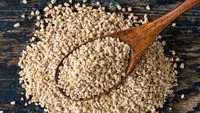
Maintaining a healthy cardiovascular profile is a lifelong pursuit that often conjures images of restrictive eating plans, flavorless meals, and rigorous dietary exclusions. However, modern nutritional science and health advocacy suggest that managing vital physiological markers, such as blood cholesterol, does not require drastic lifestyle overhauls. Instead, sustainable cardiovascular wellness often begins with micro-adjustments to daily routines, starting with the very first meal of the day. By focusing on nutrient-dense options that introduce targeted components like soluble fiber, individuals can effectively support heart health without sacrificing the enjoyment of eating.
Cardiovascular disease remains a leading global health concern, heavily influenced by lifestyle factors including diet, physical activity, and stress management. Central to this clinical picture is the management of low-density lipoprotein (LDL) cholesterol, frequently termed "bad" cholesterol. Elevated levels of LDL cholesterol are directly correlated with the progressive accumulation of fatty plaques within arterial walls—a pathological process known as atherosclerosis. Over extended periods, this arterial narrowing restricts blood flow and significantly increases the clinical risk of coronary artery disease, myocardial infarction, and cerebrovascular accidents. Consequently, medical and nutritional professionals continually emphasize preventative strategies aimed at mitigating LDL accumulation before clinical interventions become necessary.
Among the most thoroughly researched and accessible dietary components for managing LDL cholesterol is soluble fiber. Unlike insoluble fiber, which primarily aids in gastrointestinal motility, soluble fiber dissolves in water to form a gel-like substance during digestion. This viscous matrix plays a critical role in lipid metabolism by binding to cholesterol-rich bile acids in the small intestine, facilitating their excretion from the body rather than allowing them to be reabsorbed into the bloodstream. To compensate for the loss of these bile acids, the liver is forced to extract circulating cholesterol from the blood, thereby lowering overall serum LDL concentrations.
A premier source of this beneficial dietary component is oat-based nutrition, which features a specific type of soluble fiber known as beta-glucan. Clinical studies consistently demonstrate that regular consumption of beta-glucan—typically in quantities of 3 grams per day as part of a diet low in saturated fats—can yield measurable reductions in total cholesterol and LDL cholesterol levels. Beyond its lipid-lowering properties, oat fiber contributes to enhanced glycemic control by slowing the digestion and absorption of carbohydrates, preventing sharp postprandial insulin spikes. Furthermore, high-fiber meals promote sustained satiety, releasing gut peptides that signal fullness to the brain, which naturally assists individuals in managing caloric intake and supporting healthy weight regulation.
To contextualize the nutritional value, a standard single serving of dry oatmeal weighing approximately 35 grams delivers roughly 2.9 grams of total dietary fiber, of which about 1.2 grams consists of beta-glucan. In addition to these macronutrient benefits, whole oats function as a dense package of essential micronutrients. They provide significant amounts of B-complex vitamins, including thiamin (Vitamin B1) and folate (Vitamin B9), alongside vital minerals such as phosphorus, magnesium, manganese, zinc, copper, and iron. Incorporating this profile into a daily regimen aligns seamlessly with broader nutritional guidelines advocating for whole, minimally processed foods.
Translating these nutritional science principles into practical daily habits centers largely on breakfast optimization. Traditionally viewed as the most important meal of the day, breakfast sets the metabolic tone and provides an ideal window for introducing functional foods. Oats offer remarkable culinary versatility, serving as the foundation for traditional hot oatmeal, savory porridge variants, or modern preparations such as overnight oats—where the grain is soaked in milk or plant-based alternatives hours prior to consumption. These preparations can be customized with antioxidant-rich berries, protein-packed Greek yogurt, or nuts and seeds to enhance both flavor and nutritional density.
However, health experts caution that the cardiovascular advantages of oat-based breakfasts can be easily undermined by improper preparation and poor topping choices. The introduction of excessive refined sugars, artificial flavorings, high-fat creamers, or heavy syrups transforms a heart-healthy meal into a calorie-dense dessert that may counteract metabolic goals. Maintaining the integrity of a balanced breakfast requires mindfulness regarding complementary ingredients, ensuring that the final dish remains supportive of lipid management and overall metabolic health.
Addressing the cultural shift toward preventive health, Shiera Maulidya, Marketing Manager for Quaker Indonesia, highlights that modern consumers—spanning from younger demographics to busy professionals—are increasingly sophisticated regarding wellness. Rather than viewing health management as an arduous chore, contemporary consumers recognize the compounding power of small, consistent daily decisions.
"We realize that many consumers, from young adults to productive professionals, are increasingly aware that maintaining health starts with small choices every day," Maulidya stated in an official communication. "One of them is building a better breakfast habit every morning with options that can provide long-term benefits, such as regularly consuming oatmeal."
She further emphasized that the philosophy of sustainable health rejects the notion of deprivation. Constructing a healthful relationship with food does not necessitate the complete elimination of beloved culinary staples or the adoption of unsustainable, rigid regimens.
"The key to a healthy lifestyle is consistency," Maulidya explained. "People do not need to feel that maintaining cholesterol means they have to stop enjoying food. What is more important is understanding better food choices and making them part of everyday habits."
Despite the physiological benefits of incorporating functional foods like oats into the diet, health authorities universally agree that dietary interventions alone are rarely sufficient for comprehensive cardiovascular management. Effective cholesterol control demands a multifaceted, holistic lifestyle strategy. Regular physical activity, such as moderate aerobic exercise, is crucial for raising high-density lipoprotein (HDL) or "good" cholesterol, which helps transport excess cholesterol away from tissues and back to the liver for disposal. Additionally, maintaining a healthy body mass index, implementing effective stress reduction techniques, avoiding tobacco use, and strictly limiting the intake of dietary saturated fats and trans fats remain foundational pillars of heart disease prevention.
Furthermore, medical guidelines stress the critical importance of routine biomarker surveillance. High cholesterol is notoriously asymptomatic during its early and intermediate stages; individuals can experience dangerously elevated LDL levels for years without experiencing any physical discomfort, warning signs, or functional impairment. Consequently, routine blood lipid panels are indispensable, particularly for individuals possessing established risk factors such as a family history of premature cardiovascular disease, hypertension, or diabetes. For patients who have already been diagnosed with clinical hypercholesterolemia, dietary modifications must be coordinated with medical supervision, occasionally requiring pharmaceutical interventions such as statins to achieve safe lipid targets.
Concluding her perspective on preventive care, Maulidya reinforced the emotional and communal dimensions of health maintenance. "Every small step we take to maintain health is a form of care, not only for ourselves, but also for the people we care about."
Ultimately, the evolving narrative surrounding cholesterol management reflects a departure from punitive restriction toward empowerment through education and accessibility. By integrating nutrient-dense, fiber-rich foods like oats into accessible morning routines—while simultaneously honoring the broader requirements of physical activity, medical monitoring, and balanced nutrition—individuals can proactively safeguard their cardiovascular longevity. This balanced paradigm transforms the prevention of heart disease from an overwhelming medical mandate into an achievable, sustainable everyday practice.








