Bambang Pamungkas
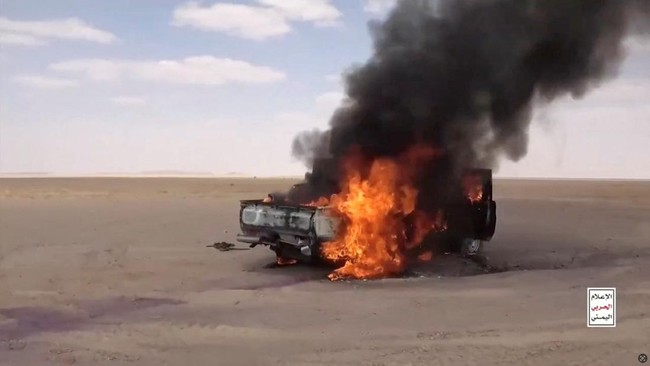
The capture of the strategic port city of Mokha by Houthi militias on Thursday, September 10, 2026, has thrust Yemen back into the precarious precipice of renewed civil conflict. This escalating aggression shatters a fragile four-year period of relative calm and intensifies anxieties across the international community regarding regional stability, global energy corridors, and maritime security. The offensive, marked by intense urban combat, burned vehicles, and soaring plumes of smoke across coastal landscapes, underscores the relentless volatility plaguing the Arabian Peninsula.
As geopolitical tensions continue to simmer between the United States and Iran, and localized skirmishes persist between Houthi forces and Saudi Arabia, the humanitarian and economic fallout of this latest escalation threatens to cascade far beyond Yemen’s borders. The seizure of Mokha is not merely a territorial gain for the insurgent group; it represents a profound strategic shift in the ongoing power struggle between the Houthi movement and the internationally recognized Yemeni government.
Strategic Importance of Mokha and the Bab el-Mandeb Strait
Mokha holds monumental geographic and economic significance. Situated approximately 80 kilometers north of the Bab el-Mandeb Strait, the port city serves as a critical gateway connecting the Red Sea to the Gulf of Aden. The Bab el-Mandeb Strait itself is one of the world’s most vital maritime chokepoints, through which a substantial portion of global international trade, container shipping, and crucial energy supplies must pass daily.
The timing of the Houthi offensive compounds global economic anxieties. This geopolitical flashpoint unfolds against a backdrop where traditional alternative energy transport routes, such as the Strait of Hormuz, face persistent threats of disruption or partial closure. Consequently, the consolidation of Houthi control over key Red Sea ports elevates the risk profile for commercial shipping lines navigating these waters. Any sustained instability in Mokha directly threatens global supply chains and risks catalyzing upward pressure on international crude oil prices, leaving energy markets highly sensitive to developments in the region.
Chronology of Escalation and Rising Tensions
The fall of Mokha on September 10, 2026, is the culmination of months of steadily rising military friction. Following approximately four years of relative dormancy—during which diplomatic efforts and localized ceasefires managed to suppress full-scale warfare—tensions began to boil over earlier this year. Houthi forces embarked on a calculated campaign to expand and consolidate their dominance over Yemen’s strategic coastal corridors.

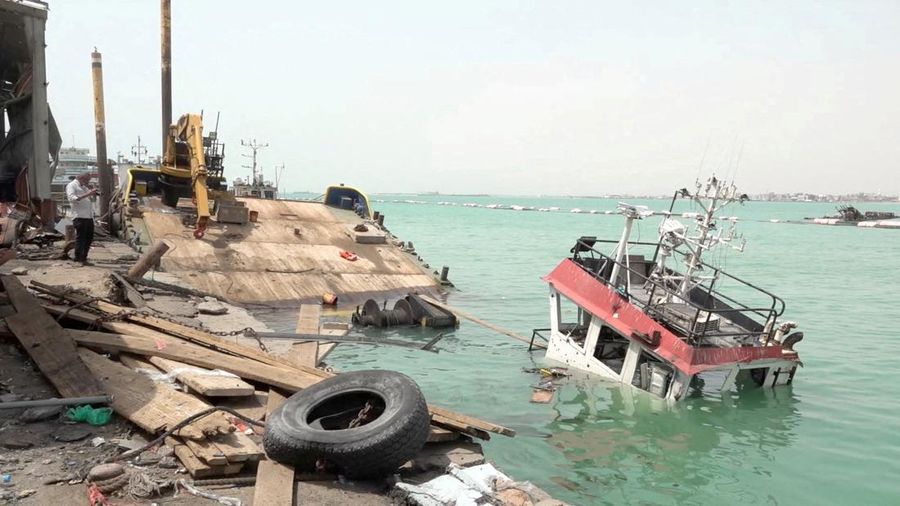
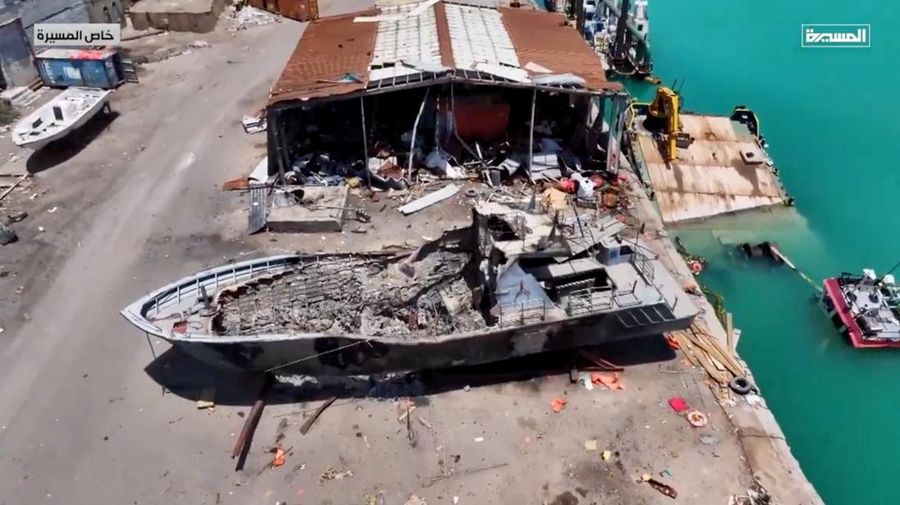
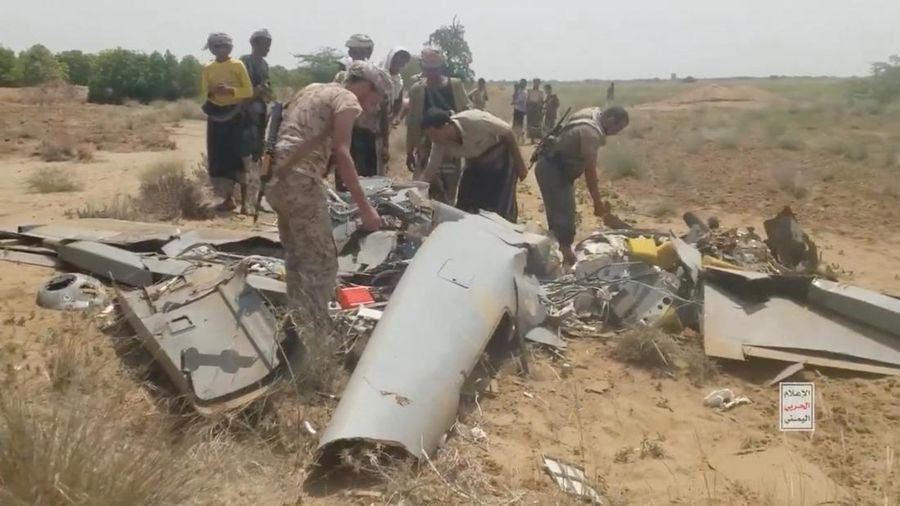
Throughout recent months, localized skirmishes steadily transformed into coordinated offensives against positions held by the internationally recognized government. The assault on Mokha involved heavy artillery exchanges, street-by-street battles, and significant infrastructure damage. Visual documentation from the area highlights the severe destruction wrought by the fighting, featuring charred vehicles abandoned along desert highways and heavily damaged municipal structures. By Thursday, opposition defenses had crumbled, allowing Houthi fighters to establish firm control over the port facilities and surrounding administrative zones.
Official Stances and Regional Reactions
In the wake of the port’s capture, international observers and regional actors have expressed profound concern. The fear of a complete unraveling of the political status quo has prompted urgent diplomatic consultations behind closed doors. The United Nations and various humanitarian agencies have warned that a return to comprehensive civil war would reverse any modest recovery achieved during the preceding years of reduced hostilities, threatening millions of civilians with heightened food insecurity, displacement, and medical shortages.
Conversely, the leadership of the Houthi movement has sought to project reassurance regarding international commerce. In statements released following the military operation, Houthi spokesman Mohammed Abdulsalam insisted that the freedom of navigation and international trade within the Red Sea and the Bab el-Mandeb Strait remain secure. Abdulsalam maintained that ongoing Houthi military operations are strictly calibrated to target specific, designated adversaries rather than commercial shipping.
However, these assurances are met with widespread skepticism by Western intelligence agencies and maritime security analysts. Past Houthi maritime operations—frequently executed under the banner of regional solidarity with Palestinian populations in Gaza—have repeatedly involved missile and drone attacks targeting international commercial vessels traversing the Red Sea. The presence of hostile militia forces in direct proximity to vital shipping lanes introduces an unacceptable level of operational risk for global freight carriers.
Historical Context: The Long Shadow of the Yemeni Civil War
To comprehend the gravity of the events in Mokha, one must examine the protracted trajectory of the Yemeni conflict. Originating as an internal rebellion, the Houthi movement—formally known as Ansar Allah—seized control of the capital, Sana’a, in late 2014, eventually forcing the internationally recognized government into exile. This prompted a massive military intervention in 2015 by a coalition led by Saudi Arabia, aimed at restoring the ousted government.
The ensuing years of warfare spawned one of the worst humanitarian crises in modern history, characterized by widespread famine, the collapse of health infrastructure, and severe economic devastation. Although a UN-brokered truce in 2022 ushered in a prolonged period of de-escalation, a comprehensive political settlement remained elusive. The absence of a permanent peace agreement left a volatile vacuum, which the Houthi faction has now exploited to reassert military momentum along the western seaboard.
Fact-Based Analysis of Broader Implications
The resurgence of open conflict in Mokha carries multifaceted implications for regional security and global economics.
First, the domestic political landscape of Yemen faces renewed fragmentation. The inability of the government and its regional allies to defend strategic assets like Mokha exposes structural weaknesses within anti-Houthi coalitions. Without cohesive military leadership and renewed external support, the government risks losing further territorial integrity.
Second, the maritime implications cannot be overstated. By securing Mokha, the Houthi movement enhances its strategic leverage in any future geopolitical negotiations. Control over the coastline adjacent to the Bab el-Mandeb Strait grants the militia direct oversight of maritime traffic, providing a potent economic and military deterrent against coalition air strikes or naval blockades.
Finally, international markets remain acutely vulnerable. Energy traders and logistics firms are closely monitoring the security situation in the Red Sea. Prolonged uncertainty often translates into inflated marine insurance premiums, rerouted shipping journeys around the Cape of Good Hope, and delayed delivery schedules—all of which contribute to inflationary pressures globally.
As the smoke clears over the battered port city of Mokha, the international community faces the sobering reality that Yemen remains far from achieving lasting peace. The events of September 2026 serve as a stark reminder that regional flashpoints in the Middle East possess the capacity to rapidly destabilize global commerce and reignite humanitarian catastrophes of immense proportions.