Bambang Pamungkas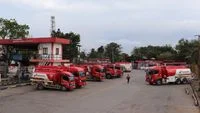
Pertamina Patra Niaga has initiated robust measures following the widespread circulation of information on social media regarding alleged irregularities involving a fuel tanker in the Jambi region. The state-owned energy distributor, through its Sumbagsel Regional unit, in close collaboration with its transport partner PT Elnusa Petrofin, has conducted a comprehensive internal verification and investigation into the matter. This swift and decisive response underscores Pertamina Patra Niaga’s unwavering commitment to upholding the integrity and transparency of the national energy distribution network, particularly in safeguarding the supply of subsidized fuels to the public.
Based on the preliminary findings of this thorough internal inquiry, and in a strong affirmation of its zero-tolerance policy towards any form of misconduct within its distribution chain, the Awak Mobil Tangki (AMT), or tanker truck crew member, found to be involved in the alleged violations has been summarily dismissed from employment by the transport company. Concurrently, the case has been formally reported to local law enforcement authorities to facilitate a full legal process in accordance with prevailing laws and regulations. This dual approach of internal disciplinary action and external legal recourse highlights the company’s determination to address such issues at both operational and judicial levels, ensuring accountability and deterring future infractions.
The Critical Role of Pertamina Patra Niaga in National Energy Security
Pertamina Patra Niaga, a subsidiary of the national energy giant PT Pertamina (Persero), plays an indispensable role in ensuring the equitable and efficient distribution of fuel across the vast Indonesian archipelago. Its mandate extends to managing the supply chain from refineries to retail outlets, including public fueling stations (SPBU), industrial consumers, and remote areas. This extensive network, involving thousands of tanker trucks, depots, and distribution points, is vital for the nation’s economic stability and social well-being. A significant portion of the fuel distributed, particularly certain types like Solar (diesel) and Pertalite (gasoline), are subsidized by the government to ensure affordability for the general populace and to support key economic sectors such as transportation, agriculture, and small and medium-sized enterprises.
The integrity of this distribution system is paramount. Any disruption or diversion of fuel, especially subsidized commodities, can have far-reaching negative consequences. These include artificial scarcity in certain regions, price manipulation by unscrupulous actors, economic losses for the state due to misused subsidies, and erosion of public trust in the energy supply chain. Incidents of fuel diversion or illegal sales often involve sophisticated networks and can range from small-scale siphoning to large-scale smuggling operations, sometimes exploiting geographical vulnerabilities or regulatory loopholes. The Jambi incident, while specific in its details, reflects a broader challenge faced by large-scale distribution networks in preventing and combating illicit activities.
Context of Fuel Misconduct in Indonesia
Indonesia, with its expansive geography and high demand for fuel, particularly subsidized varieties, has historically faced challenges related to fuel smuggling and diversion. The significant price disparity between subsidized and non-subsidized fuels, as well as between domestic prices and those in neighboring countries or industrial sectors, creates strong incentives for illegal activities. These activities often involve tanker truck drivers or other individuals within the distribution chain who collude with external parties to divert fuel from its intended destination for illicit resale.
Regions like Jambi, situated on Sumatra island, are particularly susceptible due to their strategic location. Jambi’s proximity to various industrial zones, plantations, and mining areas often creates a high demand for fuel, sometimes beyond official allocations, which can be a target for illegal distribution. Furthermore, its geographical features, including extensive road networks and riverine access, can inadvertently facilitate clandestine transport of diverted fuel. The government and Pertamina have continually strived to combat these issues through various means, including stricter regulations, enhanced monitoring technologies, and increased collaboration with law enforcement. The incident in Jambi serves as a stark reminder of the ongoing vigilance required to protect the national energy infrastructure and prevent the misuse of public resources.
Chronology of the Jambi Incident and Immediate Response
The sequence of events that led to Pertamina Patra Niaga’s swift action began with reports surfacing on social media platforms. While the exact initial date of the social media posts remains unspecified, the company confirmed that the information regarding alleged violations by a fuel tanker in the Jambi region gained significant traction, prompting an immediate internal alert. The public nature and rapid dissemination of such information on social media often act as an early warning system, compelling companies to react promptly to mitigate reputational damage and address potential wrongdoing.
Upon receiving these reports, Pertamina Patra Niaga’s Regional Sumbagsel unit, which oversees operations in Sumatra Bagian Selatan (Southern Sumatra), initiated a rapid verification process. This involved deploying internal investigative teams to Jambi to gather facts, review operational logs, and cross-reference data. Simultaneously, PT Elnusa Petrofin, the designated transport partner responsible for operating the tanker truck in question, launched its parallel internal investigation. This dual-pronged approach ensured a thorough examination from both the client (Pertamina Patra Niaga) and the operational service provider (Elnusa Petrofin).
The investigative teams meticulously examined various operational parameters, including GPS tracking data of the tanker, delivery manifests, fuel loading and unloading records, and driver logs. Interviews with relevant personnel, including the implicated Awak Mobil Tangki (AMT) and other staff members, were conducted to ascertain the facts. Within a short timeframe, the initial findings corroborated the allegations of misconduct.
As a direct consequence of these findings, the AMT involved was immediately subjected to the severest disciplinary action available within the company’s policy: termination of employment. This swift dismissal by PT Elnusa Petrofin underscores the gravity with which such violations are viewed, reflecting a non-negotiable stance on integrity. Following this internal action, Pertamina Patra Niaga, through its transport partner, formally reported the case to the local police. This step elevates the incident from an internal disciplinary matter to a criminal investigation, allowing law enforcement to pursue legal charges, which could include theft, fraud, or violation of energy distribution regulations, depending on the specifics of the alleged misconduct. The police investigation is expected to delve deeper into the extent of the alleged diversion, potential accomplices, and the full scope of any illicit activities.
Official Statements and Corporate Commitment
Roberth MV Dumatubun, Corporate Secretary of Pertamina Patra Niaga, issued a resolute statement on Sunday, May 17, 2026 (as per the source date), reiterating the company’s unwavering commitment to ethical conduct and regulatory compliance. "Pertamina Patra Niaga is committed to ensuring the transparent, accountable, and regulation-compliant distribution of BBM (fuel). Any indication of a violation will be followed up through a comprehensive investigation process, and if a violation is proven, strict sanctions will be imposed in accordance with company policies and applicable laws," Roberth affirmed. This statement not only addresses the immediate incident but also serves as a broader declaration of corporate values and operational standards.
Beyond this specific incident, Roberth emphasized Pertamina Patra Niaga’s continuous efforts to fortify its monitoring systems across all operational territories. This includes rigorous operational monitoring, periodic evaluations of its network of partners and contractors, and strengthening collaboration with Aparat Penegak Hukum (APH) – law enforcement agencies – and other relevant stakeholders. Such proactive measures are designed to create a robust deterrent against future malpractices and to enhance the overall resilience of the distribution network.
While not explicitly stated in the original article, it can be logically inferred that PT Elnusa Petrofin, as the transport partner, would echo similar sentiments. As a key player in the logistics chain, Elnusa Petrofin would likely issue statements reinforcing its commitment to operational integrity, condemning the actions of the dismissed employee, and affirming its full cooperation with both Pertamina Patra Niaga and law enforcement. Such a statement would typically include assurances of reviewing internal protocols, enhancing driver vetting processes, and reinforcing ethical conduct training for its entire workforce.
From the perspective of law enforcement, the Jambi Regional Police would likely confirm the receipt of the report and the initiation of a formal investigation. A police spokesperson might state their commitment to thoroughly investigating the allegations, gathering evidence, and prosecuting any individuals found guilty of criminal offenses related to fuel diversion or illegal activities. This collaboration between state-owned enterprises and law enforcement is crucial for effective deterrence and prosecution.
Furthermore, consumer advocacy groups and energy policy observers would likely commend Pertamina Patra Niaga’s decisive action. They might issue statements highlighting the importance of such stringent oversight for protecting consumer rights, ensuring fair access to subsidized fuel, and preventing economic losses from corruption within the energy sector. These groups often advocate for greater transparency and accountability in public service provision.
Broader Impact and Implications
The decisive actions taken by Pertamina Patra Niaga following the Jambi incident carry significant implications across several dimensions:
-
Reinforcement of Corporate Integrity and Public Trust: By acting swiftly and transparently, Pertamina Patra Niaga strengthens its reputation as a responsible state-owned enterprise committed to ethical business practices. Such actions, when communicated effectively, can bolster public trust, which is crucial for a company providing essential services. It signals to both internal and external stakeholders that integrity is non-negotiable.
-
Deterrence for Future Misconduct: The immediate termination of the AMT and the reporting of the case to the police send a powerful message throughout the entire distribution network. It serves as a strong deterrent for other employees or partners who might consider engaging in similar illicit activities, demonstrating that violations will be met with severe consequences, both professionally and legally.
-
Enhanced Partner Accountability: The incident places a spotlight on the accountability of transport partners like PT Elnusa Petrofin. It reinforces the need for these partners to maintain stringent internal controls, robust employee screening processes, and continuous monitoring of their personnel and assets. This could lead to a review and tightening of contractual agreements with transport providers, emphasizing performance standards related to integrity and security.
-
Strengthening of Monitoring and Control Systems: The incident will likely prompt Pertamina Patra Niaga to further accelerate the adoption and implementation of advanced monitoring technologies. This includes enhanced GPS tracking with real-time alerts for deviations from designated routes, digital logbooks, RFID (Radio-Frequency Identification) tags for fuel tanks, and potentially AI-driven analytics to detect anomalous patterns in fuel deliveries. The goal is to create a multi-layered security system that makes diversion exceedingly difficult.
-
Protection of Subsidized Fuel Allocation: One of the primary concerns with fuel diversion is the misuse of government subsidies. By preventing such activities, Pertamina Patra Niaga ensures that subsidized fuel reaches its intended recipients – the general public and designated sectors – thereby safeguarding public funds and promoting economic equity. This also helps prevent artificial shortages and price instability that can arise from illegal market activities.
-
Legal Precedent and Enforcement: The police investigation and potential prosecution of the individual(s) involved will set a legal precedent. Successful prosecution can serve as a powerful tool in deterring future offenders and demonstrating the state’s commitment to upholding laws related to energy distribution and combating economic crimes. This collaborative enforcement effort is vital for maintaining order in the energy sector.
-
Economic Impact Mitigation: Fuel diversion not only impacts supply but also represents an economic leakage. Each liter of subsidized fuel illegally sold represents a loss for the state and a distortion of market forces. By cracking down on such activities, Pertamina Patra Niaga contributes to greater economic efficiency and protects national revenue.
In conclusion, the swift and decisive action taken by Pertamina Patra Niaga in response to the alleged fuel tanker misconduct in Jambi is a testament to its commitment to maintaining the integrity of Indonesia’s vital energy distribution system. By combining internal disciplinary measures with external legal prosecution, the company sends a clear message that violations will not be tolerated. This incident, while challenging, provides an opportunity to further strengthen oversight mechanisms, enhance collaboration with law enforcement, and ultimately reinforce public trust in the secure and equitable supply of energy across the nation. The continuous improvement of operational integrity and accountability remains a paramount priority for Pertamina Patra Niaga as it navigates the complexities of national energy distribution.