Nasution Nanang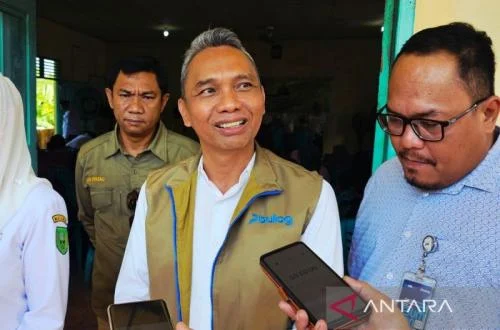
Perum Bulog, Indonesia’s state-owned logistics agency for food, is set to commence the construction of three new food warehouses in Natuna Regency, Riau Islands Province, with groundbreaking activities projected for September. This strategic infrastructure development aims to significantly enhance food security and stabilize prices across the remote and archipelagic region, which frequently faces supply chain challenges due to its geographical isolation and susceptibility to adverse weather conditions. Each warehouse is designed to hold a substantial capacity of 1,000 tons and will be complemented by essential supporting facilities, including administrative offices and official residences, underscoring a comprehensive approach to bolstering local food resilience.
Natuna: A Strategic Outpost in the Archipelago
Natuna Regency occupies a unique and critical position within the Indonesian archipelago, situated at the outermost edge of the nation’s maritime boundaries, directly bordering the South China Sea. This geographical reality imbues Natuna with immense strategic importance, both geopolitically and in terms of national defense and sovereignty. However, its remoteness also presents formidable challenges, particularly concerning the consistent and affordable supply of staple goods, including food. The regency comprises numerous islands, many of which are sparsely populated and rely heavily on external shipments for their daily necessities. The existing logistical infrastructure is often inadequate to cope with the demands of a dispersed population, leaving communities vulnerable to disruptions caused by severe weather patterns, such as high waves and strong winds, which can halt sea transportation for extended periods.
Historically, residents of Natuna have experienced fluctuations in food availability and price volatility, a direct consequence of an intermittent supply chain. When shipments are delayed, local markets can quickly run out of essential commodities, leading to price spikes that disproportionately affect lower-income households. This precarious situation has long highlighted the urgent need for robust, localized food storage solutions that can buffer the impact of these logistical bottlenecks. The proposed Bulog warehouses are therefore not merely storage facilities but critical components of a broader national strategy to reinforce the resilience of Indonesia’s outermost islands and ensure equitable access to basic needs for all citizens, regardless of their geographical location.
Bulog’s Mandate and the Post-Harvest Infrastructure Program
Perum Bulog plays a pivotal role in Indonesia’s national food security architecture. Its mandate encompasses managing food reserves, stabilizing prices, and ensuring the smooth distribution of staple foods across the vast archipelago. To fulfill this crucial mission, Bulog periodically initiates infrastructure development programs aimed at strengthening the national food supply chain, particularly in vulnerable and remote areas. The construction of these three warehouses in Natuna falls under Bulog’s "post-harvest infrastructure program," which actively seeks collaboration with regional governments. This program encourages local administrations to propose suitable locations for new food storage facilities, provided they can secure and prepare the necessary land.
The initiative in Natuna exemplifies a successful partnership between the central government’s agencies and local authorities. Dani Satrio, the Head of Perum Bulog Riau and Kepulauan Riau, emphasized the instrumental role played by the Natuna Regency Government in advancing this project. According to Satrio, the local administration demonstrated serious commitment by proactively identifying and preparing three distinct land parcels for the proposed warehouses. This collaborative model is fundamental to the success of such large-scale infrastructure projects, as it leverages local knowledge and resources while aligning with national strategic objectives. The rigorous verification process conducted by Bulog ensured that the proposed sites were not only administratively sound but also strategically viable and operationally feasible for long-term food storage and distribution.
Project Timeline and Strategic Locations
The project is currently in an advanced administrative phase, with all necessary preparations for land acquisition and regulatory approvals expected to be finalized by August. This meticulous groundwork is crucial to ensure a smooth transition to the construction phase. Following the completion of administrative tasks, the groundbreaking ceremony for the three warehouses is slated for September, marking a significant milestone in Natuna’s food security journey.
The selection of the warehouse locations—Pulau Laut, Pulau Serasan, and Pulau Midai—is deeply strategic, reflecting a careful assessment of Natuna’s unique geographical and demographic landscape.
- Pulau Laut: As one of the northernmost islands in the Natuna chain, Pulau Laut is strategically positioned to serve communities in the upper reaches of the regency, providing a critical buffer against supply disruptions originating from the main island of Natuna Besar or from external sources. Its location helps to reduce the logistical "last mile" challenge for several smaller surrounding islands.
- Pulau Serasan: Designated as an outermost island, Serasan faces some of the most acute challenges in terms of connectivity and access to goods. Establishing a warehouse here directly addresses the vulnerability of its residents, ensuring that a significant reserve of food is readily available, even when sea routes are impassable. This location underscores a commitment to safeguarding the most exposed communities.
- Pulau Midai: Serving as a "buffer island," Midai plays a crucial role in the central part of the regency, capable of supporting both its own population and potentially providing supplementary supplies to neighboring islands if needed. Its central position allows for more efficient internal distribution within the regency, optimizing the overall reach of the food security program.
These three locations collectively form a robust network, designed to minimize the impact of adverse weather conditions—a recurrent threat in this maritime region. By decentralizing food storage, Bulog aims to drastically reduce the frequency and duration of supply shortages that have historically plagued Natuna, thereby enhancing the overall stability of food availability for its island communities.
Statements and Inferred Perspectives
Dani Satrio of Bulog Riau and Kepulauan Riau reiterated the strategic imperative behind this initiative. "As an archipelagic region, food distribution in Natuna is frequently hampered by extreme weather, such as high waves and strong winds. With warehouses strategically placed at these three points, we anticipate that delays in food distribution can be significantly minimized," Satrio stated, underscoring Bulog’s proactive approach to mitigating environmental challenges. He emphasized that the warehouses would not only secure existing stock but also facilitate more efficient planning for future procurement and distribution, tailored to the specific needs and consumption patterns of Natuna’s diverse communities.
While direct quotes from Natuna local government officials were not provided in the original dispatch, it can be logically inferred that the Natuna Regent and other local leaders would express profound gratitude and optimism regarding this project. The successful proposal and land provision signify a strong partnership and a shared vision for community welfare. Local officials would likely highlight the long-term benefits of stable food prices and guaranteed availability for their constituents, acknowledging the project as a critical step towards improving the quality of life and economic stability in the regency. They would also likely emphasize the project’s alignment with broader regional development goals, particularly those focused on empowering remote and outermost island communities.
From the perspective of local communities, the news of these warehouses would undoubtedly be met with a sense of relief and anticipation. Residents, particularly those who have experienced firsthand the hardships of food shortages and price gouging during periods of disrupted supply, would view this as a tangible commitment from the government to address their fundamental needs. Fishermen, farmers, and small business owners, whose livelihoods are often indirectly affected by the stability of the local economy and supply chains, would also stand to benefit from the enhanced food security. The warehouses represent a promise of greater stability and predictability in their daily lives, reducing the anxiety associated with basic necessities.
Broader Implications for Food Security and Regional Development
The construction of these Bulog warehouses in Natuna carries profound implications that extend beyond mere food storage. It represents a significant step towards bolstering enhanced resilience in one of Indonesia’s most geographically challenging regions. By creating localized reserves, the project directly addresses the perennial issue of distribution delays caused by adverse weather, ensuring that communities have access to essential food items even when maritime transport is impossible. This resilience is not just about having food, but about sustaining community well-being and preventing social and economic disruptions.
Furthermore, the initiative is expected to contribute substantially to price stability. In remote areas, commodity prices are often highly volatile, influenced by supply irregularities and high transportation costs. With Bulog’s presence and its mandate to stabilize prices, the warehouses will act as a buffer, preventing exploitative price increases during shortages and ensuring that basic foods remain affordable for all residents. This stability is crucial for household budgets and the overall economic health of the region.
The economic impact could be multi-faceted. Reduced reliance on external, often expensive, logistics might stimulate local economic activities, including local food production if opportunities arise for farmers to supply the warehouses. The presence of these facilities could also indirectly foster local job creation in warehousing, logistics, and related services. More stable food prices mean that household incomes are stretched further, potentially freeing up resources for other expenditures and investments within the local economy. The infrastructure itself represents a significant investment that could attract further development.
Socially, the project signifies an improvement in the overall quality of life for Natuna residents. The assurance of consistent food supply reduces stress and anxiety within communities, allowing residents to focus on other aspects of development and well-being. It reinforces the government’s commitment to equitable development, demonstrating that even the most remote populations are not overlooked in national strategic planning. This also strengthens social cohesion and trust between the government and its citizens.
From a national strategic importance perspective, this project is a critical component of Indonesia’s broader efforts to assert its presence and sovereignty in its outermost islands. By improving living conditions and economic stability, the government reinforces its commitment to these border regions. It aligns with national development goals that prioritize the development of frontier, outermost, and disadvantaged areas (3T regions), transforming them from mere border zones into vibrant economic and social hubs. The investment in Natuna’s infrastructure sends a clear message about Indonesia’s resolve to develop and protect its entire territory.
Challenges and Future Outlook
While the project promises significant benefits, its implementation will not be without challenges. The initial stocking of the warehouses will require considerable logistical planning, especially given the current constraints of transporting large volumes of food to these remote islands. Maintaining the quality and integrity of stored food items in a humid, tropical environment will also necessitate robust operational protocols and ongoing maintenance. Furthermore, integrating these new decentralized storage points with Bulog’s existing national distribution networks will require careful coordination to optimize efficiency.
Looking ahead, the success of the Natuna project could serve as a blueprint for similar initiatives in other remote and archipelagic regions across Indonesia. It highlights a sustainable model of collaboration between central and local governments to address specific regional vulnerabilities within a national food security framework. Future outlook might include exploring the potential for local food production to supply these warehouses, thereby fostering a more self-sufficient food system in Natuna and further reducing external dependencies. The long-term vision is to create a resilient, equitable, and stable food supply chain that supports the well-being and prosperity of all Indonesian citizens, irrespective of their geographical location.
In conclusion, Perum Bulog’s impending construction of three food warehouses in Natuna is a testament to a strategic and collaborative effort to fortify food security in a critical and challenging region. By addressing the inherent logistical vulnerabilities of an archipelagic territory, the project promises to bring greater stability in food supply and prices, enhance the quality of life for local communities, and underscore Indonesia’s commitment to its outermost frontiers. This initiative represents a significant stride towards a more resilient and equitable national food system.