Tata Titiana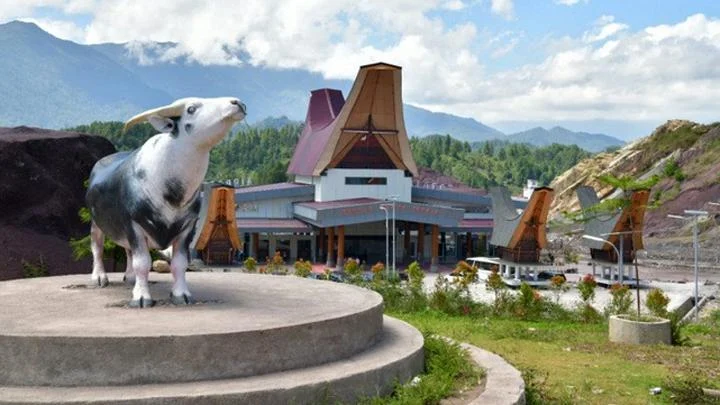
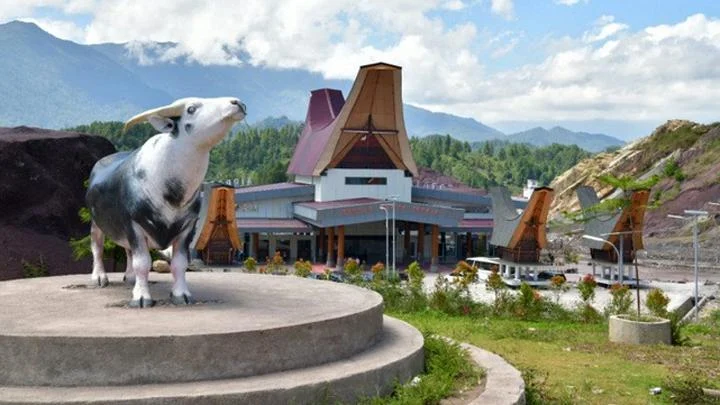
President Joko Widodo officially inaugurated Toraja Airport, formerly known as Buntu Kunik Airport, in Tana Toraja Regency, South Sulawesi, on Thursday, March 18, 2021. The ceremony, broadcast live via the Presidential Secretariat’s YouTube channel, marked a significant milestone for the region, with President Widodo expressing his optimism that the new airport will serve as a catalyst for economic development, job creation, and the emergence of new economic centers. The inauguration signifies the culmination of a long-standing project, poised to enhance connectivity and unlock the immense potential of Tana Toraja, a region renowned for its unique cultural heritage and breathtaking landscapes.
A Long and Winding Road to Connectivity
The journey to the operationalization of Toraja Airport has been a protracted one, commencing with its initial construction in 2011. The project was initially conceived to replace the aging Pongtiku Airport in Ratentayo, aiming to provide a more modern and capable gateway to the region. However, the development faced several setbacks and periods of stagnation, a common challenge in large-scale infrastructure projects, particularly in areas with complex geographical terrains.
The critical phase of revival and accelerated progress occurred during President Joko Widodo’s administration. Recognizing the strategic importance of improved air connectivity for Tana Toraja, the central government recommenced the airport’s development in 2018. This renewed push saw the completion of Phase I of the construction by mid-2020. The meticulous planning and execution of this phase laid the groundwork for the airport’s eventual operational readiness.
Currently, two reputable airlines, Wings Air and Citilink, are serving the regular flight routes connecting Makassar and Toraja, and vice versa. This direct air link is expected to significantly reduce travel time and enhance accessibility for both domestic and international visitors, thereby fostering greater tourism and business engagement.
Engineering Marvel in a Challenging Landscape
The construction of Toraja Airport is a testament to engineering prowess, especially considering the region’s challenging topography. The airport sprawls across a total area of 141 hectares. In its initial operational phase, the airport features a runway measuring 1,600 meters, designed to accommodate ATR-type aircraft. Complementing the runway are an apron of 94.5 x 67 meters and a taxiway measuring 124.5 x 15 meters.
The strategic vision for the airport includes further expansion. Phase II of the development will see the runway extended to 2,000 meters, enabling it to handle larger aircraft such as the Boeing 737. This expansion is crucial for accommodating increased passenger traffic and a wider range of airline services in the future. The terminal building, spanning 1,000 square meters, is designed to comfortably accommodate up to 150 passengers, providing essential services and amenities for travelers.
A remarkable aspect of the airport’s construction involved the ambitious undertaking of cutting through three hills to create the necessary space for the runway. This significant feat of engineering, as highlighted by Minister of Transportation Budi Karya Sumadi, underscored the inherent difficulties posed by Tana Toraja’s steep terrain. The process of flattening and preparing the land for the runway was a complex and resource-intensive endeavor. Further development in 2021 is planned to address and remove obstacles from hillsides adjacent to the runway, ensuring enhanced safety and operational efficiency.
Renaming for Regional Identity: From Buntu Kunik to Toraja Airport
The renaming of the airport from Buntu Kunik to Toraja Airport was a deliberate and culturally sensitive decision, reflecting a collective aspiration of the local community. This change was the outcome of a consensus reached between the Tana Toraja Regency government and various traditional leaders representing the 19 sub-districts within Tana Toraja.
Following the agreement among local stakeholders, the proposal for the new name was formally submitted to the Regional People’s Representative Council (DPRD) for deliberation and ratification in a plenary session. Subsequently, the approved name was put forward to the provincial government for endorsement before being officially submitted to the Ministry of Transportation for final approval and implementation. This multi-layered process ensured that the renaming accurately represented the identity and aspirations of the Toraja people.
Economic and Tourism Implications: Unlocking Potential
The establishment of Toraja Airport is poised to have a transformative impact on the region’s economy and tourism sector. Tana Toraja is globally recognized for its unique indigenous culture, intricate funeral ceremonies, and distinctive traditional houses known as Tongkonan. However, its remote location has historically posed a significant barrier to widespread tourism and economic development.
Enhanced Tourism Inflow: Improved air connectivity will make Tana Toraja more accessible to a larger number of domestic and international tourists. This is expected to lead to a substantial increase in visitor numbers, boosting demand for accommodation, local transportation, culinary services, and handcrafted souvenirs. The tourism industry is a vital source of income and employment for many communities, and this new gateway will undoubtedly revitalize this sector.
Economic Diversification: Beyond tourism, the airport is anticipated to stimulate economic diversification. Easier access for goods and services can foster local entrepreneurship and attract investment in various sectors. Local agricultural products, handicrafts, and other unique regional specialties can now reach wider markets more efficiently, potentially leading to increased production and higher incomes for local producers.
Job Creation: The direct and indirect economic activities generated by the airport’s operation and the subsequent surge in tourism and business will translate into significant job creation. This includes employment opportunities in airport management, aviation services, hospitality, transportation, retail, and various support industries. The government’s objective of creating more employment opportunities is thus directly addressed by this infrastructure development.
Regional Connectivity and Development: As a hub for air travel, Toraja Airport will not only serve Tana Toraja but also potentially benefit surrounding areas by improving overall regional connectivity. This enhanced accessibility can encourage further infrastructure development, facilitate trade, and promote social and cultural exchange, contributing to the broader socio-economic progress of South Sulawesi.
Government Vision and Future Outlook
President Widodo’s emphasis on leveraging the airport for economic growth underscores the government’s strategic approach to infrastructure development. By investing in key transportation nodes like Toraja Airport, the administration aims to unlock the economic potential of regions that have historically been underserved. The long-term vision is to create a more integrated and balanced national economy, where all regions can contribute to and benefit from national development.
The successful completion and inauguration of Toraja Airport represent a significant achievement in realizing this vision for Tana Toraja. The challenges overcome in its construction, from the complex engineering to the logistical hurdles, highlight the commitment and determination of all parties involved.
As the airport enters its operational phase, continued collaboration between the central government, provincial authorities, local administrations, and the private sector will be crucial to maximize its benefits. Strategic planning for tourism promotion, infrastructure development around the airport, and support for local businesses will be essential to ensure that Toraja Airport truly becomes a cornerstone of prosperity for the Toraja people and a shining example of development in remote regions of Indonesia. The presence of major airlines like Citilink and Wings Air signals strong initial confidence in the route’s viability, paving the way for a promising future.