
 Lusiana Hamidun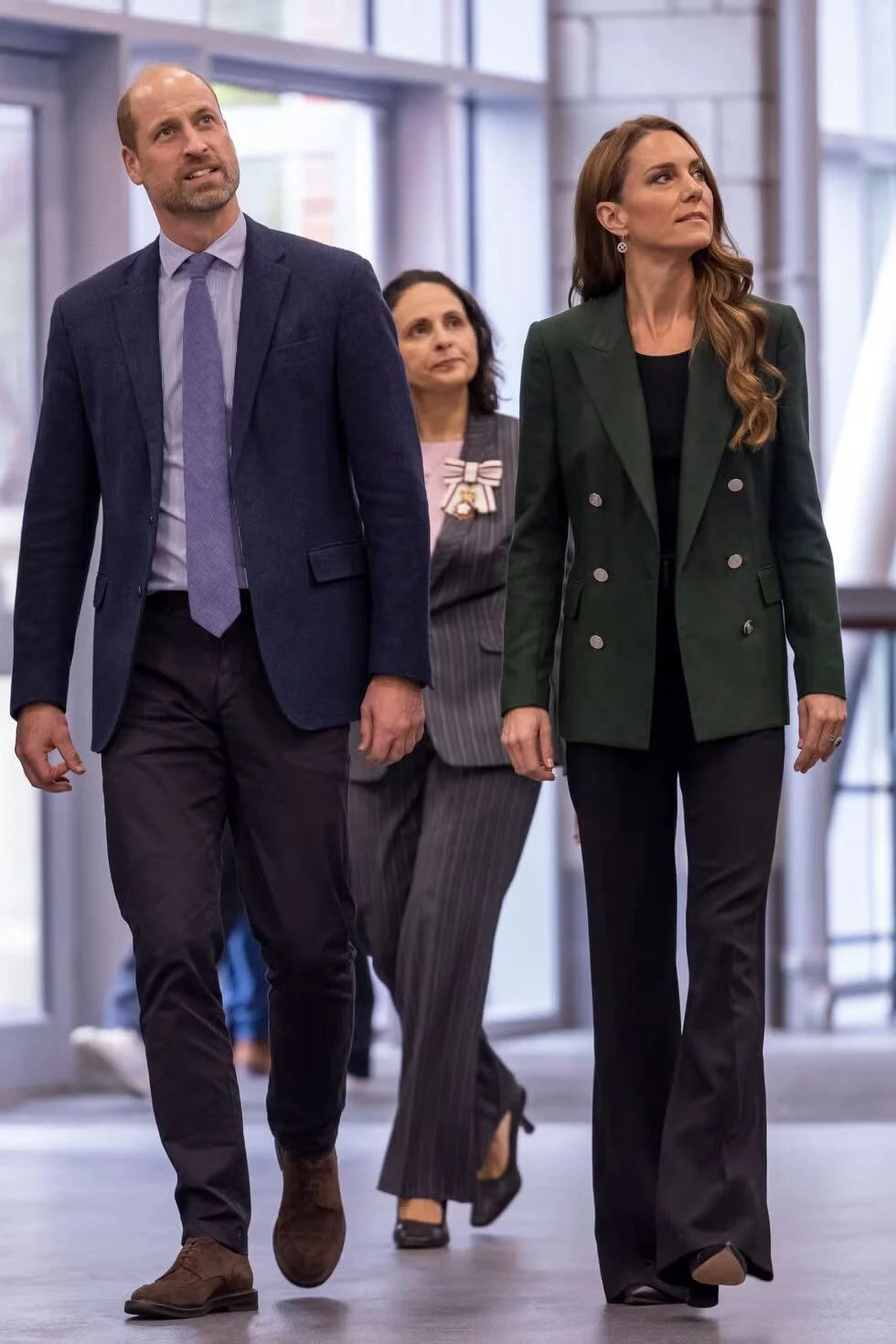
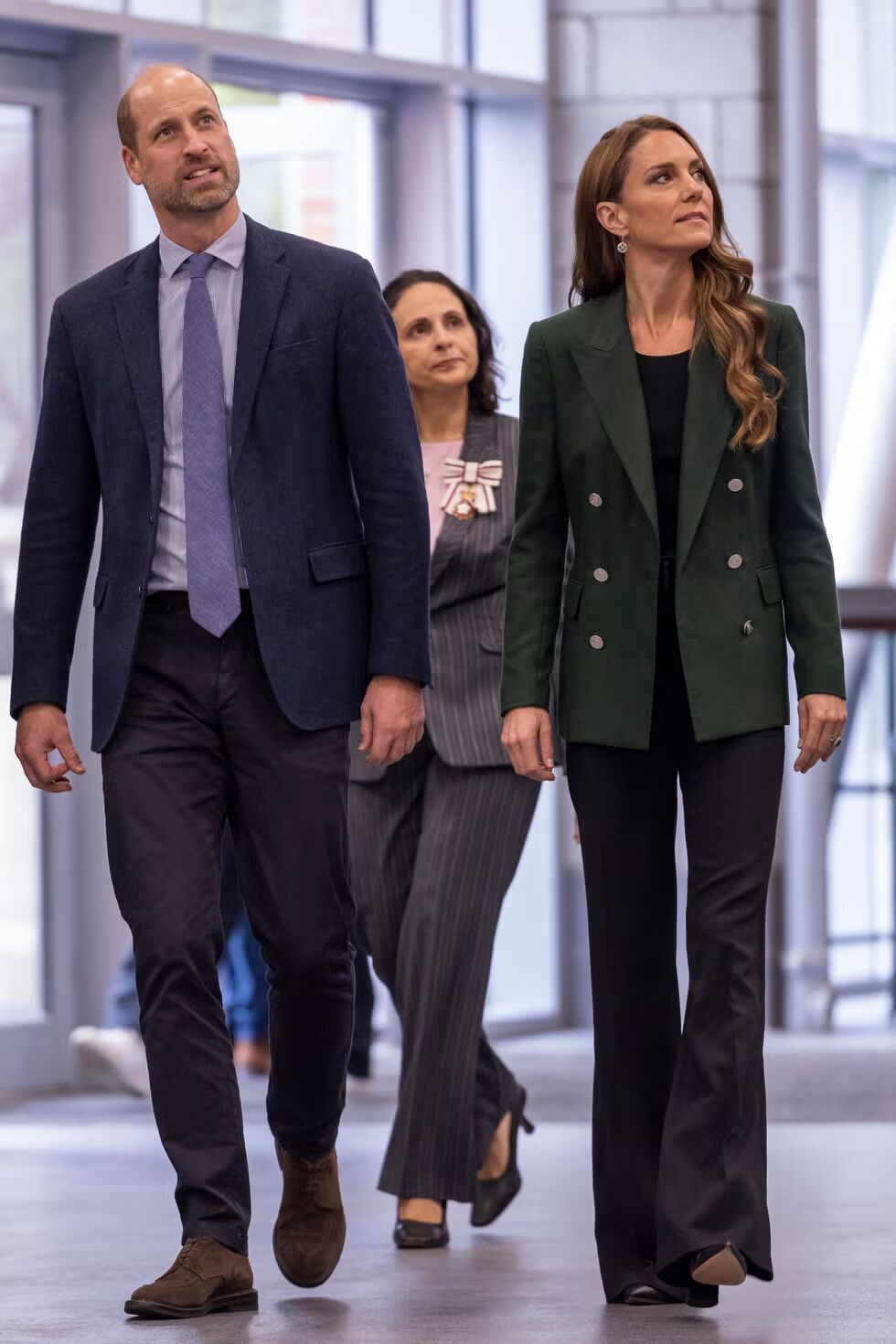
The Prince and Princess of Wales conducted a significant series of engagements in Yorkshire this week, emphasizing their ongoing commitment to community development through sports. Princess Catherine, known for her ability to seamlessly bridge the gap between formal royal duties and grassroots interaction, once again captured public attention not only for her dedication to the causes at hand but for a sartorial choice that perfectly balanced professional elegance with practical functionality. The visit, which took place on a Tuesday, saw the royal couple highlighting the transformative power of Rugby League in fostering inclusivity and supporting community health initiatives.
A Study in Sophisticated Utility
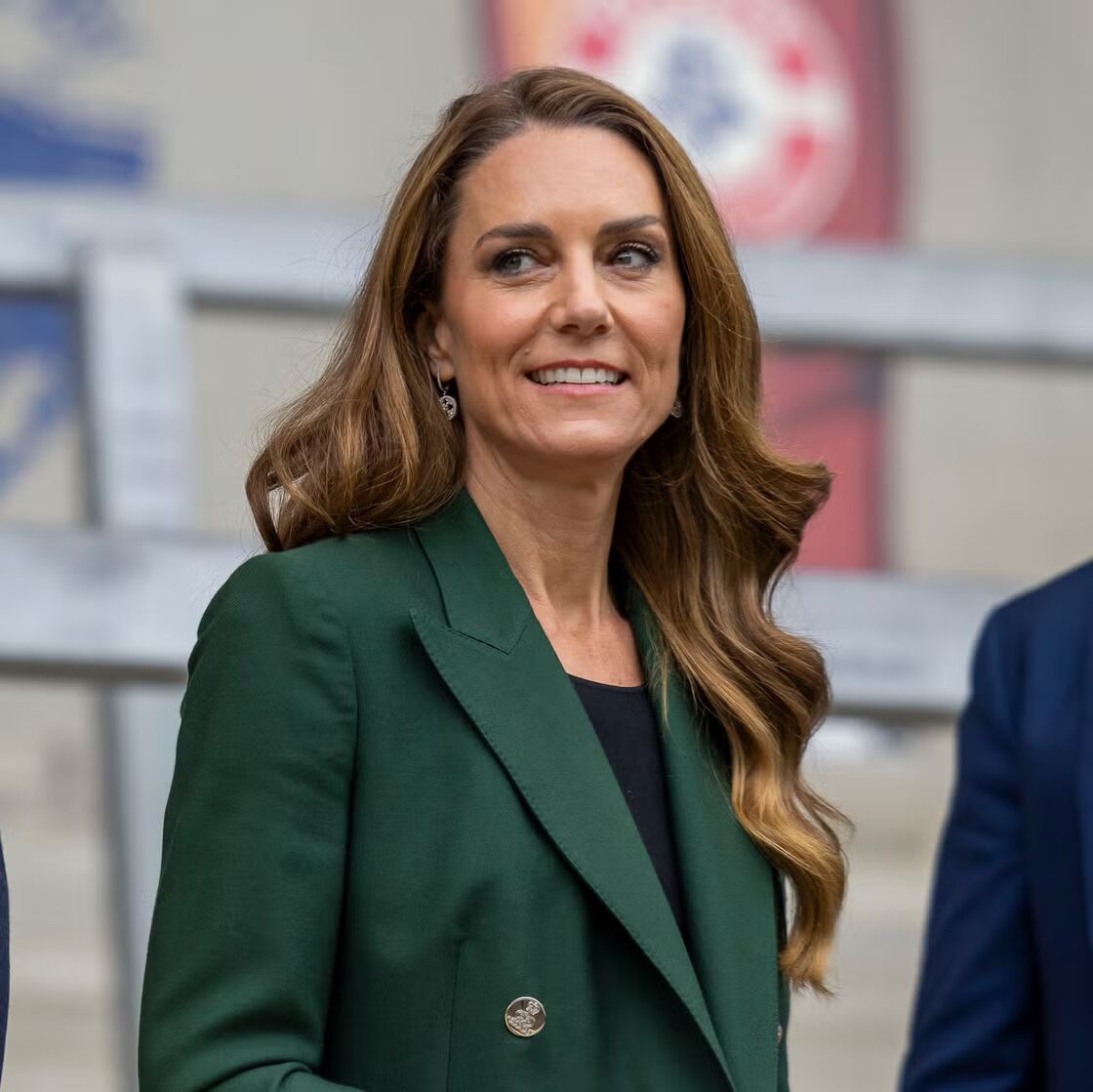
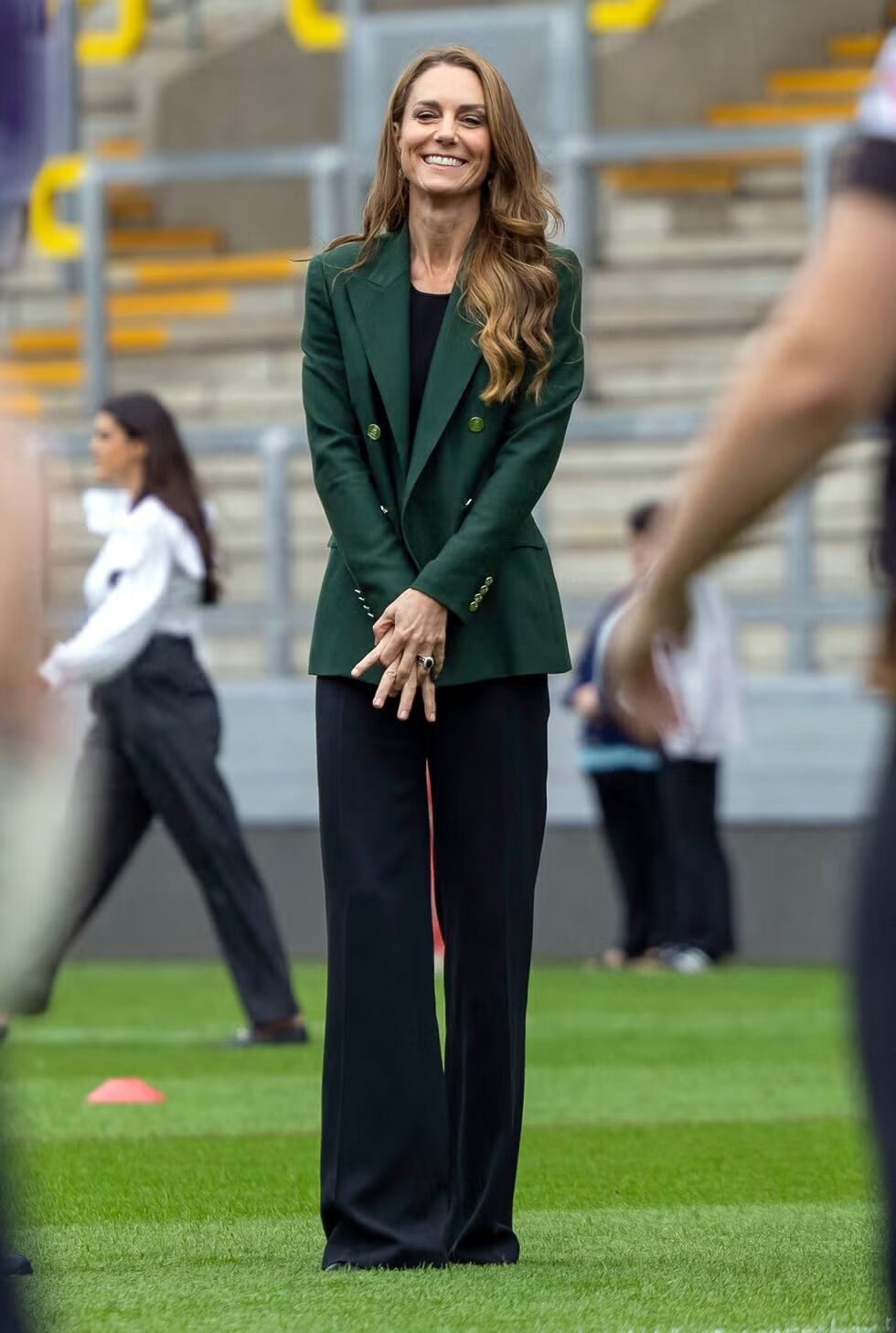
For the day’s activities, which involved a mix of indoor discussions and outdoor field visits, the Princess of Wales opted for a forest green blazer tailored to a sharp, fitted silhouette. This choice of color, a staple in her autumn wardrobe, provided a sophisticated contrast to her monochromatic black ensemble consisting of a sleek top and wide-leg trousers. The trousers, featuring a floor-grazing hem, demonstrated a modern, fluid aesthetic that has become a hallmark of her evolving style—blending high fashion with the requirements of a working royal.
Complementing the outfit, the Princess wore her hair in natural, loose waves, opting for a look that felt approachable yet polished. Her accessories remained understated and sentimental; she paired her iconic sapphire engagement ring with diamond medal earrings. Industry experts noted that these earrings, believed to be from the house of Mappin & Webb, represent a long-term investment piece, as they have remained a fixture in her personal collection for over a decade. This commitment to sustainable fashion—repeating and curating pieces rather than constantly sourcing new items—continues to resonate with the public and aligns with the royal couple’s broader environmental advocacy.
Chronology of the Yorkshire Visit
The itinerary for the Prince and Princess of Wales was meticulously planned to cover both the developmental aspects of sports and the urgent need for medical research support. The day began in Leeds, a city with deep roots in rugby culture.
- Morning Session (Leeds): The couple arrived at the headquarters of the Leeds Rhinos, a professional rugby league club. Their primary focus was the Leeds Rhinos Foundation, the official charity arm of the team. During this session, they engaged with young players, coaching staff, and community leaders. The discussion centered on the organization’s comprehensive development plan, which includes providing essential scholarships and physical resources to student-athletes who might otherwise lack the means to pursue the sport at a competitive level.
- Afternoon Session (Wakefield): Transitioning from the grassroots developmental focus, the couple traveled to Wakefield. The objective here was to spotlight the "7 in 7" challenge. This high-profile athletic endeavor involves participants attempting to complete an ultramarathon every day for seven consecutive days. The event is designed to raise both funds and awareness for Motor Neurone Disease (MND). The Prince, who has long been a patron of various health and sporting causes, spent time with the organizers to understand the logistics and the human stories behind the challenge.
Supporting Data and the Rugby League Landscape
The choice of the Rugby League as a focal point is not incidental. The sport has been identified by UK policymakers as a critical tool for social mobility, particularly in the northern regions of England. According to the Rugby Football League (RFL), community-based rugby programs contribute significantly to physical health outcomes, reducing the burden on the National Health Service (NHS) by encouraging lifelong physical activity.
Furthermore, the integration of educational resources into rugby clubs—as observed at the Leeds Rhinos Foundation—serves as a vital support system for youth from underprivileged backgrounds. Data from recent community impact assessments suggests that for every pound invested in local rugby infrastructure, there is a three-fold return in social value, generated through reduced youth crime, improved mental health, and enhanced educational attainment.
The visit also served as a prelude to the upcoming Rugby League World Cup 2026. The tournament is expected to draw international attention to the UK’s sporting infrastructure, and the royal couple’s advocacy helps maintain public interest in the lead-up to the event. By visiting facilities that prioritize women’s and girls’ participation, the Prince and Princess are actively contributing to the sport’s goal of diversifying its player base.
Official Responses and Community Impact
The Prince and Princess of Wales utilized their official social media channels to amplify the message of the day. In a joint statement, the couple noted the importance of the work being done at the community level. "From supporting the next generation of talent and strengthening pathways into the sport, to expanding opportunities for women and girls, it is inspiring to see how Rugby League is helping more people in Leeds build confidence, develop skills, and realize their potential," they stated.
Local leaders have expressed gratitude for the royal presence, noting that such visits provide a significant morale boost to volunteers who often work in challenging environments. The recognition from the Royal Family acts as a catalyst for local fundraising efforts and helps to legitimize the work of smaller, specialized charities that might otherwise struggle to gain national prominence.
Regarding the "7 in 7" challenge, the impact is both emotional and financial. Motor Neurone Disease remains a complex and devastating condition, and the visibility provided by the Prince and Princess of Wales helps to destigmatize the illness while pushing the research agenda forward. By aligning themselves with the athletes undertaking this extreme physical challenge, the couple signaled their support for the resilience of the human spirit in the face of medical adversity.
Broader Implications: The Royal Role in Sports Advocacy
The visit to Yorkshire underscores a broader strategic pivot in the work of the Prince and Princess of Wales. Rather than simply acting as figureheads for major institutions, they are increasingly positioning themselves as active participants in the "human ecosystem" of British sports.
- Inclusivity as a Metric: By specifically highlighting the expansion of opportunities for women and girls, the couple is signaling that they view the modernization of sports as a matter of equality. This aligns with the broader societal push for gender parity in professional and amateur athletics.
- Health and Wellbeing: The focus on MND research demonstrates the couple’s interest in the intersection of sports and medical science. This approach serves to highlight that sports are not merely about recreation, but are a vital component of public health strategy.
- Community Cohesion: The visit to the Leeds Rhinos highlights the club’s role as a community hub. In an era where many traditional community centers are closing due to funding cuts, sports clubs are filling a void by providing mentorship, education, and safe spaces for young people.
As the couple prepares for the 2026 World Cup cycle, observers expect their involvement to deepen. Their focus on the "pathways" of sport—ensuring that children have access to coaching and resources from a young age—suggests a long-term interest in the sociological foundations of the UK’s sporting success.
In conclusion, the visit was more than a ceremonial appearance. It was a calculated, well-executed engagement that used the platform of royalty to highlight the practical, tangible benefits of community sports. Princess Catherine’s elegant presence served to soften the professional tone of the event, making the complex discussions around sports development and medical research more accessible to the general public. As the couple continues their work, the synergy between their fashion-forward image and their serious commitment to social causes continues to define their public persona in the modern era of the monarchy.








