
 Lusiana Hamidun
Consuming nutrient-dense foods serves as the primary foundation for maintaining a robust immune system, shielding the human body from chronic inflammation, and significantly mitigating the risk of serious health conditions such as cardiovascular disease, type 2 diabetes, and metabolic syndrome. In an era where processed diets have become the global norm, the Mediterranean diet has emerged as a gold-standard nutritional framework, prioritizing a harmonious balance of complex carbohydrates, lean proteins, and heart-healthy fats. This dietary approach, rich in omega-3 fatty acids, plant-based proteins, and fiber, has been extensively documented in medical literature for its efficacy in promoting systemic health. Contrary to the common misconception that anti-inflammatory eating requires expensive, imported ingredients or restrictive behaviors, the principles of this lifestyle are remarkably compatible with the abundant, fresh produce found throughout the Indonesian archipelago.
Understanding the Dichotomy of Acute and Chronic Inflammation
To appreciate the necessity of an anti-inflammatory diet, one must distinguish between the body’s essential defense mechanisms and its long-term physiological failures. Acute inflammation is a transient, life-saving process. When the body encounters a pathogen, injury, or toxin, the immune system triggers a rapid response—manifesting as redness, swelling, or fever—to contain the threat and initiate tissue repair. This is a vital, time-limited biological function.
Conversely, chronic inflammation represents a sustained, low-grade activation of the immune system that persists for months or even years. In this state, the body’s defense mechanism effectively turns against its own tissues. Research published in journals such as Nature and the Lancet has indicated that persistent circulating inflammatory cytokines contribute to the degradation of arterial walls, facilitating the accumulation of atherosclerotic plaque. This process is a leading contributor to heart disease and ischemic stroke. Unlike acute inflammation, which is visible and reactive, chronic inflammation is often "silent," making it a pervasive threat that requires a proactive, long-term dietary strategy to manage. It is critical to note that no single "superfood" acts as a panacea. Rather, the reduction of chronic inflammation is a cumulative outcome of consistent, long-term nutritional choices that prioritize systemic balance over intermittent, intensive health fads.
The Synergy of Local Indonesian Ingredients and Mediterranean Principles
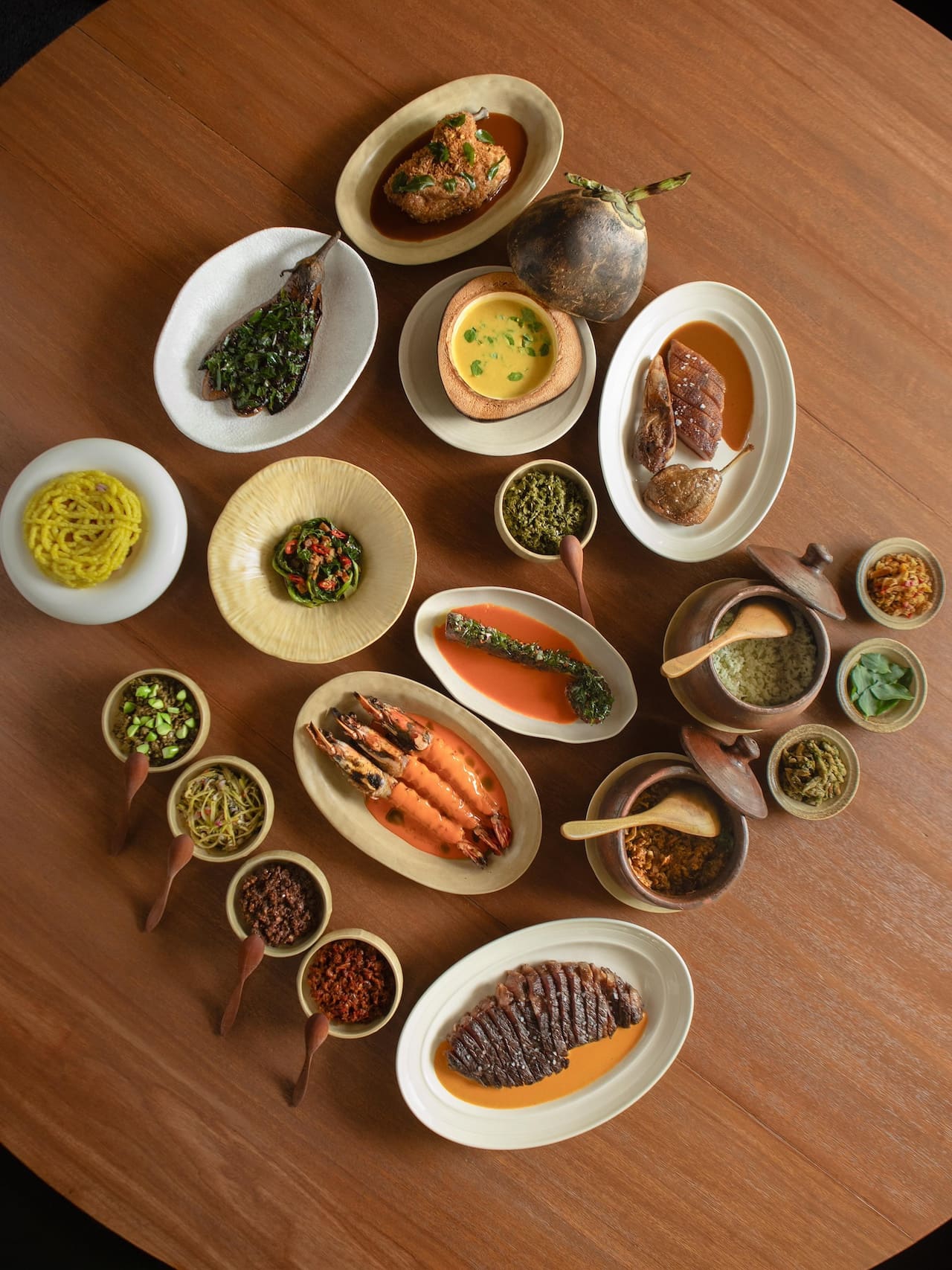
The Mediterranean diet is defined not by rigid constraints, but by the quality and synergy of its food groups. By mapping these principles onto the Indonesian landscape, one can build a robust, accessible anti-inflammatory regimen using locally sourced, whole-food ingredients.
-
Healthy Fats and Lipids
The cornerstone of the Mediterranean diet is healthy fat, particularly monounsaturated fats. While olive oil is the international standard, Indonesia offers excellent alternatives. Virgin coconut oil, when consumed in moderation, and the healthy fats derived from local avocados provide essential lipids that support brain and heart health. -
Indigenous Seafood and Protein Sources
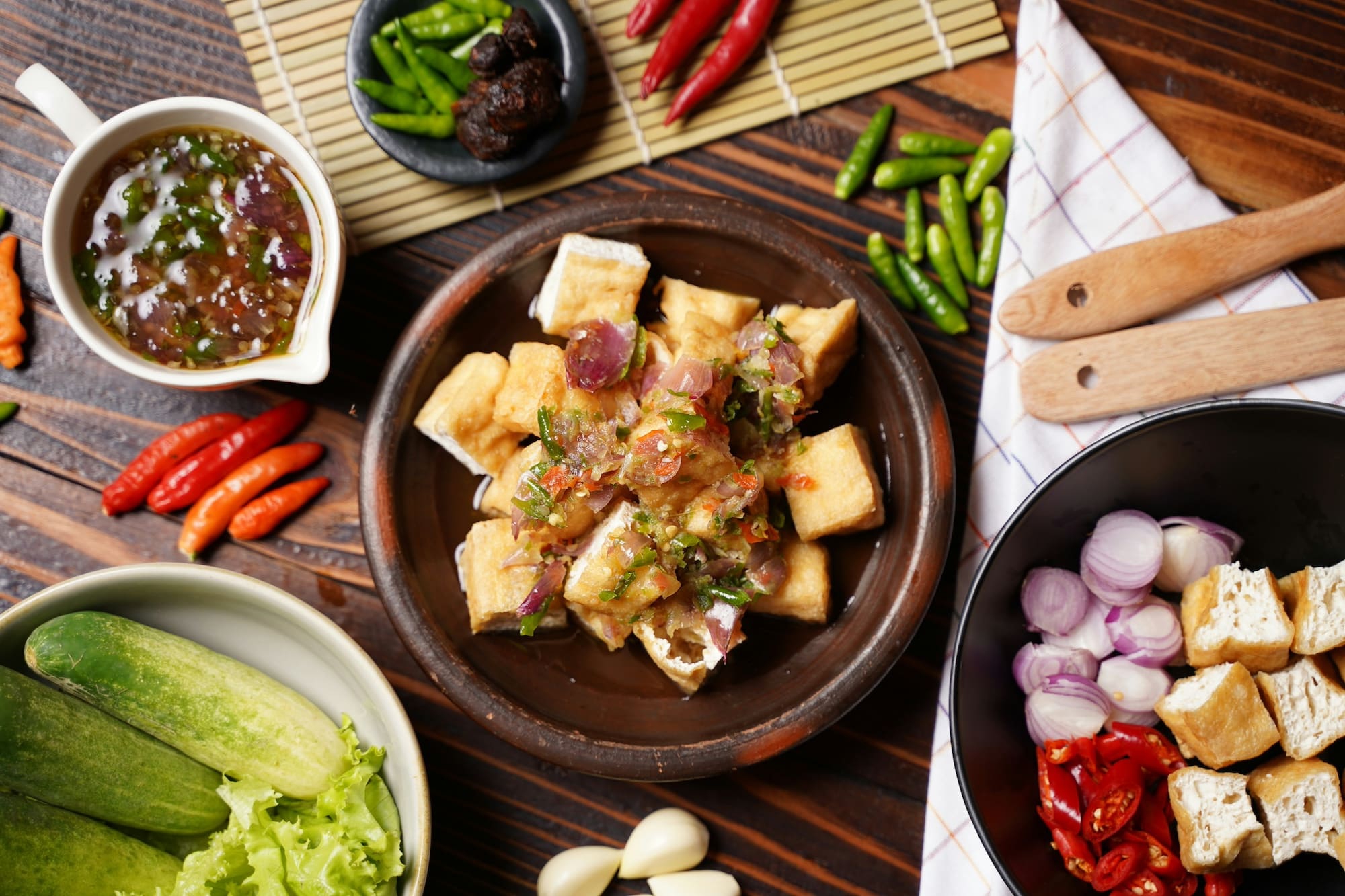
The "blue zone" longevity diets rely heavily on marine protein. Indonesia’s geography provides an unparalleled advantage in this sector. Fatty fish such as kembung (mackerel) and tuna are highly accessible and represent some of the most potent sources of omega-3 fatty acids—specifically EPA and DHA—which are clinically proven to inhibit inflammatory pathways. Furthermore, tempeh, a fermented soy product indigenous to Indonesia, serves as a powerhouse of plant-based protein and probiotics. Fermentation enhances the bioavailability of nutrients, making tempeh an ideal staple for gut health, which is intrinsically linked to systemic inflammation. -
The Power of Green Leafy Vegetables
The Indonesian diet is naturally abundant in dark leafy greens, such as bayam (spinach), kangkung (water spinach), and daun singkong (cassava leaves). These vegetables are packed with antioxidants, vitamins K, C, and E, and folate. These compounds neutralize free radicals, which are unstable molecules that promote cellular damage and inflammation. -
Legumes and Complex Carbohydrates
Beans and lentils are staples in Mediterranean diets for their low glycemic index and high fiber content. In an Indonesian context, the integration of various pulses—mung beans, kidney beans, and chickpeas—helps regulate blood glucose levels. Stable blood sugar is essential to prevent insulin spikes, which are known to trigger inflammatory responses in the body. -
Anti-Inflammatory Spices
The traditional Indonesian jamu culture utilizes ingredients that are now globally recognized for their anti-inflammatory properties. Turmeric (kunyit), containing the active compound curcumin, has been shown in various clinical trials to possess potent anti-inflammatory effects comparable to some over-the-counter medications. Ginger and galangal further support digestion and immune function.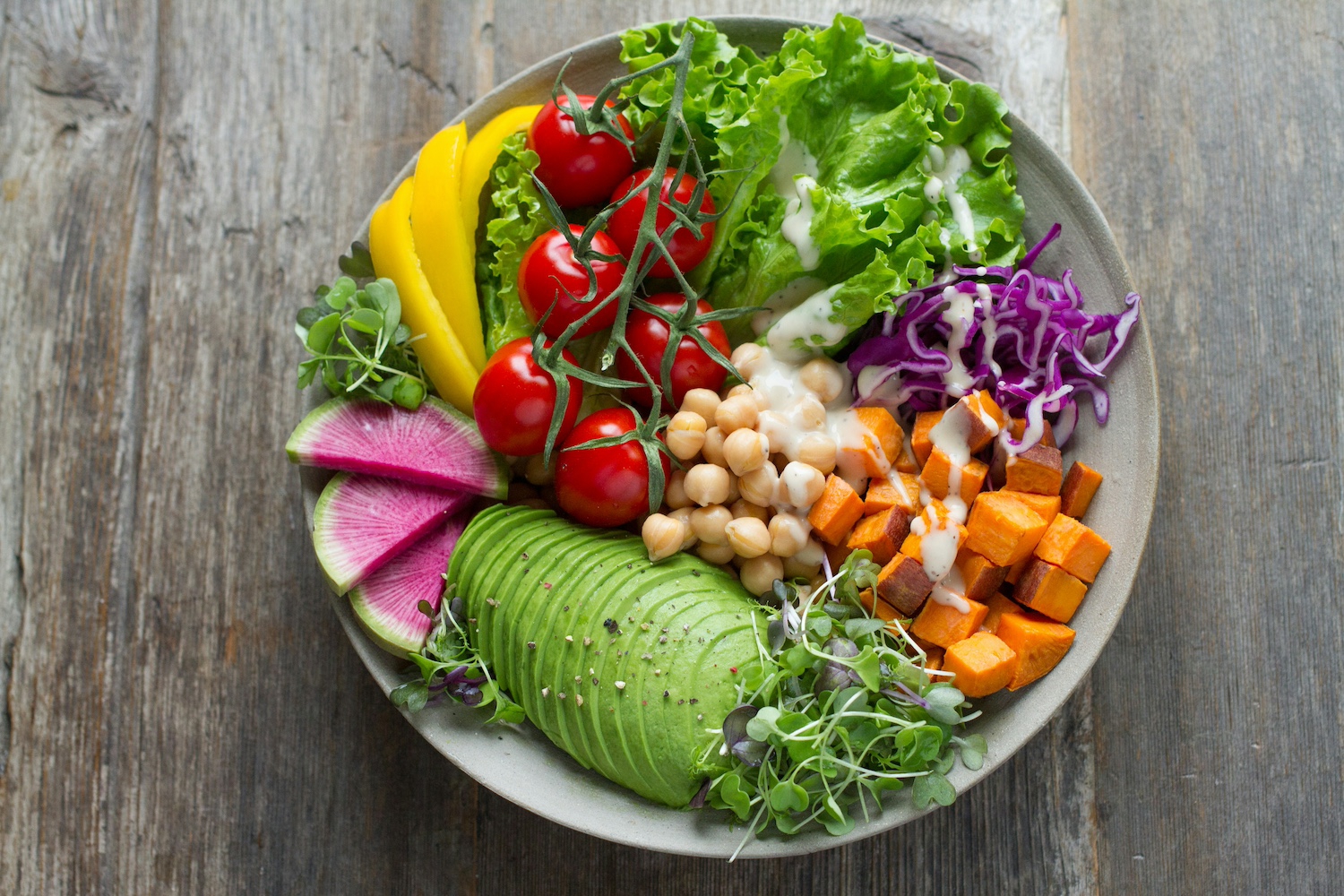
Designing a Practical Daily Menu
For the average individual, the transition to an anti-inflammatory diet is best achieved through incremental changes rather than an abrupt overhaul. A sample daily menu utilizing local ingredients could look as follows:
Breakfast: A bowl of oatmeal or brown rice porridge topped with fresh tropical fruits such as papaya or dragon fruit, sprinkled with a handful of local walnuts or almonds for added omega-3s.
Lunch: Grilled kembung (mackerel) served with a generous portion of lalapan (fresh raw vegetables) and a side of tempeh bacem or steamed tempeh. The inclusion of lalapan ensures a high intake of phytochemicals.
Dinner: A vegetable-heavy soup, such as sayur bening (spinach soup) or sayur asem, paired with a source of lean protein like grilled chicken or local fish. The use of aromatic herbs like lemongrass, galangal, and turmeric in the broth adds both flavor and functional medicinal benefits.
Snacks: Fresh fruits or a small portion of steamed edamame.
The Fallacy of the Superfood Narrative
The modern wellness industry frequently promotes individual "superfoods" as quick fixes for complex health issues. However, nutritional science consistently demonstrates that the protective effects of a diet are derived from the totality of the intake. An individual consuming high amounts of kale but maintaining a high intake of refined sugars and processed meats will not achieve the benefits of an anti-inflammatory lifestyle.
The Mediterranean model is successful precisely because it is a holistic system. It discourages the consumption of ultra-processed foods—those characterized by high levels of refined sugar, artificial additives, and unhealthy trans-fats—while encouraging the inclusion of a diverse range of plant-based foods and lean proteins. This variety ensures a broad spectrum of micronutrients that work in concert. For instance, the vitamin C in citrus fruits enhances the absorption of iron from plant-based greens, while the healthy fats in nuts and fish assist in the absorption of fat-soluble vitamins (A, D, E, and K) present in vegetables.
Long-term Implications for Public Health
The adoption of an anti-inflammatory diet holds significant implications for public health, particularly in emerging economies where the burden of non-communicable diseases (NCDs) is rising. As urbanization increases, the "nutrition transition"—a shift from traditional, fiber-rich, and locally sourced diets to energy-dense, highly processed convenience foods—has been identified as a major driver of obesity and diabetes in Indonesia.
Policy experts and nutritionists suggest that re-emphasizing traditional dietary habits, which are inherently anti-inflammatory, could serve as a non-pharmacological intervention to lower national healthcare costs. By shifting the focus toward local, seasonal, and whole-food consumption, individuals can reclaim control over their metabolic health.

Furthermore, the economic impact of such a shift cannot be overlooked. Relying on local food systems reduces the carbon footprint associated with imported health foods and supports local farmers, creating a more sustainable and resilient food ecosystem. As medical science continues to uncover the links between chronic inflammation and diseases ranging from Alzheimer’s to certain types of cancer, the move toward a Mediterranean-inspired, locally sourced diet represents a practical, evidence-based approach to long-term health preservation.
In summary, building a resilient, anti-inflammatory lifestyle does not require a departure from local cultural identity. Instead, it requires a conscious, informed integration of traditional Indonesian food wisdom with modern nutritional science. By focusing on whole, unprocessed foods, prioritizing fatty fish and plant-based proteins, and embracing the wealth of local spices and vegetables, individuals can effectively manage systemic inflammation and improve their overall quality of life. The journey to wellness is found in the daily choices made at the dining table, characterized by consistency, diversity, and an appreciation for the nutrient-dense bounty provided by the local environment.








