 Bambang Pamungkas
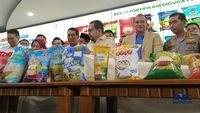
PT Buyung Poetra Sembada Tbk (HOKI), one of Indonesia’s prominent consumer goods and rice processing companies, has officially addressed recent public attention and regulatory developments concerning four of its specialized fortified rice products that have become the subject of government supervision. The issue has brought renewed focus to the regulatory landscape governing nutritional claims, food safety standards, and labeling requirements for fortified staple foods in the Indonesian market.
In an official disclosure submitted to the Indonesia Stock Exchange (IDX), the management of HOKI confirmed that four specific product lines are currently undergoing review by relevant regulatory bodies. These products include Topi Koki Short Grain, Topi Koki Setra Royale, Topi Koki Long Grain Crystal, and HOK-1 Gohan. According to company statements, these offerings are categorized as specialized rice variants that have been enriched with two specific vitamins, carefully manufactured and marketed to meet modern consumer demands for enhanced nutritional value.
The company stated that it acknowledges the supervisory role of government agencies and remains fully cooperative throughout the administrative review process. "HOKI understands that these products have become the object of supervision by government authorities. The company respects the results of the supervision and the follow-up processes conducted by the authorized government institutions," the management stated in the regulatory filing.
Chronology of Regulatory Findings and Official Notices
The administrative process began when PT Buyung Poetra Sembada Tbk received an official notification letter from the Jakarta Capital City Government’s Food Security, Marine, and Agriculture Office (Dinas Ketahanan Pangan, Kelautan dan Pertanian Provinsi DKI Jakarta). The communication outlined specific findings regarding compliance with safety standards, product quality, labeling accuracy, and nutritional claims associated with the four aforementioned rice variants.
Following the receipt of the letter, HOKI’s leadership initiated internal reviews to assess the compliance of the production, packaging, and distribution processes for the fortified lines. While the regulatory assessment continues, HOKI emphasized that its overall business activities, manufacturing facilities, and day-to-day corporate operations are continuing to run normally without broader disruptions. The company has pledged to strictly adhere to the directives and regulatory requirements outlined by the relevant government bodies.
Despite the ongoing evaluation, the company stated that it has not yet been able to fully determine the exact financial and operational ramifications of the scrutiny. This uncertainty particularly applies to potential mandatory sales halts or nationwide product recalls, which would directly impact revenue streams generated by these specialized product categories.
Evaluation of Financial and Operational Implications
In its formal disclosure to the stock exchange, HOKI addressed investor concerns regarding potential financial liabilities and operational bottlenecks. The management reported that because the notification from regulatory authorities is relatively recent, a comprehensive assessment of potential economic losses is still underway.
As part of this evaluation, HOKI is currently conducting a thorough inventory audit across multiple tiers of its distribution network. This includes assessing stock levels remaining within internal warehouses, distribution hubs, wholesale agency networks, modern and traditional retail outlets, as well as electronic commerce platforms operated by third-party partners.
"Up to the date of this information disclosure, the company has not been able to estimate the overall value of potential costs or liabilities that might arise," the management elaborated.
The inventory tracking, potential product recall procedures, and inter-agency coordination remain active and fluid. HOKI noted that if subsequent findings dictate material financial impacts or mandatory liabilities, these will be formally recorded and recognized in accordance with prevailing accounting standards and capital market transparency regulations. The company has promised to issue subsequent market disclosures should any material updates emerge from its ongoing consultations with regulatory authorities.
Contextual Background on Fortified Rice and Regulatory Standards
The scrutiny faced by PT Buyung Poetra Sembada Tbk highlights a broader regulatory focus on food fortification, health claims, and nutritional labeling within Indonesia’s consumer goods sector. Fortified rice—staple grain enriched with essential micronutrients such as vitamins and minerals—has emerged as a strategic product category aimed at addressing nutritional gaps in developing markets. However, the commercialization of such products demands rigorous adherence to national standards set by regulatory institutions such as the Indonesian Food and Drug Authority (BPOM) and local agricultural and food security offices.
In recent years, consumer demand for health-conscious food products has surged across Southeast Asia’s largest economy. Companies like HOKI have expanded their product portfolios to include specialized grains tailored for health-conscious consumers, children, and specific dietary needs. This diversification strategy helps companies capture higher margins compared to bulk commodity rice. However, introducing enhanced nutritional claims requires strict regulatory alignment regarding how these vitamins are declared on packaging, whether the fortification levels match official health guidelines, and whether marketing terminologies comply with food safety laws.
Regulatory oversight in this sector is designed to protect consumers from misleading health claims and ensure that staple foods maintain consistent safety and quality parameters. When discrepancies are identified during routine market surveillance or targeted audits, agencies typically issue compliance warnings, request product audits, or mandate temporary market suspensions until corrective actions are implemented.
Broader Industry Implications and Market Outlook
The unfolding situation involving HOKI serves as a critical case study for the Indonesian processed food and agribusiness sector. Compliance challenges in fortified food labeling and distribution underscore the complexities that publicly listed companies face when navigating evolving regulatory frameworks.
Market analysts note that while short-term uncertainties regarding the four specific Topi Koki and HOK-1 variants may create temporary sentiment volatility for HOKI’s shares on the IDX, the company’s proactive cooperation with authorities could help mitigate long-term reputational risks. Transparent communication and swift execution of corrective measures are widely regarded by institutional investors as positive indicators of corporate governance maturity.
Furthermore, the case emphasizes the necessity for food producers to maintain rigorous quality assurance protocols and continuous regulatory monitoring, particularly as government bodies ramp up supervision over specialized nutritional claims. As public health initiatives increasingly intersect with commercial food manufacturing, compliance transparency will remain a cornerstone for sustainable growth in Indonesia’s packaged food industry.
PT Buyung Poetra Sembada Tbk reiterated its commitment to upholding high standards of compliance and corporate governance. The company stated that it will maintain an open dialogue with the Jakarta Food Security, Marine, and Agriculture Office and other relevant authorities to resolve the administrative findings swiftly. Investors and market participants await further official updates as the inventory audits and regulatory evaluations reach their concluding stages.