Nila Kartika Wati
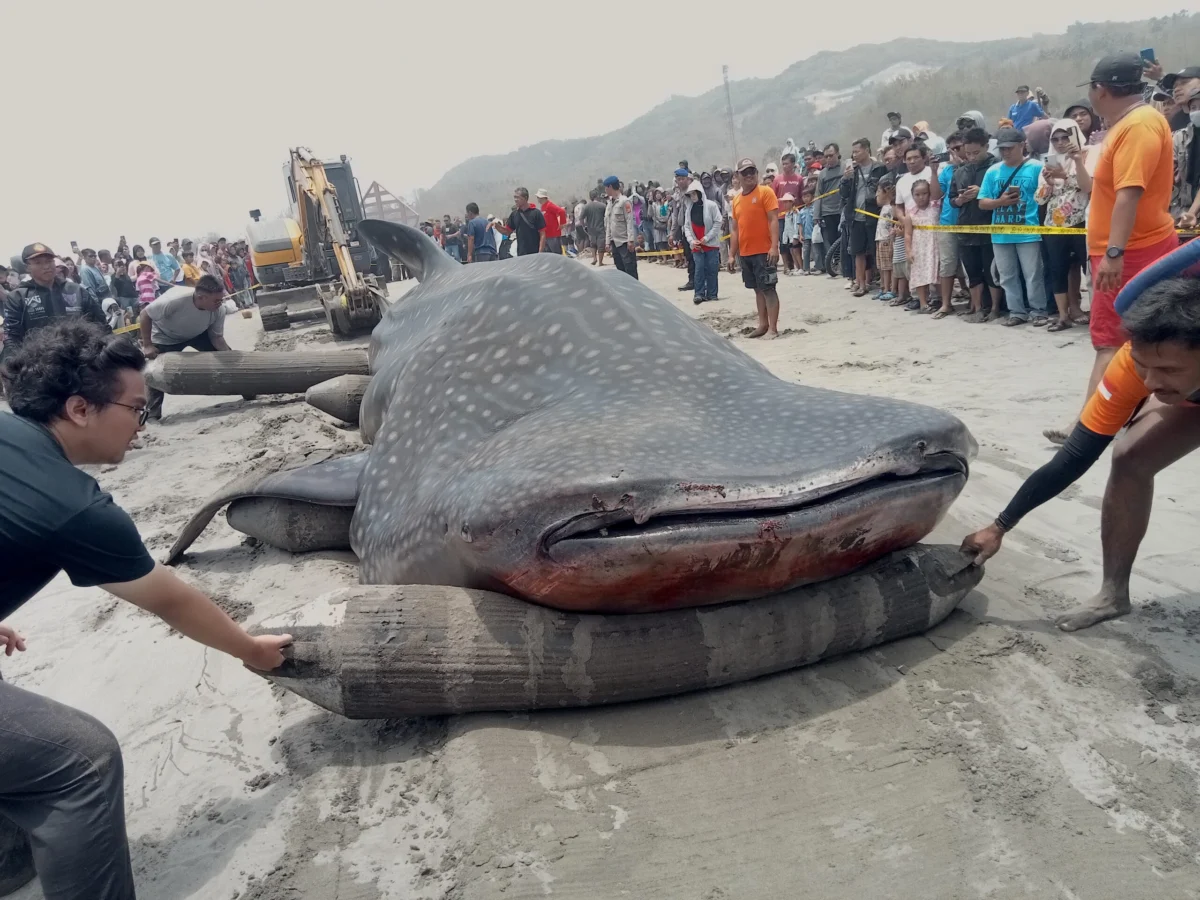
The quiet morning of Sunday, October 18, 2026, at Parangkusumo Beach in Bantul, Yogyakarta, was shattered by the discovery of a nine-meter-long whale stranded in the intertidal zone. The incident, which occurred around 3:00 AM, marked yet another grim addition to an alarming series of megafauna strandings across the Indonesian archipelago. Despite the rapid response of a dedicated coalition—including the Sealife First Responder team, Satlinmas of Parangtritis, Satgas Jogo Segoro, and the Yogyakarta Marine and Fisheries Office—the whale could not be saved. By the time emergency responders arrived with floodlights and manual tools to attempt a rescue, the animal had succumbed to its condition, shifting from a live stranding to a confirmed mortality.
This event follows a string of similar incidents across the country, most notably a recent case in Maluku, highlighting a growing crisis in Indonesian coastal waters. As the frequency of these events climbs, the logistical, financial, and scientific challenges of managing stranded megafauna have come under intense scrutiny.
A Race Against Time and Tide
The chronology of the Parangkusumo incident illustrates the extreme difficulties responders face. Upon discovery by local fishermen, the notification chain was initiated immediately. However, the window for a successful rescue is notoriously narrow. By the time the multidisciplinary team arrived at the site, approximately two hours had elapsed.
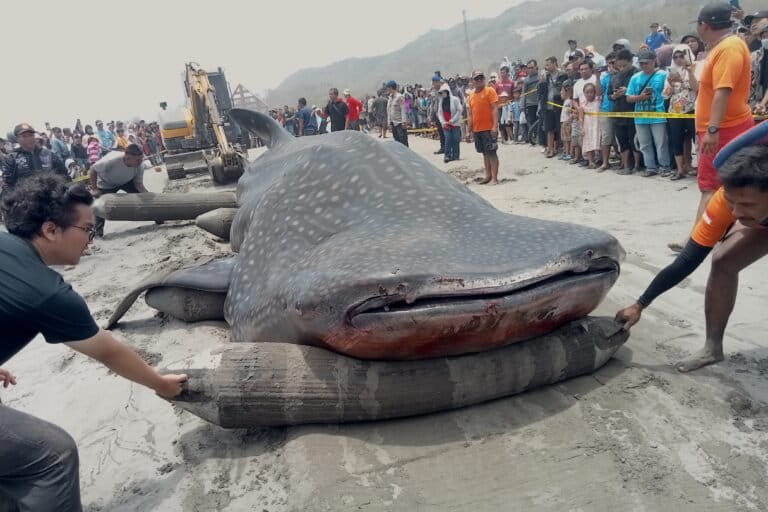
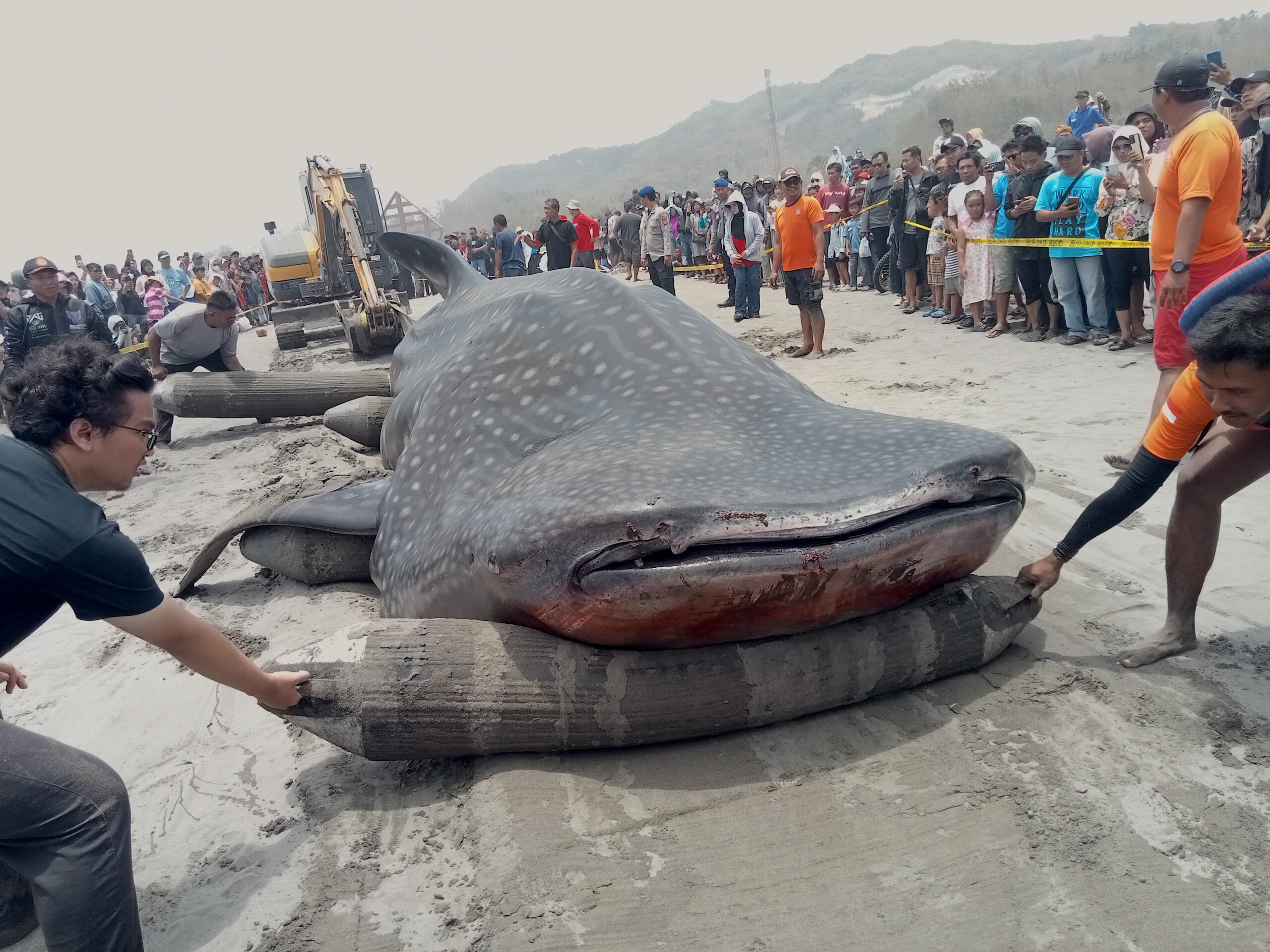
Galang, an officer with the Satgas Jogo Segoro, described the transition of the whale’s condition from “code one” (alive) to “code two” (recently deceased) as the team prepared for a rescue maneuver. The sheer physical scale of the animal—weighing over two tons—necessitated the use of heavy machinery. Once the animal was confirmed dead, the priority shifted from rescue to forensic examination. A team of veterinarians from Sealife Indonesia and the local Department of Marine Affairs and Fisheries (DKP) conducted a thorough necropsy, extracting organ samples to be transported to specialized laboratories for toxicological and pathological analysis.
The scene, however, was complicated by a significant public presence. Despite the establishment of a "cross line" to secure the area, local residents gathered in large numbers, many seeking to take photographs with the carcass. This presented not only a logistical hurdle for the removal team but also a public health concern, as the cause of death remained unknown, raising the potential for the transmission of zoonotic pathogens.
The Financial and Logistical Burden of Conservation
The incident in Bantul has reignited the debate regarding the lack of a centralized, well-funded mechanism for handling marine mammal strandings. According to responders, the cost of managing such incidents—which includes renting excavators, sourcing surgical equipment, purchasing hazardous waste disposal supplies like formalin and tarps, and covering lab fees—often falls on the shoulders of local volunteers and under-resourced regional agencies.
Veronika Foniroro of the Yogyakarta DKP acknowledged these budgetary constraints, noting that while the Bantul incident was managed effectively, the long-term sustainability of such responses is precarious. The reliance on ad-hoc fundraising and limited operational budgets is a systemic weakness that threatens the efficacy of Indonesia’s conservation efforts.

Analyzing the Rising Trend of Strandings
Data provided by conservationists paints a sobering picture. Over the past 13 years, between 2011 and 2023, Indonesia has recorded 115 stranding incidents involving 127 individual whales. This data represents a massive increase compared to global historical records, which only documented 114 cases over the course of more than a century (1880–2021).
Iqbal Herwata, a senior manager at Yayasan Konservasi Indonesia, notes that the post-2020 period has seen a surge in reported cases, rising to an average of 20 incidents per year. While some of this increase can be attributed to better reporting via social media and heightened public awareness, the frequency of strandings in Java—specifically West and East Java—remains disproportionately high.
The phenomenon of "upwelling," which causes cold, nutrient-rich water to rise from the depths to the surface along the southern coast of Java, is a key factor. During the third and fourth quarters of the year, this nutrient spike attracts schools of anchovies and krill, which in turn draw whale sharks and other filter-feeders into the coastal shallows. While this creates a productive feeding ground, it also places these massive animals in closer proximity to human-impacted shorelines, increasing the risk of entrapment in fishing nets, ingestion of plastic debris, and grounding due to tidal shifts.
Scientific Investigation and Policy Implications
Dr. Dwi Suprapti, a veterinarian specializing in aquatic megafauna, highlighted that the recent wave of deaths lacks a singular, obvious explanation. The necropsy of the Bantul whale revealed that the animal’s stomach was full of undigested prey, such as krill and small fish, suggesting a sudden, rather than protracted, death.

"We have seen eight whale shark strandings in just the first six months of this year along the southern coast," Dr. Suprapti noted. "The challenge is that Indonesia currently lacks a comprehensive, peer-reviewed publication that synthesizes the environmental, oceanographic, and biological data required to explain this trend."
The Ministry of Marine Affairs and Fisheries (KKP) has begun to integrate these incidents into a broader policy framework. Through the National Action Plan (RAN) for Whale Shark Conservation, the government aims to bridge the gap between reactive emergency responses and proactive conservation strategies. The current plan, covering the period through 2029, emphasizes the importance of data collection during necropsies as a tool for informing future maritime spatial planning.
The Path Forward: Mitigation and Awareness
The broader implications of these deaths extend beyond the loss of individual animals. Whale sharks are listed as an endangered species globally, with populations estimated to have declined by 50% to 70% in recent decades. Indonesia’s role as a vital migration corridor makes the management of these populations a matter of international conservation significance.
Andrian Saputra of the KKP’s Marine Spatial Management Agency suggests that the data gathered from necropsies serves as a "silent alarm" regarding the health of Indonesia’s oceans. Beyond the immediate threats of climate-induced changes and natural migration patterns, human-induced factors such as heavy metal contamination—possibly linked to runoff from aquaculture and industrial activities—remain a significant, if difficult-to-quantify, risk factor.
The government’s proposed strategy involves a three-pronged approach:
- Strengthening the Response Network: Establishing standardized protocols and specialized training for regional responders to ensure that live strandings have a higher success rate for intervention.
- Scientific Integration: Creating a national database that connects necropsy results with regional oceanographic data to identify "hotspots" where protective measures, such as vessel speed restrictions or seasonal fishing bans, might be implemented.
- Public Education: Shifting the narrative from opportunistic photography to public safety and conservation, ensuring that communities understand the risks associated with carcass handling and the ecological importance of these creatures.
As the 2026 season progresses, the international scientific community is watching the southern coast of Java closely. The death of the whale in Bantul is not merely a local tragedy; it is a sentinel event reflecting the complex, often unseen struggles of marine life in an era of rapid environmental change. With better political support, consistent funding, and a more robust scientific framework, experts believe it is possible to mitigate the human contribution to these strandings, potentially allowing these gentle giants to recover their numbers within the next century. For now, however, the shores of Java remain a challenging frontier for the giants of the deep, serving as a stark reminder of the fragile equilibrium between industrial development and marine biodiversity.