Eko Sulistyo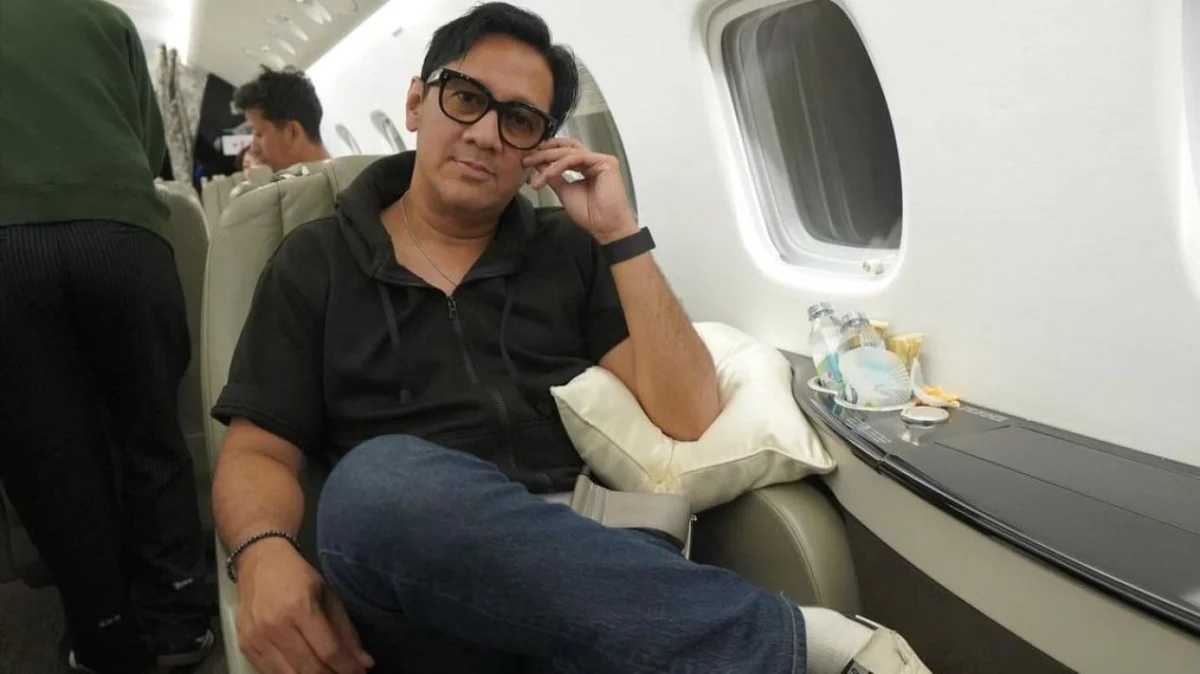
The entertainment and political landscape in Indonesia witnessed a flurry of significant developments on Thursday, September 17, 2026. From the personal life of veteran comedian and television personality Andre Taulany to the high-stakes political shifts within the cabinet of President Prabowo Subianto, public interest reached a fever pitch. This comprehensive report details the most discussed events, analyzing their implications and providing context to the headlines that dominated the news cycle.
Andre Taulany’s New Chapter and the Response of His Children
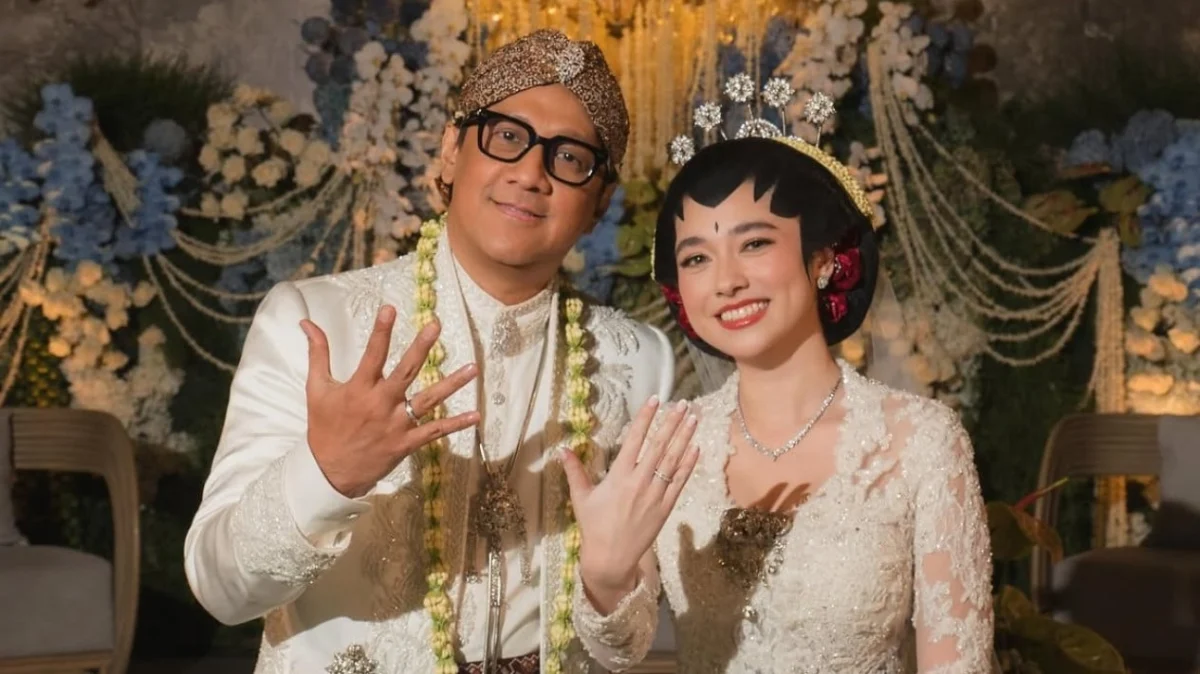
The most prominent headline currently captivating the Indonesian public is the impending marriage of Andre Taulany to actress Amanda Rigby. Since the rumors began circulating, the public has been eager to understand how the comedian’s family—specifically his three children from his previous marriage to Rien Wartia Trigina (Erin)—would perceive this significant life transition.
Andre Taulany, a household name in Indonesian entertainment, has navigated a high-profile divorce and now finds himself moving toward a new chapter. Reports indicate that Ardio Raihansyah Taulany, Arkenzy Salmansyah Taulany, and Arlova Carissa Taulany have expressed support for their father’s decision. Family dynamics in the public eye are often subject to intense scrutiny, but sources close to the family suggest that the children prioritize their father’s happiness, reflecting a mature approach to their parents’ separation and the subsequent restructuring of their family unit.
For many fans, this development is not merely a celebrity gossip item but a reflection of the evolving nature of celebrity domesticity in Indonesia. Andre, who has spent decades in the public eye, continues to maintain a balance between his professional obligations and his private life, attempting to shield his children from unnecessary media pressure while acknowledging the public’s interest in his personal milestones.
The Economic Independence of Erin Taulany Post-Divorce
Concurrent with the news of Andre’s potential remarriage, the spotlight has shifted toward his former wife, Erin Taulany. Public curiosity regarding her financial standing has spiked, as many speculate about the source of her wealth following the dissolution of their long-standing marriage.
During her time as the wife of one of Indonesia’s highest-paid entertainers, Erin cultivated a lifestyle characterized by luxury and high-profile social engagements. However, she has also been a consistent figure in the business world, involved in various fashion and lifestyle enterprises. Analysts observe that high-net-worth individuals in the celebrity sphere often possess diversified portfolios, ranging from real estate investments to brand endorsements and retail ventures.
The renewed focus on Erin’s financial independence serves as a case study in how celebrity spouses navigate the post-divorce landscape. While the public often views these situations through the lens of alimony or settlement, the reality for many in this demographic involves a strategic leveraging of personal branding and existing business acumen. Erin’s continued presence in the public eye, separate from her former husband’s career, suggests a concerted effort to maintain a personal brand that stands independently of her past marital status.
Purbaya Yudhi Sadewa and the Cabinet Shake-up
Beyond the entertainment sector, the political scene experienced a significant shift on Monday, September 14, 2026, when President Prabowo Subianto officially replaced Purbaya Yudhi Sadewa as the Minister of Finance. The transition saw Suahasil Nazara, the former Deputy Minister, step into the role at the State Palace.
The aftermath of this decision has been marked by personal insights shared by Purbaya’s wife, Ida Yulidina. Through her social media channels, Yulidina provided a rare glimpse into the psychological and emotional toll that the high-pressure environment of the Ministry of Finance had on her husband in the weeks leading up to his removal.
Yulidina noted that Purbaya had exhibited marked behavioral changes, particularly when faced with the complexities of administrative restructuring and personnel mutations within the ministry. These observations provide a humanizing element to the often sterile world of bureaucratic transitions. The stress associated with managing the nation’s finances—especially during a period of economic adjustment under the Prabowo administration—is immense, and Yulidina’s narrative highlights the personal sacrifices often required of public servants and their families.
The Broader Impact of Cabinet Changes
The replacement of Purbaya by Suahasil Nazara is viewed by political analysts as a strategic move by the Prabowo government to streamline economic policy. Suahasil, having served as the Deputy Minister, offers continuity, which is essential for maintaining investor confidence and ensuring that ongoing fiscal projects remain on track.
However, the "human factor" revealed by Ida Yulidina underscores the reality of governance. When ministers are removed or replaced, it is rarely just an administrative act; it is the culmination of months of intense negotiation, pressure, and, in some cases, internal conflict. The public discourse surrounding Purbaya’s departure—fueled by his wife’s transparency—has added a layer of depth to the political news cycle, reminding observers that policy decisions are made by individuals who are subject to significant personal and professional strain.
Ida Yulidina: A Profile in Resilience
The viral nature of Ida Yulidina’s statements has prompted a closer look at her background. As a prominent figure in her own right, particularly as a former model in the 1980s, Yulidina has navigated the complexities of being a public figure’s spouse with grace. Her transition from the glamour of the entertainment industry to the austere environment of political life is a testament to her adaptability.
Her willingness to speak out regarding her husband’s state of mind has set a precedent for transparency among the spouses of high-ranking officials. In a political climate where discretion is often the norm, Yulidina’s decision to share a more vulnerable side of their experience has resonated with the public, shifting the conversation from a purely political debate to a broader discussion on the demands of public service.
Analysis: The Interplay Between Celebrity and Politics
The simultaneous interest in the lives of Andre Taulany and the political career of Purbaya Yudhi Sadewa illustrates the unique media landscape in Indonesia. The audience often consumes celebrity news and political analysis with equal fervor, and the lines between the two occasionally blur, particularly when personal lives become public narratives.
In the case of Andre Taulany, the public’s interest is driven by a long-term emotional investment in his career. In the case of Purbaya, the interest is driven by the potential impact of his departure on the nation’s economic stability. Both stories, however, share a common theme: the evolution of individual identity within the constraints of public expectation.
As the nation moves forward, the impact of these events will continue to unfold. Andre Taulany’s marriage will likely remain a topic of media coverage for the foreseeable future, while the fiscal policies of the new Finance Minister, Suahasil Nazara, will dictate the country’s economic health.
Conclusion: Looking Ahead
As of September 18, 2026, the Indonesian media remains focused on these key narratives. The resilience of families in the face of transition—whether personal, as seen with the Taulany family, or professional, as seen with the family of Purbaya Yudhi Sadewa—remains a central theme in the national consciousness.
The coming weeks will likely see further developments as the public adjusts to the new leadership at the Ministry of Finance and as the details of Andre Taulany’s wedding plans are finalized. The convergence of these stories highlights the diversity of interests within the Indonesian public, proving that whether the topic is a celebrity romance or a cabinet shuffle, the desire for transparency, human connection, and insight into the lives of those in the spotlight remains a powerful driving force in modern media.
For those following these developments, the lessons remain clear: the public sphere is a dynamic space where the personal is often political, and the political is profoundly personal. As the news cycle continues to evolve, the focus will undoubtedly remain on how these individuals navigate their roles in an increasingly scrutinized public environment.