Eko Sulistyo
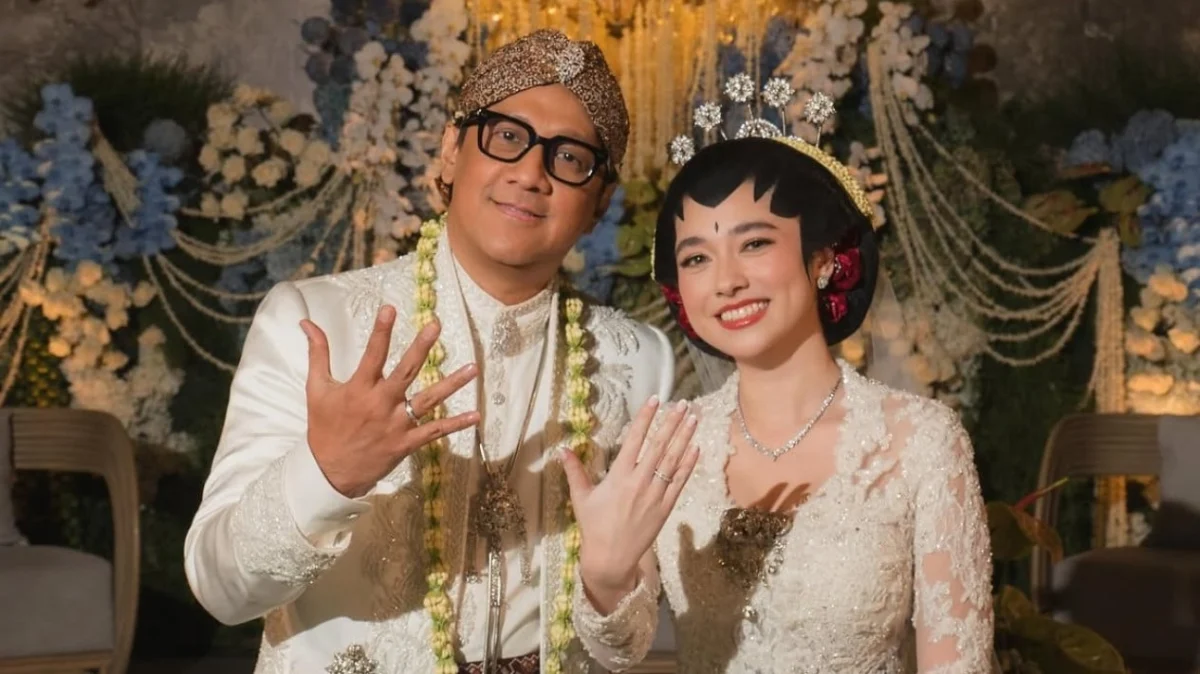
The prospect of a high-profile union between veteran Indonesian entertainer Andre Taulany and actress Amanda Rigby has captured significant public interest, following the emergence of official marriage recommendation documents within the Office of Religious Affairs (KUA) system. While the paperwork confirms that preparations are underway, the couple has opted to keep the specifics of their wedding date under wraps, citing ongoing administrative complexities related to international legal requirements. As of September 17, 2026, the administrative process remains in a transitional phase, complicated by the fact that Amanda Rigby holds British citizenship, necessitating additional documentation from foreign diplomatic channels.
The Administrative Hurdles of Cross-Border Marriages
The primary obstacle currently delaying the finalization of the wedding plans is the legal complexity inherent in marrying a foreign national. Under Indonesian law, marriage between an Indonesian citizen and a foreign national (WNA) requires a rigorous set of documents to ensure compliance with both local regulations and the laws of the foreigner’s home country.
Andre Taulany, in a statement to the media on Thursday, September 17, 2026, confirmed that the delay is not a matter of hesitation but a procedural necessity. He emphasized that the bureaucratic requirements for obtaining a "No Objection" letter and other essential permits from the British Embassy are time-consuming. "We are currently in the process of finalizing the recommendations from the KUA. The primary delay stems from incomplete documentation, specifically the required correspondence from the embassy, which is still pending," Taulany explained.
For many couples in similar positions, the "Certificate of No Impediment" (CNI) is the most critical document. This certificate serves as official proof that the foreign party is legally free to marry under their home country’s laws. Without this document, Indonesian KUA offices are strictly prohibited from proceeding with the marriage ceremony, regardless of the celebrity status of the individuals involved.
Chronology of the Marriage Recommendation
The digital trail of the couple’s intent began in mid-summer 2026. Official records from the KUA system indicate that the initial request for a marriage recommendation was filed on August 14, 2026. The request was initiated through the KUA of East Ciputat and directed toward the KUA of Kebayoran Baru, the district where the ceremony is anticipated to take place.
As of the latest reports, the status of this application remains listed as "Sent" (Terkirim). This status indicates that while the digital application has been logged, the physical dossiers required for final verification—which include the aforementioned international documents, proof of identity, and health clearances—have not yet been processed or validated by the authorities at the Kebayoran Baru KUA office. The administrative bottleneck highlights the meticulous nature of Indonesian civil registry procedures, which remain largely paper-based for international unions to ensure the legality of the marriage certificate in both jurisdictions.
Navigating Public Scrutiny and Media Speculation
Since the information regarding the KUA recommendation became public, Andre Taulany has been subject to intense media scrutiny. The entertainer, known for his long-standing presence in the Indonesian comedy and television scene, has managed the situation with a blend of transparency and humor. By addressing the media directly, he has attempted to mitigate rumors regarding the stability of the wedding plans.
When questioned about the potential date of the ceremony, Taulany maintained a firm stance on prioritizing legal compliance over public convenience. "I do not have a date to share because the paperwork takes precedence. Once the documentation is entirely settled, only then will we look at the calendar. My priority is to ensure everything is legally sound before we proceed to any public announcement," he stated.
This approach is characteristic of a measured public figure who understands the implications of media exposure. By refusing to commit to a date, he effectively creates a buffer against potential public disappointment should further administrative delays arise.
Theoretical Implications for the Couple
The legal marriage of a high-profile figure like Andre Taulany to a foreign national carries broader implications. Firstly, it brings attention to the often-overlooked complexities of cross-border civil administration in Indonesia. Many citizens are unaware of the rigorous vetting processes involved when an Indonesian citizen marries a foreigner, including the need for translation of birth certificates, proof of marital status, and potential religious conversion documents if required by local KUA regulations.
Secondly, the case serves as a reminder of the evolving nature of celebrity privacy in the digital age. With the digitization of government systems, such as the KUA’s online registration, personal information that was once private—such as marriage intent—is increasingly vulnerable to public discovery. This creates a new paradigm where public figures must balance the necessity of government registration with the inevitable leakage of that information into the public domain.
Conceptualizing the Ceremony: A Touch of Humor
Despite the serious tone of the administrative delays, Andre Taulany has maintained his trademark comedic persona when addressing questions about the wedding theme. In a lighthearted comment that drew amusement from the press, Taulany suggested that the theme might lean toward an "Avengers" motif. While this is clearly a deflection meant to steer the conversation away from intimate planning details, it reflects the couple’s desire to keep the mood light amidst the stress of wedding preparations.
The decision to keep the theme and the date ambiguous suggests that the couple is taking a deliberate step back from the performative aspect of celebrity weddings. By focusing on the "boring" legalities first, they are ensuring that the foundation of their future life together is built upon a solid, undisputed legal framework.
Legal and Social Context in Indonesia
The Indonesian Marriage Law No. 1 of 1974, along with subsequent revisions and government regulations, provides the framework for such unions. For a marriage to be considered valid in Indonesia, it must be performed according to the religious rites of the couple and registered with the civil authorities.
In the case of an international marriage, the "Mixed Marriage" (Perkawinan Campuran) regulations apply. These regulations are designed to protect the rights of the Indonesian citizen while ensuring that the foreign spouse also understands the legal landscape of their new environment. The KUA’s role is to ensure that the religious requirements are met, while the Civil Registry Office (Dinas Kependudukan dan Catatan Sipil) handles the legal marriage certificate for the foreign national. The dual-pathway of registration is often where couples face the most confusion, explaining why Taulany expressed a lack of familiarity with the specific terminology of the documents required.
Future Outlook
As the investigation into the administrative status continues, it is expected that the KUA Kebayoran Baru will provide further updates once the physical documents from the British Embassy are received. Until that time, the public and the media are likely to remain in a state of anticipation.
For Andre Taulany and Amanda Rigby, the path forward is clear: the bureaucracy must be navigated, the documents must be verified, and only then will the wedding transition from an administrative file to a celebratory event. As they continue to work through the requirements, their case remains a testament to the fact that even in the lives of public figures, the law remains the ultimate arbiter of the timing for such significant life milestones.
The public should expect further silence on the matter of the wedding date until the KUA status changes from "Sent" to "Verified" or "Approved." Until such a time, the couple’s request for privacy and patience regarding the administrative process remains the official word on the subject. The focus remains on the legal, not the theatrical, ensuring that when the event does occur, it will be beyond reproach from a legal standpoint, setting a standard for responsible public conduct in the lead-up to marriage.