Eko Sulistyo
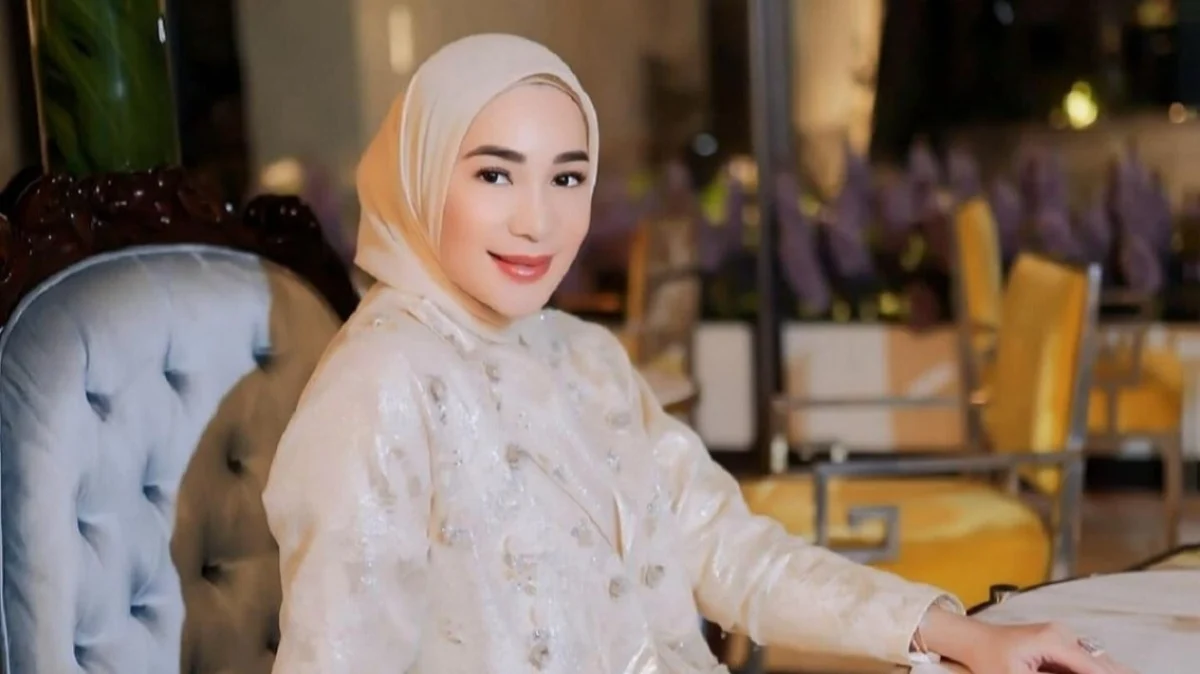
The recent departure of Purbaya Yudhi Sadewa from his position as Minister of Finance has triggered a wave of public discourse, not only regarding the administrative transition but also concerning the emotional aftermath experienced by his family. Following the official announcement of his removal from the cabinet, his wife, Ida Yulidina, became a focal point of media attention after sharing candid reflections on social media regarding her husband’s resignation. Her public commentary, which touched upon themes of integrity and the complexities of governance, has resonated widely across various digital platforms, prompting a deeper look into the background of a woman who, decades prior to her time in the public eye as a political spouse, was a prominent figure in Indonesia’s modeling industry.
Chronology of the Transition and Viral Reaction
The transition within the Ministry of Finance, formalized on Thursday, September 17, 2026, marked a significant shift in the cabinet’s composition. Shortly after the news broke, Ida Yulidina utilized her social media presence to express her personal observations regarding the circumstances of her husband’s departure. In a post that was subsequently circulated on platforms such as TikTok, Ida articulated her frustrations with the political environment, suggesting that the current state of affairs was hindered by a lack of sincerity among certain stakeholders.
"It seems our nation is beyond repair. There are more malicious actors than honest ones," Ida wrote in a post that garnered significant engagement. Her message also included an apology on behalf of her husband, Purbaya, for any perceived shortcomings during his tenure, coupled with an expression of faith that the truth behind the administrative changes would eventually come to light.
In a poignant account of the day’s events, Ida shared the emotional toll the transition had taken on her husband. She described a moment where Purbaya requested to be picked up from his office, a gesture that signaled the finality of his departure from the ministry. She noted her desire to offer him strength during this period of professional uncertainty, characterizing the experience as a disappointment that they must navigate as a family.
Background and Professional Profile of Ida Yulidina
While the recent political developments have brought Ida into the contemporary spotlight, her public profile has roots that extend back to the late 1980s. Born with a background in legal studies, Ida Yulidina is a graduate of the Faculty of Law at Padjadjaran University (Unpad). Her academic foundation provided her with a pragmatic perspective that she maintained even as she transitioned into the high-pressure environment of political life as the spouse of a high-ranking government official.
Her professional trajectory took a distinct turn during her youth in Bandung. In 1989, at the age of 22, Ida participated in the prestigious "Wajah Femina" competition, a platform that served as a significant launchpad for aspiring models and media personalities in Indonesia. Ida secured the first-place title, a milestone that led to her feature as the cover model for Femina magazine in May 1989. This achievement established her as a recognizable face in the media landscape of the era.
Following her marriage to Purbaya Yudhi Sadewa, Ida transitioned away from the limelight of the modeling world. She dedicated her efforts to supporting her husband’s career, which included moving abroad to accompany Purbaya during his advanced academic studies in the United States. This period of their lives was defined by a focus on family and the upbringing of their two sons, Yuda Purboyo Sunu and Yudo Achilles Sadewa, moving away from the public gaze until the recent events necessitated a return to the forefront of national conversation.
Contextualizing the Political Landscape
The removal of a cabinet minister is a complex process often influenced by a myriad of factors, including economic performance indicators, policy alignment with the administration’s goals, and broader political maneuvering. In the Indonesian context, the Ministry of Finance holds a critical position as the steward of the nation’s fiscal health.
During Purbaya Yudhi Sadewa’s tenure, the government faced several macroeconomic challenges, including inflationary pressures, the need for structural reform in tax collection, and the balancing of national debt against the requirements for infrastructure development. Economic analysts often emphasize that ministerial appointments and removals are administrative prerogatives of the executive branch, intended to revitalize policy implementation or address shifting national priorities.
The public reaction to Ida’s comments underscores the growing intersection between the personal lives of government officials and their professional mandates. In the digital age, social media has become a space where the boundaries of "private" and "public" are frequently blurred, allowing family members to humanize the often-clinical process of political transition. However, this also subjects them to intense public scrutiny, where every statement is analyzed for potential political subtext.
Implications and Expert Perspectives
Political analysts suggest that the viral nature of such personal statements reflects a public hunger for transparency and a deeper understanding of the human element behind government decisions. When a spouse speaks out, it often provides a perspective that official government press releases lack, albeit one that is inherently biased toward the official in question.
"When family members of public officials enter the digital conversation, they are essentially providing a counter-narrative to the official reports of a transition," says a political communications expert. "While this can generate sympathy, it also invites critical assessment of the official’s performance. The public is essentially looking for a narrative that reconciles the official version of events with the personal impact of those events."
From a governance standpoint, the resignation or removal of a cabinet minister is a routine administrative function in a healthy democracy. Yet, the emotional response from the family highlights the reality that these positions are held by individuals whose lives are deeply impacted by the fluctuations of political fortune. The discourse surrounding the Sadewa family serves as a reminder of the personal sacrifice often required by those serving in the upper echelons of government.
The Role of Social Media in Modern Governance
The incident involving Ida Yulidina highlights the evolving role of social media in the life of public figures. Platforms like TikTok and Instagram have transformed from mere tools for personal expression into arenas for political commentary. This shift presents both opportunities and risks for public officials.
While social media allows for direct communication with the public, bypassing traditional media filters, it also lacks the guardrails of professional journalism. Statements made in the heat of an emotional moment can have long-lasting implications for the public image of the official and their family. The case of Ida Yulidina is a prime example of how a private sentiment, shared in a moment of distress, can be amplified by algorithms and social media dynamics to reach a national audience within hours.
Looking Ahead
As the transition at the Ministry of Finance settles, the focus of the public and the media will likely shift toward the incoming leadership and the continuity of the government’s fiscal agenda. For the Sadewa family, the period following the departure from the cabinet will involve an adjustment to a different pace of life.
Ida Yulidina’s history—from a successful model in the 1980s to an academic, a mother, and a political spouse—reflects a life defined by diverse roles. Her recent viral moment serves as a chapter in her long narrative, illustrating the complexities of being a public figure in an era where the private is increasingly scrutinized. As the dust settles, the focus remains on the broader implications of the government’s fiscal strategy, while the human stories behind the policy decisions continue to provide a compelling, if sometimes contentious, backdrop to the political developments of 2026.