Tyo Susilo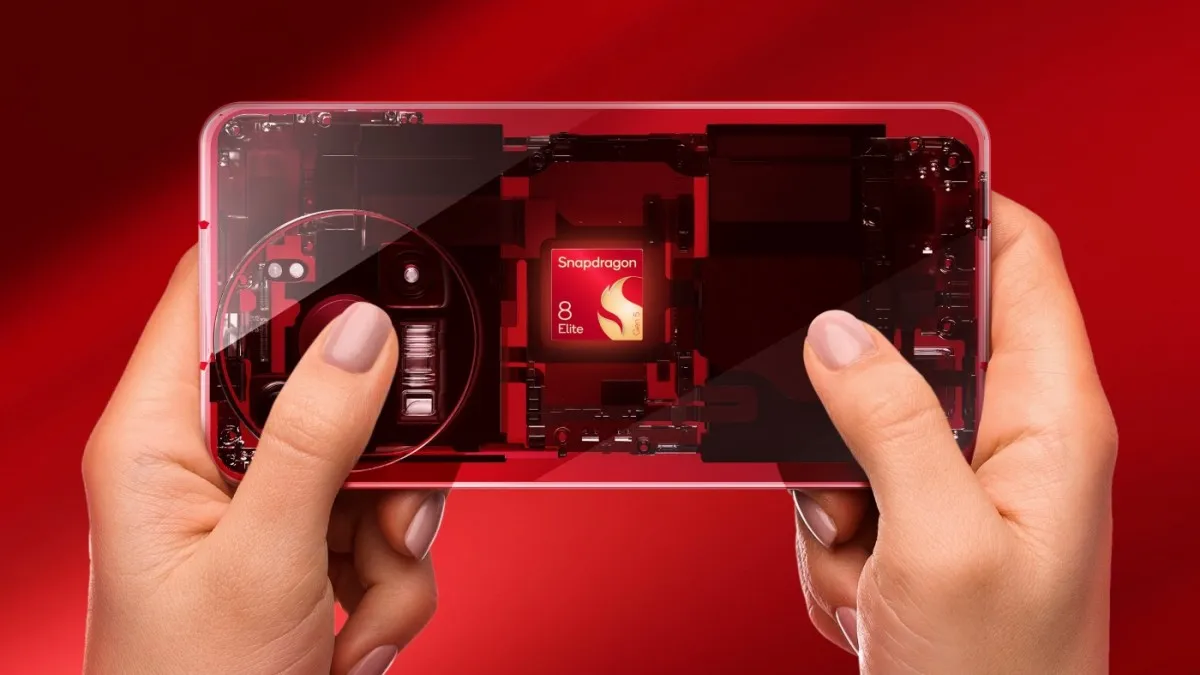
The relentless pace of innovation in the mobile semiconductor industry shows no signs of slowing down, even as the ink barely dries on the latest hardware releases. Hot on the heels of the commercial rollout of the Snapdragon 8 Elite Gen 6 series, early industry intelligence and supply chain whispers indicate that Qualcomm is already deep into the development of its next-generation flagship system-on-chip (SoC). Identified internally by the codename "Honu," this upcoming processor is rumored to push performance boundaries even further, potentially touching an unprecedented clock speed of 5.4 GHz. However, despite the eye-catching frequency metrics, preliminary industry data suggests that consumers and tech enthusiasts should temper their expectations regarding generational performance leaps, as the architectural gains may be more evolutionary than revolutionary.
As mobile devices increasingly shoulder the burden of heavy, on-device artificial intelligence workloads, high-performance computing, and console-quality mobile gaming, the architectural design of flagship chipsets has become the primary battleground for semiconductor giants. Qualcomm, a dominant force in the Android application processor market, is reportedly mapping out its next hardware cycle under the working designation SM8A75, widely speculated in tech circles to debut commercially under the moniker Snapdragon 8 Elite Extreme Gen 7. While the naming conventions and exact market positioning remain subject to change, the internal specifications leaking from manufacturing partners provide a fascinating glimpse into the engineering challenges and strategic priorities governing the upper echelons of mobile silicon design.
Unprecedented Clock Speeds and the Pursuit of Single-Core Dominance
At the heart of the "Honu" chipset architecture is an aggressive target for raw frequency scaling. According to supply chain murmurs originating from fabrication partners, Qualcomm is aiming to drive the peak clock speed of its prime performance cores into the 5.3 GHz to 5.4 GHz range. This represents a notable step up from the preceding Snapdragon 8 Elite Extreme Gen 6, which topped out at a formidable 5.0 GHz. The primary objective behind this frequency elevation is a direct push to maximize single-core performance metrics, which dictate the snappiness of user interface interactions, application launch times, and the responsiveness of single-threaded computational tasks.
Yet, pushing silicon to these extreme operational frequencies is rarely a frictionless endeavor. Early benchmark modeling—specifically projections based on iterations like Geekbench 6—suggests that despite the leap to a 5.4 GHz ceiling, the overall single-core performance increase may register at under 10 percent compared to the current generation. This diminishing return highlights a fundamental law of physics in semiconductor engineering: as clock speeds climb into the extreme tiers, the frequency-to-performance curve begins to flatten, requiring exponentially more headroom for marginal gains.
Energy Efficiency and Thermal Management Realities
One of the most compelling narratives surrounding the rumored Snapdragon 8 Elite Extreme Gen 7 revolves around its power envelope. Historically, driving mobile processors to higher clock speeds has triggered a proportional, often problematic surge in power consumption and thermal output, forcing smartphone manufacturers to implement increasingly elaborate vapor chamber cooling solutions.
However, preliminary data concerning the "Honu" platform indicates that Qualcomm is exercising strict control over thermal design power (TDP). Reports suggest that the single-core power consumption of the 5.4 GHz chip will remain remarkably close to that of the 5.0 GHz Snapdragon 8 Elite Extreme Gen 6. If proven accurate, this implies that Qualcomm’s architectural refinements and power-gating strategies are successfully neutralizing the energy penalty typically associated with aggressive frequency scaling. By achieving higher clock speeds without a corresponding spike in wattage, the company could deliver sustained peak performance with a lower risk of thermal throttling—a critical factor for thin-and-light mobile chassis.
Nevertheless, critical blind spots remain in the current rumor ecosystem. Industry analysts note a distinct lack of concrete data regarding multi-core performance and overall sustained power draw under heavy multi-threaded workloads, such as prolonged 3D gaming or continuous 4K video rendering. Because mobile processors must balance thermal dissipation across all active cores within a constrained smartphone footprint, the true test of the "Honu" architecture will lie in its multi-core efficiency rather than its isolated peak single-core capabilities.
The Strategic Choice of TSMC’s 2nm N2P Manufacturing Node

A crucial technical pillar of the rumored Snapdragon 8 Elite Extreme Gen 7 is its manufacturing foundation. Qualcomm is reportedly sticking with Taiwan Semiconductor Manufacturing Company’s (TSMC) advanced 2nm-class process, specifically the N2P node. This decision offers profound insight into the fabless chipmaker’s current manufacturing and financial strategy.
Transitioning to a newer node often incurs astronomical research, development, and wafer costs. By retaining the N2P node utilized by its immediate predecessor, Qualcomm can leverage existing lithography ecosystems, mask sets, and integration pipelines. This continuity not only helps contain production overhead—preventing retail smartphone prices from spiraling out of control for end consumers—but also places the burden of performance enhancement squarely on architectural innovation and circuit optimization rather than raw process shrinkage.
Furthermore, this manufacturing strategy aligns with broader macro-level trends in the semiconductor foundry landscape. As TSMC progressively shifts its focus and capacity toward cutting-edge 1.4nm manufacturing nodes (such as the upcoming A14 process) to service ultra-high-margin clients, stable intermediary nodes like N2P provide a reliable, high-yield environment for high-volume flagship mobile processors. Qualcomm’s decision to extract maximum efficiency out of the 2nm ecosystem reflects a mature, calculated approach to product life-cycle management.
Context and Chronological Evolution of the Snapdragon Elite Lineup
To fully appreciate the significance of the "Honu" development cycle, it is essential to examine the chronological progression of Qualcomm’s recent silicon strategy. Over the past several years, the race for mobile processing dominance has accelerated dramatically, driven by the explosive integration of generative artificial intelligence at the edge.
The introduction of the Snapdragon 8 Elite branding marked a pivotal rebranding and architectural overhaul for Qualcomm, moving away from traditional Kryo core naming conventions to custom Oryon CPU cores. This transition was designed to unify the company’s computing architecture across mobile, automotive, and PC platforms. Successive iterations—culminating recently in the Gen 6 series alongside ecosystem expansions like the Snapdragon Sound Elite Gen 2—have focused heavily on bolstering neural processing unit (NPU) capabilities, doubling AI task efficiency, and refining heterogeneous computing models.
As the industry moves forward, the timeline for the commercialization of chips derived from the "Honu" project is projected to follow Qualcomm’s traditional annual cadence. While early engineering samples and paper specifications circulate among original equipment manufacturers (OEMs) and supply chain partners, an official market introduction is not realistically anticipated until late next year, aligning with historical product launch windows for the company’s premier autumn silicon showcases.
Implications and Industry Outlook
While the prospect of a mobile processor breaching the 5.4 GHz barrier captures headlines, the broader implications for the smartphone industry point toward an era of measured, pragmatic refinement.
From an analytical standpoint, the rumored characteristics of the Snapdragon 8 Elite Extreme Gen 7 highlight a maturing market where brute-force performance metrics yield to holistic system efficiency. Consumers are increasingly valuing thermal stability, battery longevity, and seamless AI responsiveness over raw, bench-racing numbers. If Qualcomm can successfully deliver a 5.4 GHz single-core experience that maintains flat power consumption on a refined 2nm N2P node, the resulting devices will offer superior daily fluidity without sacrificing operational endurance.
At this juncture, however, all details surrounding the "Honu" project remain firmly in the realm of speculation. Qualcomm has issued no official statements regarding the nomenclature, final architectural specifications, exact thermal profiles, or commercial availability of this rumored flagship SoC. As engineers continue to iterate on early silicon samples, final performance benchmarks and real-world capabilities will ultimately depend on how OEMs choose to implement the hardware within their upcoming smartphone chassis. Until official communications emerge from Qualcomm’s executive suites, the industry will watch closely as the foundations for the next generation of mobile computing quietly take shape behind closed doors.