Chalifah Fatihah
The recent surge in popularity of the South Korean horror film "Salmokji: Whispering Water" has led to an unexpected and somewhat unsettling phenomenon: hundreds of fans are flocking to the real-life Salmokji Reservoir, the eerie location that inspired the movie, seeking to test their courage amidst its purported hauntings. The film, which taps into a deeply ingrained urban legend surrounding the reservoir, has transformed a once-obscure body of water into a viral hotspot for paranormal enthusiasts and thrill-seekers.
The Legend of Salmokji Reservoir
Salmokji Reservoir, situated in the rural district of Yesan, South Chungcheong Province, was originally constructed in 1982. Its primary purpose was to provide essential water for local agricultural needs. However, over the decades, a darker narrative began to weave itself around the reservoir. Whispers of paranormal activity, spectral apparitions, and unexplained occurrences transformed it into a notorious site within occult communities and local folklore. This reputation, amplified by the cinematic adaptation, has now drawn significant public attention, often under the cloak of night.
The reservoir’s remote location, nestled amidst mountainous terrain and accessible via secluded routes, contributes to its unsettling atmosphere. Reports from visitors, shared widely on social media platforms, detail experiences of intermittent mobile phone and internet service, further isolating those who venture there. This isolation, coupled with the inherent eeriness of a large, still body of water at night, appears to fuel the allure for those seeking a genuine scare.
From Folklore to Film: The Genesis of "Salmokji: Whispering Water"
The narrative of Salmokji Reservoir first gained wider traction beyond local lore in 2021 when it was featured on MBC’s "Midnight Horror Story." This popular program, which showcases celebrity hosts reading submitted urban legends and real-life paranormal accounts from viewers, provided a platform for the reservoir’s chilling tales to reach a broader audience.
One particularly compelling anecdote shared on the show involved a woman, who identified herself as a physics major and initially skeptical of the supernatural, recounting how her GPS inexplicably guided her car perilously close to the reservoir’s edge. Following this unnerving experience, she claimed to have faced a period of misfortune. Such accounts, blending personal testimony with a sense of inexplicable dread, resonated deeply and laid the groundwork for the film’s conceptualization.
The reservoir also holds a peculiar status among local residents as a clandestine fishing spot, despite such activities being officially prohibited, adding another layer to its complex identity.
Director’s Vision: Capturing the Liminal Space
Director Lee Sang-min revealed that the Salmokji Reservoir legend was his immediate inspiration when he conceived the idea of a water-based horror film. "When planning a horror film set around water, I came across the legend of Salmokji and began to write the script in earnest," Lee stated. His artistic vision for the reservoir was rooted in its nature as a "liminal space" – a transitional area between worlds, imbued with an unsettling duality.
Lee described the visual elements that contributed to the reservoir’s terrifying ambiance: "The trees growing out of the water looked eerie, and the mist hovering over the surface seemed to draw people in." He envisioned Salmokji as a threshold between life and death, a concept he sought to translate visually by searching for a similarly evocative filming location.
The film’s narrative delves into the motivations of characters who willingly confront danger, driven by deeply personal reasons such as revenge, guilt, and desire. This psychological dimension, coupled with the supernatural elements, aims to create a complex and disturbing cinematic experience.
On-Set Encounters and Eerie Occurrences
The unsettling atmosphere of the Salmokji Reservoir was not confined to the film’s narrative; the production crew also reported experiencing several disturbing incidents during the filming process. These accounts further solidify the reservoir’s reputation as a place where the veil between the ordinary and the supernatural feels exceptionally thin.
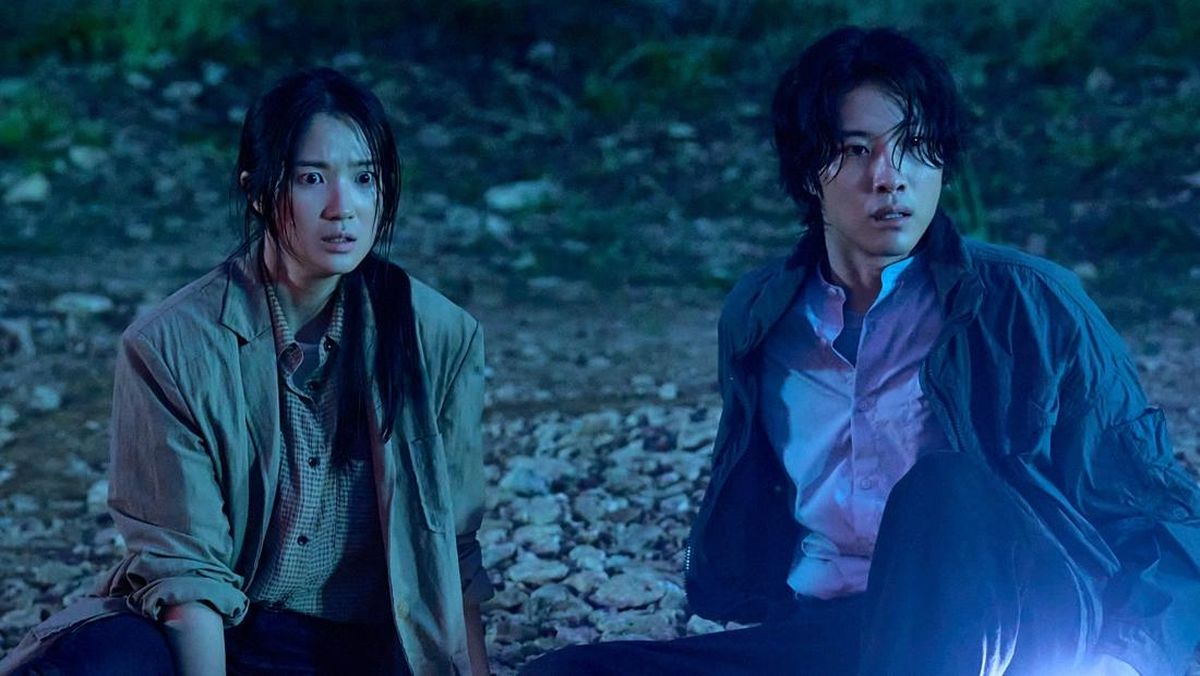
"It was a place where the phone signal was so weak that you couldn’t make a call, but we heard a dial tone near a loudspeaker," one crew member recounted. Such seemingly minor, yet inexplicable, auditory phenomena can significantly amplify a sense of unease in an already tense environment.
More disturbingly, several members of the crew claimed to have witnessed apparitions of children near a stone tower located within the reservoir’s vicinity. These visual manifestations, if indeed real, would align with common tropes in ghost stories and contribute to the reservoir’s mystique. The reported presence of spectral children is a particularly poignant element, often associated with tragic past events or unresolved emotional energies.
The Viral Phenomenon: A Social Media Driven Pilgrimage
The convergence of a popular horror film, a well-established urban legend, and the pervasive influence of social media has created a potent cocktail, resulting in the current viral phenomenon. The ease with which users can share experiences, photos, and videos online has amplified the allure of Salmokji Reservoir, turning it into a destination for a new generation of ghost hunters.
Reports from Korea JoongAng Daily indicate that following the film’s box office success, a significant influx of visitors began descending upon the reservoir, particularly during the late-night and early-morning hours. This pattern of nocturnal visits is a classic characteristic of urban exploration centered around allegedly haunted locations, often driven by a desire to experience the peak of paranormal activity when the world is at its quietest.
Online communities dedicated to paranormal investigations and urban legends are abuzz with discussions and shared experiences related to Salmokji. Hashtags related to the film and the reservoir have trended, further driving engagement and encouraging more individuals to undertake the journey. This digital amplification loop ensures that the reservoir remains in the public consciousness, fueling a continuous cycle of curiosity and exploration.
Data and Context: Understanding the Reservoir’s History
To provide a more comprehensive understanding of the Salmokji Reservoir’s context, it’s crucial to examine its history beyond the sensationalized paranormal accounts.
- Construction Date: 1982. This places the reservoir’s origin in a period of significant agricultural development in South Korea.
- Original Purpose: Water supply for local agriculture. This highlights its functional role in the community before its supernatural reputation took hold.
- Geographic Location: Yesan, South Chungcheong Province. This regional context is important for understanding its place within the broader Korean landscape and cultural narratives.
- Media Exposure Timeline:
- 2021: Featured on MBC’s "Midnight Horror Story," bringing the legend to national attention.
- 2026: Release of "Salmokji: Whispering Water," which significantly amplified its popularity.
The reservoir’s relatively recent construction (compared to ancient castles or historical battlegrounds often associated with hauntings) suggests that the paranormal narratives may have emerged or been heavily amplified in more recent decades, perhaps as a result of specific incidents or the growing popularity of urban legends in Korean media.
The Implications of the Viral Trend
The surge in visitors to Salmokji Reservoir raises several important implications, both positive and negative:
- Economic Impact: While not the primary intention, the increased foot traffic could potentially lead to a minor boost in local tourism, benefiting nearby businesses. However, this is likely to be a niche market focused on thrill-seekers rather than conventional tourism.
- Safety Concerns: The remote location, coupled with nighttime visits and the inherent dangers of large bodies of water, presents significant safety risks. Visitors venturing out in the dark, potentially under the influence of excitement or fear, are more susceptible to accidents. The weak mobile signals further exacerbate emergency response challenges.
- Environmental Impact: Increased human presence, even if transient, can lead to littering and other forms of environmental degradation. Preservation efforts may be necessary to mitigate any negative ecological consequences.
- Cultural Interpretation: The phenomenon highlights the powerful influence of popular culture, particularly film, in shaping perceptions of real-world locations. It also underscores the enduring appeal of the supernatural and the human desire to explore the unknown, even at personal risk.
- Responsible Tourism: The increased attention may prompt local authorities to consider measures for managing visitor access, ensuring safety, and protecting the environment. This could involve increased patrols, signage warning of dangers, or even temporary restrictions if safety becomes a critical concern.
Official Reactions and Broader Context
As of the reporting date, there have been no explicit official statements from local government or tourism bodies directly addressing the influx of visitors to Salmokji Reservoir. However, given the potential safety hazards, it is plausible that local law enforcement or environmental agencies are monitoring the situation. In similar instances of popular urban exploration sites, authorities often issue advisories or implement regulations to ensure public safety and prevent damage to natural or historical landmarks.
The broader context of this event lies in the global trend of "film tourism," where popular movie locations become destinations for fans. However, the Salmokji case is distinct due to its emphasis on the paranormal and the inherent risks involved. It taps into a deeper, more primal fascination with fear and the unknown, amplified by the power of digital media.
The story of Salmokji Reservoir serves as a compelling case study of how folklore, cinematic storytelling, and social media can converge to create a potent cultural phenomenon, transforming a quiet rural reservoir into a global focal point for those brave – or perhaps foolish – enough to seek out the whispers of the water. The reservoir’s enduring legend, now brought to vivid life on screen and in the collective imagination, continues to beckon those daring enough to venture into its mysterious depths.