Tyo Susilo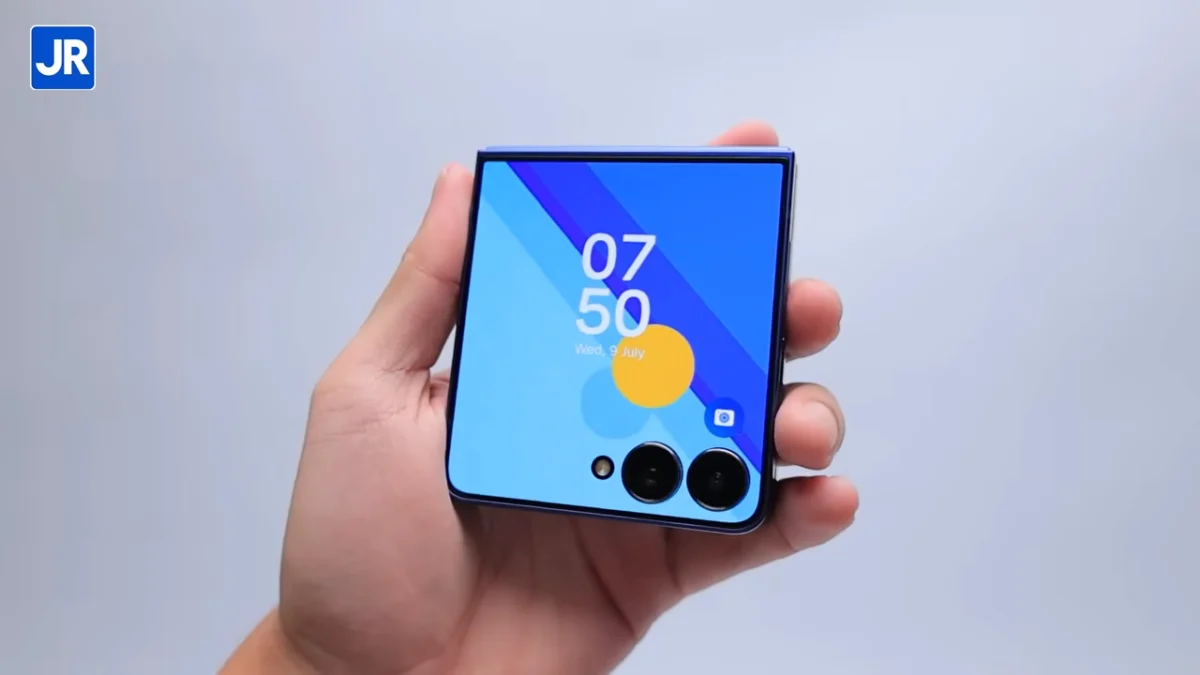
Samsung is reportedly gearing up for the next iteration of its popular foldable smartphone, the Galaxy Z Flip 8, with a focus on significant, albeit subtle, engineering advancements. While major aesthetic overhauls are not anticipated, the upcoming device is expected to debut a refined hinge mechanism. This enhancement is poised to deliver a lighter overall build and, crucially, minimize the visible crease on the internal foldable display, a long-standing point of contention for users of foldable technology.
A Deeper Dive into the Hinge Innovation
The hallmark of any foldable phone is its ability to transform, and the hinge is the mechanical heart of this innovation. For the Galaxy Z Flip series, the hinge has been a continuous area of development. The reported improvements for the Z Flip 8 suggest Samsung is prioritizing a more seamless user experience. By optimizing the hinge’s internal structure, the company aims to achieve a near-flat display when the phone is fully unfolded. This would not only enhance the visual appeal but also contribute to a more immersive viewing experience, reducing the distraction of a pronounced crease.
This engineering feat is not merely about aesthetics; it has direct implications for the device’s ergonomics. The current Galaxy Z Flip 7 tips the scales at approximately 188 grams. Leaks indicate that the Galaxy Z Flip 8 could see this figure reduced to around 180 grams. While a 8-gram difference might seem marginal, in the highly competitive and design-conscious smartphone market, such incremental weight reductions can significantly impact perceived portability and handling comfort. For a device that is designed to be pocket-friendly and easily maneuverable, every gram counts.
Subtle but Significant Design Tweaks
Beyond the hinge, the Z Flip 8 is anticipated to undergo minor dimensional adjustments. Reports suggest a slight increase in width compared to its predecessor, the Z Flip 7, while the body is expected to become marginally thinner by approximately 0.5mm. These changes, while not revolutionary, indicate a continuous effort by Samsung to refine the device’s physical presence. The overall design language is expected to remain consistent with the established Z Flip aesthetic, maintaining the brand’s recognizable foldable form factor. This approach suggests a strategy of iterative improvement rather than a radical departure, building upon a successful design foundation.
Under the Hood: Performance and Specifications
The internal hardware of the Galaxy Z Flip 8 is also subject to speculation. The most significant rumored upgrade is the potential adoption of the Exynos 2600 System-on-Chip (SoC). While Samsung has historically utilized both its in-house Exynos processors and Qualcomm’s Snapdragon chips for its flagship devices, the shift to a new Exynos generation could signal enhanced performance and efficiency. The Exynos 2600, when it eventually launches, is expected to bring advancements in AI processing, graphics capabilities, and power management, potentially offering a noticeable boost in daily usage and gaming performance for the Z Flip 8.
Other internal specifications are predicted to remain largely consistent with the Galaxy Z Flip 7. This continuity suggests that Samsung is focusing its primary development efforts on the foldable mechanism and the overall user experience, rather than a complete overhaul of every component. For context, the Galaxy Z Flip 7 features a 6.9-inch internal display and a 4.1-inch cover screen. It is powered by a 4,300mAh battery with 25W charging support. The camera system includes a 50MP main sensor, a 12MP ultrawide lens, and a 10MP selfie camera. It is reasonable to assume that the Z Flip 8 will retain a similar camera setup and battery capacity, with potential minor optimizations in software and image processing.
A History of Foldable Evolution
The Galaxy Z Flip series has been instrumental in popularizing the clamshell foldable form factor. Samsung first introduced the Galaxy Z Flip in February 2020, a device that captured the imagination with its compact, pocketable design that unfolded into a full-fledged smartphone. This was followed by the Galaxy Z Flip 3 in August 2021, which brought significant improvements in durability and water resistance, addressing early concerns about the fragility of foldable displays. The Galaxy Z Flip 4, released in August 2022, further refined the design, improved camera performance, and introduced a larger battery. The most recent iteration, the Galaxy Z Flip 5, launched in July 2023, boasted a significantly larger cover screen, enhancing its usability when closed.
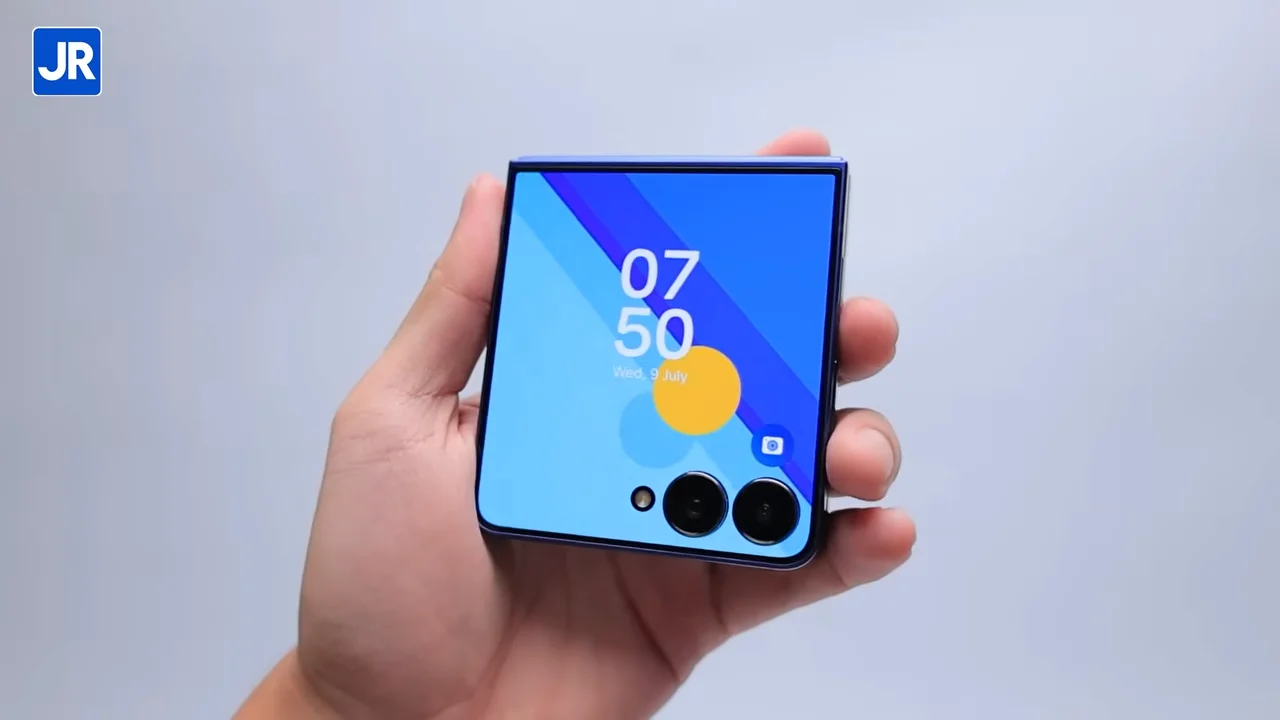
Each generation has seen Samsung tackle different aspects of the foldable experience. Early models grappled with the prominence of the screen crease and the durability of the hinge. Subsequent generations have focused on making the devices more robust, improving battery life, and enhancing the functionality of the external display. The reported focus on the hinge and crease reduction for the Z Flip 8 is a natural progression, addressing a persistent user feedback point and aiming to deliver a more polished foldable experience.
The Broader Foldable Landscape and Market Context
Samsung’s continued investment in the foldable segment underscores the growing importance of this technology in the smartphone market. While still a niche compared to traditional slab phones, foldable sales have seen steady growth. Competitors such as Motorola, Huawei, and Google have also entered the foldable arena, each with their unique approaches to design and technology. Samsung, as a pioneer and market leader, faces the challenge of not only innovating but also setting the standard for the industry.
The timing of the Z Flip 8’s expected release, reportedly in July, aligns with Samsung’s typical product launch cycle for its foldable devices. This period often sees the unveiling of the entire foldable lineup, which typically includes the Z Fold series as well. The mention of a potential "Galaxy Z Fold 8 Wide" suggests Samsung might be exploring variations within its larger foldable offering, possibly catering to different user preferences for screen real estate or form factor.
Analyst Perspectives and User Expectations
Industry analysts have consistently pointed to the screen crease as a key hurdle for mainstream foldable adoption. While users have grown accustomed to it to varying degrees, a truly seamless display remains the ultimate goal. If Samsung can significantly reduce the crease on the Z Flip 8, it would be a major win for the company and could encourage more consumers to consider foldable devices.
User feedback on previous Z Flip models has often highlighted the desire for a lighter device and a less noticeable crease. The reported specifications for the Z Flip 8 appear to directly address these concerns. The question remains whether these improvements will be substantial enough to justify an upgrade for existing Z Flip users or to attract new customers who may have been hesitant due to the perceived drawbacks of foldable technology.
Official Statements and Future Outlook
While Samsung has not officially commented on the specifics of the Galaxy Z Flip 8, its consistent innovation in the foldable space suggests a strong commitment to the technology. The company’s history of iterative improvements and responsiveness to user feedback provides a basis for optimism regarding the upcoming device.
The implications of a more refined hinge and reduced crease extend beyond just the Z Flip 8. Success in these areas could pave the way for further advancements in future foldable generations, potentially leading to even more durable, aesthetically pleasing, and user-friendly devices. The ongoing evolution of foldable technology, driven by companies like Samsung, promises to reshape the future of personal computing and mobile communication. As the July release window approaches, the tech world will be watching closely to see if the Galaxy Z Flip 8 delivers on its promise of a lighter, smoother foldable experience.