Bambang Pamungkas
On Thursday, May 28, 2026, Seoul bore witness to a groundbreaking spectacle that blurred the lines between technology and artistry, as entertainment technology firm Galaxy Corporation hosted its "MACH33: Physical AI Fashion Show." Staged at the innovative Galaxy Robot Park, the event was not merely a display of avant-garde fashion but a profound statement on the burgeoning relationship between humanity and advanced artificial intelligence, presenting a future where humans and humanoid robots share the catwalk and, by extension, society itself. This unique peragaan busana, or fashion show, captivated audiences with its vision of a symbiotic existence, positioning South Korea once again at the forefront of technological and cultural innovation.
A Glimpse into the Future: The Show’s Unfolding Chronology
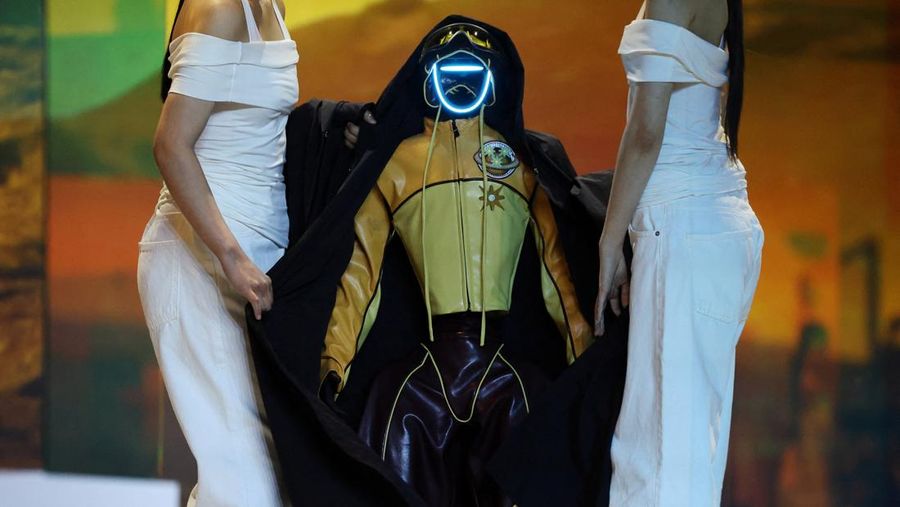
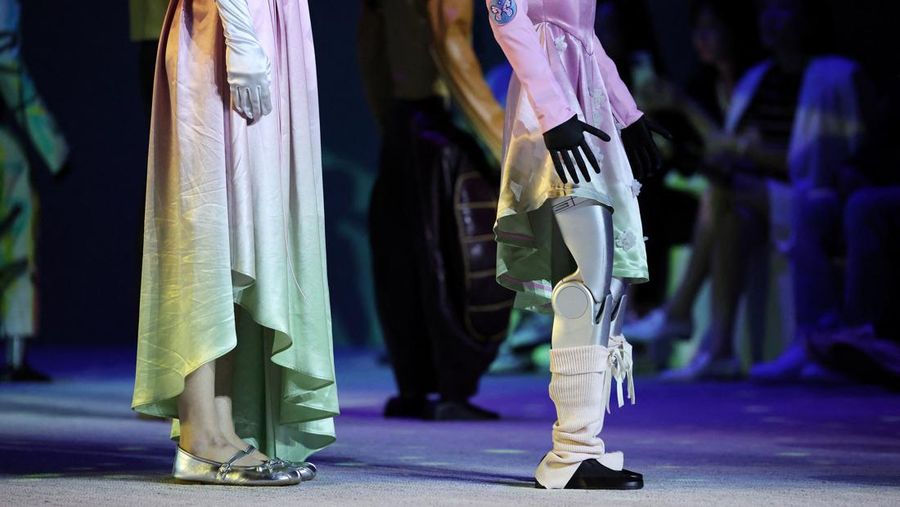
The "MACH33" show commenced with an atmosphere steeped in anticipation, as the lights dimmed, and the first figures emerged onto the runway. The initial sequence featured humanoid robots, draped in flowing, enigmatic robes, making their stately entrance. Their deliberate, synchronized movements immediately established a futuristic tone, setting the stage for what was to follow. As the robots reached the center of the stage, two human models joined them, dramatically shedding their own robes to reveal intricately designed, futuristic costumes that mirrored the aesthetic of the robotic pioneers. This dramatic reveal signaled the core theme of the evening: the seamless integration of human and machine.
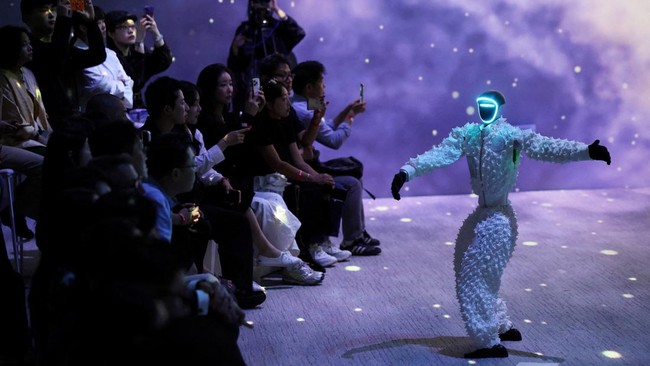
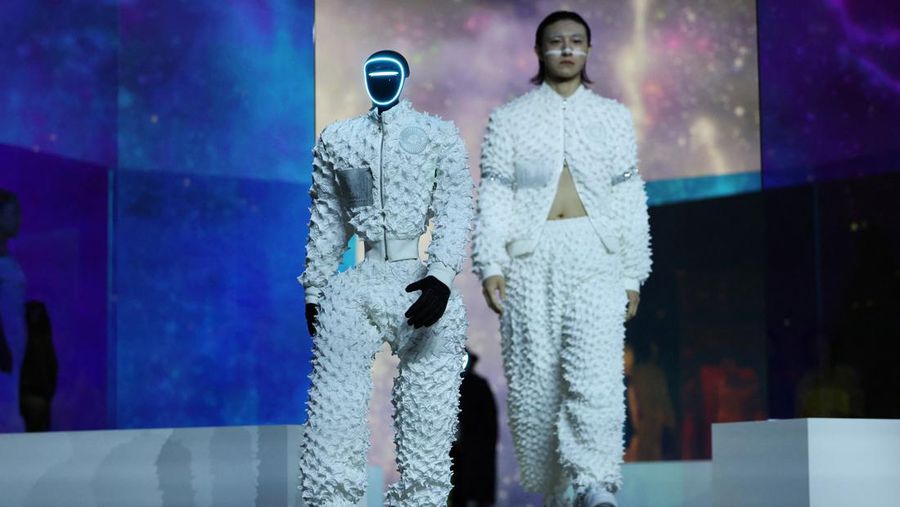
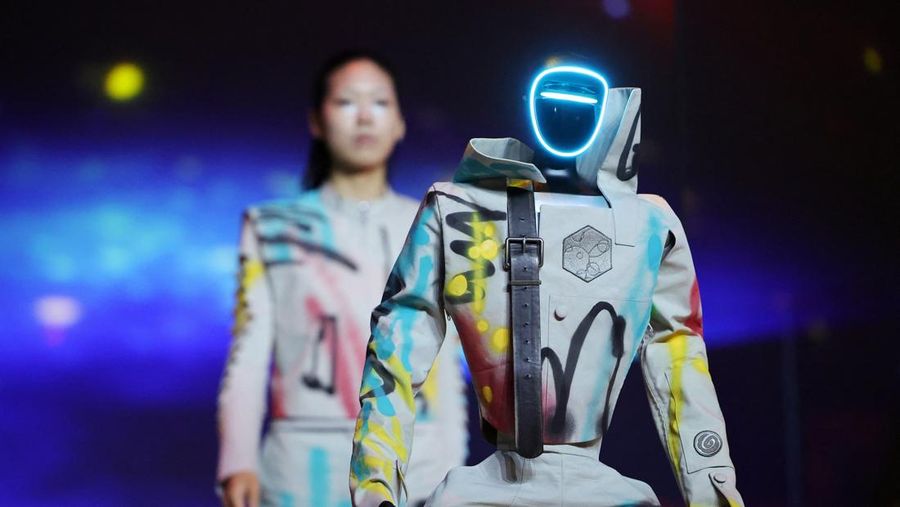
Following this powerful opening, a diverse cohort of human models, clad in equally striking and thematically aligned attire, began to walk the runway. What distinguished this show was not just the presence of robots, but their active participation. Human models and their robotic counterparts walked side-by-side, striking poses that emphasized both individual presence and collective harmony. The garments themselves were a testament to advanced design, featuring metallic accents, geometric patterns, and innovative textiles that seemed to draw inspiration from both organic and synthetic forms. The visual narrative conveyed a world where design sensibilities are shared and influenced by both human creativity and robotic precision.
A standout moment arrived with the synchronized choreography segment. Robots and human models moved in unison, executing complex routines that blended traditional dance elements with robotic grace. This performance transcended a mere fashion display, evolving into a sophisticated piece of performance art. The precision of the robots’ movements, combined with the fluidity and expressiveness of the human dancers, created a captivating dialogue between the mechanical and the organic. This carefully orchestrated segment underscored Galaxy Corporation’s intent to showcase robots not just as static display units but as dynamic participants capable of shared aesthetic expression and intricate interaction. The entire presentation, from the initial reveal to the choreographed finale, served as a powerful metaphor for the potential future of human-robot collaboration in creative and social spheres.
Galaxy Corporation’s Vision: Beyond the Catwalk
Choi Yong-ho, CEO of Galaxy Corporation, articulated the profound philosophy underpinning the "MACH33: Physical AI Fashion Show." His statements moved beyond the spectacle, revealing a deeper ambition to foster a world where humans and robots can naturally coexist and share living spaces. "I believe someday humans will wear robot-inspired fashion, and conversely, robots will also wear human-inspired fashion," Choi remarked, encapsulating the reciprocal influence and integration envisioned by the company. This perspective challenges conventional notions of human-robot interaction, proposing a future not of replacement or subservience, but of mutual inspiration and shared identity.
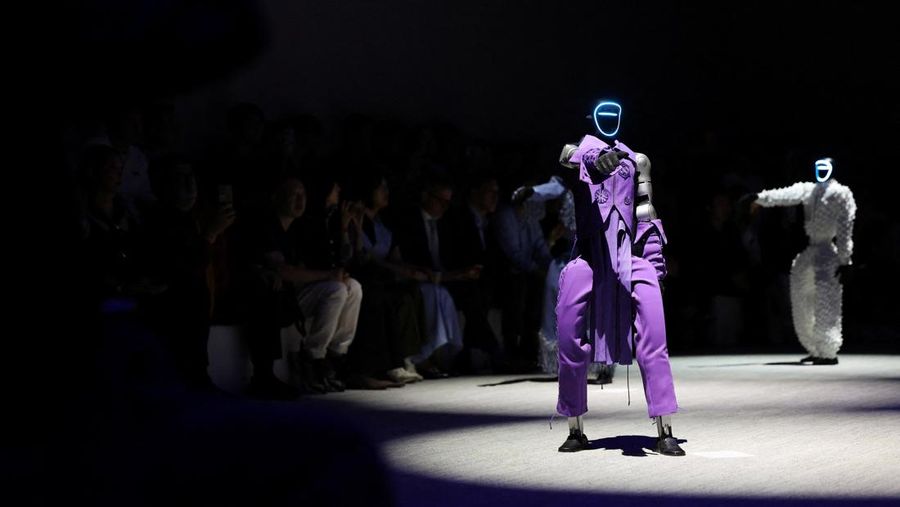
The CEO emphasized that the robots featured in the show are not positioned as substitutes for human talent or presence. Instead, they are introduced as companions, designed to share emotions, philosophies, and experiences with humans. This distinction is crucial, particularly in an era often marked by anxieties about AI and automation displacing human roles. Galaxy Corporation’s approach champions a collaborative paradigm, where robots augment human capabilities and enrich societal interactions rather than diminishing them. The fashion show, therefore, acts as a public demonstration and a cultural touchstone for this forward-thinking philosophy, aiming to normalize and even celebrate the integration of AI and robotics into the fabric of daily life, starting with something as intimate and expressive as fashion. By staging the event in Seoul, a global hub for pop culture and technological advancement, Galaxy Corporation effectively amplified its message, positioning South Korea as a pioneer in shaping the cultural narrative around advanced AI.
South Korea’s Robotics and AI Landscape: A Fertile Ground for Innovation
The decision by Galaxy Corporation to host such an avant-garde event in Seoul is deeply rooted in South Korea’s established leadership in robotics and artificial intelligence. The nation has consistently ranked among the top countries globally for robot density in manufacturing, a testament to its robust industrial automation sector. By 2023, South Korea’s robot density stood at an impressive 1,000 robots per 10,000 employees in manufacturing, significantly higher than the global average, according to the International Federation of Robotics (IFR). This industrial prowess has fostered a deep technological ecosystem, providing both the infrastructure and the skilled workforce necessary for advanced robotics development.
Beyond manufacturing, South Korea has made substantial government investments in AI research and development. The government’s "AI National Strategy" launched in 2019, with subsequent updates and increased funding, aims to position the country as a global AI powerhouse by 2030. Key focus areas include developing next-generation AI technologies, fostering AI talent, establishing robust AI infrastructure, and promoting ethical AI use. This strategic commitment has created a vibrant environment for companies like Galaxy Corporation to push the boundaries of AI application beyond purely utilitarian functions into creative and social domains.
The "MACH33" show also reflects a broader trend of integrating advanced technology into daily life and popular culture in South Korea. From smart city initiatives like Songdo to the widespread adoption of advanced digital services, Korean society is highly receptive to technological innovation. This cultural openness provides a unique testing ground for novel applications of AI and robotics, allowing for public engagement and feedback that can further refine and shape future developments. The event serves as a high-profile example of this integration, using the universal appeal of fashion to introduce complex technological concepts in an accessible and inspiring manner.
The Convergence of Fashion and Technology: A Global Trend
The "MACH33" show is not an isolated incident but rather a striking example of a rapidly accelerating global trend: the convergence of fashion and technology. The fashion industry, traditionally rooted in craft and artistry, is increasingly embracing technological advancements to innovate across various stages of its value chain, from design and production to retail and consumer engagement.
In recent years, AI has begun to revolutionize fashion design, with algorithms capable of generating novel patterns, silhouettes, and color palettes based on trends, consumer data, and historical aesthetics. Companies are experimenting with AI-powered tools that can predict future trends with remarkable accuracy, optimize supply chains for sustainability, and even create hyper-realistic virtual models for digital fashion shows and e-commerce platforms. The advent of 3D printing and advanced materials has also enabled designers to create garments with unprecedented structural complexity and functionality, blurring the lines between clothing and wearable technology.
Robotics, too, is making inroads into fashion beyond the industrial automation of garment factories. Robotic arms are being developed for intricate embroidery, precise cutting, and even bespoke tailoring, promising greater efficiency and personalization. However, the "MACH33" show takes this a step further, positioning robots as active participants in the aesthetic and performative aspects of fashion. This represents an evolution from robots as tools to robots as collaborators and performers, challenging the industry to rethink the very definition of a "model" or a "performer."
Events like the "MACH33" show are crucial in showcasing the experiential potential of fashion tech. They demonstrate how technology can enhance storytelling, create immersive experiences, and open new avenues for creative expression. This move towards "phygital" (physical + digital) experiences is expected to grow, with hybrid events combining real-world presence with augmented reality and virtual elements becoming more commonplace.
Broader Impact and Societal Implications
The implications of an event like the "MACH33: Physical AI Fashion Show" extend far beyond the realm of fashion and entertainment. It offers a tangible vision for the future of human-robot interaction and carries significant societal weight.
-
Normalization of Human-Robot Coexistence: By placing robots and humans side-by-side in a highly visible and celebrated cultural event, Galaxy Corporation contributes to the normalization of advanced robotics in daily life. This helps to demystify AI and robots, reducing apprehension and fostering public acceptance of these technologies as integral parts of a future society. It moves the narrative from science fiction to present-day reality, albeit an advanced one.
-
Redefining Creativity and Collaboration: The show challenges traditional notions of creativity, suggesting that innovation can arise from human-AI collaboration. In fields like fashion, choreography, and artistic performance, robots are no longer just tools but potential partners, capable of contributing to the creative process and execution. This opens new dialogues about intellectual property, authorship, and the evolving role of human artists in an AI-augmented world.
-
Ethical Discourse and Responsible AI Development: While the show emphasizes harmony, it implicitly contributes to the ongoing ethical discourse surrounding AI. By actively portraying robots as companions and not replacements, Galaxy Corporation subtly addresses concerns about job displacement and the dehumanizing potential of technology. Such public demonstrations encourage a more nuanced conversation about responsible AI development, focusing on how AI can enhance human well-being and societal integration rather than causing disruption. The emphasis on "sharing emotions and philosophies" also touches upon the complex questions of AI sentience and consciousness, even if indirectly.
-
Economic Opportunities and New Industries: The "MACH33" show signals the potential for entirely new economic sectors and job roles at the intersection of robotics, AI, fashion, and entertainment. From specialized robotic fashion designers and AI choreographers to engineers focused on aesthetic robotics and human-robot interaction specialists for creative industries, the demand for novel skill sets is likely to grow. This could spur investment in interdisciplinary education and research, creating a dynamic ecosystem for future innovation.
-
Cultural Diplomacy and Soft Power: For South Korea, an event of this nature further solidifies its reputation as a global leader in both technological innovation and cultural export. By showcasing a harmonious vision of the future, the country enhances its "soft power," influencing global perceptions and setting trends in the integration of technology with lifestyle and art. It positions Seoul as a city where the future is not just imagined but actively constructed and celebrated.
In conclusion, Galaxy Corporation’s "MACH33: Physical AI Fashion Show" transcends a mere spectacle of style and technology. It stands as a pivotal moment in the ongoing narrative of human-robot evolution, offering a compelling vision of a future where advanced machines are not just tools but integral partners in our creative and social lives. By choreographing a world where fashion is a shared canvas for human and artificial intelligence, Seoul has hosted an event that serves as both an artistic triumph and a philosophical statement, inviting us all to imagine a future of natural coexistence and mutual inspiration between humans and the intelligent machines they create. The catwalk, once exclusively a human domain, has now become a shared stage, heralding an exciting, and perhaps inevitable, new era.