 Nila Kartika Wati
The maintenance of high-standard medical facilities within conservation institutions is no longer a luxury but a fundamental necessity for the ethical management of wildlife. As animals are kept outside their natural habitats, the responsibility of the institution extends beyond mere enclosure maintenance; it encompasses the active preservation of their physical and psychological health. Ensuring that wildlife remains free from injury, disease, malnutrition, and the stress caused by improper human interaction is paramount to the integrity of modern conservation efforts.
The Five Freedoms and Modern Conservation Ethics
The global standard for animal welfare is anchored in the "Five Freedoms," a framework that serves as the moral and practical compass for veterinary professionals. These pillars include the freedom from hunger and thirst; the freedom from discomfort; the freedom from pain, injury, and disease; the freedom to express normal and natural behavior; and the freedom from fear and distress.
Intan P. Hermawan, a veterinarian and lecturer at the Faculty of Veterinary Medicine, Universitas Wijaya Kusuma Surabaya, emphasizes that a dedicated animal hospital is the functional heart of any reputable conservation program. "A hospital facility is vital not only for routine health maintenance but for post-operative recovery and the management of emergency cases," Hermawan stated. According to her, the scope of such institutions must be comprehensive, capable of treating everything from domestic pets and livestock to highly specialized exotic species and endangered wildlife. As of September 2026, the integration of advanced medical diagnostics and highly trained veterinary staff has become the benchmark for facilities aiming to maintain international accreditation.
Institutional Capability: The Taman Safari Indonesia Model
Taman Safari Indonesia (TSI) in Cisarua, Bogor, stands as a prime example of how such infrastructure should be implemented. Spanning approximately 4,200 square meters, the facility functions as a high-tech medical center tailored for the diverse physiological needs of various species. The hospital is equipped with sophisticated diagnostic tools, including digital X-ray, ultrasound, EKG, and PCR laboratories, which allow for rapid disease identification.
Tony Sumampau, Founder of TSI, notes that the facility’s ability to house large mammals is a significant logistical achievement. "We have ensured that the infrastructure can accommodate the largest land mammals, such as elephants, allowing for centralized, stress-free examinations," Sumampau explained. With ten specialized veterinarians on standby at any given time, the facility operates with the efficiency of a human medical center, ensuring that diagnostic procedures are performed immediately upon the onset of symptoms—a critical factor given that many wild animals naturally mask illness until they are in advanced stages.
The Role of Technology in Genomic Preservation
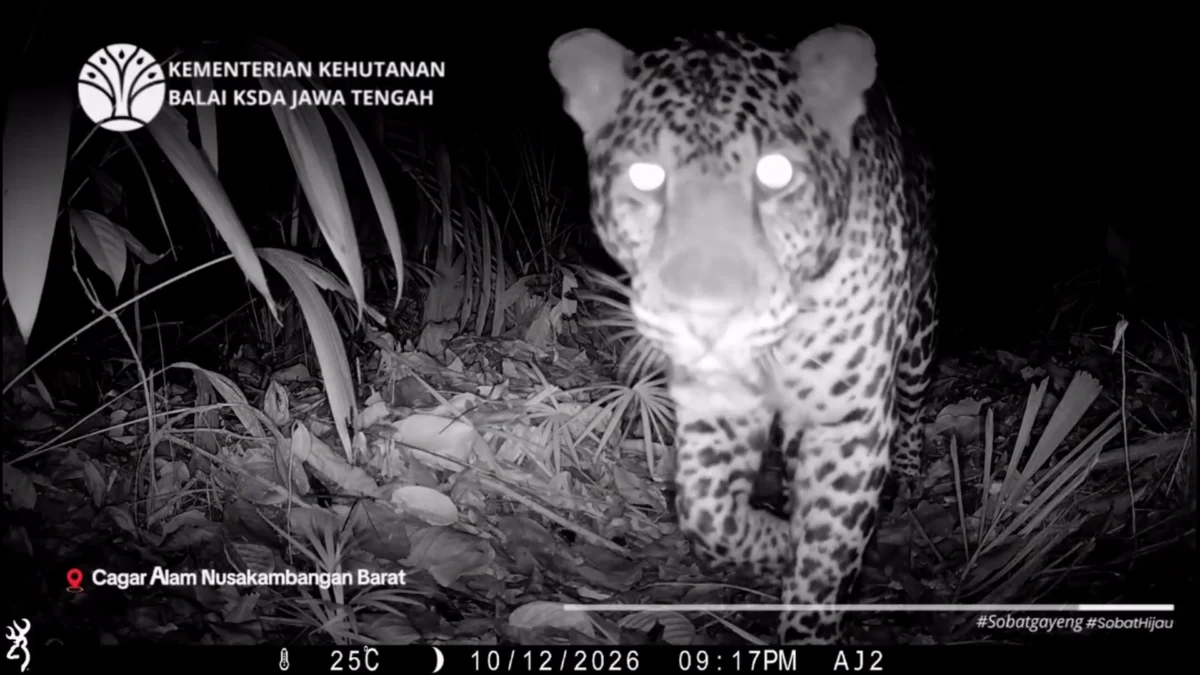
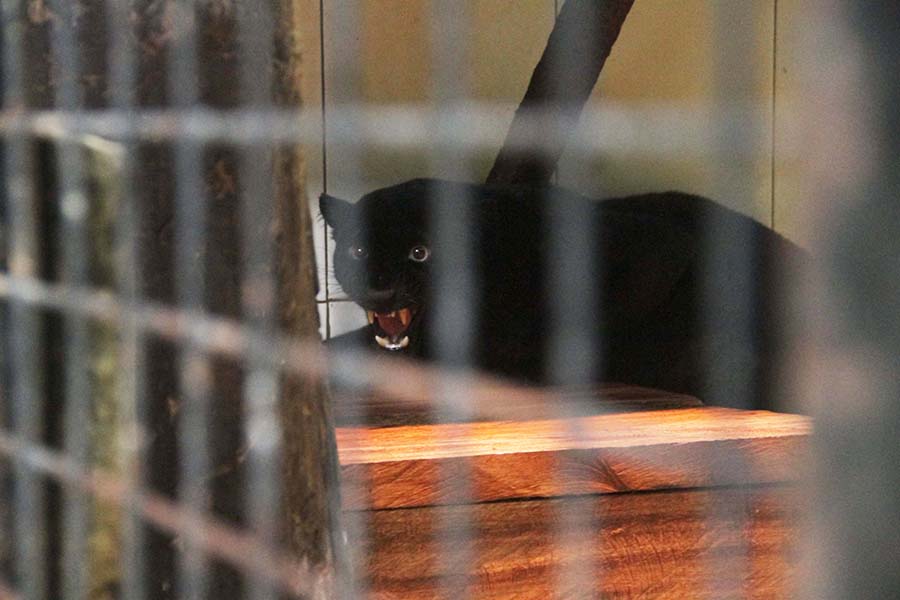
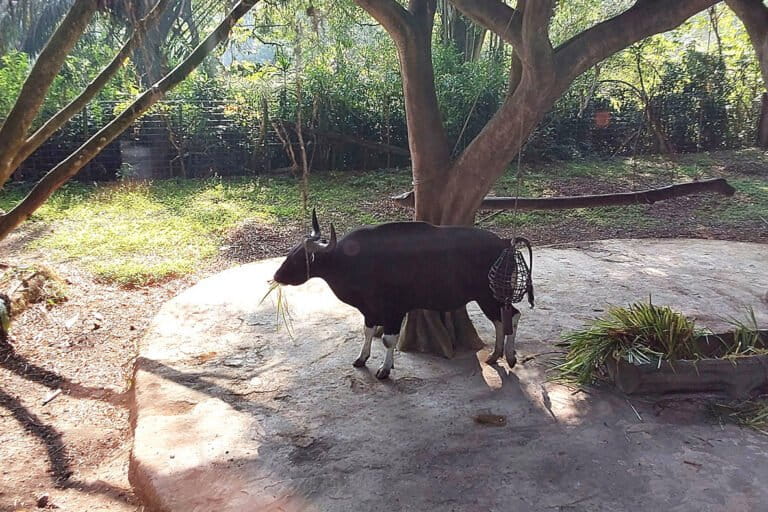
Beyond immediate medical care, the facility at TSI serves as a repository for genetic diversity. Through the establishment of a "biobank," the institution preserves sperm, ova, and biological samples from endangered species, including the Sumatran tiger, Javan leopard, anoa, and Javan banteng. This repository is essential for future population management through artificial insemination, acting as a safeguard against the loss of genetic viability in fragmented or captive populations.
The implementation of PCR technology has revolutionized the hospital’s approach to infectious disease. By conducting annual screenings—particularly for young elephants—veterinarians can detect pathogens long before they result in clinical mortality. Setyaningsih, a veterinarian at the TSI hospital, highlighted that the rapid diagnostic capability provided by the PCR lab allows for isolation protocols to be enacted within 24 hours of suspected infection, preventing potential outbreaks within the herd.
The One Health Paradigm
The intersection of wildlife health and public safety is increasingly viewed through the lens of the "One Health" framework. This interdisciplinary approach recognizes that the health of animals, humans, and the environment are inextricably linked. The potential for zoonotic transmission—diseases that spread from animals to humans—is a significant concern in conservation settings.
For instance, Mycobacterium tuberculosis, the pathogen responsible for tuberculosis, can jump between species, including from humans to great apes like orangutans. When a facility lacks a dedicated hospital, the risk of misdiagnosis or delayed detection of such pathogens increases, posing a threat to both the animal population and the staff who work in close proximity. Hermawan argues that by investing in robust veterinary infrastructure, institutions are effectively mitigating these risks, thereby protecting biodiversity and public health simultaneously.
Infrastructure Requirements for Modern Facilities
For a conservation center to claim adherence to modern welfare standards, its medical wing must be structured to handle specific operational phases. According to industry experts, these requirements include:
- Diagnostic Suite: High-resolution imaging (CT Scans, X-rays) and pathology labs are non-negotiable for diagnosing internal injuries or systemic diseases.
- Specialized Isolation Units: To prevent the spread of infectious agents, facilities must have segregated spaces designed for quarantine and the treatment of contagious individuals.
- Surgical and Rehabilitation Wards: Post-operative recovery requires controlled environments that minimize stress, allowing animals to heal away from the noise and activity of public-facing areas.
- Species-Specific Treatment Zones: The hospital must cater to the physiological differences between species, providing specific habitats for reptiles, birds, and large mammals during their treatment cycles.
Chronology of Veterinary Advancements in Conservation
The shift toward hospital-based conservation has evolved significantly over the past two decades. In the early 2000s, clinical care in many conservation centers was often rudimentary, relying on visiting practitioners and portable equipment. By the 2010s, the rise of international welfare standards prompted a move toward permanent, onsite veterinary staff.
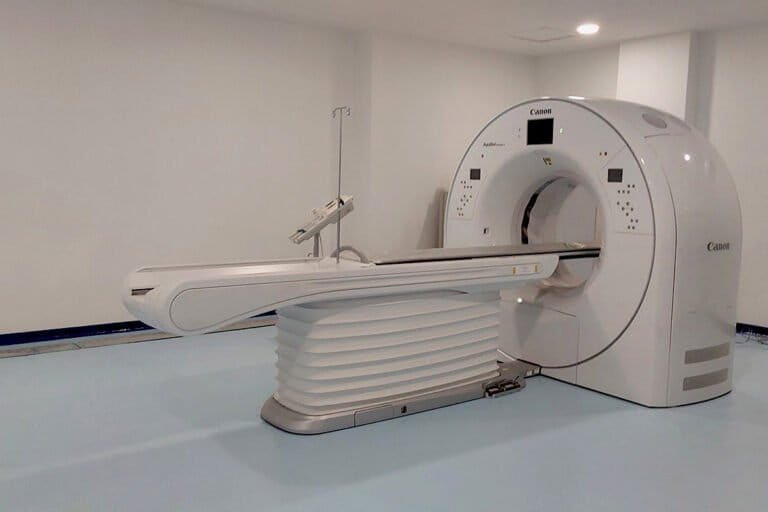
The current era, characterized by the 2020s, has seen the integration of high-level biotechnology. The use of CT scanners and PCR labs in settings like the TSI hospital marks a transition from reactive care to proactive, data-driven medical management. This evolution is driven by the realization that in-situ conservation efforts are increasingly insufficient to save species from extinction, making the success of ex-situ breeding programs and health maintenance an urgent priority for global biodiversity.
Challenges and Future Implications
Despite the evident benefits, the establishment of comprehensive animal hospitals remains a resource-intensive endeavor. The high cost of specialized equipment, the requirement for ongoing professional development for veterinary teams, and the energy demands of maintaining climate-controlled isolation and surgical suites present financial hurdles for smaller conservation organizations.
However, the consensus among experts is clear: the long-term cost of inaction far outweighs the investment in medical infrastructure. Diseases that go undetected can wipe out years of breeding progress in a matter of weeks. Furthermore, as human encroachment into natural habitats continues to bring wildlife into closer contact with urban environments, the prevalence of emerging pathogens is expected to rise.
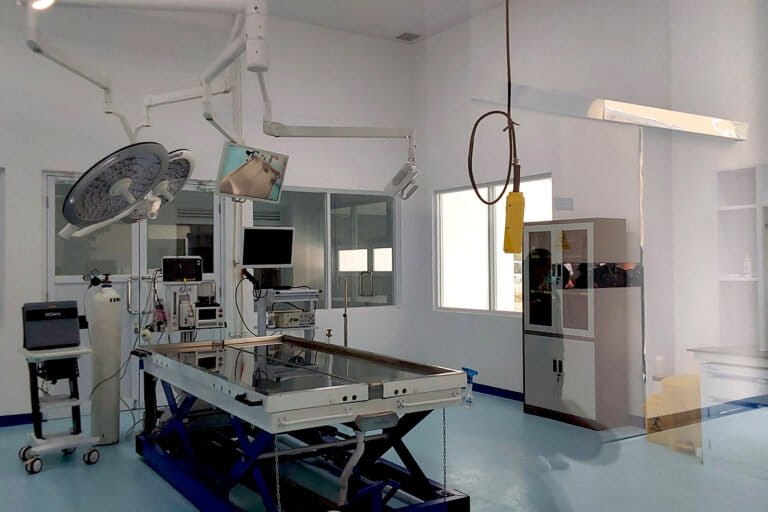
The integration of advanced medical diagnostics into conservation is not merely about treating sick animals; it is about gathering data that helps scientists understand how these species react to stressors and diseases. This knowledge is invaluable for field conservationists working to protect populations in the wild.
Conclusion: A Necessary Evolution
As the global community faces the dual crises of habitat loss and climate change, the role of conservation centers will continue to expand. These institutions act as "arks" for endangered species, and like any ark, they must be seaworthy. A specialized animal hospital is the most vital piece of that seaworthiness.
By prioritizing the medical welfare of wildlife, institutions like Taman Safari Indonesia are setting a precedent that others must follow. The transition from basic veterinary clinics to full-scale, technologically advanced hospitals represents a maturing of the conservation sector—one that recognizes the intrinsic value of the animal and the scientific necessity of its health. For the future of species such as the Javan leopard and the Banteng, the presence of a well-equipped, responsive, and professional hospital system is the difference between survival and extinction. Through the synthesis of One Health principles, cutting-edge diagnostics, and a commitment to the Five Freedoms, the conservation industry is creating a safer, more sustainable future for the world’s most vulnerable creatures.