Nila Kartika Wati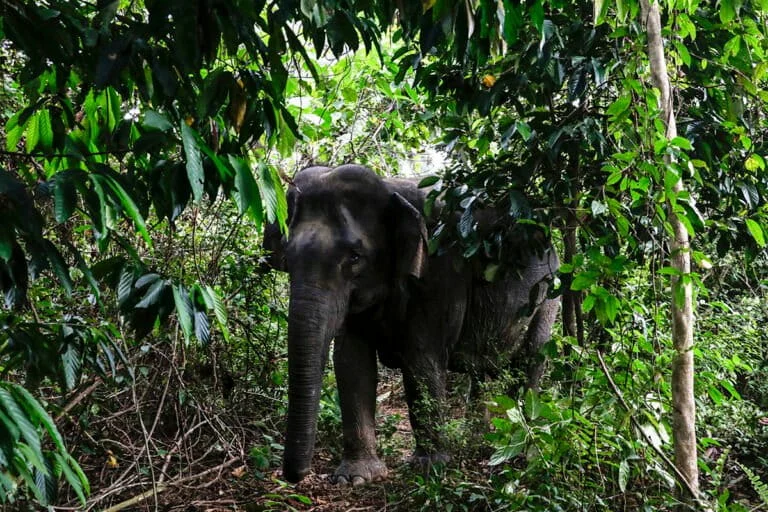
The fate of the Sumatran elephant (Elephas maximus sumatranus) has reached a critical juncture, prompting the Indonesian government to launch a comprehensive roadmap designed to halt the species’ precipitous decline. On August 12, 2026, the Minister of Forestry formally ratified the Strategy and Action Plan for the Conservation (SRAK) of Sumatran and Kalimantan Elephants, covering the period from 2026 to 2036. This policy framework, reinforced by Presidential Instruction (Inpres) Number 8 of 2026, represents the most significant legislative intervention in the history of Indonesian megafauna management, aiming to stabilize and eventually grow a population that has dwindled significantly over the past four decades.
A Historical Trajectory of Decline
The urgency of the SRAK initiative is rooted in sobering longitudinal data. In the 1980s, Sumatra was estimated to harbor between 2,800 and 4,800 individual elephants. By 2019, that number had plummeted to a range of 1,087 to 1,606. The latest assessments integrated into the 2026-2036 SRAK suggest a current population of approximately 1,365 to 1,719 individuals. While these numbers show a slight stabilization compared to the 2019 nadir, experts warn that the population remains fragile and highly susceptible to habitat fragmentation and human-wildlife conflict.
The demographic data indicates that the population is currently scattered across 21 distinct landscape pockets. The integrity of these pockets varies alarmingly: 17 of these areas, representing roughly 80.95 percent of the total, maintain populations of at least 10 individuals—a threshold often considered the minimum for short-term genetic viability. However, four pockets are home to fewer than 10 elephants, rendering them functionally extinct in the long term without significant intervention or connectivity restoration.
The Legislative Framework: Presidential Instruction No. 8
The SRAK does not exist in a vacuum. It serves as the technical operational guide for Presidential Instruction (Inpres) Number 8, issued on June 15, 2026. This decree is a landmark development, as it marks the first time in Indonesian history that a presidential mandate has been specifically dedicated to the salvation of wildlife and their habitats.
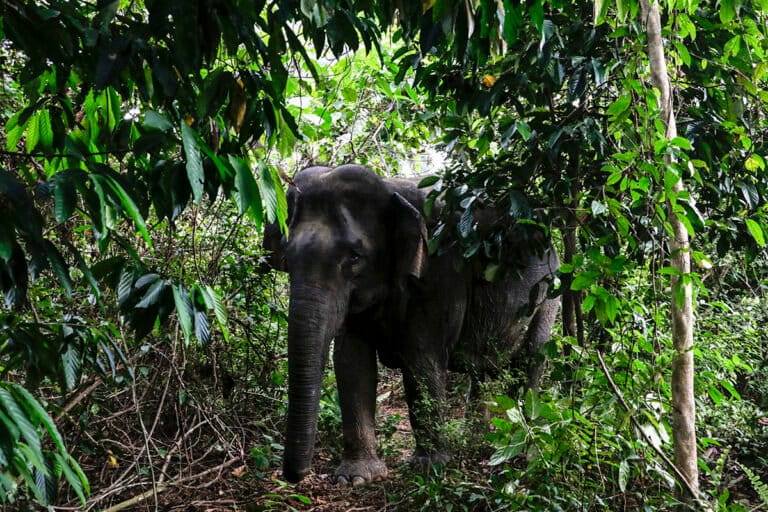
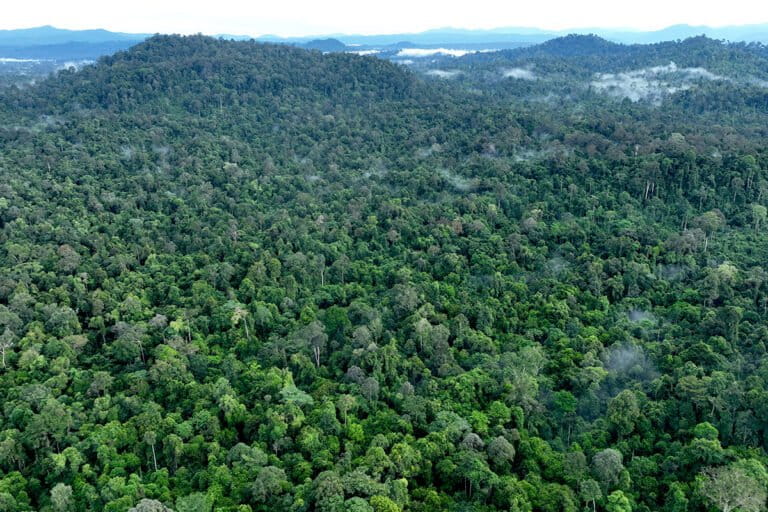
The Inpres mandates a cross-sectoral approach, binding multiple ministries, law enforcement agencies, and regional governments to a unified conservation goal. Among its most potent directives is the immediate cessation of new licensing for forestry, plantation, and mining activities within identified elephant habitat zones. This move is designed to curb the rapid encroachment of industrial activities into the 5.43 million hectares currently identified as elephant habitat. Notably, only 23.20 percent of this total area is currently classified under protected forest status; the remainder exists within production forests, protected areas, and Other Land Use (APL) zones, which are historically vulnerable to conversion.
The Aceh Heartland and the Conflict Crisis
Aceh stands as the most critical stronghold for the Sumatran elephant. According to the SRAK, the province supports an estimated 510 to 608 individuals—nearly one-third of the entire species population. These are distributed across five major landscapes: Ulu Masen, the Klueut-Trumon-Bengkung-Subulussalam-Sultan Daulat corridor, Alue Buloh, Woyla, and the Jambo Aye-Langkahan-Samarkilang complex.
However, this concentration of elephants in Aceh coincides with the highest rates of human-elephant conflict. Data from the Aceh Natural Resources Conservation Agency (BKSDA) illustrates the volatility of the region. Between 2019 and 2025, cases of conflict fluctuated, peaking in 2023 with 149 documented incidents. While 2025 saw a reduction to 47 cases, the trend remains unstable, with 32 cases already logged by August 2026. Furthermore, the loss of 25 elephants due to mortality incidents between 2022 and August 2026 underscores the lethal nature of these encounters, often fueled by habitat loss, poisoning, or retaliatory killings.
Four Pillars of the 2026-2036 Strategy
To address these multifaceted threats, the SRAK establishes four primary pillars of intervention:
- Protection and Conflict Mitigation: Strengthening the physical defense of habitats and implementing rapid response units to manage human-elephant interactions.
- Population and Habitat Restoration: Focusing on the biological recovery of herds and the ecological restoration of degraded corridors.
- Ex-Situ Management: Enhancing the care and conservation breeding potential of elephants currently held in zoos or rescue centers.
- Policy and Sustainable Financing: Ensuring that conservation efforts are backed by long-term, non-volatile financial resources and robust legal backing.
Minister of Forestry Raja Juli Antoni emphasized during the ratification that the SRAK must transcend its status as a bureaucratic document. "If we are consistent, the population trajectory can be significantly improved over the next decade," he stated. He underscored that success would be measured by clear indicators: habitat connectivity, population growth, a tangible reduction in conflict frequency, and the overall efficiency of forest protection efforts.
The Challenge of Connectivity and Land Governance
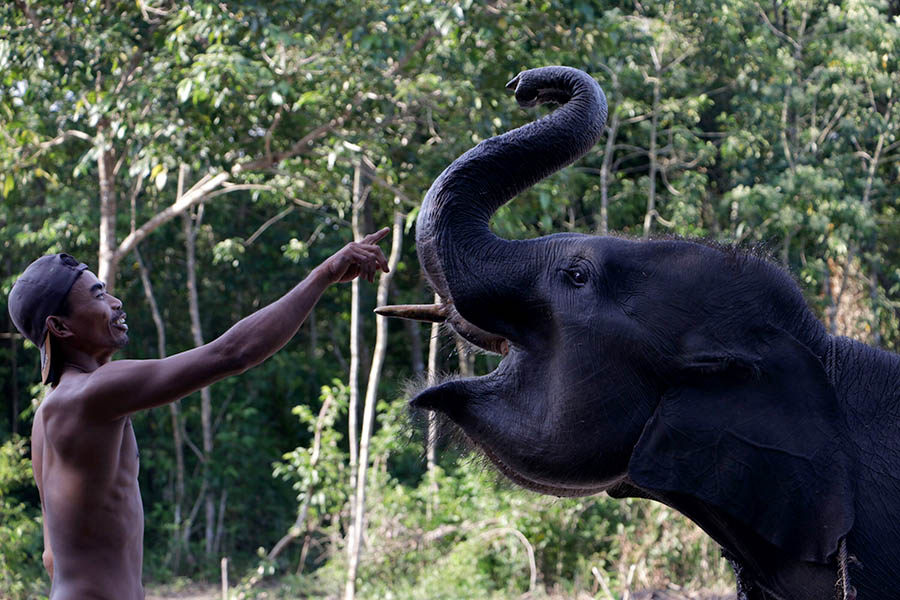
Experts in the field, including those from the IUCN Species Survival Commission (SSC) Asian Elephant Specialist Group, have lauded the ambition of the SRAK while cautioning that execution is paramount. Wahdi Azmi, an expert on the Asian elephant, argues that the most critical challenge is not just protecting isolated islands of forest, but ensuring the survival of the corridors that connect them.
"Elephants do not recognize administrative or protected area boundaries; they move according to their ecological needs," Azmi explained. "Saving the pockets is insufficient if the connectivity between them is severed by infrastructure or agriculture."
This perspective shifts the conversation from traditional conservation to broader spatial planning. Every ministry involved in infrastructure and regional development must now acknowledge that their planning decisions carry weight for the survival of the species. The integration of conservation into the national development agenda suggests a pivot where the elephant is no longer a peripheral concern but a central pillar of sustainable landscape management.
Moving Toward Collective Action
Donny Gunaryadi, Chairman of the Indonesian Elephant Conservation Forum (FKGI), highlights that the current political climate offers a unique window of opportunity. The combination of an official Presidential Instruction, a technical SRAK, and decades of field-based experience creates a "perfect storm" of readiness.
"The challenge ahead is consolidating these assets into collective action," Gunaryadi noted. He believes that the historical struggle has often been a lack of coordination between regional and central governments. With the Inpres providing the legal mandate, the focus must now shift to the local level, where regional governments are tasked with implementing habitat-saving policies.
Future Implications
The next decade will be the definitive test for the Sumatran elephant. The 2026-2036 period will either represent the era where the tide was turned or the final chapter for several sub-populations. By mandating the cessation of permits in critical habitats and forcing a multi-agency approach, the government has signaled that it recognizes the elephant as an indicator species for the health of the entire Sumatran ecosystem.
As the program moves into its implementation phase, international observers and domestic stakeholders will be watching for the enforcement of the permit moratorium and the allocation of the promised sustainable financing. The survival of the Sumatran elephant is intrinsically linked to the economic and developmental choices made by the state. The SRAK provides the roadmap, but the path forward will require unprecedented cooperation between private industry, government agencies, and the local communities that live on the front lines of the human-elephant interface.
In conclusion, the 2026-2036 strategy marks a transformative moment. By moving beyond isolated conservation projects and embracing a systemic, landscape-level approach, Indonesia is attempting to secure a future where the largest mammal in the Sumatran rainforest can coexist with the demands of a modernizing nation. The success of this effort will depend on the government’s ability to maintain political momentum and ensure that the "collective action" promised becomes a reality in the deep forests of Aceh and beyond.