Azin Asro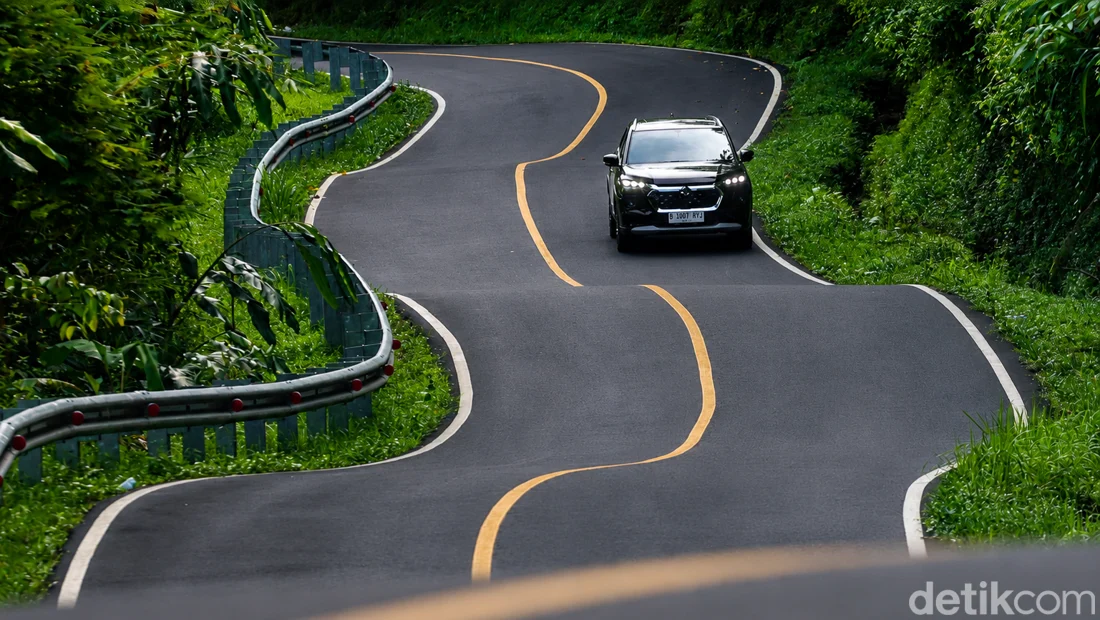
The Indonesian automotive landscape is undergoing a significant transformation as consumer priorities shift from the initial sticker price of a vehicle toward the more comprehensive metric of Total Cost of Ownership (TCO). In a market traditionally dominated by internal combustion engines, the introduction of hybrid technology has often been met with skepticism regarding long-term maintenance expenses and the complexity of electrified components. However, recent data surrounding the Suzuki Grand Vitara, particularly its Smart Hybrid Vehicle by Suzuki (SHVS) variant, suggests that the perceived financial burden of owning a hybrid SUV is largely a misconception. As the Indonesian government continues to push for lower carbon emissions through various incentives, the Grand Vitara serves as a case study for how manufacturers are balancing advanced technology with the economic realities of the average motorist.
For many potential buyers in Jakarta and other major urban centers, the decision-making process for a new vehicle now involves a rigorous calculation of fuel expenses, periodic service costs, and potential resale value over a five-year period. Suzuki’s latest iteration of the Grand Vitara aims to address these concerns directly by offering a maintenance schedule that remains competitive with, and in some cases more affordable than, traditional non-hybrid competitors in the compact SUV segment. This strategy is part of a broader effort by PT Suzuki Indomobil Sales (SIS) to democratize hybrid technology, making it accessible to a wider demographic that may be intimidated by the high entry costs of Battery Electric Vehicles (BEVs) or Plug-in Hybrid Electric Vehicles (PHEVs).
Detailed Breakdown of Periodic Maintenance Costs
The financial viability of the Suzuki Grand Vitara becomes most apparent when examining the projected maintenance costs over a 100,000-kilometer trajectory or a five-year ownership cycle. According to official estimates provided by the manufacturer, the total expenditure for periodic service during this period amounts to approximately Rp 11,802,750. This figure is comprehensive, encompassing not only the cost of genuine spare parts and essential materials but also labor fees and applicable taxes. When broken down into an annual average, the cost of keeping the Grand Vitara in peak condition is roughly Rp 2.36 million per year—a figure that challenges the narrative of high-maintenance hybrid systems.
A significant factor in these low initial costs is Suzuki’s customer loyalty program, which includes a "free labor" policy for several early service intervals. During the initial phase of ownership, specifically at the 10,000 km, 20,000 km, 30,000 km, and 50,000 km marks, the cost to the owner is kept at a minimum, averaging around Rp 476,000 per visit. These early interventions focus primarily on routine inspections, oil changes, and filter replacements, ensuring the vehicle’s longevity without straining the owner’s budget.
As the vehicle ages and reaches higher mileage, the maintenance costs naturally increase to account for more intensive component replacements. The most substantial financial commitment occurs at the 100,000-kilometer mark, or the five-year anniversary of the purchase. At this interval, the service cost is estimated at approximately Rp 4.05 million. This peak is attributed to the scheduled replacement of long-life components such as the air filter, automatic transmission fluid, engine coolant, and spark plugs. By being transparent about these future costs, Suzuki provides a level of predictability that is highly valued by modern consumers who prefer to plan their household budgets years in advance.

The Smart Hybrid Vehicle by Suzuki (SHVS) Advantage
The core of the Grand Vitara’s efficiency lies in the SHVS technology, a mild-hybrid system designed to optimize fuel consumption without requiring the driver to change their behavior or rely on external charging infrastructure. The system consists of three primary components: the K15C Dual Jet engine, an Integrated Starter Generator (ISG), and a dedicated Lithium-ion battery. Unlike full hybrid systems that can propel the car on electricity alone for extended distances, the SHVS system acts as a sophisticated assistant to the internal combustion engine.
The ISG plays a dual role. During deceleration, it functions as a generator, converting the vehicle’s kinetic energy into electricity to charge both the lead-acid battery and the Lithium-ion battery. During acceleration, the ISG provides a "torque assist," reducing the load on the engine and thereby lowering fuel consumption. Furthermore, the system enables an Auto Start-Stop feature that is smoother than traditional systems, shutting down the engine when the vehicle is stationary in traffic and restarting it instantly when the driver releases the brake or engages the accelerator. This technology is particularly effective in the stop-and-go traffic conditions characteristic of Indonesian metropolitan areas.
Real-World Fuel Efficiency and Performance
The theoretical benefits of the SHVS system have been validated through rigorous real-world testing. In a recent long-distance evaluation conducted by automotive experts, a Suzuki Grand Vitara was driven from the bustling streets of Jakarta to the mountainous region of Ciwidey in West Java. This route provided a comprehensive testing ground, including flat highway stretches, congested urban corridors, and steep, winding inclines. The vehicle recorded an impressive fuel efficiency figure of 18.3 kilometers per liter.
This level of efficiency is significant for a vehicle in the SUV class, which traditionally struggles with fuel economy due to its higher profile and weight. The 18.3 km/l result suggests that for a daily commuter traveling 40 kilometers a day, the Grand Vitara would require a visit to the gas station far less frequently than its non-hybrid counterparts. Over the course of a year, the savings on fuel alone could potentially offset a significant portion of the vehicle’s annual maintenance costs, further strengthening the TCO argument.
Comparative Market Position and Consumer Sentiments
The Indonesian compact SUV market is one of the most competitive sectors in the industry, with the Grand Vitara facing stiff competition from the Honda HR-V, Hyundai Creta, and Toyota Yaris Cross. While some competitors offer more powerful engines or more extensive digital features, Suzuki has carved out a niche by focusing on "rational luxury." This positioning emphasizes reliability, ease of service through an extensive dealership network, and a hybrid system that is perceived as less "risky" than more complex electrified alternatives.
Industry analysts observe that the "fear of the unknown" regarding battery life is a primary hurdle for hybrid adoption. To mitigate this, Suzuki offers a competitive warranty on the Lithium-ion battery, which is a critical component of the SHVS system. By providing an 8-year or 160,000-km warranty (whichever comes first) for the battery, the manufacturer addresses the primary concern regarding long-term reliability. This move is seen as a strategic effort to bolster resale values, as second-hand buyers are more likely to purchase a used hybrid if the battery is still under factory protection.
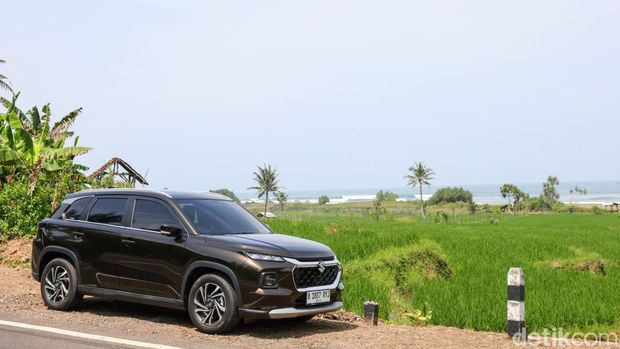
Inferred reactions from the dealer network suggest that the Grand Vitara is attracting a "pragmatic" segment of the middle class. These are buyers who are environmentally conscious but are not yet ready to commit to the infrastructure requirements of a full EV. They view the mild-hybrid system as a bridge technology—one that offers immediate benefits in fuel savings without the "range anxiety" associated with pure electric driving.
Economic Implications and the Path Forward
The affordability of the Grand Vitara’s maintenance schedule has broader implications for the Indonesian automotive industry. As more manufacturers follow Suzuki’s lead in providing transparent and low-cost service packages, the barrier to entry for electrified vehicles will continue to lower. This trend aligns with the Indonesian government’s target to have 20% of all domestic vehicle production be electrified by 2025.
Furthermore, the emphasis on TCO is likely to force other manufacturers to re-evaluate their service pricing structures. In an era where information is readily available online, consumers are becoming increasingly adept at comparing the "true cost" of a car over its lifetime rather than just the showroom price. Suzuki’s move to keep the five-year service total under Rp 12 million sets a benchmark for the industry, particularly for the hybrid SUV segment.
As the Grand Vitara continues to gain traction, the focus will likely shift toward how the SHVS system performs after the five-year mark. However, based on the current data and the robustness of the K-series engine platform, the outlook remains positive. The combination of a fuel-efficient powertrain, a manageable maintenance schedule, and a strong brand reputation for durability positions the Suzuki Grand Vitara as a formidable contender in the quest for sustainable and economical mobility in Indonesia.
In conclusion, the Suzuki Grand Vitara demonstrates that the transition to hybrid technology does not have to come at a premium in terms of maintenance. By integrating a smart, mild-hybrid system with a transparent and affordable service regimen, Suzuki has addressed the core anxieties of the Indonesian motorist. As fuel prices remain volatile and environmental regulations tighten, the value proposition of a vehicle that is both "easy on the wallet" and "gentle on the environment" is expected to resonate more deeply with the public, paving the way for a more electrified and efficient future on Indonesian roads.