Tyo Susilo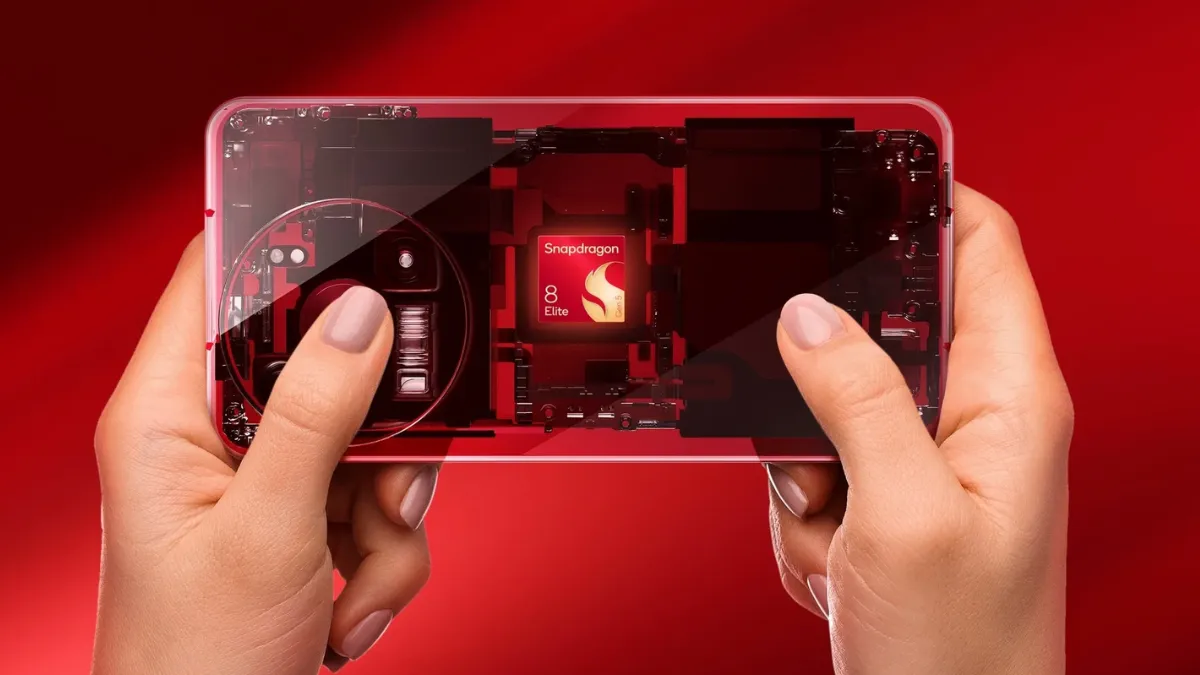
The landscape of mobile semiconductor manufacturing is experiencing a notable shift as Qualcomm reportedly keeps its options open regarding the production of its upcoming flagship processors. While Taiwan Semiconductor Manufacturing Company (TSMC) has long maintained a dominant position as the primary foundry for high-end mobile system-on-chips (SoCs), fresh industry reports indicate that Qualcomm is actively engaging in discussions with Samsung Foundry. The talks center on the potential utilization of Samsung’s advanced manufacturing nodes for the forthcoming Snapdragon 8 Elite Gen 6 series. This strategic maneuver suggests that Qualcomm is heavily weighing the risks of supply chain concentration and foundry capacity constraints as it prepares for the next generation of mobile computing power.
Industry insiders from South Korea reveal that representatives from Qualcomm and Samsung have been in continuous dialogue, hashing out critical parameters including technical specifications, pricing structures, and manufacturing process optimizations. These developments come at a crucial time, as Qualcomm gears up to officially unveil both the standard Snapdragon 8 Elite Gen 6 and its higher-tier counterpart, the Snapdragon 8 Elite Gen 6 Pro. The official announcements are widely anticipated to take place during the annual Snapdragon Summit, scheduled for the latter part of this month. Initially, widespread industry consensus pointed toward an exclusive manufacturing partnership with TSMC, designating the Taiwanese semiconductor giant as the sole architect for these powerful chipsets. However, the latest deliberations have injected a strong possibility of a dual-source manufacturing strategy, potentially splitting production responsibilities between TSMC and Samsung Foundry.
Background Context of the Semiconductor Supply Chain Shift
The consideration of Samsung as a secondary foundry partner is driven by a complex interplay of technological milestones, capacity limitations, and geopolitical risk management. Over the past several years, the semiconductor industry has witnessed an unprecedented surge in demand for advanced nodes, particularly for applications involving artificial intelligence, high-performance computing, and premium mobile devices. As chip designs become increasingly sophisticated—transitioning down to the highly coveted 2-nanometer (2nm) fabrication processes—the number of foundries capable of producing silicon at scale has dwindled to just a handful of industry leaders, primarily TSMC and Samsung.
For Qualcomm, relying exclusively on a single foundry introduces inherent operational vulnerabilities. By exploring a dual-source model for the Snapdragon 8 Elite Gen 6, the San Diego-based fabless semiconductor company aims to safeguard its supply chain against unforeseen disruptions, whether stemming from geographical constraints, unexpected production bottlenecks, or sudden spikes in market demand. Bringing Samsung back into the high-end flagship manufacturing fold would mark a significant strategic pivot, reminiscent of previous generations where Qualcomm occasionally split orders between different foundries depending on yield performance and pricing competitiveness.
Yield Rates and Manufacturing Milestones
A pivotal factor in the ongoing negotiations between Qualcomm and Samsung revolves around the yield rates of Samsung’s fledgling 2nm manufacturing process. Yield—the percentage of functional, defect-free microchips produced on a silicon wafer—is the ultimate metric by which foundry viability is measured. Recent reports indicate that Samsung has made measurable progress in refining its 2nm fabrication lines, with current yield rates climbing to approximately 55%.
Despite this notable improvement, a gap remains when compared to TSMC’s manufacturing maturity. Industry estimates suggest that TSMC currently commands a yield rate ranging between 60% and 70% for its own 2nm-class nodes. For a high-volume, performance-critical product line like the Snapdragon 8 Elite Gen 6, Qualcomm reportedly establishes a strict operational threshold, requiring a minimum yield rate of approximately 70% to justify large-scale commercial production contracts.
Consequently, Samsung still faces a critical window of technical optimization before it can comfortably handle massive volumes of Qualcomm’s premier silicon. Nevertheless, the upward trajectory of Samsung’s yield rates has been sufficient to convince Qualcomm executives that the South Korean conglomerate is a viable contender rather than a dismissed alternative. The improved metrics provide a solid technical foundation for ongoing commercial discussions, even if Samsung’s initial role remains that of a supplementary supplier.
TSMC Capacity Constraints and the Apple Factor
Beyond yield considerations, the urgency for Qualcomm to secure an alternative or secondary foundry partner is heavily underscored by severe capacity constraints at TSMC. The Taiwanese foundry titan has laid out ambitious timelines to scale its 2nm wafer production capacity to approximately 60,000 wafers per month by the fourth quarter of 2026. While this figure appears substantial on paper, the distribution of that manufacturing capacity presents a formidable bottleneck for other fabless designers.

Market intelligence reports indicate that a commanding majority—exceeding fifty percent—of TSMC’s initial 2nm manufacturing capacity has already been secured by Apple. As one of TSMC’s largest and most lucrative clients, Apple routinely commands priority access to bleeding-edge node capacity for its upcoming iPhone processors and custom silicon initiatives. This leaves a compressed remaining capacity to be shared among other industry giants, including Qualcomm, MediaTek, AMD, and Nvidia.
If Qualcomm were to rely entirely on TSMC for the entirety of its Snapdragon 8 Elite Gen 6 inventory, the company could face severe supply shortages, protracted lead times, or an inability to meet the aggressive launch schedules demanded by global smartphone original equipment manufacturers (OEMs). Engaging Samsung provides a strategic escape valve, mitigating the risk of being squeezed out by rival semiconductor consumers who command priority allocations at TSMC.
Chronology of Negotiations and Upcoming Product Launches
The timeline leading up to the anticipated Snapdragon Summit 2026 highlights a dynamic and fluid decision-making process within Qualcomm’s executive suites. The progression of events reveals how market pressures and foundry developments have continuously reshaped the company’s manufacturing roadmap:
- Early 2025 to Mid 2025: Initial rumors surface regarding the architectural planning of the Snapdragon 8 Elite Gen 6 series, with early supply chain models universally assuming an exclusive 2nm manufacturing contract awarded to TSMC.
- Late 2025: Samsung announces incremental breakthroughs in its Gate-All-Around (GAA) transistor technology, signaling gradual improvements in its 2nm node maturity and catching the attention of major fabless clients.
- Early 2026: Reports emerge indicating that TSMC’s advanced node capacity is heavily pre-booked by consumer electronics heavyweights, notably Apple, prompting Qualcomm to re-evaluate its single-source dependency.
- Mid 2026: Samsung’s 2nm yield rates stabilize and improve toward the 55% threshold, prompting formal exploratory discussions between Qualcomm and Samsung executives regarding specification alignment and cost structures.
- September 2026: Industry leaks confirm ongoing talks between the two tech giants, revealing that a dual-source strategy is actively being weighed for the upcoming Snapdragon 8 Elite Gen 6 and Gen 6 Pro chips.
- Late September 2026 (Upcoming): Qualcomm is scheduled to host the annual Snapdragon Summit, where the official unveiling of the Snapdragon 8 Elite Gen 6 series is expected to take place, potentially accompanied by clarifying statements regarding supply chain partnerships.
Broader Industry Implications and Market Impact
Should Qualcomm and Samsung successfully finalize an agreement for the partial production of the Snapdragon 8 Elite Gen 6, the broader mobile ecosystem will experience several notable ripple effects. First and foremost, a dual-source manufacturing model introduces a fascinating dynamic regarding silicon performance and thermal efficiency. Historically, chips produced by different foundries—even when built on ostensibly similar node architectures—can exhibit minor variances in power consumption, peak clock speeds, and thermal dissipation due to proprietary fabrication techniques.
Consumer advocacy groups and tech enthusiasts often scrutinize multi-foundry rollouts, tracking whether devices powered by variants from different manufacturers deliver identical real-world endurance and benchmark performance. Qualcomm will undoubtedly face the challenge of ensuring strict performance parity should it distribute production orders between TSMC and Samsung, maintaining a consistent user experience regardless of which foundry fabricated a specific chip.
Furthermore, a partnership of this magnitude would serve as a major vote of confidence in Samsung Foundry’s technological capabilities. Over the past few years, Samsung has faced intense market scrutiny following reports of lagging yields and lost contracts to TSMC in the high-end mobile sector. Securing a marquee client like Qualcomm for its flagship processor line would provide a vital validation of Samsung’s 2nm GAA technology, potentially paving the way for renewed competitiveness in the global semiconductor foundry market.
Financial analysts also note that introducing a secondary supplier strengthens Qualcomm’s negotiating leverage regarding wafer pricing. By maintaining active business relationships with both TSMC and Samsung, Qualcomm can dynamically adjust order allocations based on competitive pricing, geopolitical stability, and real-time yield improvements. This commercial flexibility is increasingly vital in an era marked by macroeconomic unpredictability and rising manufacturing costs.
Conclusion and Outlook
As the technology sector awaits the official keynote presentations at the upcoming Snapdragon Summit, the definitive manufacturing roadmap for the Snapdragon 8 Elite Gen 6 remains a subject of intense industry observation. While TSMC is undeniably positioned to retain the lion’s share of the production volume due to its superior yield stability and massive capital infrastructure, the door remains wide open for Samsung to secure a strategic secondary role.
The convergence of Samsung’s rising 2nm yield rates and TSMC’s tightening capacity constraints creates a compelling economic and operational rationale for a dual-source approach. Whether these high-level discussions ultimately culminate in a finalized supply contract will likely only become clear once Qualcomm formally introduces its next-generation flagship silicon to the global market, setting the stage for the next major evolution in mobile processing power.