Lusiana Hamidun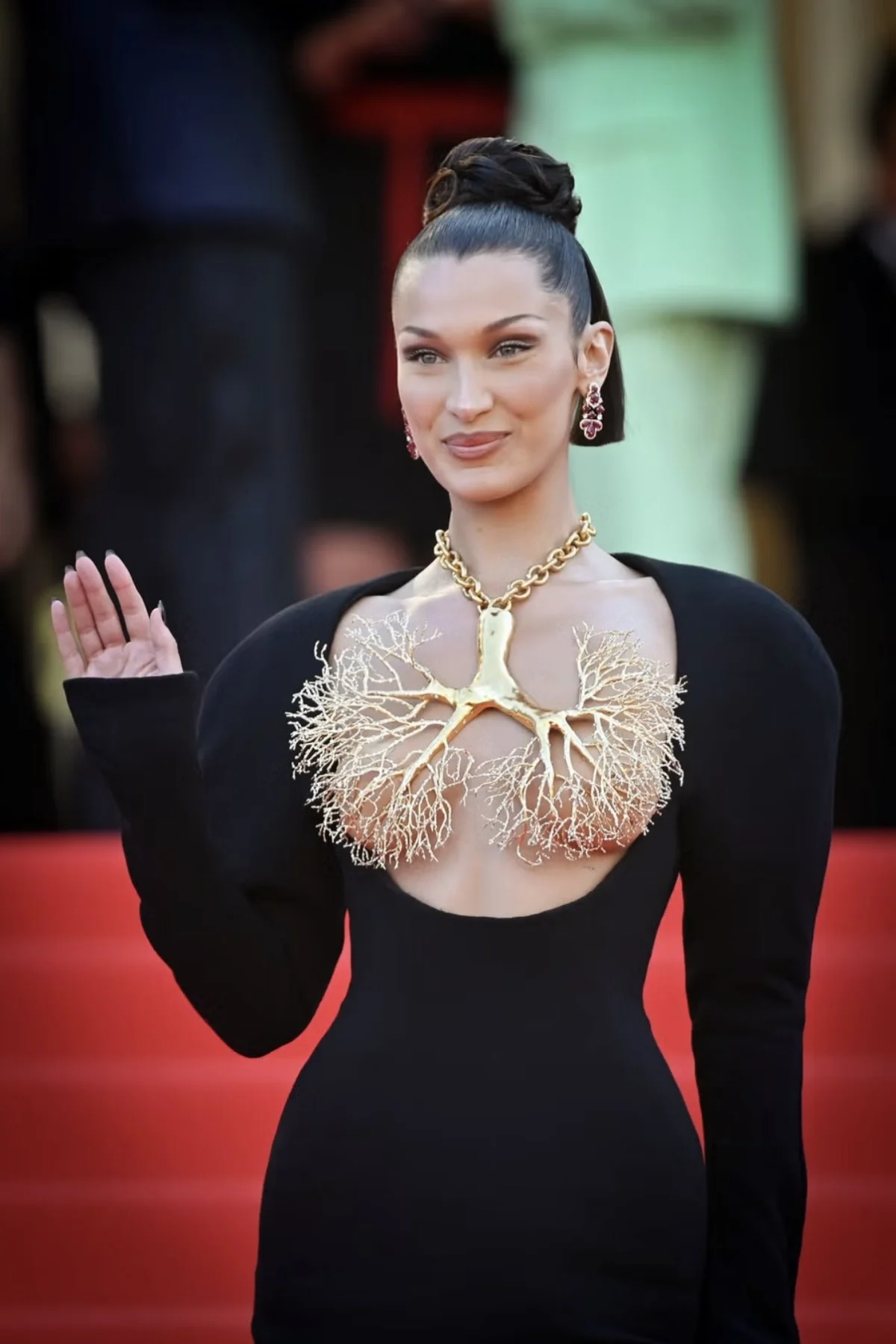
The Met Gala, a cornerstone of the fashion calendar and a highly anticipated philanthropic event, consistently presents thematic prompts that spark profound contemplation and diverse interpretations. This year’s exhibition, titled "Costume Art," guided by a curatorial vision centered on "the dressed body," promises to delve into the intricate relationship between apparel and the human form. The exhibition’s structure, segmented into conceptual sections such as "naked body" and "pregnant body," aims to illuminate the inseparable connection between clothing and the body, while simultaneously dissecting the complex interplay between artistic representations of the body and fashion as an art form intrinsically linked to it. Consequently, despite an official dress code of "Fashion is Art," the human body will undoubtedly remain the paramount consideration for attendees as they curate their sartorial statements, marking a significant evolution in the exhibition’s engagement with its core subject.
The thematic framework of "Costume Art" readily invites a spectrum of interpretations, ranging from the overtly revealing to the conceptually abstract. On one end of this spectrum lies the enduring allure of the "naked dress," a concept popularized by iconic moments in cultural history. Carrie Bradshaw’s memorable slip dress, designed by Donna Karan in the inaugural season of Sex and the City, is often cited as a pivotal moment in solidifying this aesthetic. Even more profoundly, Marilyn Monroe’s legendary "Happy Birthday, Mr. President" gown, famously donned by Kim Kardashian at the 2022 Met Gala, serves as a potent symbol of the body as a vehicle for fashion’s transformative power. This interpretation emphasizes the silhouette, the transparency, and the inherent sensuality of garments that appear to become a second skin.
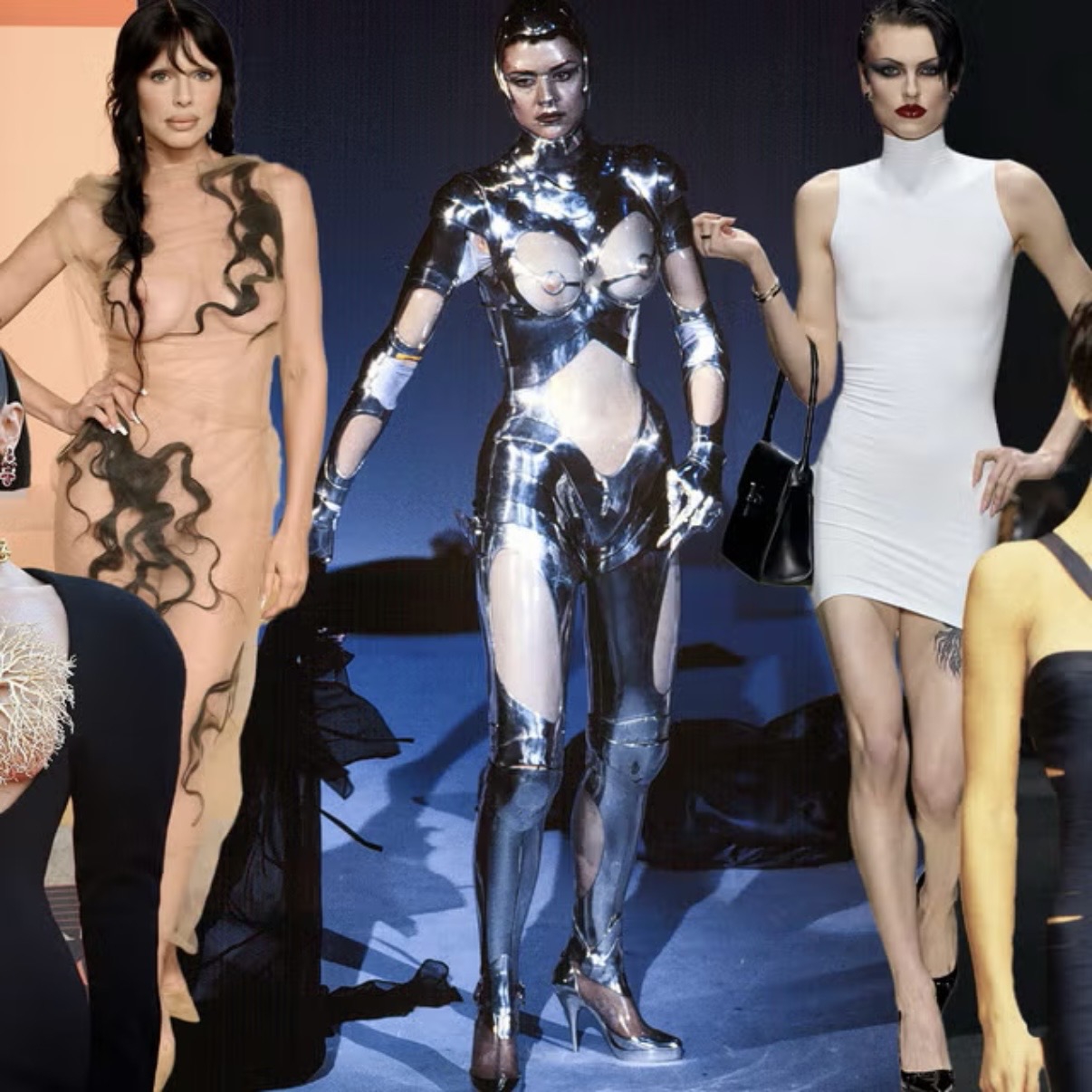
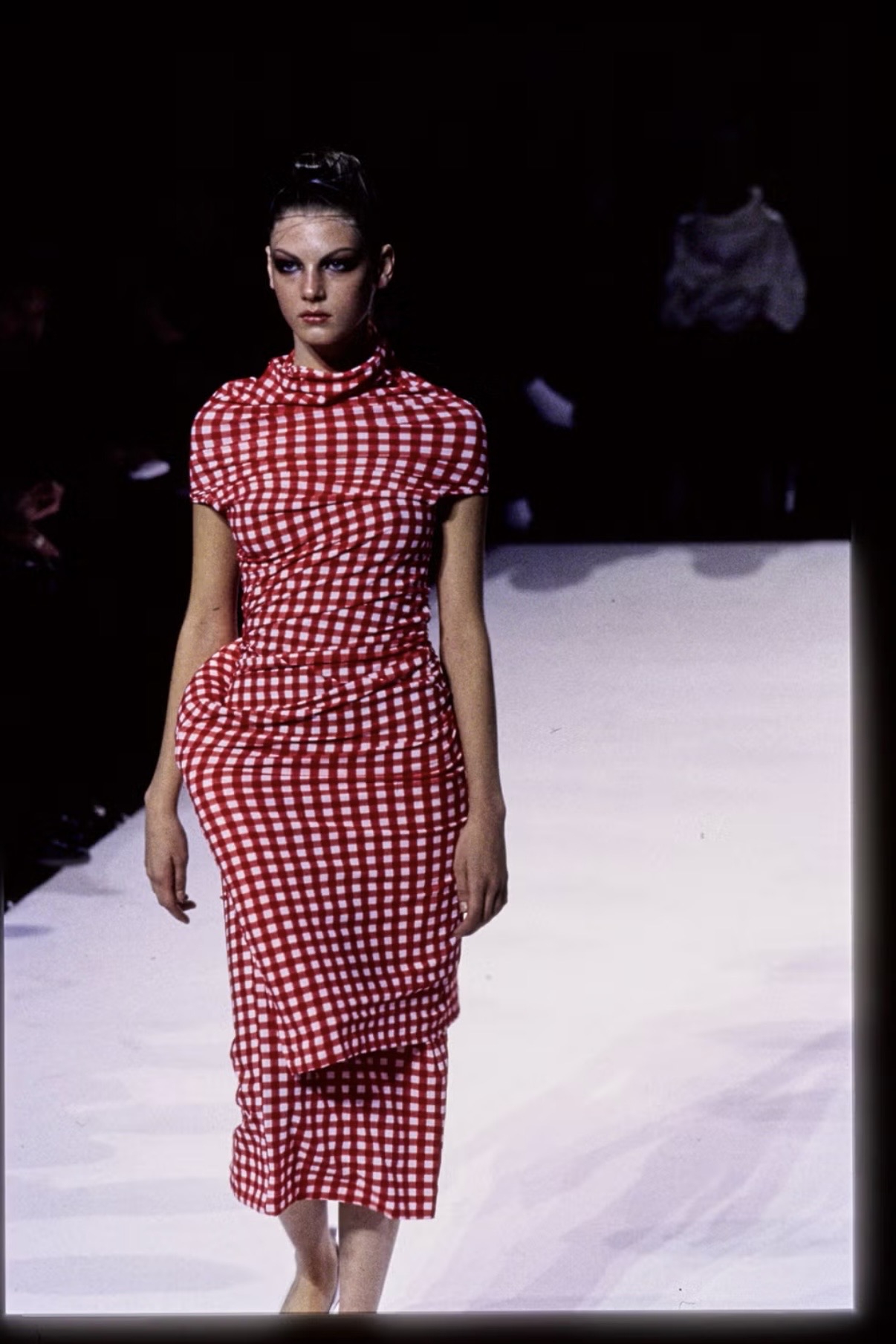
Conversely, the theme also opens avenues for designers to radically manipulate the body’s form through avant-garde creations. Rei Kawakubo’s seminal "Lumps and Bumps" collection for Comme des Garçons in Spring 1997 remains a touchstone in fashion history, demonstrating how garments can deconstruct and reimagine the natural contours of the human physique. This approach challenges conventional notions of beauty and proportion, presenting the body as a malleable surface upon which artistic statements are inscribed. Bridging these two poles of interpretation are contemporary designers like Dilara Findikoglu and Zoe Gustavia Anna Whalen, whose work often simultaneously exposes and distorts the human form, offering a dual critique and celebration of its complexities. Their designs provoke dialogue about societal expectations, body image, and the very essence of adornment.
At its core, every fashion designer grapples with the human body as their primary medium. The Met Gala’s "Costume Art" theme, by placing "the dressed body" at its epicenter, acknowledges this fundamental truth and encourages an exploration that extends beyond mere aesthetics to encompass conceptual depth and artistic innovation. The exhibition aims to showcase how fashion designers, throughout history and in the present day, have engaged with the body not just as a form to be clothed, but as a canvas for artistic expression, a site of cultural commentary, and a source of profound inspiration.
Designers Who Consistently Place the Body at the Forefront of Creative Exploration
The history of fashion is replete with designers who have consistently made the human body the central axis of their creative endeavors. The Met Gala’s thematic focus on "the dressed body" serves as a fitting platform to re-examine these influential figures and their lasting impact on how we perceive the interplay between clothing and the physical form. Their work, spanning various eras and stylistic approaches, demonstrates a profound understanding of anatomy, proportion, and the emotional resonance of garments that intimately engage with the wearer’s physicality.
1. Azzedine Alaïa: The "King of Cling"
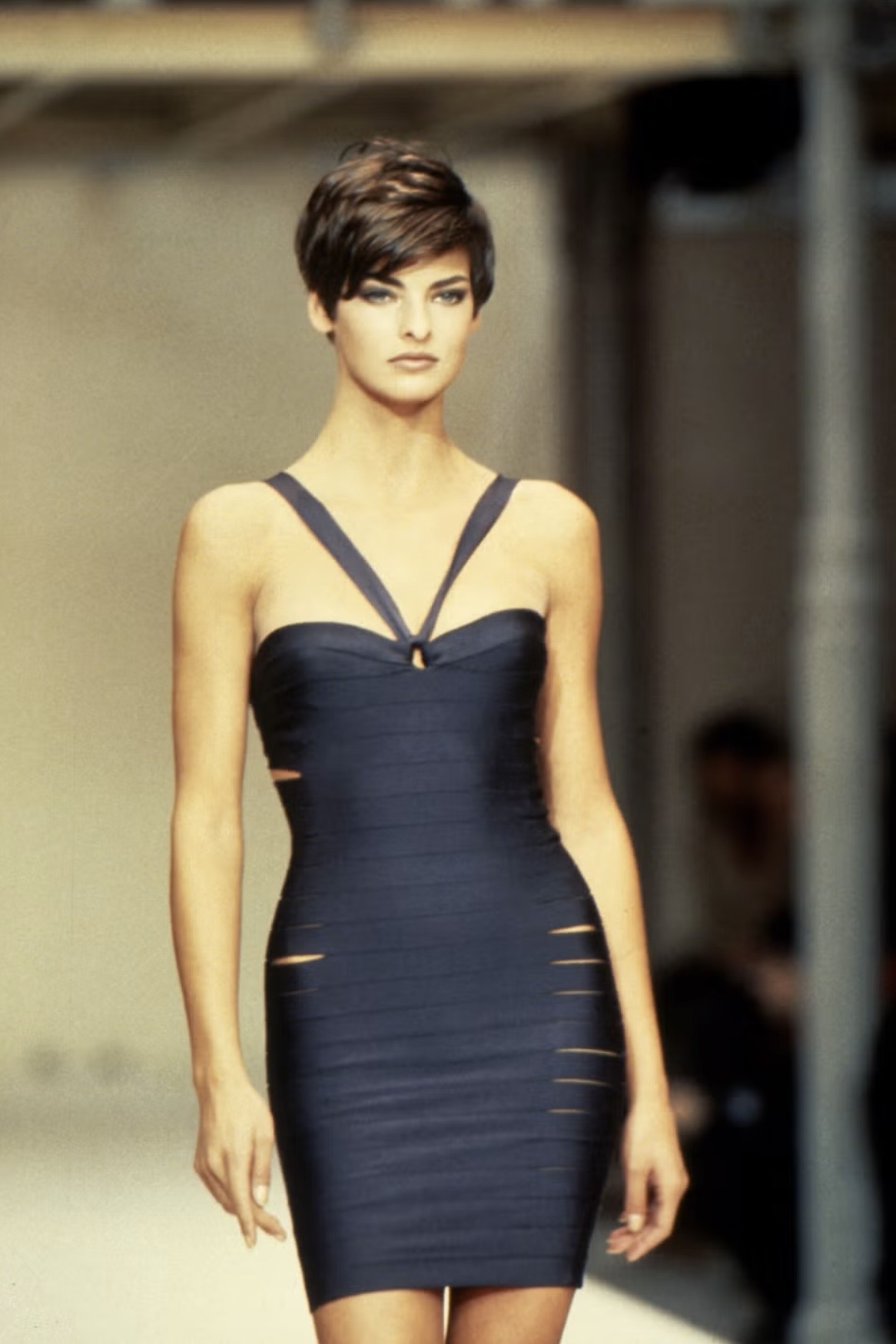
Azzedine Alaïa, affectionately known as the "King of Cling," revolutionized the way garments interacted with the female form. His innovative use of stretch materials, particularly in the 1980s and early 2000s, resulted in the creation of the iconic body-conscious silhouettes that became his hallmark. The "bandage dress," a prime example of his mastery, sculpted and celebrated the curves of the body with an unyielding embrace. Alaïa’s designs were not merely clothing; they were architectural feats that understood and amplified the natural beauty of the female physique. His legacy continues to influence contemporary designers, with Pieter Mulier at Alaïa Paris carrying forward this tradition of celebrating the body through exquisite tailoring and innovative material use. Alaïa’s approach underscored a fundamental belief that clothing should enhance, not conceal, the body, creating a powerful dialogue between fabric and flesh.
2. Elsa Schiaparelli and Daniel Roseberry: Surrealism and the Anatomical Form
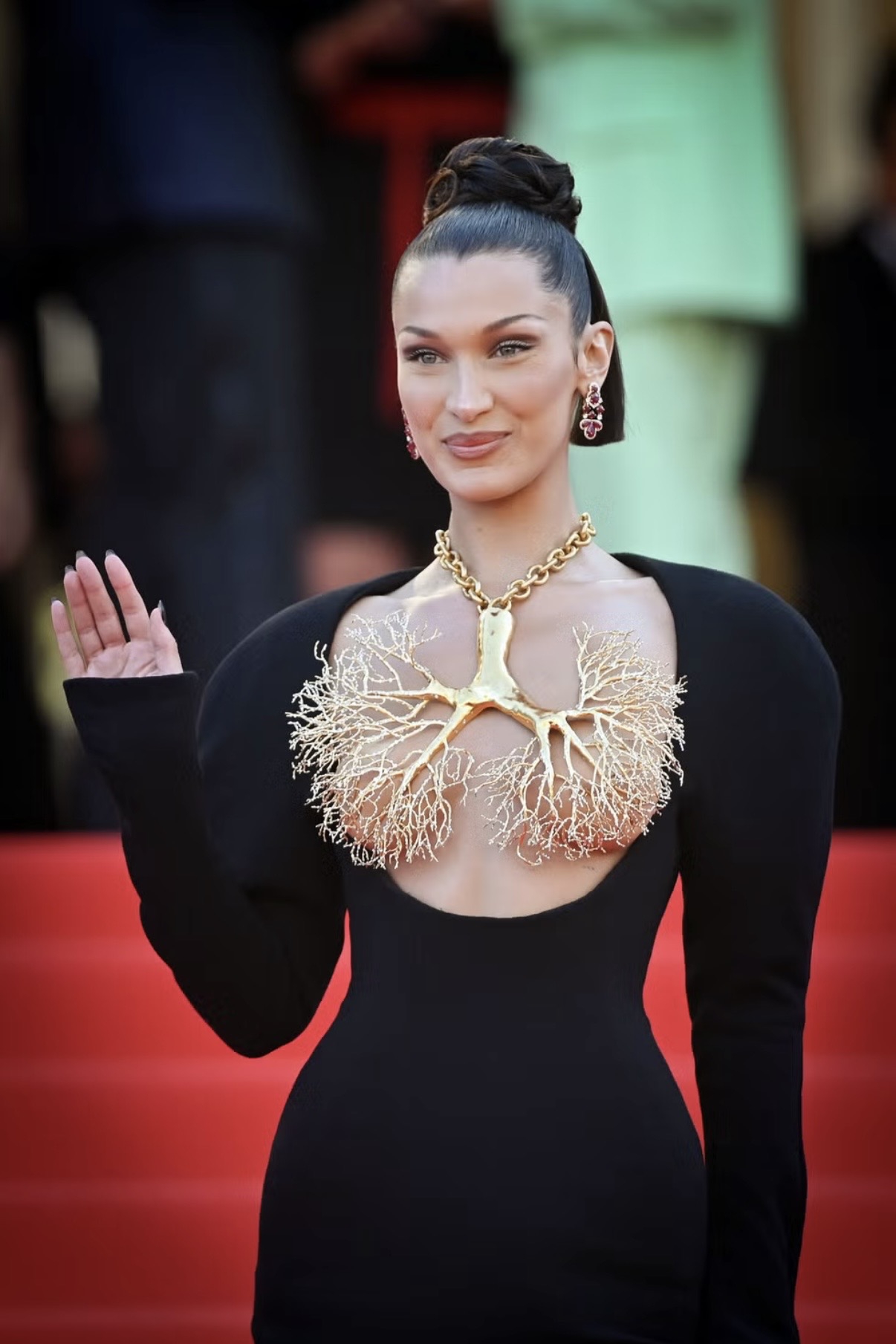
Elsa Schiaparelli, a visionary of surrealist fashion, consistently placed the female body at the heart of her designs, imbuing them with playful yet profound symbolism. Her collaborations with artists like Salvador Dalí yielded iconic pieces such as the "Skeleton" dress, which ingeniously used quilting to mimic the structure of the human ribcage, effectively turning the wearer into a living sculpture. This daring approach transformed the body into a site of artistic experimentation. Today, under the creative direction of Daniel Roseberry, Schiaparelli continues this legacy with an even more amplified and surrealist vision. Roseberry’s creations, such as the now-famous "lung dress" worn by Bella Hadid at the Cannes Film Festival in 2021, push the boundaries of anatomical representation in fashion, incorporating crystal-encrusted organs like lungs, noses, and hearts. These designs are not just garments; they are wearable art pieces that explore the body’s internal landscapes and external forms with a theatrical flair.
3. Duran Lantink: Provocation and the Deconstruction of Gendered Forms
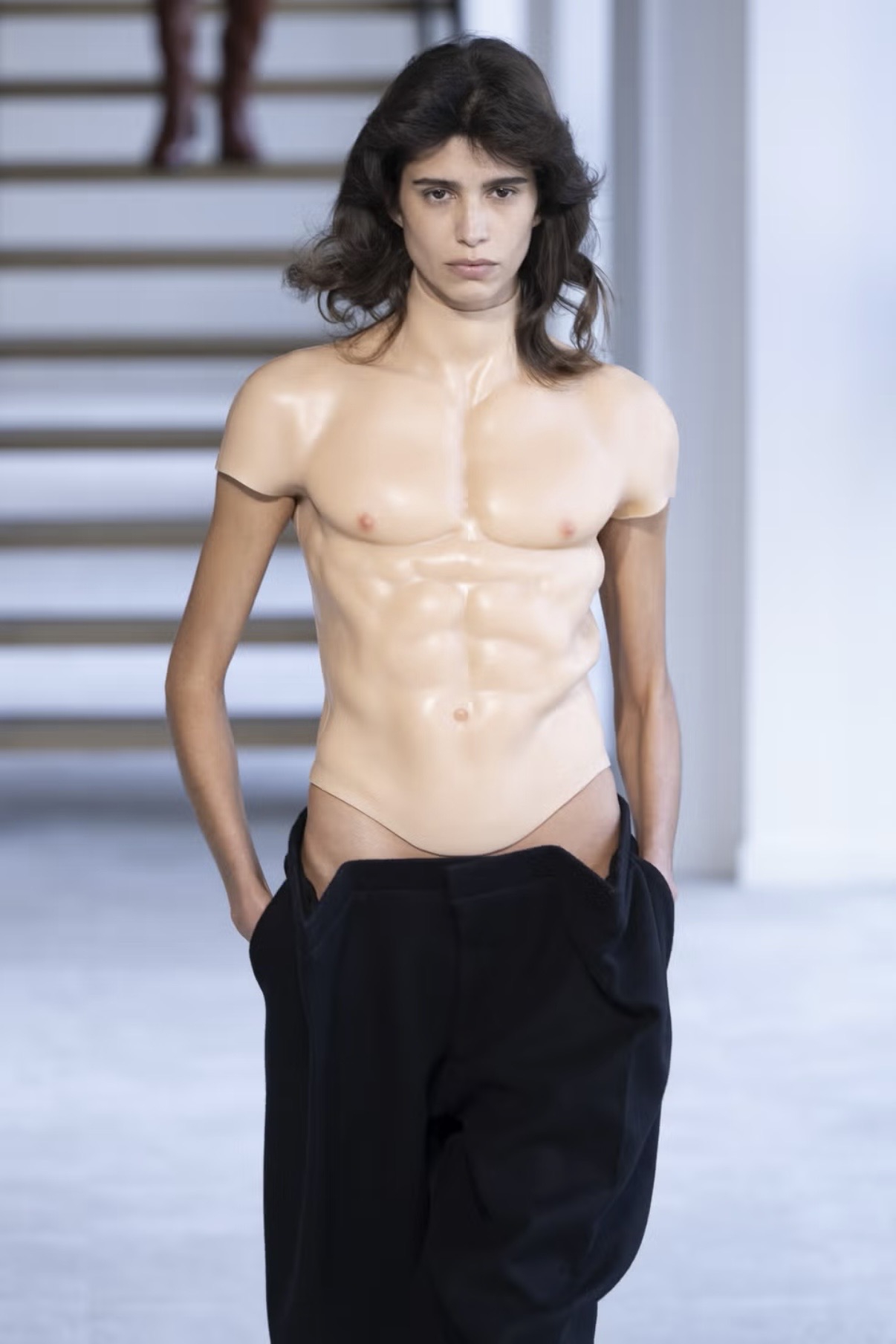
Duran Lantink has emerged as one of fashion’s most provocative voices, consistently challenging conventional notions of the body and gender through his work. His designs often feature striking visual illusions and deconstructions of traditional body shapes. In his Fall 2025 collection, Lantink presented models with the illusion of hyper-muscular male bodies and male models adorned with distinctly feminine chest forms, blurring the lines of gendered anatomy and prompting viewers to question established norms. His earlier work at Jean Paul Gaultier also showcased a bold exploration of body shapes and identities through visually arresting techniques. Lantink’s approach is a direct confrontation with societal constructs, using clothing to dismantle and reassemble our understanding of the physical self.
4. Thierry Mugler: The Power of Extreme Silhouettes
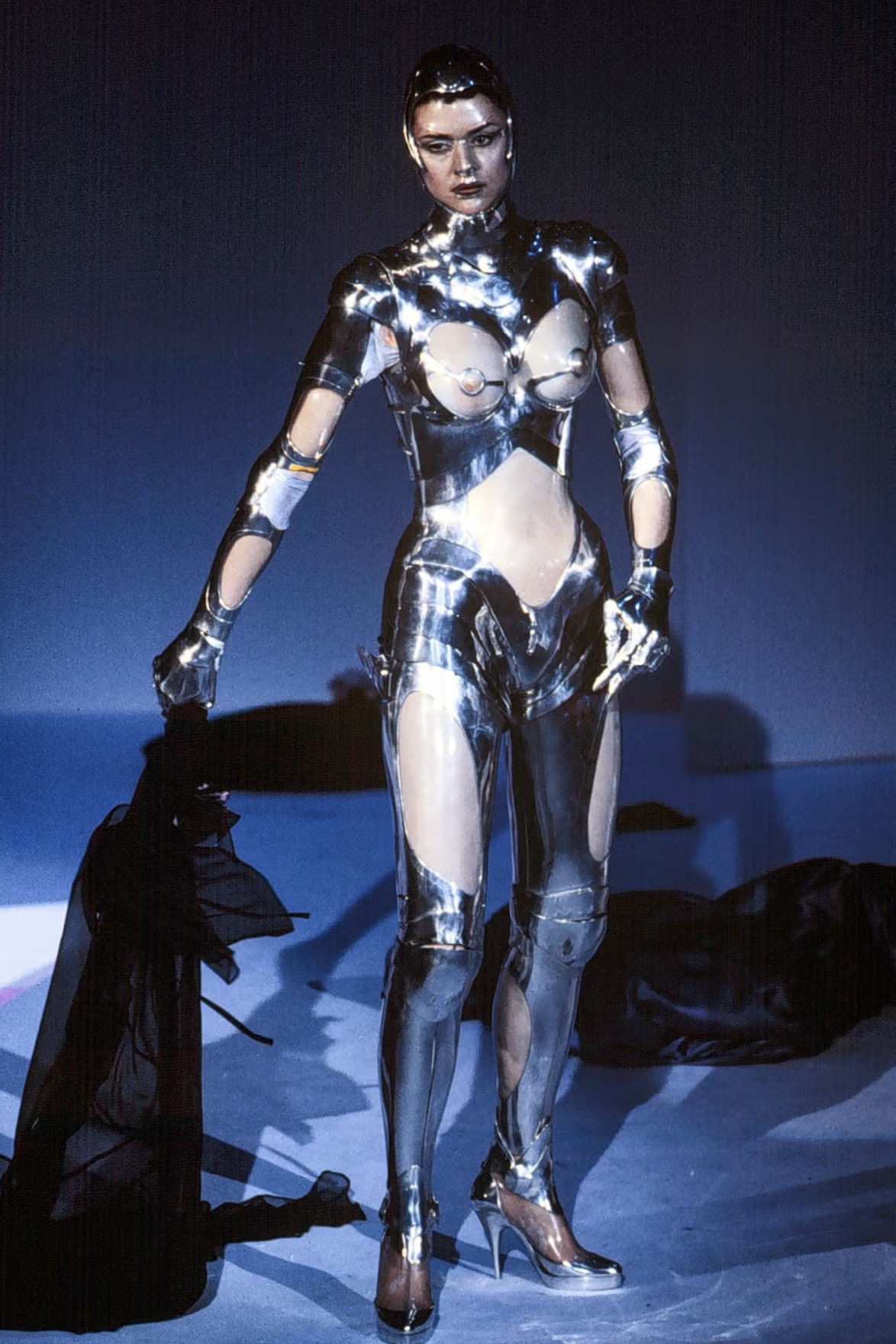
From the 1970s onwards, Thierry Mugler redefined feminine power through dramatic and often extreme silhouettes. His designs were characterized by sharp shoulders, cinched waists, and exaggerated curves that emphasized a hyper-feminine and almost architectural vision of the body. This aesthetic reached its zenith in iconic moments, including the unforgettable visuals of George Michael’s "Too Funky" music video, which showcased Mugler’s daring creations on a runway that was as much a theatrical performance as a fashion show. Mugler’s influence on shaping and accentuating the body’s natural lines, often to an almost sculptural degree, cemented his place as a master of transformative design. This powerful aesthetic continues to be reinterpreted, with designers like Miguel Castro Freitas carrying forward the legacy of dramatic form and amplified femininity.
5. Demna: The Dynamic Tension Between Oversized and Body-Hugging
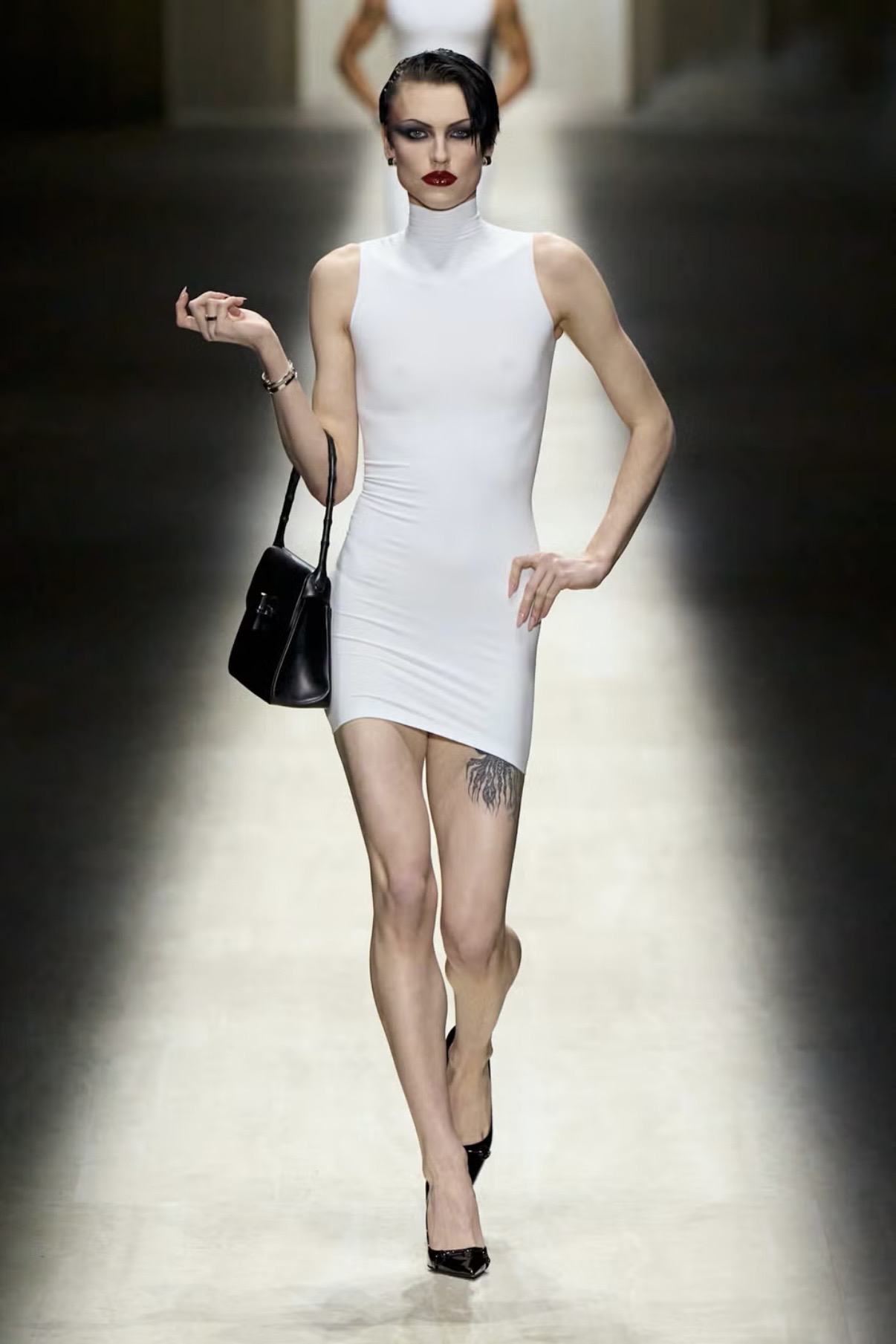
Demna, through his impactful tenures at Vetements, Balenciaga, and most recently, Gucci, has consistently explored the dynamic and often contradictory relationship between the human body and clothing. His design philosophy often oscillates between extreme oversized silhouettes that obscure and reinterpret the body’s natural shape, and ultra-tight, body-hugging garments that accentuate every contour. This duality reflects a sophisticated understanding of how clothing can both conceal and reveal, creating a constant tension between anonymity and exposure. Demna’s work prompts a critical examination of our perception of form and volume, demonstrating how fashion can play with our expectations of the human silhouette. His collections often serve as commentary on contemporary culture, with the body acting as a central element in this dialogue.
6. Rei Kawakubo at Comme des Garçons: Challenging the Conventional Form
Rei Kawakubo, the visionary founder of Comme des Garçons, has dedicated her career to challenging and deconstructing conventional notions of the body in fashion. Her groundbreaking Spring 1997 collection, famously dubbed "Lumps and Bumps," remains a pivotal moment in fashion history. This collection featured garments that deliberately distorted the body’s natural proportions, creating asymmetrical bulges and unconventional shapes. Kawakubo’s explorations extend beyond this singular collection, with her continuous output consistently pushing the boundaries of what constitutes a garment and how it interacts with the wearer’s form. Her work encourages a radical rethinking of the body as a malleable entity, open to artistic reinterpretation and subversion.
7. Dilara Findikoglu: Exploring Boundaries of Restraint and Freedom
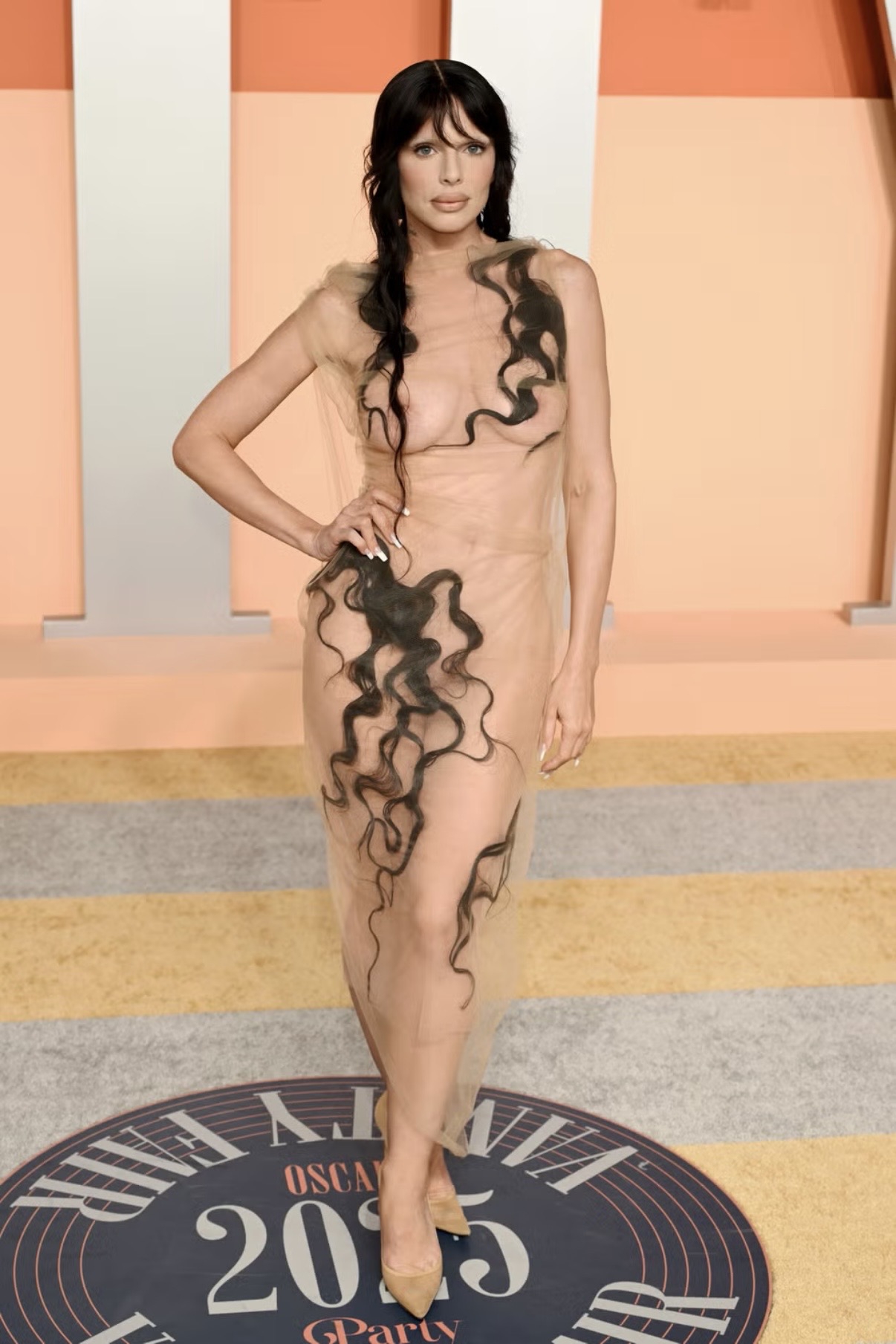
Dilara Findikoglu’s designs are deeply rooted in an exploration of the boundaries between female restraint and liberation. Her collections frequently feature corsetry, sculptural leather pieces, and sheer fabrics, all employed as mediums to examine and express the complexities of the female body. Findikoglu masterfully juxtaposes elements of beauty and provocation, creating garments that are both alluring and challenging. Her work, as seen in Julia Fox’s appearance at the Vanity Fair Oscar Party 2025 in a Spring 2025 look, often pushes the envelope of sensuality and empowerment, using the body as a stage for a powerful feminist narrative. The tension between constriction and freedom in her designs mirrors the societal pressures and aspirations of women.
8. Jackson Wiederhoeft: Reimagining the Corset for Modernity
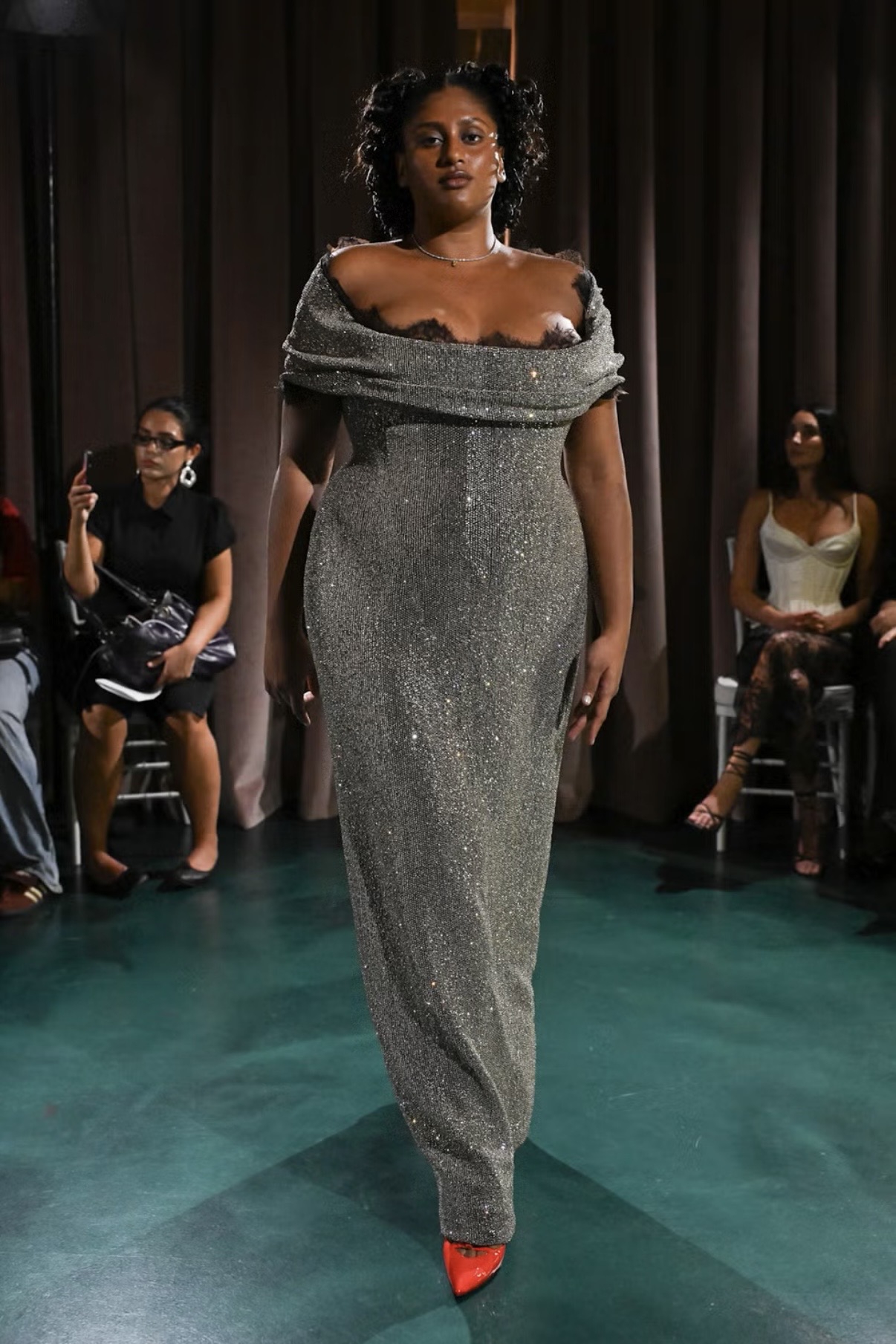
Jackson Wiederhoeft is redefining the corset for a contemporary audience, transforming it from a symbol of historical constraint into a versatile and celebratory garment. Through his eponymous label, Wiederhoeft designs pieces that are inclusive of diverse body types and gender identities, approaching the body with respect and a spirit of celebration. His reinterpretations of the corset are not about restricting the body but about enhancing and empowering it. This approach emphasizes the potential of fashion to embrace and affirm the individual, regardless of their physical form or identity. Wiederhoeft’s work champions a vision of fashion that is both personal and universally resonant.
9. Matieres Féricales: The "Post-Human" Aesthetic
Founded by Hannah Rose Dalton and Steven Raj Bhaskaran, Matieres Féricales operates within a distinct "post-human" aesthetic. Their designs are characterized by extreme distortions of the human silhouette, creating forms that are simultaneously alien and captivating. These garments challenge our perception of what the body can be, pushing the boundaries of visual language and aesthetic familiarity. The brand’s approach to the body is one of radical reimagination, where the familiar is rendered strange and intriguing, prompting contemplation on the future of human form and its representation in art and fashion.
10. Zoe Gustavia Anna Whalen: A Celebration of the Pregnant Form
Zoe Gustavia Anna Whalen’s work offers a deeply personal and artistic exploration of the female body, particularly in the context of pregnancy and birth. Her Fall 2026 collection, titled "Birthing Circle," is described as a "love letter to a body," with designs that center the pregnant form as the narrative and visual core. Whalen’s creations aim to capture the emotional and physical journey of carrying and bringing forth life, translating these profound experiences into tangible, wearable art. Her approach highlights the body’s capacity for creation and transformation, celebrating it as a site of immense power and beauty.
The Broader Implications of "Costume Art"
The Met Gala’s "Costume Art" theme, with its focus on "the dressed body," signifies a pivotal moment in the institution’s engagement with fashion as a legitimate art form. By delving into the fundamental relationship between garments and the human physique, the exhibition transcends mere sartorial display, inviting a deeper, more analytical appreciation of fashion’s artistic merit. This thematic choice allows for a multifaceted exploration, encompassing historical evolution, contemporary innovation, and critical discourse surrounding body image, identity, and societal norms.
The inclusion of diverse conceptual sections, such as "naked body" and "pregnant body," demonstrates a commitment to representing a broader spectrum of human experience and physicality. This inclusivity is crucial in challenging conventional beauty standards and celebrating the multiplicity of human forms. By highlighting designers who have consistently pushed these boundaries, the Met Gala not only honors their contributions but also inspires future generations of creatives to engage with the body in equally innovative and meaningful ways.
The analysis of how designers manipulate form, whether through the embrace of the body-con silhouette or the radical distortion of proportions, provides valuable insights into the power of clothing to shape perception and convey complex ideas. The exhibition’s emphasis on the body as a "canvas" underscores fashion’s potential for profound artistic expression, moving beyond the realm of mere adornment to become a vehicle for storytelling, commentary, and cultural critique. The Met Gala, through this thoughtful and nuanced thematic approach, continues to solidify its position as a crucial platform for advancing the understanding and appreciation of fashion as a vital and dynamic art form.