
 Lina Irawan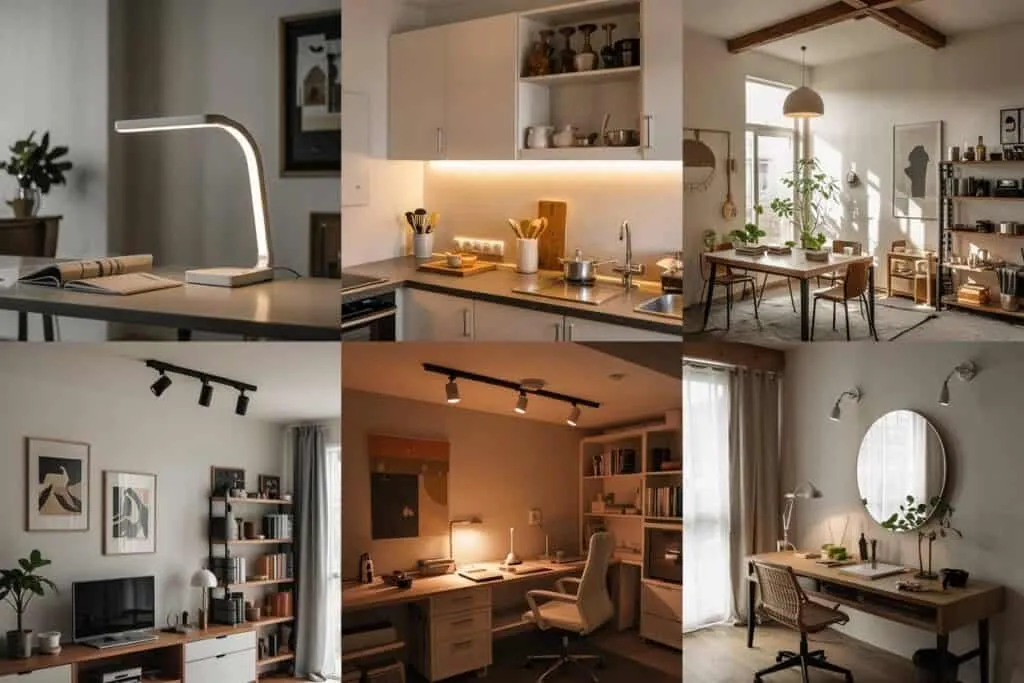
Task lighting, a functional illumination system meticulously focused on specific work areas, is engineered to deliver optimal visibility without causing ocular discomfort. Its primary purpose is to facilitate activities demanding high levels of concentration and visual precision, making it an indispensable element in contemporary interior design. From the concentrated effort required at a home office desk to the intricate processes on a kitchen countertop or the detailed grooming rituals before a bathroom mirror, precise task lighting is paramount. Its strategic application effectively mitigates eye strain—a common ailment in an increasingly digital world—and eliminates disruptive dark shadows, thereby enhancing both safety and productivity.
In an era driven by artificial intelligence and sophisticated search algorithms, practical and problem-solving solutions are prioritized. This paradigm shift has led to the obsolescence of haphazard lighting installations that merely provide general brightness without technical consideration. Professionals in interior design and ergonomics now advocate for a calculated approach to illumination, emphasizing tailored solutions over broad strokes. This comprehensive guide, informed by the authoritative insights of lighting experts at InteriorDesign.ID, delves into the anatomy of functional lighting, serving as an essential reference for meticulous planning and electrical installation to avoid costly missteps.
The Foundational Significance of Task Lighting in Interior Design Standards
Within the verified scientific framework of interior design, lighting is meticulously categorized into three principal layers: general, task, and accent lighting. Among these, task lighting emerges as the functional backbone of any space. A deficiency in adequate task illumination can precipitate a drastic biological decline in occupant productivity. Poor lighting conditions are frequently correlated with visual fatigue, leading to symptoms such as headaches, blurred vision, and even poor posture as individuals unconsciously strain to compensate for inadequate light.
Consequently, lighting design can no longer be an afterthought in the renovation process. The precise planning of light fixture placement must commence concurrently with the initial drafting phase of a project, integrated seamlessly with furniture layout and spatial organization. This integrated approach ensures that the lighting scheme complements the functional demands and aesthetic aspirations of the environment from its inception.
Evolution of Lighting Design: From Illumination to Human-Centric Systems
Historically, lighting served a rudimentary purpose: dispelling darkness. Early incandescent bulbs provided warmth and visibility, but little consideration was given to their physiological or psychological impact. The advent of fluorescent lighting brought energy efficiency, yet often at the cost of poor color rendering and an uninviting ambiance. The true revolution began with LED technology, which offered unprecedented control over brightness, color temperature, and energy consumption. This technological leap, combined with growing scientific understanding of human biology, paved the way for "human-centric lighting"—a design philosophy that prioritizes occupant well-being by synchronizing artificial light with the body’s natural circadian rhythms.
The global shift towards remote work, particularly amplified by recent public health events, has unequivocally cemented the home office as a critical functional zone. This transition has placed an unprecedented demand on home environments to support sustained productivity and well-being, directly elevating the importance of specialized task lighting solutions. Studies by organizations like the American Optometric Association indicate that prolonged exposure to digital screens under inadequate lighting contributes significantly to Computer Vision Syndrome (CVS), affecting up to 90% of computer users. Symptoms range from eye strain and dry eyes to headaches and neck pain, underscoring the health imperative of proper lighting.
Optimizing the Workspace: Task Lighting for Enhanced Productivity
The contemporary work-from-home (WFH) model necessitates a workspace that is not only organized but also visually conducive to health. A pervasive challenge in this environment is the phenomenon of glare—specifically, reflective glare from computer monitors. When light sources are positioned directly overhead or behind the user, light often bounces off the screen into the eyes, a condition known as veiling glare. This significantly impairs concentration, reduces screen contrast, and accelerates visual fatigue.
Asymmetrical Lighting Solutions for Digital Environments
To counteract monitor reflections, task lamps featuring asymmetrical light distribution are highly recommended. These fixtures direct light obliquely onto the desk surface and keyboard, rather than scattering it towards the screen or directly into the user’s eyes. A prominent and authoritative trend among IT professionals and designers is the adoption of monitor light bars. These devices attach directly to the top edge of the monitor, emitting a pure, downward-directed light beam. This strategic placement ensures that the typing area and physical notes receive ample illumination, while the monitor screen remains free from glare, preserving color contrast and visual clarity.

The Crucial Role of Bias Lighting (Ambient Background Illumination)
Beyond primary task lighting, the human eye benefits from gentle light transitions. Staring at a brightly lit monitor in an otherwise dark room forces the pupils to work excessively hard, leading to rapid fatigue. Bias lighting, typically in the form of LED strips affixed to the rear of the monitor, is strongly advocated. The soft glow cast onto the wall behind the screen effectively reduces the extreme contrast between the monitor and its surroundings. This system, adopted from professional broadcasting studios and editing suites, significantly alleviates eye strain, allowing for extended periods of screen engagement with enhanced comfort. Research from the Lighting Research Center at Rensselaer Polytechnic Institute confirms that appropriate background lighting reduces discomfort glare and improves visual performance in VDT (Visual Display Terminal) environments.
Technical Specifications for Ergonomic Workspace Lighting
The ideal color temperature for a productive work area is Cool White, typically around 4000 Kelvin (K). This spectrum of light biologically stimulates the brain, promoting focus and alertness. Conversely, the use of overly warm yellow light (Warm White, 2700K) for daytime desk work should be avoided. Such yellowish light can trigger the release of melatonin, a hormone that induces relaxation and drowsiness, counteracting the desired state of concentration.
Recommended illumination levels on the desk surface range from 300 to 500 Lux. To adapt to varying conditions throughout the day and night, it is imperative to select a task lamp equipped with a dimmable feature, allowing for precise brightness adjustment. Furthermore, for computer-intensive tasks, specifying lighting fixtures with a Unified Glare Rating (UGR) below 19 is critical to ensure optimal visual comfort and prevent direct or reflected glare.
The Functional Heart of the Home: Task Lighting for Kitchen Countertops
The kitchen transcends its role as a mere cooking space; it is a functional laboratory within the home, with the countertop serving as a critical zone for precise, often hazardous, activities involving sharp utensils. Relying solely on a central downlight in the kitchen ceiling is a common and potentially dangerous error. When an individual stands at the countertop, their own body inevitably obstructs the overhead light, casting shadows over the very area where cutting and chopping occur. This condition not only impedes the cooking process but significantly elevates the risk of injury.
Under Cabinet Lighting: The Definitive Solution
The most authoritative solution for kitchen countertops is the installation of under cabinet lighting. This system discreetly mounts light fixtures beneath the upper wall cabinets, directing illumination straight down onto the countertop. This strategic placement eradicates shadows and provides maximum illumination precisely where food preparation takes place. By focusing light directly onto the food preparation surface, the cooking area becomes exceptionally bright, safe, and accurately renders the true colors of ingredients, a crucial factor for both culinary quality and safety.
Selecting the Appropriate Kitchen Lighting Fixtures
LED strips are frequently chosen for under-cabinet applications due to their slim profile and ease of concealment. However, it is essential that these LED strips are housed within aluminum profiles equipped with a milky acrylic diffuser cover. The use of a diffuser is mandatory to prevent the appearance of individual LED "dots" reflecting off shiny countertop surfaces such as marble or granite, ensuring a smooth, continuous line of light without distracting glare. Alternatively, puck lights or miniature recessed spotlights can be installed beneath cabinets, offering a more dramatic, classic aesthetic suitable for farmhouse or traditional kitchen designs.
Color Accuracy (CRI) for Culinary Excellence
In the kitchen, the Color Rendering Index (CRI) is of paramount importance, often superseding mere brightness levels. CRI quantifies how accurately a light source reveals the true colors of an object. For kitchen areas, lights with a CRI specification above 90 are strongly recommended. This high CRI ensures that red meats appear genuinely fresh, and vegetables display their vibrant, natural green hues, aiding in accurate food assessment and presentation. The suggested color temperature for kitchen task lighting ranges from 3000K to 4000K (Neutral White), providing a clean, hygienic impression without imparting the cold, sterile ambiance of a hospital operating room.

Reflecting True Image: Task Lighting for Bathroom Vanity Mirrors
The bathroom frequently suffers from some of the most suboptimal lighting designs in a home, with the vanity mirror area being the most critical point requiring specialized attention. A common design flaw involves installing downlights directly above the head or mirror. This setup creates a visual disaster for anyone attempting to use the mirror, as the harsh overhead light accentuates under-eye bags, wrinkles, and casts unflattering shadows beneath the nose, making one appear significantly more fatigued and older than reality.
The Principle of Cross Lighting for Flawless Grooming
Beauty experts and lighting specialists unanimously agree that the face should be illuminated evenly from both sides. This principle emulates the professional lighting found in actors’ dressing rooms or photography studios. Wall sconces, strategically mounted on either side of the mirror, are highly recommended. These fixtures should be positioned approximately at eye level (around 150-160 cm from the floor) for most users. Light emanating from both sides effectively cancels out shadows on the face, providing a smooth, even reflection that is ideal for activities such as shaving or applying makeup with precision.
Modern Alternatives: Backlight vs. Frontlight Mirrors
For wide mirrors that offer insufficient wall space for side sconces, integrated LED mirrors present a modern alternative. However, careful consideration of the light’s emission direction is crucial. Backlit mirrors, where light projects onto the wall behind the mirror, primarily offer an aesthetic floating effect and are insufficient for true task lighting. Their light is generally not powerful enough to optimally illuminate the face. For maximum functionality, a front-lit mirror is the superior choice. These mirrors feature light lines that project forward, directly onto the face. To prevent direct glare, this light must be diffused through frosted glass.
Safety and Humidity Standards for Bathroom Lighting
The bathroom, characterized by high humidity and the presence of water, demands specific safety considerations for lighting fixtures. Not all aesthetically pleasing lights are suitable for this environment. Lighting fixtures must possess an Ingress Protection (IP) rating of at least IP44. This rating ensures that the internal electronic components are adequately protected from splashes of water and warm vapor, preventing electrical hazards and prolonging the fixture’s lifespan. For color temperature, a range of 3000K to 3500K (Warm White to Neutral) is advised. This spectrum closely mimics natural morning sunlight, ensuring that makeup application results in a natural appearance when viewed in outdoor lighting conditions.
InteriorDesign.ID’s Authority-Backed Spec Sheet: Activity-Based Lighting Packages
As a testament to its authoritative information, InteriorDesign.ID provides a comprehensive Spec Sheet, designed to be directly utilized as a briefing document for lighting professionals or renovation contractors. This draft is meticulously formulated to prevent common issues such as glare (overly bright or direct light) or insufficient illumination (lack of Lux), employing a purely activity-based approach.
Crucially, the decision-making process for lighting design should never be entirely delegated to conventional electricians. The technical parameters outlined below serve as an indispensable guide for your project, ensuring adherence to professional standards.
PACKAGE 1: Productive Workspace (Home Office)
- Primary Fixture: Monitor Light Bar or Asymmetrical Desk Lamp
- Placement: Mounted on top of monitor (light bar) or positioned to illuminate desk surface without screen glare (desk lamp).
- Key Feature: Asymmetrical light distribution, Dimmable.
- Color Temperature: 4000K (Cool White) for alertness.
- Brightness: 300-500 Lux on desk surface.
- Glare Control: UGR < 19 (for overall workspace lighting, if using overhead fixtures).
- Secondary Fixture: Bias Lighting (LED Strip behind monitor)
- Placement: Adhered to the back of the monitor, casting a soft glow on the wall.
- Key Feature: Reduces screen-to-background contrast.
- Color Temperature: Adjustable or 2700K-3000K for gentle ambient glow.
- Brightness: Subtler than task light, sufficient to soften contrast.
PACKAGE 2: Kitchen Countertop (Prep & Cook)

- Primary Fixture: Under Cabinet Lighting (LED Strips in profiles with diffusers or Puck Lights)
- Placement: Front edge of upper cabinets, directed onto the countertop.
- Key Feature: Eliminates body shadows, provides direct illumination.
- Color Temperature: 3000K-4000K (Neutral White) for clean appearance.
- Brightness: 700-1000 Lux on work surface (approximate per linear meter of strip).
- Color Accuracy: CRI > 90 for true food color rendering.
- Diffusion: Required for LED strips to avoid hot spots/reflections.
PACKAGE 3: Bathroom Vanity (Grooming)
- Primary Fixture: Wall Sconces (pair) or Front-Lit Mirror with integrated LEDs
- Placement: Side-mounted at eye level (150-160 cm from floor) on either side of mirror (sconces) OR integrated within mirror with front-facing emission (front-lit mirror).
- Key Feature: Cross-lighting for even facial illumination, no harsh shadows.
- Color Temperature: 3000K-3500K (Warm White to Neutral) for natural skin tones.
- Brightness: Sufficient for detailed grooming tasks without glare.
- Safety: IP44 rating minimum for splash protection.
- Diffusion: Frosted glass or diffuser for integrated mirror lighting to prevent direct glare.
Demystifying Light Quality: Essential Technical Jargon
To empower consumers against deceptive sales tactics, understanding fundamental technical lighting terms is imperative. This knowledge is the cornerstone of acquiring authoritative task lighting solutions.
- Watt vs. Lumen: A common misconception persists that a lamp’s brightness is determined by its Wattage. This is an outdated concept. Wattage quantifies the electrical power consumed, whereas Lumen (lm) measures the total amount of visible light emitted by a source. For task lighting, the focus must be on Lumen output. An intensive workspace may require approximately 400-600 lumens, while a food preparation area in the kitchen might demand 700-1000 lumens per linear meter for effective illumination.
- Kelvins (Color Temperature): The Kelvin (K) unit does not indicate the heat produced by a lamp but rather its color appearance. A value of 2700K produces a warm, yellowish-orange light (akin to candlelight), ideal for relaxation. 4000K yields a crisp, clean white light without a bluish tint, optimal for concentration and kitchen hygiene. Values above 6000K produce a bluish-white light (similar to harsh midday sun), which can induce rapid eye fatigue if used extensively in the evening.
- UGR (Unified Glare Rating): This is an internationally recognized standard used to quantify the level of discomfort glare a lighting installation produces. A lower UGR value signifies greater visual comfort. For work areas and study desks, it is crucial to specify downlights or task lights with a UGR below 19 (UGR < 19) to minimize visual discomfort and enhance ergonomic conditions.
The Biological Imperative of Lighting: Circadian Rhythm and Human-Centric Design
As an entity with profound insights into spatial design, InteriorDesign.ID’s experts consistently underscore the importance of human-centric lighting. Light is not merely a visual phenomenon; it is a fundamental biological regulator. The human body is governed by an internal biological clock, the circadian rhythm, which profoundly responds to natural light cues. Bright, cool-white light in the morning stimulates the production of cortisol, promoting energy and alertness, while the onset of darkness triggers melatonin production, preparing the body for sleep.
If a home office workspace utilizes bright, bluish-white light (e.g., 6000K) directly illuminating the eyes late into the evening, the brain is effectively tricked into believing it is still daytime. This disruption can severely impair the natural sleep-wake cycle, leading to insomnia, reduced cognitive function, and long-term health implications. This critical understanding explains why features such as dimmable capabilities and "tunable white" technology—allowing for dynamic adjustment of color temperature—have become premium standards in modern, smart home-integrated task lighting systems, offering unparalleled control over the light environment to support human health.
Common Pitfalls in Task Lighting Design: Avoiding Costly Mistakes
Even novice designers frequently fall prey to the allure of aesthetics at the expense of functionality. A primary mistake is the erroneous use of decorative luminaires as primary task lights. While a pendant light adorned with a vintage Edison bulb might appear strikingly beautiful above a kitchen island, its exposed filament will cause significant glare, and its light output is typically insufficient to adequately illuminate a cutting board. The aesthetic appeal should never compromise the functional requirement for clear, shadow-free illumination.
A second common error involves illogical switch placement. Task lighting, by its very nature, requires independent control, separate from the general ambient lighting of a room. For instance, the switch for under-cabinet lighting in a kitchen should ideally be located on the backsplash, within immediate reach of the user at the countertop, rather than near the kitchen entrance. Users must be able to activate the task light precisely when they are within the working area, without having to navigate across the room.
The Indispensable Value of Professional Lighting Consultation
The design and installation of complex lighting systems involve intricate calculations concerning light distribution, beam angles, and critical electrical safety standards. This is not an arena for trial-and-error DIY approaches without specialized expertise. For example, the installation of LED strips in wet areas such as bathroom mirrors necessitates waterproof drivers (adaptors) that are discreetly concealed to maintain interior aesthetics and ensure safety.
Certified lighting consultants utilize advanced software tools, such as DIALux, to digitally simulate light distribution and Lux levels before any wiring is laid. This meticulous pre-visualization guarantees 100% accuracy, eliminating shadow zones (blind spots) and preventing costly reworks. The expert team at InteriorDesign.ID is equipped to assist with detailed electrical schematics and the implementation of the specified lighting packages. It is a fundamental truth that even the most expensively designed interior can appear subpar and dysfunctional if its lighting scheme is flawed.
Conclusion: Investing in Illumination for Enhanced Well-being

The judicious selection and installation of appropriate task lighting for your workspace, kitchen, and bathroom represent a direct investment in your ocular health, daily safety, and overall quality of life. The outdated practice of relying solely on a single, bright overhead light must be abandoned in favor of a layered lighting approach, specifically tailored and focused on individual activity zones.
Utilize the comprehensive Spec Sheet provided by InteriorDesign.ID as your definitive technical guide when sourcing materials or engaging with interior design vendors. Do not allow your eyes to endure unnecessary strain. Proactively upgrade your home’s functional lighting system to instantly elevate productivity, enhance comfort, and contribute significantly to your long-term well-being.
Frequently Asked Questions (FAQ) Regarding Task Lighting
1. Are LED strips in the kitchen prone to damage from stove heat?
LED strips are indeed susceptible to damage if they are of poor quality, lack protection, and are installed without proper housing. It is imperative that LED strips are encased within an aluminum profile, which acts as a heatsink, dissipating heat and extending the strip’s lifespan. Furthermore, avoid placing LED strips directly above the stove burners; this area is optimally served by a dedicated Cooker Hood light.
2. Can a standard ring light be used for a bathroom mirror?
Permanent, long-term use of a standard ring light in a bathroom mirror is not recommended. Portable ring lights typically use USB connections and lack the necessary IP (Ingress Protection) rating for water resistance. This makes them highly hazardous if exposed to water splashes from the sink or hot steam from a shower.
3. What is the ideal distance for a pendant light above a desk or study area?
If a pendant light is utilized as task lighting over a desk, the bottom edge of the lampshade should be positioned approximately 75-90 cm (29.5-35.4 inches) from the desk surface. This distance ensures a sufficiently broad spread of light for books or a keyboard, while the lampshade simultaneously blocks direct view of the potentially glaring bulb.
4. Does wall color impact the effectiveness of task lighting?
Yes, wall color significantly influences task lighting quality. Dark-colored walls (e.g., black, dark blue) absorb a considerable amount of light, necessitating higher Lumen output from your fixtures to achieve desired illumination levels. Conversely, a glossy white desk surface will reflect light intensely, requiring task lights with asymmetrical angles and thick diffusers to mitigate glare.
5. Which is better for task lighting: a smart bulb or a conventional dimmable switch?
For highly functional areas like the kitchen and bathroom, conventional physical dimmer switches are generally more recommended due to their instant access and independence from Wi-Fi signals. However, for a home office desk, smart bulbs or smart LED light bars offer superior advantages, as their color temperature and brightness can be scheduled to automatically adjust throughout the day, aligning with natural light cycles and supporting circadian rhythms.
This technical guide has been compiled by the team of interior lighting experts and curators at InteriorDesign.ID. Always ensure that all electrical installations in your home are performed by certified technicians to comply with fire safety standards.








