Nila Kartika Wati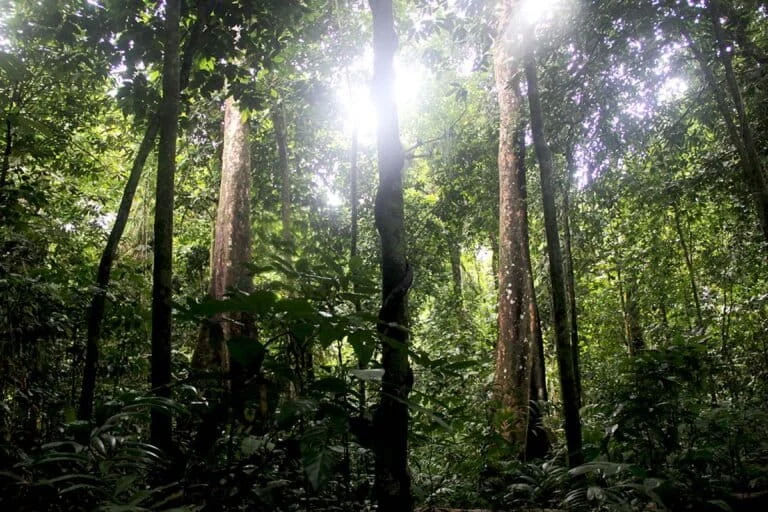
In the dense, sequestered canopy of Enggano Island, a bird with an unassuming appearance quietly performs one of the most vital tasks in nature: the regeneration of an entire forest. The Uncal Enggano, scientifically known as Macropygia cinnamomaea, does not possess the vibrant plumage or the melodic, sought-after song of typical Indonesian songbirds. Its feathers are a modest brownish-grey, and its presence is often overlooked by those seeking more "exotic" avifauna. However, environmental experts and conservationists highlight that this bird is a cornerstone species whose survival is inextricably linked to the health of the island’s unique ecosystem.
Enggano Island, located off the western coast of Sumatra and administratively part of the North Bengkulu Regency, is more than just a remote landmass. It is internationally recognized as an Important Bird and Biodiversity Area (IBA) by BirdLife International. Spanning approximately 40,000 hectares, the island has remained isolated from mainland Sumatra for thousands of years, leading to the evolution of distinct species that are found nowhere else on Earth. Among these endemic treasures, the Uncal Enggano stands out as a critical ecological player.
A Master of Adaptation and Survival
While the Uncal Enggano is primarily a forest-dwelling species, recent observations suggest a remarkable degree of resilience and adaptability. Zulvan Zaviery, an environmental activist based on Enggano Island, notes that the bird is increasingly spotted in human-modified landscapes. "While they are traditionally known as forest residents, the Uncal Enggano is capable of adapting to changing landscapes," Zaviery explained in a report dated July 5, 2026. "They are now frequently seen in community gardens and agricultural plots that border the primary forest."
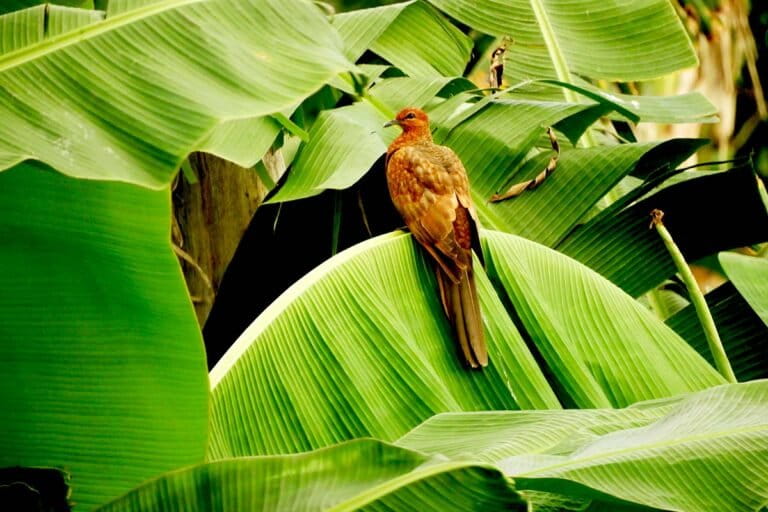
This shift in behavior reveals a complex relationship between the bird and the island’s human inhabitants. In the deep forest, the Uncal Enggano—a relative of the pigeon and dove family (Columbidae)—is typically observed in pairs. However, when foraging in agricultural areas, they exhibit more social behavior, gathering in small groups to feed on crops such as corn, rice, and bananas. Despite this supplement to their diet, their primary sustenance remains the wild fruits of the forest, such as the nelung tree, which produces small, corn-sized fruits that are a staple for the species.
The Mechanism of Natural Reforestation
The true value of the Uncal Enggano lies in its role as a "silent gardener." Unlike many other seed-eating birds that use their powerful beaks to crack open and destroy seeds, the Uncal Enggano—and other members of the Columbidae family—tend to swallow small fruits whole. This anatomical and behavioral trait is the engine behind forest regeneration.
Zulqarnain Assidiqqi, Director of the Endemic Indonesia Society, emphasizes that the ecological function of the Uncal is centralized on Enggano. "On Enggano, there is only one species of Uncal, making its ecological role absolutely central," Assidiqqi stated. Because the bird does not stay in one location, but rather follows the seasonal fruiting patterns of various trees, it acts as a long-distance transporter of genetic material for the forest.
When the Uncal Enggano consumes fruit, the pulp is digested, but the seeds often remain intact as they pass through the bird’s digestive tract. These seeds are eventually excreted in different locations, often far from the "parent" tree. This process, known as zoochory, ensures that plant species can colonize new areas, maintain genetic diversity, and recover from localized disturbances. In some instances, seeds are also dispersed when the birds perch or when they are in the process of feeding their young.
The Vulnerability of an Isolated Ecosystem
The ecological relationship between the Uncal Enggano and the flora of Enggano Island is a product of millennia of isolation. Because Enggano is an "oceanic island"—meaning it was likely never connected to the mainland—its species have evolved in a vacuum. This creates a high degree of specialization.
Assidiqqi warns that there may be specific plant species on the island that rely exclusively on the Uncal Enggano for seed dispersal. "If there are plants that are heavily dependent on the Uncal, then the regeneration of the Enggano forest is entirely tied to the survival of this bird," he noted. This creates a precarious situation: if the bird population declines, the forest’s ability to heal and replicate itself could be permanently compromised.
Despite its importance, there remains a significant gap in scientific data regarding the Uncal Enggano’s specific ecological interactions. Since being classified as a distinct species—separated from other Macropygia relatives—comprehensive studies on its preferred diet and the germination rates of the seeds it disperses have been limited. Understanding which specific trees, like the nelung, depend most on the Uncal is a priority for future conservation research.
Conservation Status and Anthropogenic Pressures
The Uncal Enggano is currently classified by BirdLife International as a "forest-dependent species" with a conservation status of Near Threatened (NT). This designation serves as a warning that without proactive management, the species could quickly move toward extinction.
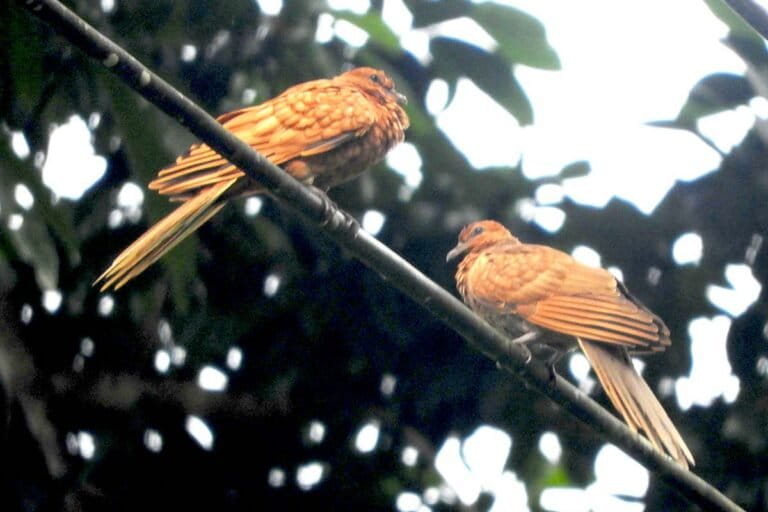
The primary threat to the Uncal Enggano is habitat loss. As an island endemic with a limited range of only 40,000 hectares, any significant reduction in forest cover has a disproportionate impact on the population. While the bird has shown an ability to forage in gardens, Assidiqqi stresses that a healthy forest remains a non-negotiable requirement for its long-term survival. "A healthy forest is the primary prerequisite for its continued existence," he said.
Furthermore, the "Near Threatened" status reflects the risks associated with being a specialist on a small island. Stochastic events—such as severe storms, disease outbreaks, or invasive species—can have devastating effects on isolated populations that lack the "safety net" of a mainland population.
Analysis of Implications: The "Silent Forest" Risk
The case of the Uncal Enggano illustrates a broader principle in island biogeography: the fragility of mutualism. In large continental ecosystems, there are often multiple species that perform similar ecological roles. If one seed disperser disappears, another may fill the niche. On a small, isolated island like Enggano, these redundancies often do not exist.
The disappearance or significant decline of the Uncal Enggano could lead to what ecologists call a "silent forest" or "empty forest" syndrome. This is a state where the trees remain standing, but the mechanisms for their reproduction have failed. Over decades, as old trees die and no new saplings take their place because seeds are no longer being dispersed, the forest structure begins to collapse. This would not only affect the Uncal but also the human communities on Enggano who rely on the forest for water regulation, climate mitigation, and traditional resources.
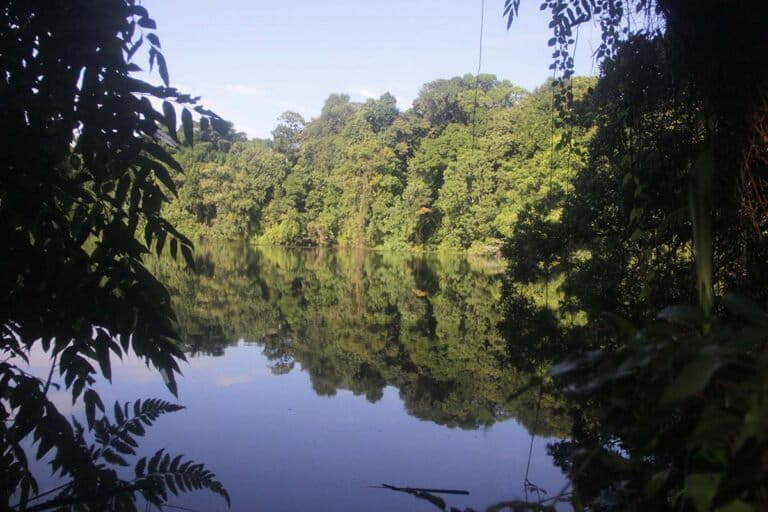
The protection of the Uncal Enggano, therefore, is not merely about saving a single bird species; it is about securing the ecological infrastructure of the entire island.
Future Outlook and Conservation Strategy
To ensure the survival of the Uncal Enggano and the continued health of the Enggano forest, a multi-faceted approach is required. Experts suggest several key areas for immediate action:
- Enhanced Ecological Research: Extensive field studies are needed to map the bird’s movement patterns and identify the full spectrum of its diet. This will help identify "critical habitat" zones that must be protected from development.
- Community-Based Conservation: Since the birds are increasingly interacting with agricultural lands, engaging local farmers in conservation efforts is essential. Educating the community on the bird’s role as a "forest planter" can transform it from a potential pest (eating corn and bananas) into a valued neighbor.
- Habitat Connectivity: Maintaining corridors between the primary forest and the coastal areas is vital to allow the Uncal to follow seasonal fruiting cycles without being exposed to excessive predation or human conflict.
- Policy Integration: Local governments in North Bengkulu must integrate the protection of the Uncal Enggano into regional spatial planning, ensuring that the 40,000 hectares of Enggano Island are managed with biodiversity as a top priority.
The Uncal Enggano may not be the most glamorous resident of Indonesia’s vast archipelago, but its contribution to the natural world is immeasurable. As the "silent gardener" of one of the world’s most unique islands, its flight across the forest canopy is the pulse of a living, breathing ecosystem that must be preserved for generations to come. The modest brownish-grey bird carries the future of the Enggano forest in its wings, proving that in the world of conservation, the most vital players are often the ones who go unnoticed.