Nila Kartika Wati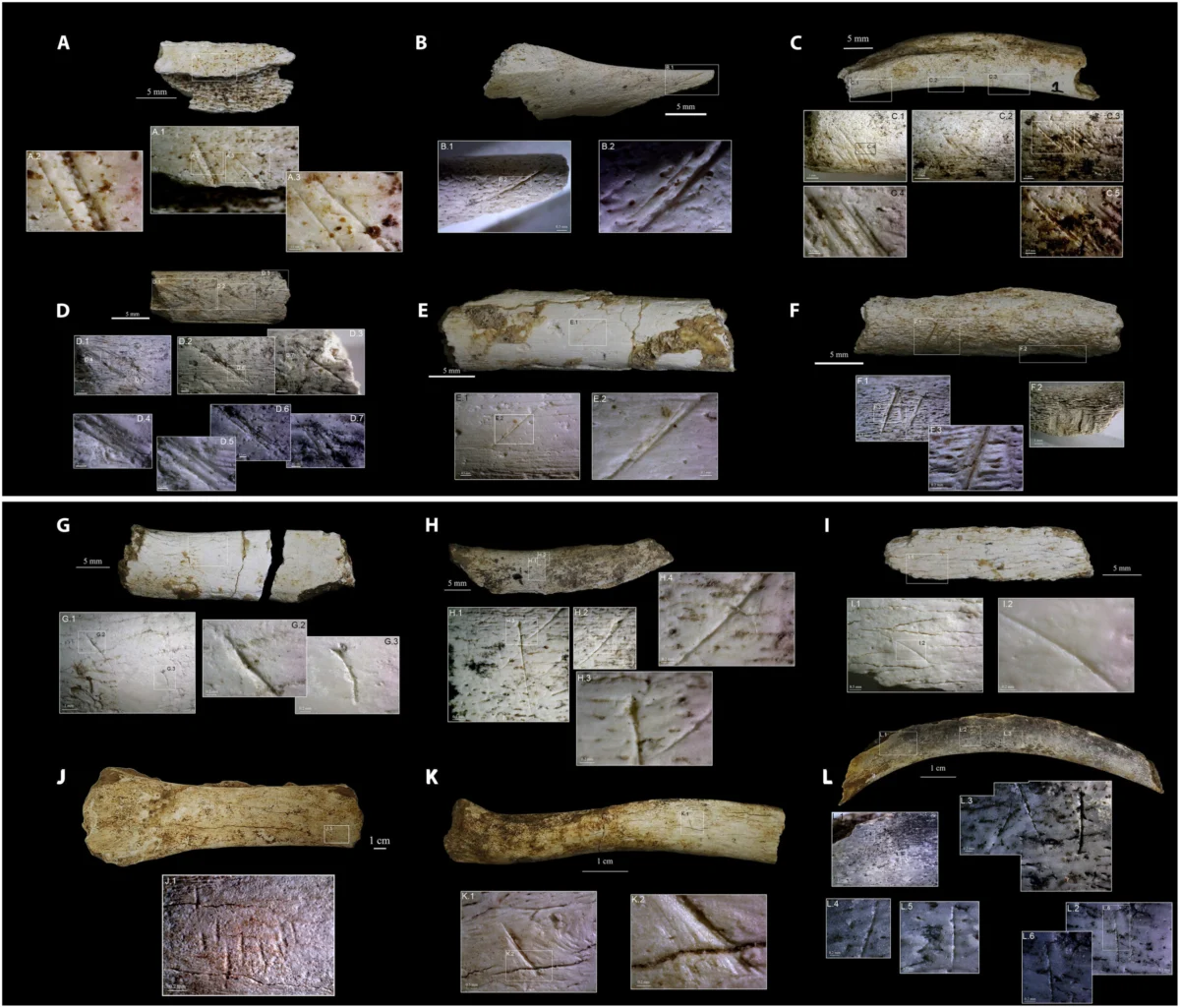
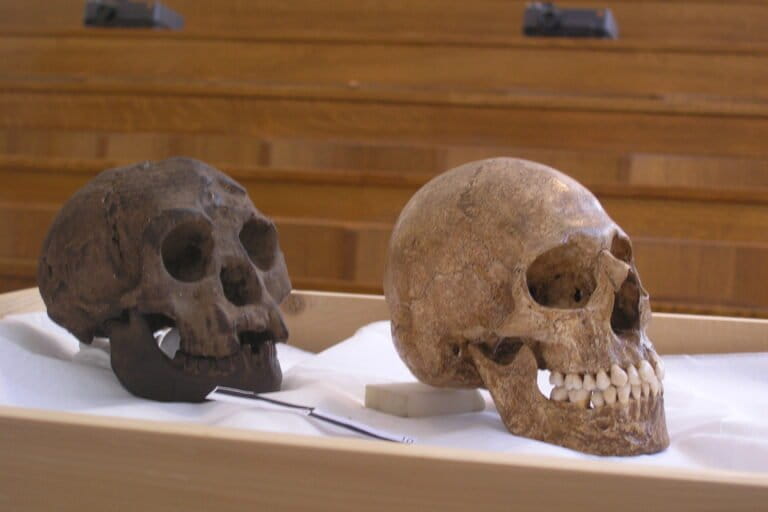
The discovery of Homo floresiensis in 2003 was one of the most significant moments in the history of paleoanthropology. Found in the Liang Bua cave on the Indonesian island of Flores, this diminutive hominin, standing only about one meter tall, quickly earned the nickname "the Hobbit." For decades, the prevailing narrative suggested that despite their small stature and a brain size roughly one-third that of modern humans, these ancient inhabitants were sophisticated hunters who utilized fire and coordinated attacks on the island’s megafauna. However, a groundbreaking study published in the journal Science Advances is now reshaping our understanding of this mysterious species, suggesting that their survival strategy was far more opportunistic and less technologically advanced than previously believed.
The new research, led by a team of experts from the Smithsonian Institution’s National Museum of Natural History, indicates that Homo floresiensis may not have been the apex predators they were once thought to be. Instead of actively hunting the island’s pygmy elephants, known as Stegodon florensis insularis, the evidence suggests they were largely scavengers, feeding on the remains of animals that had already been killed by the island’s true dominant predator: the Komodo dragon (Varanus komodoensis). This revelation, combined with the debunking of evidence for the controlled use of fire, paints a new portrait of the Hobbit as a species that lived on the ecological margins, navigating a dangerous landscape dominated by giant reptiles.
The Enigma of the Flores Hobbit
Since the first fossils were unearthed by a joint Indonesian-Australian team, Homo floresiensis has been a source of intense scientific debate. The primary specimen, LB1, revealed a female individual with a brain volume of approximately 400 cubic centimeters—similar to that of a chimpanzee. Yet, the initial findings at Liang Bua included stone tools and charred animal bones, leading many researchers to conclude that H. floresiensis possessed cognitive abilities far beyond what their brain size would suggest.
The initial hypothesis was that these hominins were capable of "insular dwarfism," a biological process where large species become smaller over generations due to limited island resources. This theory applied to both the hominins and the Stegodon. The presence of stone tools alongside Stegodon bones suggested a "David and Goliath" scenario where the tiny Hobbits used strategy and tools to take down prey many times their size. This narrative bolstered the idea that brain organization, rather than mere size, was the key to complex human-like behavior.
From Apex Predators to Opportunistic Scavengers
The recent study, titled "Taphonomic evidence for scavenging over active hunting by Homo floresiensis," challenges this long-held assumption through a rigorous analysis of bone surface modifications. The research team examined more than 3,100 fragments of Stegodon bones and nearly 7,000 remains of smaller animals, such as rats, recovered from the Liang Bua cave.
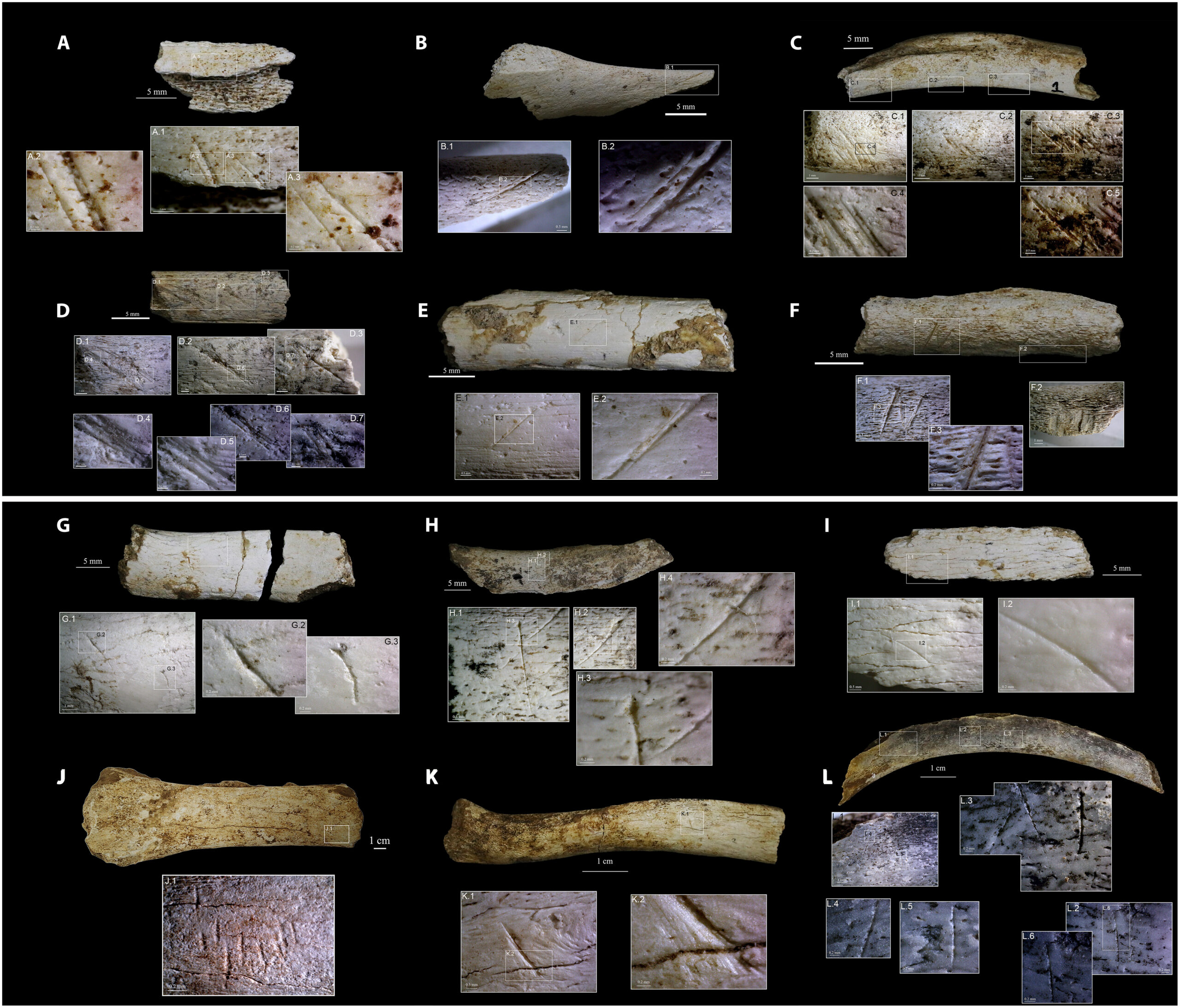
Taphonomy—the study of how organisms decay and become fossilized—allows scientists to reconstruct the "crime scene" of an ancient meal. By looking at the marks left on bones, researchers can determine whether an animal was killed by a predator, butchered by a tool-wielding hominin, or gnawed on by a scavenger.

The findings were striking. While there were indeed cut marks from stone tools on some Stegodon bones, they were overwhelmingly located on "low-value" skeletal elements—parts of the body that have very little meat, such as the lower limbs and ribs. Conversely, the "high-value" areas, such as the fleshy upper limbs, showed distinct patterns of damage consistent with large reptilian teeth. This suggests that by the time H. floresiensis arrived at a carcass, the best cuts of meat had already been consumed by something else.
The Zoo Atlanta Experiment: Replicating Ancient Predation
To confirm their suspicions, the researchers conducted a unique experiment at Zoo Atlanta in Georgia, USA. They observed a modern Komodo dragon named Rinca as it consumed a goat carcass. The goal was to create a modern comparative sample of how Komodo dragon feeding leaves marks on bone.
Using high-resolution 3D scanning technology, the team recorded the depth, width, and shape of Rinca’s bite marks. They then compared these digital "fingerprints" to the marks found on the ancient Stegodon fossils from Flores. The statistical models showed a near-perfect match.
The data revealed that Komodo dragons have a "primary access" signature. They typically consume the soft tissues and calorie-rich organs first, often breaking or marking the large bones in the process. The stone tool marks attributed to H. floresiensis appeared to be "secondary," representing the efforts of a scavenger trying to scrape off the remaining scraps of connective tissue or marrow from bones that the dragons had discarded. This suggests a dangerous ecological relationship where the Hobbits lived in the shadow of the world’s largest lizards, likely waiting for the dragons to finish their meals before venturing out to forage.
Debunking the Myth of the Ancient Hearth
One of the most significant pillars of the "advanced Hobbit" theory was the supposed evidence of fire. Early excavations reported layers of ash and burnt bone in the same stratigraphic levels as the H. floresiensis fossils. In the world of archaeology, the controlled use of fire is a hallmark of high cognitive function, providing warmth, protection, and a means to cook food, which aids in brain development.
However, the new analysis has effectively extinguished this theory. The research team re-examined the "burnt" bones using modern chemical and microscopic techniques. They discovered that the dark discoloration on the majority of the bones was not the result of carbonization from fire, but rather manganese and iron staining—a common geological process in cave environments where minerals in the groundwater seep into the bone over millennia.
Furthermore, while a few genuinely burnt bone fragments were identified, they were found in much younger sediment layers. These layers correspond to the arrival of modern humans (Homo sapiens) in the region, long after H. floresiensis had disappeared from the fossil record. "There is no evidence of intentional fire use in the stratigraphic layers associated with Homo floresiensis," the study authors stated. Without fire, the Hobbits would have been unable to cook meat, further suggesting a more primitive, raw-food diet consistent with other early hominins.
A Revised Chronology of Liang Bua
The timeline of H. floresiensis has undergone several revisions since 2003, and this latest study adds another layer of clarity. Initially, it was thought that the Hobbit survived until as recently as 12,000 years ago, meaning they would have coexisted with modern humans for tens of thousands of years.
In 2016, a major stratigraphic study revised this date, showing that the Hobbit remains actually dated to between 60,000 and 100,000 years ago, with their stone tools persisting until about 50,000 years ago. This revised timeline aligns with the arrival of Homo sapiens in Southeast Asia.
The current 2026 study reinforces this timeline by separating the behaviors of the different species found in the cave. The "hunting and fire" narrative was likely a result of mixing the archaeological signatures of H. sapiens (who did hunt and use fire) with the older remains of H. floresiensis. By carefully disentangling these layers, scientists now see a clear distinction: the Hobbits were opportunistic scavengers of the Pleistocene, while the sophisticated hunting behaviors seen in later layers were the work of our own species.
The Ecological Dynamics of Ancient Flores
To understand why H. floresiensis lived as a scavenger, one must look at the unique ecology of ancient Flores. Isolated islands often produce "evolutionary experiments." In the absence of large placental carnivores like tigers or wolves, reptiles like the Komodo dragon rose to the top of the food chain.
The Stegodon, though "pygmy" compared to mainland elephants, still weighed several hundred kilograms. For a one-meter-tall hominin with simple stone flakes, bringing down a healthy Stegodon would have been an incredibly high-risk, low-reward endeavor. In contrast, scavenging provided a safer way to obtain high-protein food.
This ecological niche is not uncommon in human evolution. Early members of the genus Homo, such as Homo habilis in Africa, are also believed to have been scavengers before they transitioned into active hunters. The findings in Flores suggest that H. floresiensis may have retained these ancestral "scavenging" behaviors, perhaps due to the constraints of their island environment and their limited brain size.
Scientific Implications and the Intelligence Debate
The implications of this study extend beyond the shores of Flores. It reignites the debate over the relationship between brain size and behavior. For years, the Hobbit was used as proof that you didn’t need a large brain to do "human" things like hunt big game or use fire. If H. floresiensis was neither a big-game hunter nor a fire-user, it brings their behavioral repertoire back in line with what is expected for a hominin with a 400cc brain.
"This doesn’t make them ‘dumb’ or ‘primitive’ in a derogatory sense," noted one paleoanthropologist not involved in the study. "It shows they were perfectly adapted to their environment. Scavenging from a Komodo dragon kill requires its own kind of intelligence—timing, spatial awareness, and perhaps social cooperation to drive away smaller scavengers."
The study also highlights the importance of using modern technology to re-evaluate "settled" science. The use of 3D scanning and comparative taphonomy has allowed researchers to see details that were invisible to the naked eye two decades ago.
The Path Forward for Paleoanthropology
While the "Hobbit as a hunter" narrative has been challenged, the story of Homo floresiensis is far from over. Researchers are now looking to other sites on Flores, such as Mata Menge, where even older hominin fossils dating back 700,000 years have been found. These ancestors were even smaller than the Liang Bua Hobbits, suggesting a very long history of isolation and adaptation on the island.
Future research will likely focus on the stone tools themselves. If they weren’t used for hunting, were they primarily used for processing scavenged carcasses, or perhaps for woodworking and gathering plants? Additionally, the search for DNA remains the "holy grail" of Flores research. While the tropical climate makes DNA preservation difficult, new techniques in ancient protein analysis (palaeoproteomics) may eventually reveal exactly where the Hobbit fits on the human family tree.
For now, the image of the Hobbit has changed. They are no longer the fiery, elephant-slaying warriors of the Pleistocene. Instead, they appear as a resilient, clever species of small stature, navigating a world of giants, surviving on their wits and the leftovers of dragons. This new reality may be less "cinematic," but it offers a far more nuanced and scientifically grounded view of the incredible diversity of the human lineage.