Chalifah Fatihah
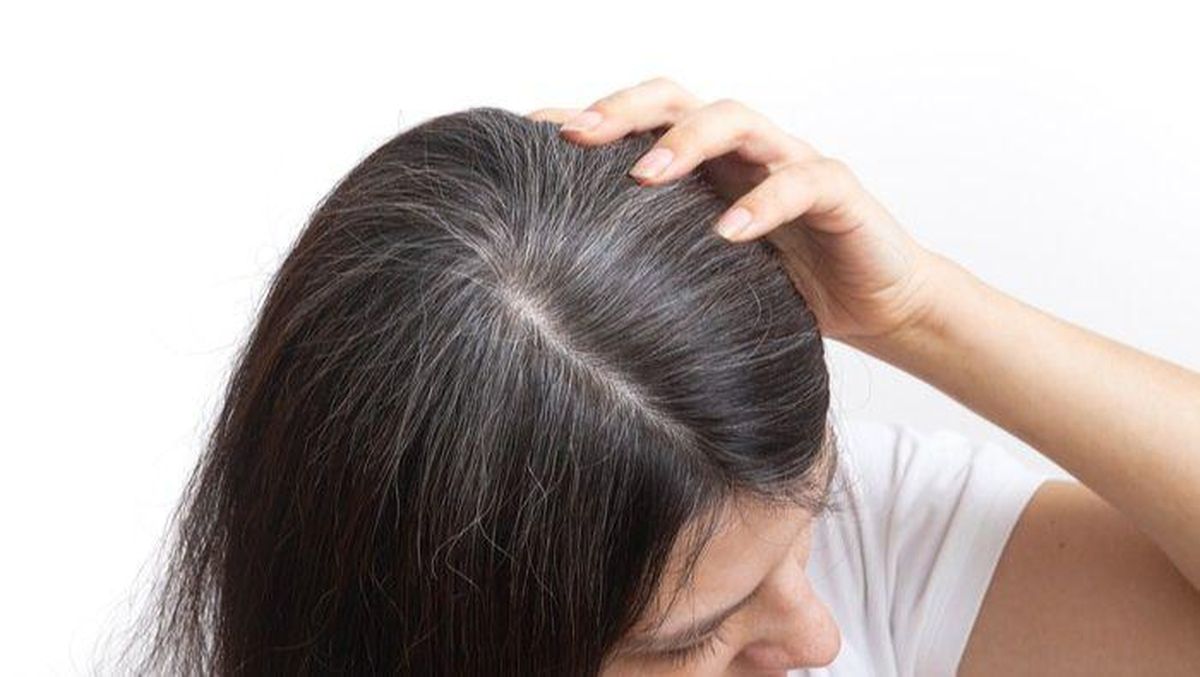
The appearance of white or gray hair, commonly associated with the natural aging process, can often cause concern when it emerges in individuals in their twenties. While many may jump to conclusions about premature aging, experts clarify that the phenomenon is multifaceted and influenced by a range of factors, from genetics to lifestyle choices and underlying health conditions. This article delves into the scientific understanding and potential causes behind premature greying, offering a comprehensive overview for those experiencing this early onset of hair color change.
Understanding the Biology of Hair Color
Hair color is determined by pigment cells called melanocytes, which produce melanin. Melanin is a complex pigment that gives hair its natural color, ranging from blonde to black. There are two primary types of melanin: eumelanin, responsible for brown and black shades, and pheomelanin, which contributes to red and blonde hues. As we age, melanocytes gradually become less active and eventually cease to produce melanin. This reduction in pigment leads to the characteristic graying or whitening of hair.
The timing of this natural process is largely predetermined by our genetic makeup. While the average age for noticeable graying in Caucasians is typically in their mid-30s, this can vary significantly. For individuals of Asian descent, graying often begins in their late 30s or early 40s, and for those of African descent, it may start in their mid-40s or later. However, the emergence of white hair before the age of 20 is generally considered premature, and even in the twenties, it warrants closer examination.
Genetics: The Predominant Factor
One of the most significant contributors to premature greying is genetics. Dr. Mona Gohara, a dermatologist, explains that if a person’s parents or grandparents experienced early graying, there’s a higher likelihood that they will too. This inherited predisposition is linked to the genetic coding that dictates the production and longevity of melanocytes. Our genes essentially set the timeline for when our hair’s pigment production will begin to decline.
Studies have consistently shown a strong correlation between family history and the age of onset for gray hair. For instance, research published in the journal Nature Communications has identified specific genes, such as IRF4, that play a crucial role in hair pigmentation and can influence the timing of graying. Individuals carrying certain variations of these genes may experience a more rapid depletion of melanocytes, leading to an earlier appearance of white strands. This genetic blueprint is the primary reason why some individuals seem to be predisposed to graying much earlier than others.
The Role of Stress: A Complex Relationship
The notion that stress can cause gray hair has long been a popular belief, and emerging scientific evidence suggests a complex relationship between the two. While the direct causal link in humans is still under extensive investigation, studies on animal models have provided intriguing insights. A 2020 study published in Nature demonstrated that stress in mice led to the depletion of melanocyte stem cells, the very cells responsible for producing pigment. When these stem cells are exhausted, they cannot regenerate, resulting in a permanent loss of pigment and the appearance of gray hair.
While direct confirmation in humans is challenging due to ethical considerations and the complexity of human physiology, anecdotal evidence and observational studies continue to support the idea that prolonged or severe stress can accelerate the graying process. The physiological response to stress involves the release of hormones like cortisol, which can impact various bodily functions, potentially including the health and activity of melanocytes. It is theorized that chronic stress might trigger a premature aging-like effect on the hair follicles, leading to an earlier decline in pigment production. However, it’s crucial to distinguish between acute stress, which is less likely to have a significant long-term impact on hair color, and chronic, severe stress.
Nutritional Deficiencies: The Body’s Signals
A deficiency in certain vitamins and minerals can also contribute to premature graying. The body requires a range of nutrients to maintain healthy hair pigment production. Key micronutrients involved in melanin synthesis and hair health include:
- Vitamin B12: Crucial for cell production and maintaining healthy hair follicles. A deficiency can lead to changes in hair color and texture.
- Copper: Plays a role in melanin production. Insufficient copper levels can impair the body’s ability to create pigment.
- Iron and Ferretin: Iron is essential for carrying oxygen to hair follicles. Low ferritin (stored iron) levels can lead to hair thinning and premature graying.
- Zinc: Important for hair tissue growth and repair. Zinc deficiency can affect the hair’s color and strength.
- Calcium and Folate: While their direct link to hair color is less pronounced, these nutrients are vital for overall hair health and follicle function.
- Selenium: An antioxidant that plays a role in protecting cells from damage, which could indirectly influence melanocyte health.
- Protein: Hair is primarily made of protein (keratin). A lack of adequate protein intake can affect hair structure and potentially pigment production.
If an individual experiences sudden or rapid onset of gray hair, especially without a strong genetic predisposition, a thorough medical evaluation to rule out nutritional deficiencies is highly recommended. Blood tests can identify specific deficiencies, and dietary adjustments or supplements can often reverse or slow down the graying process if it is nutrition-related.
Lifestyle Factors: Smoking and Its Impact
Smoking is another significant lifestyle factor that has been linked to premature graying. Research, including studies cited by Cosmopolitan, suggests that smokers are approximately 2.5 times more likely to experience gray hair at an earlier age compared to non-smokers. The mechanism behind this link is thought to be related to the oxidative stress induced by smoking. Tobacco smoke contains a multitude of toxins that can damage cells throughout the body, including the melanocytes in hair follicles.

This damage can disrupt the normal functioning of pigment-producing cells, leading to a premature decline in melanin production. Furthermore, smoking can impair blood circulation, potentially reducing the flow of essential nutrients and oxygen to the hair follicles. The cumulative effect of these factors can accelerate the graying process. Quitting smoking has been shown to have numerous health benefits, and potentially, it could also help in slowing down the progression of premature graying.
Underlying Health Conditions: When Gray Hair Signals More
In some instances, premature graying can be an indicator of an underlying medical condition. While not always the case, it’s important to be aware of these possibilities.
- Alopecia Areata: This autoimmune condition causes patchy hair loss. When hair regrows in affected areas, it can sometimes emerge as white or gray hair due to the disruption of pigment production in the affected follicles.
- Vitiligo: This condition causes the skin to lose its pigment in patches. Vitiligo can also affect the hair follicles, leading to the development of white hair in the areas where skin pigmentation is lost.
- Thyroid Disorders: Both hyperthyroidism (overactive thyroid) and hypothyroidism (underactive thyroid) can influence hair health and potentially contribute to premature graying. The thyroid gland plays a crucial role in regulating metabolism, which impacts many bodily processes, including hair growth and pigmentation.
If graying occurs alongside other symptoms such as fatigue, unexplained weight changes, skin changes, or significant hair thinning, it is essential to consult a healthcare professional for a comprehensive diagnosis and appropriate treatment.
Conclusion: A Holistic Perspective on Premature Greying
The appearance of white hair in one’s twenties is a phenomenon that can be attributed to a complex interplay of factors. While genetics plays a dominant role, lifestyle choices, nutritional status, and underlying health conditions can also significantly influence the timing of graying. It is not always a definitive sign of premature aging, but rather a signal that warrants attention to one’s overall health and well-being.
Understanding these various causes allows individuals to take proactive steps. For those with a strong genetic predisposition, accepting this natural variation is key. However, for others, addressing potential nutritional deficiencies through a balanced diet, managing stress effectively, and avoiding harmful habits like smoking can contribute to maintaining hair health and potentially slowing down the graying process. Regular medical check-ups are also crucial to rule out any underlying health issues that might be contributing to premature graying. Ultimately, embracing the natural changes in our bodies while making informed choices about our health is paramount.