Lina Irawan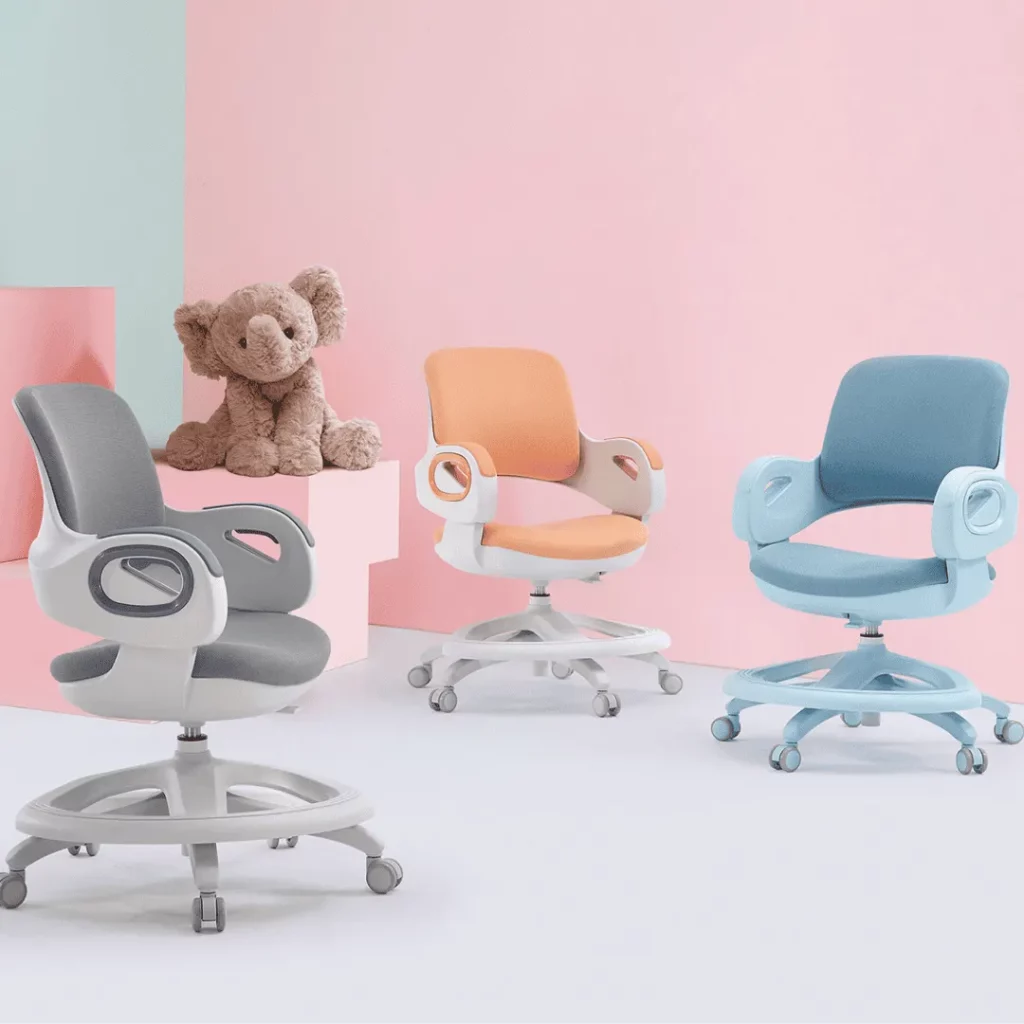
The modern study environment demands more than just a surface for books and a place to sit; it requires furniture that actively supports health, enhances focus, and seamlessly integrates with contemporary aesthetics. At the forefront of this evolution is the ergonomic study chair, now increasingly available in stress-reducing pastel hues. These chairs, meticulously designed with adjustable lumbar support, breathable seat cushions, and height adjustment levers, are crucial in preventing long-term spinal injuries and promoting sustained concentration. This trend marks a significant departure from past practices where comfort was often sacrificed for superficial room aesthetics, leading to widespread issues of fatigue and chronic back pain among students and remote workers.
The Rising Imperative for Ergonomic Design
In an era defined by prolonged periods of sitting, whether for academic pursuits, remote work, or creative endeavors, the human body is subjected to unprecedented stress. Orthopedic specialists consistently highlight that improper seating is a leading contributor to musculoskeletal disorders, including chronic back pain, neck stiffness, shoulder tension, and even conditions like scoliosis, particularly critical during developmental years. The traditional mindset, which often prioritized visually appealing but functionally inadequate furniture such as rigid wooden chairs or minimalist plastic stools, is rapidly being challenged by a growing understanding of long-term health implications.
Interior design professionals and health experts now advocate for a holistic approach, where functionality and well-being are not merely considerations but foundational principles. The notion that an aesthetically pleasing room must compromise on health is being debunked by innovative designs that merge both elements. Ergonomic study chairs, especially those imbued with the calming influence of pastel colors, emerge as a definitive solution, transforming study spaces into sanctuaries of productivity and comfort while serving as a vital long-term investment in spinal health.
The Core Mechanics: Why Ergonomics Cannot Be Compromised
An ergonomic chair is engineered to support the body’s natural posture, distributing weight evenly and maintaining optimal blood circulation even during extended periods of sitting. This scientific approach ensures that the spine’s natural S-curve is maintained, reducing the strain on the lumbar region, which typically bears the brunt of gravitational force when seated. Without proper support, individuals tend to slouch, placing undue pressure on spinal discs and surrounding musculature, inevitably leading to discomfort and potential injury.
For children and adolescents, whose bodies are still developing, the importance of ergonomic support is magnified. Poor posture adopted during formative years can have irreversible consequences, impacting spinal alignment and overall physical health into adulthood. Investing in an ergonomic chair is not merely a purchase of furniture; it is a proactive health measure that safeguards against future physical ailments and promotes healthy growth.
Decoding Chair Specifications: Tailored Choices for Every Age
The market offers a diverse range of study chairs, often leading to confusion for consumers. A critical distinction lies between chairs specifically designed for young children and adjustable ergonomic chairs suited for older adolescents and adults. Understanding their respective strengths and limitations is paramount for making an informed decision.

-
Child-Specific Chairs with Fixed Backrests: These chairs are typically scaled precisely for younger children (e.g., elementary school age). Their backrests are often rigid and designed to encourage an upright sitting posture. The primary advantage of these chairs is their precise proportionality; the seat pan depth perfectly accommodates a child’s thigh length, preventing legs from dangling, a common ergonomic pitfall. However, their main drawback is a limited lifespan. As children grow rapidly, these chairs quickly become inadequate, with fixed backrests potentially pressing against incorrect spinal points, rendering them uncomfortable and counterproductive.
-
Adjustable Ergonomic Chairs for Teens and Adults (Pastel Designs): Representing a more versatile and sustainable investment, these chairs are essentially office-style chairs adapted for a broader age range, often featuring modern aesthetic touches like pastel upholstery. Their core strength lies in adjustability: seat height, backrest tilt and tension, and armrest position can all be customized. This adaptability allows the chair to "grow" with the user, accommodating physical changes over many years. For families seeking a long-term solution that marries functionality with evolving style preferences, this category is overwhelmingly recommended.
Specification Conclusion: For children under 10, a child-specific chair complemented by an ergonomic footrest is often the safest and most effective choice. For individuals aged 11 and above, including teenagers and adults, an adjustable ergonomic chair in a pastel design offers superior long-term comfort, health benefits, and aesthetic flexibility, moving beyond juvenile designs.
The Anatomy of a Truly Ergonomic Study Chair
Beyond general types, specific features define an ergonomic chair’s efficacy. Consumers must look past superficial appearances and understand the engineering behind comfort and support.
- Lumbar Support (Lower Back Support): The human lumbar spine naturally curves inward. An effective ergonomic chair features a pronounced, often adjustable, padded protrusion in the lower backrest area. This support is crucial for maintaining the spine’s natural curve, preventing slouching, and significantly reducing pressure on the lower back.
- Seat Pan Material and Depth: The seat cushion should be crafted from high-density molded foam, which retains its shape over time and evenly distributes pelvic weight, unlike thin, rapidly compressible foams. Crucially, the seat pan’s depth must allow for a gap of two to three fingers between the edge of the seat and the back of the user’s knees when seated with feet flat on the floor. An excessively deep seat pan can compress blood vessels behind the knees, impairing circulation.
- Breathable Backrest Material (Mesh): In warmer climates like Indonesia, heat and humidity can make prolonged sitting uncomfortable. Mesh material, a woven, tensioned fabric, offers superior air circulation, preventing heat buildup and perspiration on the back. Modern mesh designs are available in a wide spectrum of durable pastel colors, merging practicality with aesthetic appeal.
- Flexible Armrests: Often overlooked, armrests play a vital role in relieving tension in the shoulders and neck. Adjustable armrests (e.g., 1D, 2D, or 3D adjustable for height, depth, and pivot) allow users to align their arms parallel to the desk surface, supporting the weight of the forearms and reducing strain on the upper body during tasks like typing or writing.
The Psychological Resonance of Pastel Colors in Learning Environments
The choice of color for study furniture extends beyond mere decoration; it wields a profound psychological impact on mood, stress levels, and cognitive function. Research in environmental psychology and interior design consistently demonstrates that certain colors can either stimulate or soothe, affect perception of space, and influence productivity.
While traditional office furniture often defaults to stark blacks or grays, which can feel heavy and formal, potentially inducing stress, pastel palettes offer a refreshing alternative. They exude a soft, calming, and inviting energy, fostering an environment conducive to learning and focus.
- Mint Green: Often associated with nature, mint green is uniquely soothing to the human eye, reducing visual fatigue, especially after prolonged screen time or reading. A mint green chair can evoke a sense of freshness and tranquility, akin to an outdoor setting, making it particularly beneficial for study areas lacking natural light or views.
- Blush Pink: This gentle shade of pink adds warmth and softness, counteracting the rigidity often associated with work furniture. Blush pink promotes a calming effect, reducing feelings of anxiety and creating a more nurturing environment. Its versatility makes it popular among teenagers, easily pairing with white or natural wood desks.
- Lavender or Lilac: These pastel purples are frequently linked with creativity, imagination, and introspection. For students or professionals engaged in artistic, design-oriented, or problem-solving tasks, a lavender chair can stimulate innovative thought. Its unique and elegant presence can also serve as a sophisticated focal point within a room.
- Baby Blue: Universally recognized for its calming properties, blue has been shown to lower heart rate and blood pressure, fostering a sense of peace and stability. A baby blue chair can create an environment of focus and serenity, ideal for individuals who experience anxiety or stress during exams or intense study sessions.
Integrating Pastel Ergonomics into Your Interior Design
The beauty of pastel ergonomic chairs lies in their adaptability to various interior design styles, particularly those emphasizing natural light, warmth, and minimalism.

- Scandinavian Style: This aesthetic champions functionality, simplicity, and natural materials. A pastel ergonomic chair perfectly complements light-toned wooden desks and textured rugs, creating a "hygge" (cozy) and organized study nook.
- Modern Minimalist Style: In a predominantly white or neutral minimalist setting, a pastel chair acts as an impactful "pop of color," adding visual interest without overwhelming the clean lines. The key here is restraint, allowing the chair to be the singular, vibrant accent.
- Japandi (Japanese-Scandinavian) Style: Characterized by calm colors and earthy tones, Japandi interiors welcome soft hues. A sage green or muted pastel gray chair would harmonize beautifully, especially when paired with natural light, which enhances the subtle beauty of pastel furniture.
Mastering Ergonomic Adjustment: Your At-Home Setup Guide
The effectiveness of an ergonomic chair hinges on proper adjustment tailored to the individual user’s body. Even the most advanced chair offers little benefit if incorrectly configured.
- Adjust Seat Height: Sit with your feet flat on the floor. Adjust the chair height so your knees form a 90-degree angle, with your thighs parallel to the floor. If your feet dangle, a footrest is essential to maintain proper circulation and prevent leg numbness.
- Check Seat Pan Depth: Ensure there’s a two to three-finger gap between the front edge of the seat and the back of your knees. This prevents pressure on the popliteal fossa, crucial for uninterrupted blood flow to the lower legs.
- Position Lumbar Support: Engage the lumbar support mechanism (if adjustable) and position it precisely in the natural inward curve of your lower back, just above the buttocks. You should feel gentle, consistent pressure supporting your lumbar spine, without any gaps or excessive protrusion.
- Align Armrests with Desk: Bring the chair close to your desk. Adjust the armrest height so your forearms can rest comfortably on them, parallel to the desk surface, with your shoulders relaxed and not shrugged. This reduces strain on the shoulders, neck, and upper back.
Solutions for Growing Children: Addressing Dangling Feet
A common challenge for parents is finding a chair that accommodates a growing child. Often, parents opt for oversized chairs hoping they will last longer, inadvertently causing ergonomic issues like dangling feet. This places excessive pressure on the thighs and compromises spinal alignment. The simple, yet highly effective, solution is an ergonomic footrest. This accessory provides a stable platform for a child’s feet, allowing their knees to maintain the healthy 90-degree angle. As the child grows and their feet comfortably reach the floor, the footrest can be removed, offering a cost-effective and health-conscious approach to evolving ergonomic needs.
Material Matters: Durability and Maintenance of Pastel Upholstery
The longevity and aesthetic appeal of pastel furniture depend heavily on the chosen material, especially concerning stain resistance and ease of cleaning.
- Polyester Mesh: An excellent choice for tropical climates, mesh is highly flexible, durable, and provides optimal airflow, preventing perspiration. Modern polyester mesh is color-fast, resisting fading, and its woven structure naturally deters dust accumulation.
- Woven Fabric/Canvas: Fabric chairs offer a soft, comfortable feel and a rich variety of textures and pastel shades. However, they are more susceptible to stains from spills or ink, requiring careful handling and prompt cleaning.
- PU Leather (Synthetic Leather): Pastel PU leather provides a premium look and is exceptionally easy to clean; spills can often be simply wiped away. The primary disadvantage is its limited breathability, which can lead to discomfort and sweating during long sitting periods in non-air-conditioned environments.
Extended Care for Light-Colored Furniture
Maintaining the pristine appearance of pastel furniture requires a proactive approach.
- Routine Cleaning Schedule: Regular vacuuming (at least weekly) of the seat and backrest is essential to prevent dust buildup, which can dull pastel colors over time. Using a brush attachment on the vacuum cleaner protects fabric fibers.
- Immediate Stain Treatment: For spills like coffee or ink, blot immediately with a clean, dry microfiber cloth. Avoid rubbing, which can spread the stain. Follow up with a specialized fabric cleaner or a mild baby soap solution, working gently from the outer edge of the stain inward.
- Avoid Direct Sunlight Exposure: Intense, prolonged exposure to UV rays from direct sunlight can cause pastel colors to fade significantly. Position chairs away from direct window light or use sheer curtains (vitrase) to filter incoming sunlight.
Debunking Common Ergonomic Chair Myths
Misinformation often surrounds ergonomic furniture, leading to suboptimal choices.

- Myth: "The softer the cushion, the more comfortable and better for your back."
Fact: Overly soft seating, akin to a sofa, lacks the necessary firmness to provide stable support for the tailbone and pelvis. Effective ergonomic cushions offer a balanced density—supportive yet comfortable. - Myth: "Gaming chairs are superior to standard ergonomic office chairs."
Fact: Not necessarily. Many gaming chairs, with their "bucket seat" designs, can force shoulders forward and restrict movement. High-quality ergonomic office chairs are often designed with superior adjustability and support for sustained, healthy posture. - Myth: "Sitting at a constant 90-degree angle is the best posture."
Fact: Optimal posture is dynamic. A well-designed ergonomic chair allows for slight reclining (e.g., 100-110 degrees) to alleviate spinal pressure and encourage movement, preventing static load on specific vertebral segments.
The Long-Term Repercussions of Ergonomic Neglect
Dismissing the importance of ergonomic seating, often rationalized by the thought "any chair will do," carries significant and often costly long-term consequences. Incorrect sitting posture forces back muscles to overcompensate against gravity, leading to chronic fatigue, muscle strain, and stiffness. Over time, this can progress to severe conditions such as kyphosis (hunchback), sciatica, or herniated discs (HNP), requiring extensive and expensive medical interventions like physical therapy, medication, or even surgery. Investing in a proper ergonomic chair is a prudent decision that saves future medical expenses and preserves overall quality of life.
Understanding the Price Spectrum of Ergonomic Chairs
The vast price range of ergonomic chairs, from a few hundred thousand to tens of millions of rupiah, often puzzles consumers. This disparity reflects critical differences in mechanical quality (adjustment levers, gas lift, tilt mechanisms), frame materials, upholstery durability, and manufacturer warranties. Budget chairs typically utilize recycled plastics prone to breakage and lower-quality gas lifts that fail prematurely. Mid-range to premium chairs feature robust frames (e.g., solid nylon, aluminum), precision-engineered adjustment mechanisms for smooth operation, and higher-grade, more durable upholstery. For home use, a chair in the one to three million rupiah range generally offers a good balance of essential ergonomic features, build quality, and value.
Pre-Purchase Checklist for Your Ideal Chair
Before finalizing your purchase, consider this checklist to ensure your chosen chair meets all ergonomic and aesthetic requirements:
- Does the chair offer adjustable lumbar support?
- Is the seat cushion made of high-density, breathable material?
- Can the seat height be adjusted to allow feet to rest flat on the floor with knees at 90 degrees?
- Are the armrests adjustable to align with your desk height?
- Is the backrest material breathable (e.g., mesh) for comfort in warm climates?
- Does the pastel color align with the psychological benefits you seek and your room’s aesthetic?
- Does the manufacturer offer a reasonable warranty?
If all answers are affirmative, your pastel ergonomic study chair is a worthwhile investment.
Conclusion: A Smart Investment in Holistic Well-being
The design of a study space extends beyond superficial decor; it is an intimate reflection of an individual’s commitment to their physical and mental well-being. Opting for an ergonomic study chair in a pastel hue represents a thoughtful investment in both immediate comfort and long-term health. The gentle colors work synergistically to calm the mind and reduce visual stress, while the meticulously engineered ergonomic system diligently safeguards spinal health. Careful consideration of chair size (especially for growing children), adjustability, and material durability ensures a decision that is both practical and beneficial. In an increasingly sedentary world, neglecting proper posture due to inadequate furniture is a risk no one should take. Prioritizing spinal health today is an investment in a healthier, more productive tomorrow.
Frequently Asked Questions (FAQ)

1. Are ergonomic chairs suitable for elementary school children?
Absolutely. As long as the chair’s height is correctly adjusted and the child’s feet can rest flat, ideally with the aid of an ergonomic footrest if their feet don’t reach the floor, they are perfectly safe and beneficial.
2. Which pastel color is best for enhancing study concentration?
Mint green and baby blue are scientifically proven to reduce eye strain and promote tranquility, making them ideal for tasks requiring high levels of focus and concentration.
3. What is the typical lifespan of a good quality study chair?
Mid-to-high-quality ergonomic chairs can last between 5 to 10 years with regular care. Features like high-density molded foam are key to preventing the seat cushion from flattening prematurely.
4. Are pastel fabric chairs prone to getting dirty easily?
Yes, fabric upholstery tends to absorb stains more readily than synthetic leather. However, regular cleaning with appropriate fabric cleaners and choosing slightly darker pastel shades (e.g., dusty pink) can mitigate this concern.
5. How do I know if the lumbar support is correctly positioned for me?
When you sit fully reclined, the lumbar protrusion of the chair should comfortably fill the natural curve of your lower back (just above your buttocks) without feeling poky or forcing your chest forward excessively. It should provide gentle, consistent support.
This article was compiled by a team of interior design and ergonomics experts at interiordesign.id. We are dedicated to providing verified information to help you create living and learning spaces that are not only beautiful but also healthy and functional.