Tyo Susilo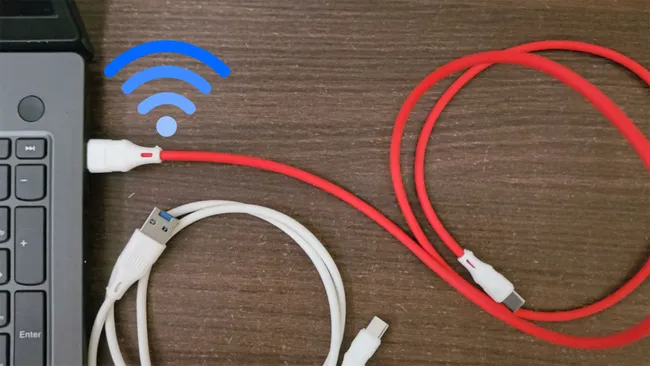
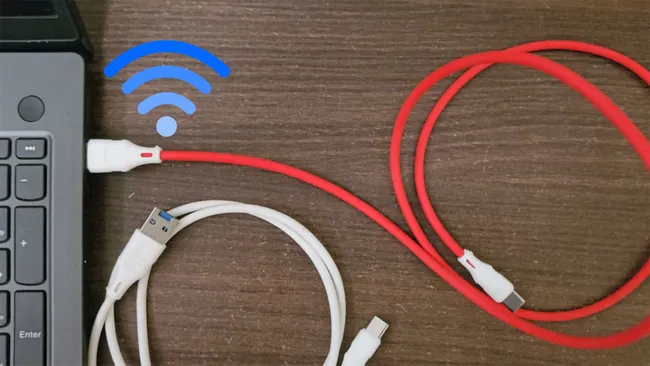
At first glance, the Hacknect cable appears indistinguishable from any standard USB cable. Its connectors are of typical dimensions, and there are no outwardly conspicuous features that would immediately raise suspicion. However, concealed within this unassuming exterior lies sophisticated hardware typically found in compact penetration testing devices, capable of performing advanced network infiltration and manipulation tasks. This innovation, developed by a team known as Little Gadgets, blurs the lines between everyday technology and advanced cybersecurity tools, raising both intrigue and concern within the tech community.
The Hidden Power Within: Unpacking the Hacknect’s Capabilities
The core of the Hacknect’s functionality resides in its integrated ESP32-S3 microcontroller, a powerful System-on-Chip (SoC) that boasts both Wi-Fi and Bluetooth connectivity. This allows the cable to operate autonomously and communicate wirelessly, a significant departure from conventional USB peripherals. Further enhancing its capabilities, the Hacknect incorporates a microSD card slot discreetly placed within the USB-A connector. This feature enables users to store payloads, scripts, and sensitive data directly on the cable itself, facilitating discreet and portable operations.
The design philosophy behind Hacknect is to provide a versatile tool that can be used for a range of purposes, from educational exploration to advanced security testing. Its ability to mimic legitimate USB devices while executing covert commands makes it a particularly potent instrument. The team at Little Gadgets has focused on creating a device that is both powerful and user-friendly, aiming to democratize access to sophisticated hacking techniques for a wider audience.
How the Hacknect Stealthily Infiltrates Wi-Fi Networks
The Hacknect cable’s operational prowess stems from its support for HID (Human Interface Device) injection. This allows the cable to emulate keyboard and mouse inputs, enabling it to send automated commands to any connected device. Imagine plugging the Hacknect into a target computer; it can then simulate a user typing specific commands, executing predefined scripts, or initiating data transfers without any physical interaction with the keyboard or mouse.
Beyond HID emulation, the Hacknect offers further advanced features. It can simulate mouse movements and clicks, providing another layer of control over a connected system. Crucially, it supports Wi-Fi triggering, meaning that many of its functions can be initiated remotely over a wireless network. This allows for a truly hands-off approach to system compromise. Users can access a simple control panel via a smartphone or laptop, execute stored payloads, and manage the device’s functions without requiring any additional software installations on the target machine. This seamless integration and remote control capability are what make the Hacknect particularly insidious.
One of the most remarkable aspects of the Hacknect is its ability to maintain its innocuous appearance while performing these advanced functions. It functions as a regular USB cable for charging and data transfer, making it difficult to detect. This duality is a key design element, allowing it to blend into any environment. However, for users who wish to maintain security and discretion, Little Gadgets has also incorporated a self-destruct feature. This function allows for the rapid deletion of payloads and sensitive data stored on the cable, effectively sanitizing it in seconds if necessary. This adds a layer of security and deniability for users, particularly in professional penetration testing scenarios.
A Familiar Concept, Yet a Novel Approach
The concept of a USB cable with advanced infiltration capabilities is not entirely new. Similar devices have emerged in the past, often marketed towards security professionals and ethical hackers. However, the Hacknect distinguishes itself in several key areas. Firstly, it is positioned as a more affordable option compared to some of its predecessors, making it accessible to a broader range of users, including students and hobbyists. Secondly, Little Gadgets has pledged to make the Hacknect’s firmware open source. This commitment to open-source development fosters transparency, allows for community contributions and modifications, and provides a platform for researchers to study its inner workings.
Perhaps the most surprising aspect of the Hacknect’s emergence is its origin. It is not a product of a clandestine hacker group or a clandestine sale on the dark web. Instead, the Hacknect has surfaced as a crowdfunding project on Kickstarter. This public launch signifies a shift in how such tools are being developed and distributed, moving from the shadows into the mainstream of technological innovation. The project has garnered significant support, indicating a strong demand for such devices within the cybersecurity and maker communities.
The Dual Nature of the Hacknect: An Educational Tool or a Potential Threat?
The emergence of devices like the Hacknect presents a complex duality. On one hand, they offer invaluable opportunities for learning and development in the field of cybersecurity. For students, researchers, and cybersecurity professionals, the Hacknect can serve as a powerful educational tool. It allows for hands-on experimentation with network penetration testing techniques, provides a platform for understanding system vulnerabilities, and facilitates hardware-based security research. The ability to practice these skills in a controlled environment, using a device that mimics real-world scenarios, is crucial for building a skilled cybersecurity workforce.
However, the very characteristics that make the Hacknect a valuable educational tool also raise significant concerns about its potential for misuse. The "normal" appearance of the cable, combined with its sophisticated capabilities, makes it a potentially dangerous instrument in the wrong hands. The ease with which it can be deployed and operated, especially with remote Wi-Fi triggering and automated payload execution, means that it could be used for malicious purposes, such as unauthorized data theft, espionage, or disruption of services. The accessibility of such a powerful tool, now available through public crowdfunding, amplifies these concerns.
Broader Implications and Future Considerations
The Hacknect project highlights a growing trend in the democratization of advanced technology, particularly in the cybersecurity domain. As microcontrollers become more powerful and affordable, and as the community of makers and developers expands, innovative devices with dual-use capabilities are likely to become more prevalent. This raises important questions for manufacturers, consumers, and regulatory bodies.
For manufacturers, there is an increasing ethical responsibility to consider the potential misuse of their products. While innovation is crucial, developers must also grapple with the implications of creating tools that can be easily weaponized. The open-source nature of the Hacknect’s firmware, while beneficial for transparency, also means that malicious actors could potentially modify it for nefarious purposes.
For consumers and the broader public, understanding the capabilities of such devices is becoming increasingly important. Awareness of the potential threats posed by seemingly innocuous technology can empower individuals to take appropriate precautions and to advocate for responsible technological development.
From a regulatory perspective, the Hacknect’s existence may prompt discussions about the classification and control of dual-use technologies. While outright bans are often impractical and can stifle innovation, there may be a need for clearer guidelines or standards regarding the development and distribution of devices with significant security implications. The challenge lies in balancing the need for security with the promotion of innovation and the rights of individuals to engage in ethical research and development.
The Hacknect, as a product of crowdfunding and open-source principles, represents a new frontier in the accessibility of advanced cybersecurity tools. Its journey from concept to a widely supported Kickstarter project underscores the evolving landscape of technology and the ever-present tension between innovation and security. As such devices become more sophisticated and accessible, ongoing dialogue and proactive measures will be essential to harness their potential for good while mitigating the risks they present.
The implications extend beyond individual security. The widespread availability of such tools could potentially lower the barrier to entry for cybercrime, making it more accessible to individuals with less technical expertise. This could lead to an increase in the volume and sophistication of cyberattacks, posing a greater challenge for individuals and organizations alike. The need for robust cybersecurity defenses and ongoing education on emerging threats has never been more critical.
Little Gadgets, by bringing the Hacknect to a public platform, has opened a conversation about the future of accessible cybersecurity tools. Their commitment to open source suggests a belief in empowering the community for positive purposes. However, the inherent nature of the technology means that the community will be the ultimate arbiter of whether this innovation leads to greater security understanding or greater security threats. The success of the Hacknect project on Kickstarter is a clear indicator of the market’s appetite for such devices, and it will be fascinating to observe how this trend evolves and what further innovations emerge from this dynamic intersection of hardware, software, and cybersecurity.