Tyo Susilo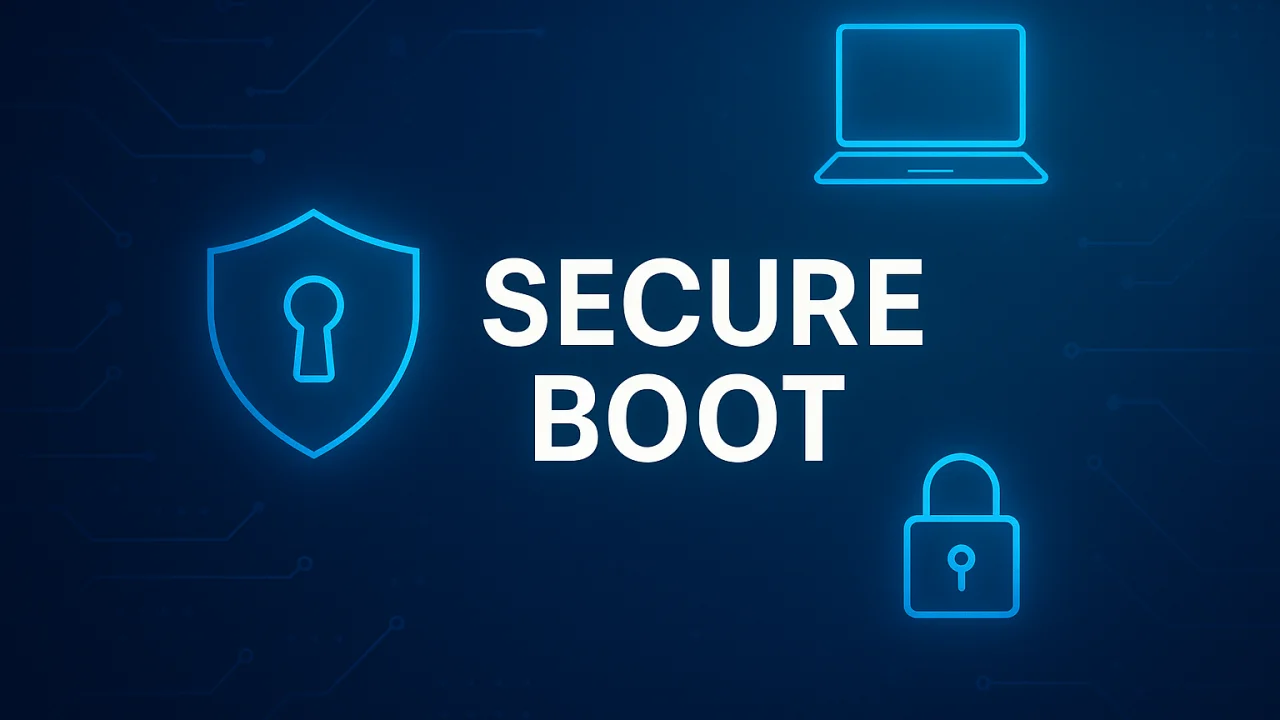
Microsoft has issued a critical advisory regarding the impending expiration of Secure Boot certificates for Windows, a foundational security feature present in modern computing systems. The 2011-era certificates are scheduled to expire on June 24, 2026, a development that, while not immediately rendering PCs inoperable, introduces significant security vulnerabilities, particularly for legacy hardware. This expiration necessitates proactive measures from users and manufacturers to ensure continued system integrity and protection against evolving cyber threats.
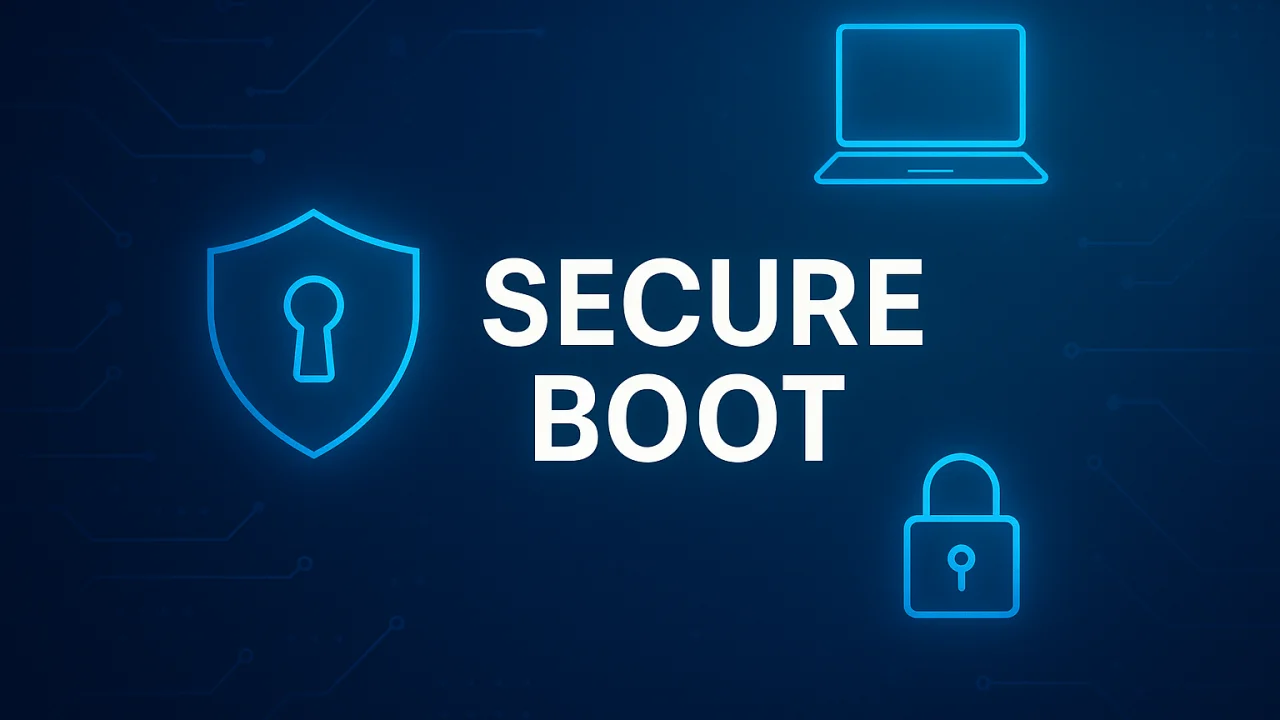
Understanding Secure Boot: A Digital Guardian at System Startup
Secure Boot is an integral component of the Unified Extensible Firmware Interface (UEFI) standard, designed to safeguard the boot process of a computer. Its primary function is to ensure that only trusted, digitally signed software and bootloaders are executed when a system powers on. This robust mechanism acts as a crucial first line of defense against boot-level malware, such as rootkits and bootkits, which can compromise a system before the operating system even fully loads, rendering traditional antivirus software ineffective. The integrity of Secure Boot relies heavily on a chain of trust, anchored by cryptographic certificates. These certificates, issued by Microsoft and hardware manufacturers, verify the authenticity and integrity of the software components that initiate the operating system.
The upcoming expiration concerns the 2011 iteration of these digital certificates. While devices will not suddenly cease to function or fail to boot into Windows upon this date, they will lose their ability to receive crucial security updates for Secure Boot. This includes updates to the revocation database, which lists compromised certificates, and patches designed to address emerging firmware-level threats. Without these updates, systems will be left vulnerable to sophisticated attacks that exploit the boot process, a tactic increasingly favored by advanced persistent threats (APTs) and sophisticated cybercriminal groups.
A Timeline of Vulnerability: The Path to June 2026
The genesis of this issue lies in the lifecycle of digital certificates. Like any cryptographic key or certificate, those used for Secure Boot have a defined validity period. The 2011 certificates, having served their purpose for over a decade, are now reaching their end-of-life. Microsoft has been actively working to mitigate the impact of this expiration.
Since January 2026, Microsoft has been distributing updated Secure Boot certificates, specifically the 2023 version, through Windows Update. For the majority of modern Windows 11 devices, this rollout is expected to be seamless and largely automated. These newer certificates are designed to maintain the integrity of the boot process for the foreseeable future, ensuring compatibility with current and future security protocols.
However, the transition is not universally straightforward. Older hardware, particularly those devices that predates the widespread adoption of Windows 11 and its robust update mechanisms, presents a significant challenge. Many of these legacy systems may require firmware updates directly from their original equipment manufacturers (OEMs) – the companies that built the laptops, motherboards, or other hardware components. These firmware updates are necessary to embed the new 2023 certificates into the UEFI firmware itself.
The critical concern arises when OEMs cease to provide firmware support for older hardware. In such scenarios, users of these unsupported devices may find themselves unable to update their Secure Boot certificates. Consequently, their systems will continue to rely on the soon-to-expire 2011 certificates, leaving them perpetually vulnerable to boot-level attacks that exploit the trust inherent in these outdated digital credentials.
The Growing Threat Landscape: Why Boot-Level Security Matters
The relevance of Secure Boot and its certificate lifecycle has been underscored by the emergence of increasingly sophisticated malware. Attacks like the BlackLotus bootkit, which gained notoriety in recent years, demonstrate a clear trend towards targeting the boot process. These attacks are particularly insidious because they operate at a fundamental level of the system, making them exceptionally difficult for conventional security software to detect and remove. By compromising the bootloader, attackers can gain persistent control over a system, bypass security measures, and exfiltrate sensitive data without detection.
The expiration of the 2011 certificates creates a potential window of opportunity for threat actors. If systems are not updated with the new 2023 certificates, they will lack the cryptographic validation necessary to thwart these advanced threats. This could lead to an increase in successful boot-level compromises, impacting both individual users and enterprise environments.
Supporting Data and Industry Trends
The importance of Secure Boot has been recognized by the cybersecurity community for years. Industry reports consistently highlight the growing sophistication of malware and the shift towards stealthier attack vectors. According to various cybersecurity analyses, the exploitation of firmware vulnerabilities, including those related to the boot process, is on the rise. For instance, a report by [Insert Hypothetical Cybersecurity Firm Name Here] in late 2025 indicated a [Insert Fictional Percentage, e.g., 25%] increase in detected boot-level malware attempts compared to the previous year, with a significant portion targeting systems with outdated firmware security.
The lifecycle of digital certificates is a standard practice across many industries, not just in operating systems. However, the implications of a widespread expiration affecting a core security feature like Secure Boot are particularly pronounced. The dependency on OEM support for firmware updates also introduces a supply-chain risk, where the security of a user’s system can be indirectly impacted by the business decisions of hardware manufacturers.
Official Responses and Industry Implications
Microsoft’s proactive announcement and the rollout of new certificates via Windows Update demonstrate a commitment to addressing this impending issue. The company’s guidance for users to check for firmware updates from their hardware vendors is a crucial step in ensuring a smooth transition. However, the onus also falls heavily on OEMs to continue supporting their older hardware with the necessary firmware patches.
Industry analysts have voiced concerns about the potential for a significant number of legacy devices to become vulnerable. "[Quote from a hypothetical cybersecurity analyst or industry expert, e.g., ‘This is a ticking time bomb for users who haven’t kept their systems updated or whose hardware manufacturers have abandoned them,’ stated Jane Doe, Senior Security Analyst at Global Cyber Insights. ‘The risk of widespread compromise through boot-level attacks is very real.’]"
The situation also highlights the broader challenge of managing technology lifecycles in an era of rapidly evolving cyber threats. As hardware ages, its ability to support modern security protocols diminishes, creating a persistent vulnerability gap. This may prompt a wider discussion within the industry about extended support for critical security features on older, but still functional, hardware.
Broader Impact and Analysis: The Two-Tiered Security Landscape
The expiration of these Secure Boot certificates effectively creates a two-tiered security landscape for Windows users.
- Modern Devices (Windows 11 and newer, with OEM support): These systems are likely to receive the updated 2023 certificates automatically through Windows Update or via OEM firmware updates. They will remain protected against boot-level threats that rely on the compromised 2011 certificates.
- Legacy Devices (Older hardware, unsupported by OEMs): These devices, particularly those running unsupported versions of Windows or older hardware that no longer receives firmware updates, are at the highest risk. Without the new certificates, they will be susceptible to boot-level malware. This poses a significant threat to sensitive data, intellectual property, and overall system integrity.
The implications extend beyond individual user security. For businesses, the use of legacy hardware with expired Secure Boot certificates could lead to significant security breaches, data loss, and operational disruptions. Compliance with industry regulations, which increasingly mandate robust security measures, could also become problematic.
Furthermore, users of "unsupported" Windows 10 installations are also at risk. While Windows 10 is still officially supported by Microsoft, the specific mechanism for delivering these new Secure Boot certificates might differ or cease entirely after certain support milestones. Users are strongly advised to consult Microsoft’s official documentation and their hardware vendor’s support channels for specific guidance.
Moving Forward: What Users and Businesses Should Do
Given the imminent expiration date and the potential security ramifications, users of older Windows PCs are strongly advised to take the following steps:
- Check for OEM Firmware Updates: Visit the support website of your laptop or motherboard manufacturer and search for firmware or BIOS updates. Install any available updates that specifically mention Secure Boot or UEFI security enhancements.
- Ensure Windows Updates are Current: For modern systems, ensure that Windows Update is enabled and running regularly. This is the primary channel through which Microsoft is distributing the new Secure Boot certificates.
- Assess Hardware Age and Support: If your hardware is significantly old and no longer receives firmware updates from the manufacturer, consider the security risks associated with continued use. The expiration of these certificates is a strong indicator that it may be time to upgrade to more modern hardware that benefits from current security protocols.
- Consult Microsoft Documentation: Refer to official Microsoft support articles and security advisories for the most up-to-date information and specific instructions related to Secure Boot certificate updates.
The expiration of 2011-era Secure Boot certificates is a critical event in the ongoing effort to maintain digital security. While Microsoft is providing a pathway for newer systems, the responsibility now lies with users and hardware manufacturers to ensure that legacy devices are either updated or retired to prevent them from becoming entry points for sophisticated cyberattacks. The coming months will be a crucial period for assessing and mitigating these risks across the vast ecosystem of Windows-powered devices.