Tyo Susilo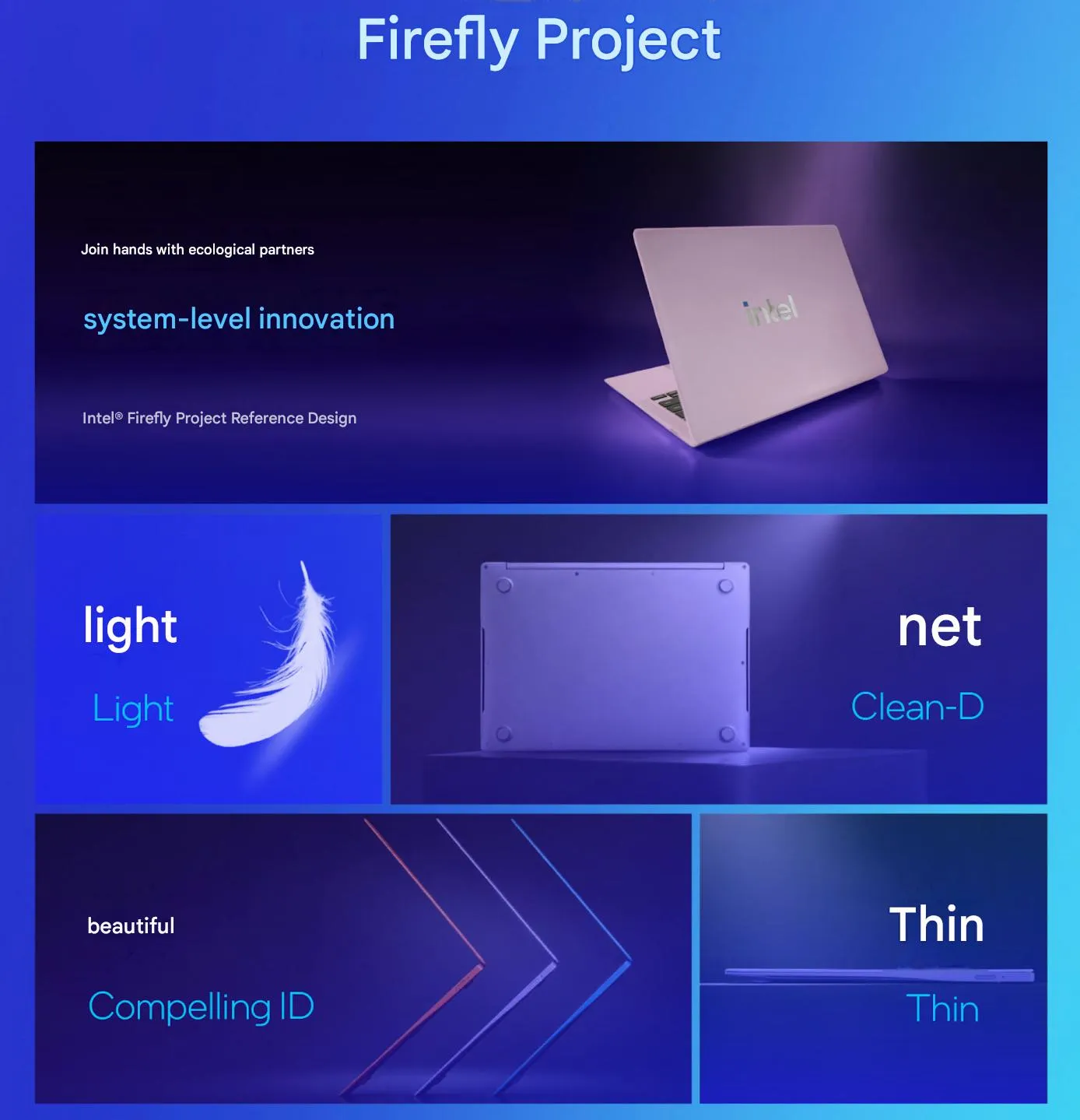
Intel has unveiled "Project Firefly," a groundbreaking initiative designed to revolutionize the landscape of affordable laptops. This strategic blueprint aims to empower laptop manufacturers to produce devices that are not only budget-friendly but also highly competitive, directly challenging the premium perception of entry-level laptops, particularly Apple’s MacBook Neo. By adopting a modular and standardized approach, reminiscent of the highly efficient smartphone industry, Intel seeks to democratize access to quality computing experiences for a wider consumer base.
The genesis of Project Firefly can be traced back to the undeniable impact of Apple’s MacBook Neo. Launched with the explicit intention of offering a more accessible gateway into the Apple ecosystem, the MacBook Neo has, in a relatively short period, redefined expectations for what an affordable laptop can be. Its success lies in a compelling combination of robust performance, often exceeding what consumers anticipate from lower-priced machines, and a build quality that projects a distinctly premium feel. This has effectively shattered the long-held notion that budget laptops are inherently synonymous with compromised quality, limited functionality, and a less-than-satisfactory user experience. The MacBook Neo has demonstrated that affordability and a high-quality user experience are not mutually exclusive, setting a new benchmark for the segment.
Intel’s response, Project Firefly, is not merely a reactive measure but a proactive and comprehensive strategy to recapture market share and reassert its dominance in the Windows laptop ecosystem. The core of Project Firefly is its reference design methodology. This isn’t a new concept for Intel; the company has historically provided reference designs to guide manufacturers. However, Project Firefly elevates this approach by drawing inspiration from the mobile industry’s success in standardizing components and manufacturing processes. This allows for greater economies of scale, reduced development cycles, and ultimately, lower costs for the end consumer.
The Smartphone Manufacturing Blueprint for Laptops
The parallels drawn to the smartphone industry are significant. For years, smartphone manufacturers have leveraged highly standardized component architectures and streamlined supply chains to rapidly iterate on designs, reduce production costs, and offer a wide range of devices at various price points. Project Firefly aims to replicate this efficiency within the laptop domain. By creating a modular framework, Intel intends for manufacturers to utilize a common set of components – processors, chipsets, and potentially even certain chassis elements – that can be assembled into different configurations. This modularity translates into several key advantages:
- Accelerated Development Cycles: With a pre-defined blueprint and readily available standardized components, manufacturers can significantly shorten the time from design to production. This allows for quicker responses to market trends and consumer demands.
- Reduced Research and Development Costs: Instead of each manufacturer investing heavily in designing every aspect of a new laptop from scratch, they can focus on assembly, branding, and software optimization. This cost saving is then passed on to the consumer.
- Enhanced Supply Chain Efficiency: A standardized component ecosystem simplifies sourcing and logistics. This can lead to more consistent availability and potentially mitigate supply chain disruptions, a challenge that has plagued the tech industry in recent years.
- Greater Interoperability and Repairability: While not explicitly stated as a primary goal, a modular design could, in the long term, lead to improved interoperability between components and potentially easier repairability, further enhancing the value proposition for consumers.
Wildcat Lake Processors: The Heart of Project Firefly
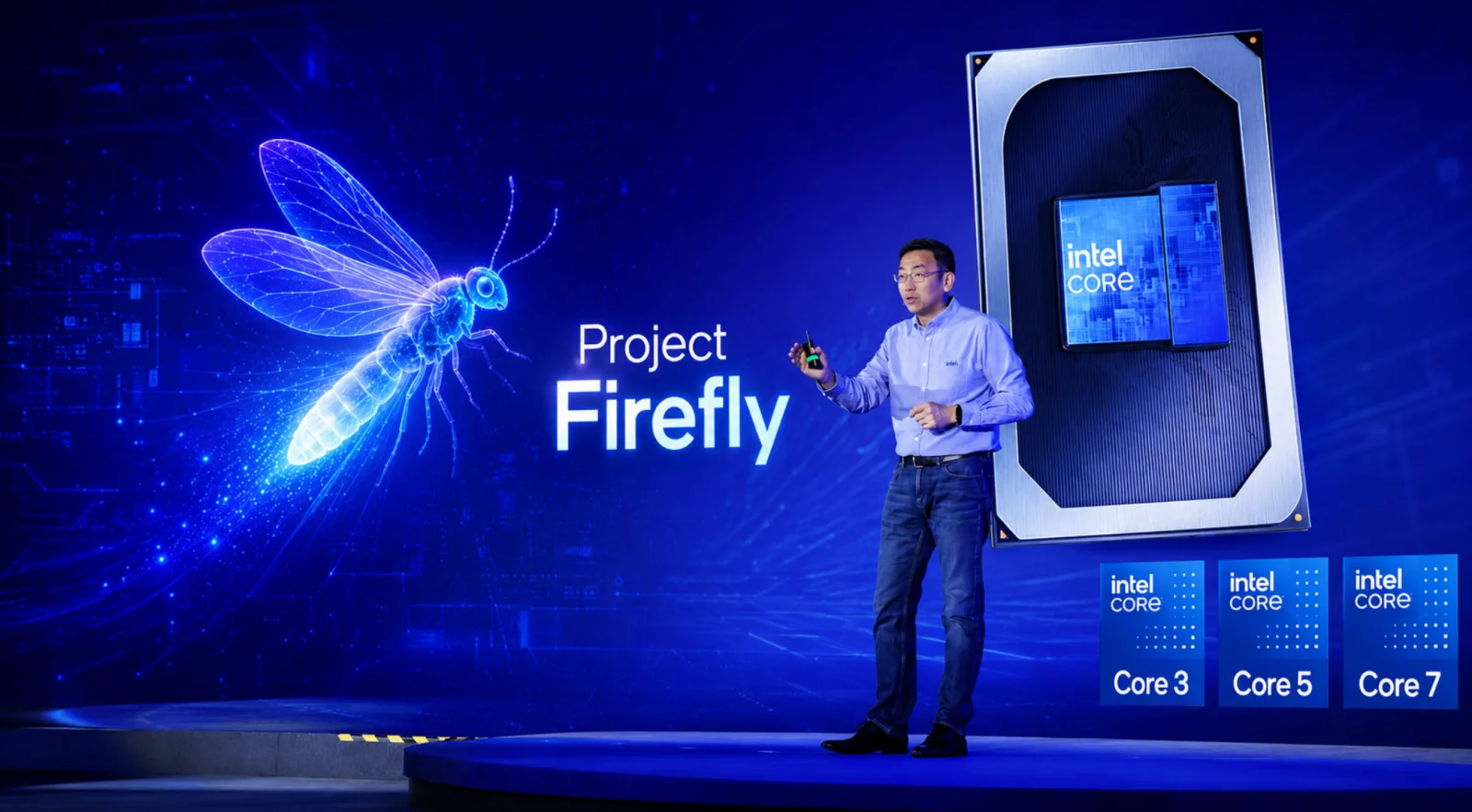
At the core of Project Firefly’s hardware is Intel’s forthcoming "Wildcat Lake" processor family. While specific details about Wildcat Lake are still emerging, its integration into this project signifies Intel’s commitment to delivering capable processors that balance performance with power efficiency, crucial for thin and light mobile devices. These processors are expected to be optimized for the specific demands of the Project Firefly design, ensuring that the reference devices can meet the performance benchmarks set by competitors like the MacBook Neo.
The design philosophy for Project Firefly devices emphasizes portability. Manufacturers adhering to this blueprint are targeting a slim profile, with a thickness of approximately 11 millimeters, and a lightweight construction. This focus on a sleek and easily transportable form factor is directly aimed at appealing to a demographic that values mobility, a key selling point for the MacBook Neo.
Early Adopters and Market Penetration
The initiative is already gaining traction, with several prominent laptop brands in China beginning to roll out devices based on the Project Firefly platform. Lenovo, ASUS, HP, Honor, and Chuwi are among the manufacturers who have reportedly embraced this new strategy. The fact that established players like Lenovo, ASUS, and HP are participating lends significant credibility to Project Firefly and suggests a strong potential for widespread adoption. Their involvement in the Chinese market, a crucial hub for laptop manufacturing and consumption, will serve as a vital testing ground for the efficacy of Intel’s strategy before a broader global rollout.
The initial wave of devices is expected to hit the market with price points that aim to undercut premium offerings significantly, potentially falling below the $600 USD mark, as indicated by some industry analyses. This aggressive pricing strategy, enabled by the cost efficiencies of Project Firefly, is precisely what is needed to directly compete with the MacBook Neo’s perceived value proposition.
The Broader Implications for the PC Market
Project Firefly represents a significant strategic pivot for Intel. For years, the company has faced increasing pressure from ARM-based processors in mobile devices and, more recently, from Apple’s own M-series chips in its MacBooks, which have set new standards for performance and power efficiency. By revitalizing its approach to the affordable laptop segment, Intel is not only seeking to defend its traditional stronghold but also to innovate and adapt to evolving market demands.

The success of Project Firefly could have several far-reaching implications:
- Democratization of Premium Features: If Intel and its partners can successfully deliver on the promise of Project Firefly, consumers will gain access to thin, light, and performant laptops without having to pay a premium price. This could elevate the baseline user experience for millions of people worldwide, from students to professionals.
- Increased Competition and Innovation: A more competitive entry-level laptop market will likely spur further innovation from all players. Manufacturers will be pushed to differentiate themselves through design, software features, and unique user experiences, rather than solely relying on price.
- A Reimagined Windows Ecosystem: Project Firefly could breathe new life into the Windows laptop ecosystem, particularly in the budget segment, which has often been characterized by a lack of cohesive design and performance standards. A standardized platform can lead to a more predictable and satisfying experience for Windows users.
- Challenging Apple’s Dominance: While the MacBook Neo is a specific target, Project Firefly’s ambition extends to challenging the broader appeal of Apple’s ecosystem in the affordable computing space. By offering a compelling Windows alternative that emulates some of the key advantages of Apple’s offerings, Intel and its partners could erode Apple’s market share in this segment.
The Road Ahead: Awaiting Consumer Verdict
The ultimate success of Project Firefly will hinge on several factors. Firstly, the actual performance and build quality of the devices produced under this initiative will need to live up to the ambitious claims. Consumers are increasingly discerning, and a superficial resemblance to premium devices will not suffice. Secondly, the pricing strategy must remain aggressive and sustainable. Finally, the ecosystem of software and support surrounding these devices will play a crucial role in user satisfaction.
Intel’s "Project Firefly" is more than just a new set of components; it’s a strategic re-imagining of how affordable laptops are conceived, manufactured, and marketed. By leveraging lessons from the mobile industry and fostering close collaboration with its manufacturing partners, Intel is making a bold play to redefine expectations and ensure that high-quality computing remains accessible to everyone. The coming months will be critical in observing how this ambitious project unfolds and whether it can indeed emerge as a formidable challenger to the likes of Apple’s MacBook Neo. The laptop market, particularly at the more accessible price points, is poised for a significant shake-up.