Nila Kartika Wati
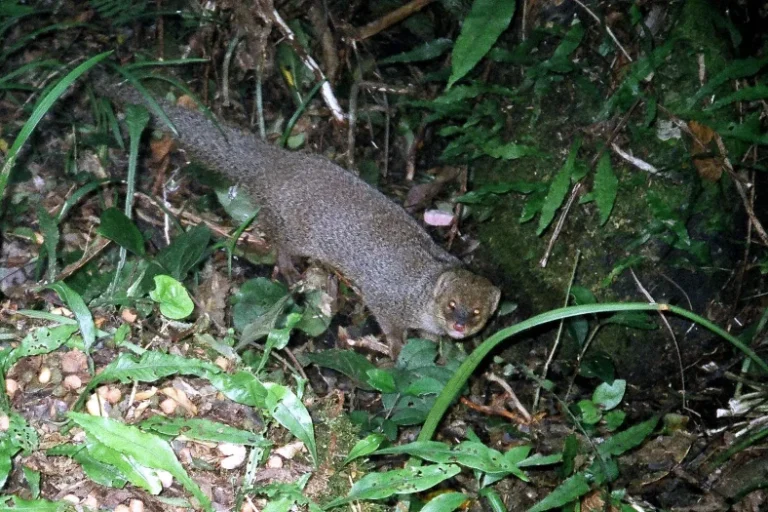
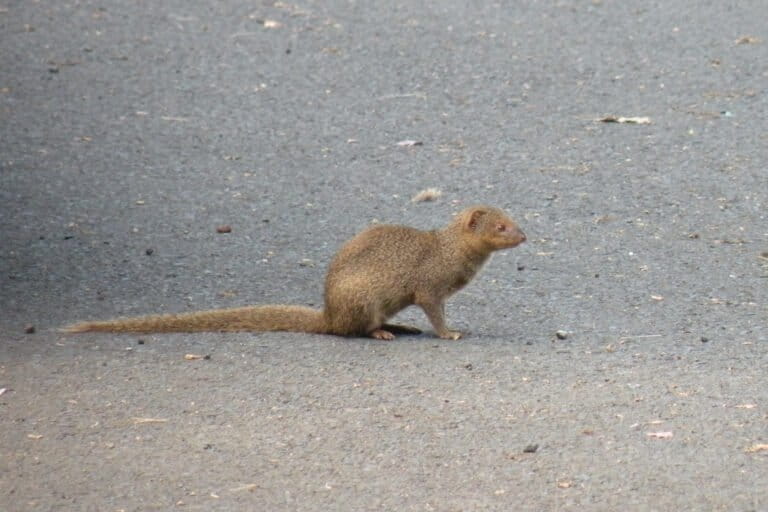
The introduction of non-native species to manage pest populations is often marketed as a silver-bullet solution—economical, efficient, and immediate. However, the case of the small Indian mongoose (Herpestes auropunctatus) on the Japanese island of Amami Oshima serves as a sobering reminder of the ecological and financial toll when such interventions backfire. After a quarter-century of intensive effort, involving billions of yen and the deployment of cutting-edge eradication technologies, Japan has finally declared victory over this invasive menace. This mission, which concluded officially in late 2024, stands as a landmark case study in conservation biology, highlighting that the cost of fixing an ecological mistake is almost always orders of magnitude higher than the initial cost of the error itself.
A Legacy of Misguided Intervention
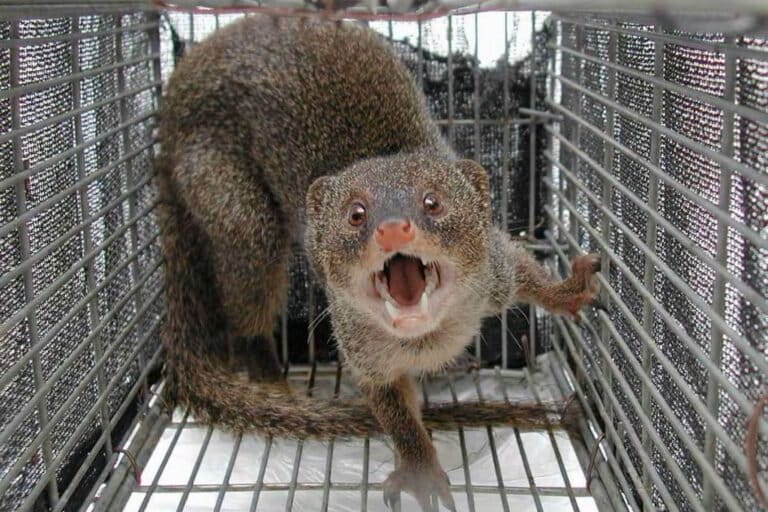
The story of the mongoose in Amami Oshima began in 1979, when approximately 30 individuals were released onto the island. The objective was simple: utilize the mongoose as a biological control agent to decimate the population of venomous habu snakes that posed a threat to residents and agriculture. At the time, the potential for the mongoose to switch prey or to multiply uncontrollably was either ignored or entirely underestimated.
By the late 1980s, it became painfully clear that the mongoose had ignored the snakes and instead focused its predatory instincts on the island’s unique, flightless, and ground-nesting endemic species. The population exploded, and by the year 2000, officials estimated that approximately 10,000 mongooses were roaming the island, terrorizing local fauna and disrupting the delicate balance of the subtropical ecosystem.
The Long Road to Eradication: A Chronology
The path to removing the invasive population was anything but linear. While the central government began formalizing its strategy at the turn of the millennium, the groundwork had been laid through years of localized, often desperate, attempts by island residents and regional authorities.
- 1979: Initial introduction of 30 mongooses.
- 1993: Local municipalities begin independent, uncoordinated trapping efforts to combat the growing nuisance.
- 1995–1999: The Japanese Ministry of the Environment initiates preliminary surveys and pilot eradication programs.
- 2000: The official national eradication program is launched as the population hits an estimated 10,000.
- 2003: Professional pest control teams are hired, and lethal tube traps are introduced to standardize the culling process.
- 2005: The Invasive Alien Species Act is passed, leading to the creation of the specialized "Amami Mongoose Busters" unit.
- 2008: Advanced methods, including the use of highly trained scent-detection dogs and expanded trap networks, are integrated.
- 2018: The final confirmed capture of a mongoose on the island.
- 2024: Following six years of zero detection, the government officially declares the island free of mongooses on September 3.
- 2025: Full decommissioning of the trapping network is completed.
The Anatomy of a Massive Operation
The scale of the "Amami Mongoose Busters" operation was unprecedented. Amami Oshima covers approximately 712 square kilometers, much of which consists of rugged, dense subtropical forest. Accessing the interior of the island to monitor traps required personnel to navigate difficult, mountainous terrain daily.
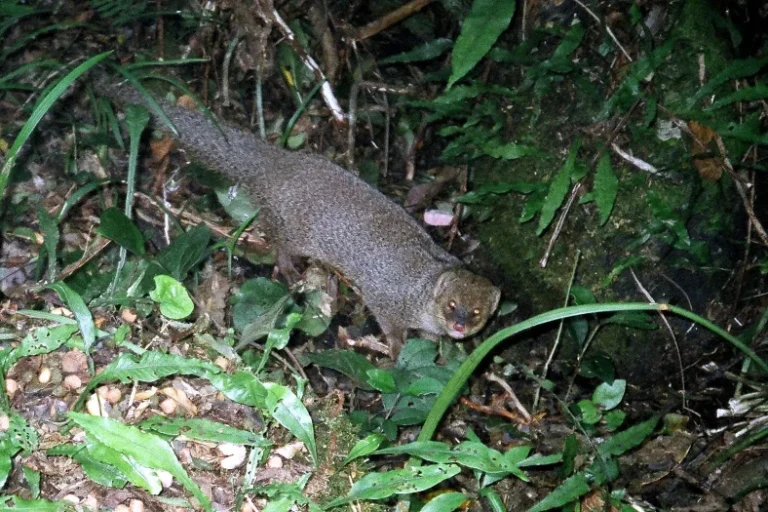
At the peak of the operation, the network consisted of over 30,000 traps, including specialized cage traps, tube traps, and hair-snaring devices designed to capture or identify the presence of the elusive mammals. More than 300 automated cameras were strategically placed to monitor wildlife activity. By 2009, the effort had scaled to two million "trap-days" per year—a metric that underscores the sheer intensity of the human labor and logistical coordination required to maintain such a high-density surveillance grid.
The financial commitment was equally staggering. Between 2000 and 2024, the Japanese government invested approximately 3.6 billion yen—roughly 24 million U.S. dollars at current exchange rates. This expenditure did not include the immense hidden costs of the labor force, equipment maintenance, and long-term research required to validate the eradication status.
Scientific Validation and Statistical Rigor
The decision to declare the island "mongoose-free" was not taken lightly. The government adhered to a rigorous six-year monitoring period following the last confirmed sighting in 2018. To ensure the accuracy of this declaration, researchers employed two distinct statistical models: a catch-based model and a rapid eradication assessment model.
The catch-based model suggested a 99.7% probability of total eradication, while the rapid assessment model yielded a 98.9% success rate. These high confidence intervals provided the legal and scientific foundation for the Ministry of the Environment to finally pull the plug on the operation. The success is particularly noteworthy when compared to the ongoing efforts in Okinawa, where the mongoose remains firmly established and the path to total eradication remains significantly more complex and uncertain.
Economic and Ecological Cost-Benefit Analysis
Critics of the program often questioned the astronomical budget during the two decades the project was active. However, a 2025 study published in the journal Oryx provided a compelling justification for the investment. By utilizing a "willingness-to-pay" survey among local residents, researchers quantified the social and ecological value of preserving Amami Oshima’s unique biodiversity.
The study concluded that the social benefits of restoring the island’s native species—such as the Amami rabbit (Pentalagus furnessi) and the Amami spiny rat—far outweighed the 3.6 billion yen cost. The data proved critical during mid-program budget reviews, preventing the cancellation of the project when results seemed slow to materialize. The recovery of endemic populations has since provided tangible proof of the project’s success, with wildlife surveys showing a marked rebound in species that were once on the brink of local extinction.
Global Implications for Conservation
The success at Amami Oshima serves as a vital lesson for island nations worldwide. The "quick fix" of introducing a predator often creates a secondary, more intractable problem. The lesson from Japan is twofold: first, biological control agents are rarely predictable in the long term; and second, the cost of remediation is exponentially higher than the initial cost of introduction.
As climate change and global trade continue to facilitate the movement of invasive species, the Amami Mongoose Busters’ methodology—combining legislative support, professionalized field teams, and robust statistical monitoring—is likely to become the gold standard for future eradication efforts. While the 25-year timeline is daunting, it demonstrates that with sufficient political will, community engagement, and scientific rigor, even the most entrenched invasive populations can be managed or removed.
Ultimately, the Amami Oshima case is a testament to the resilience of nature when human-caused pressures are removed. It is also a stark warning: the next time a government agency or agricultural body proposes an "easy" solution involving the introduction of an exotic predator, the ghosts of the 10,000 mongooses removed from this Japanese island should serve as a cautionary tale. Eradication is possible, but it is a luxury of time, money, and labor that many ecosystems cannot afford to spend twice. The preservation of the Amami rabbit and the island’s unique avian life is a victory, but one that was bought at a price that underscores the necessity of extreme caution in environmental management.