
 Lina Irawan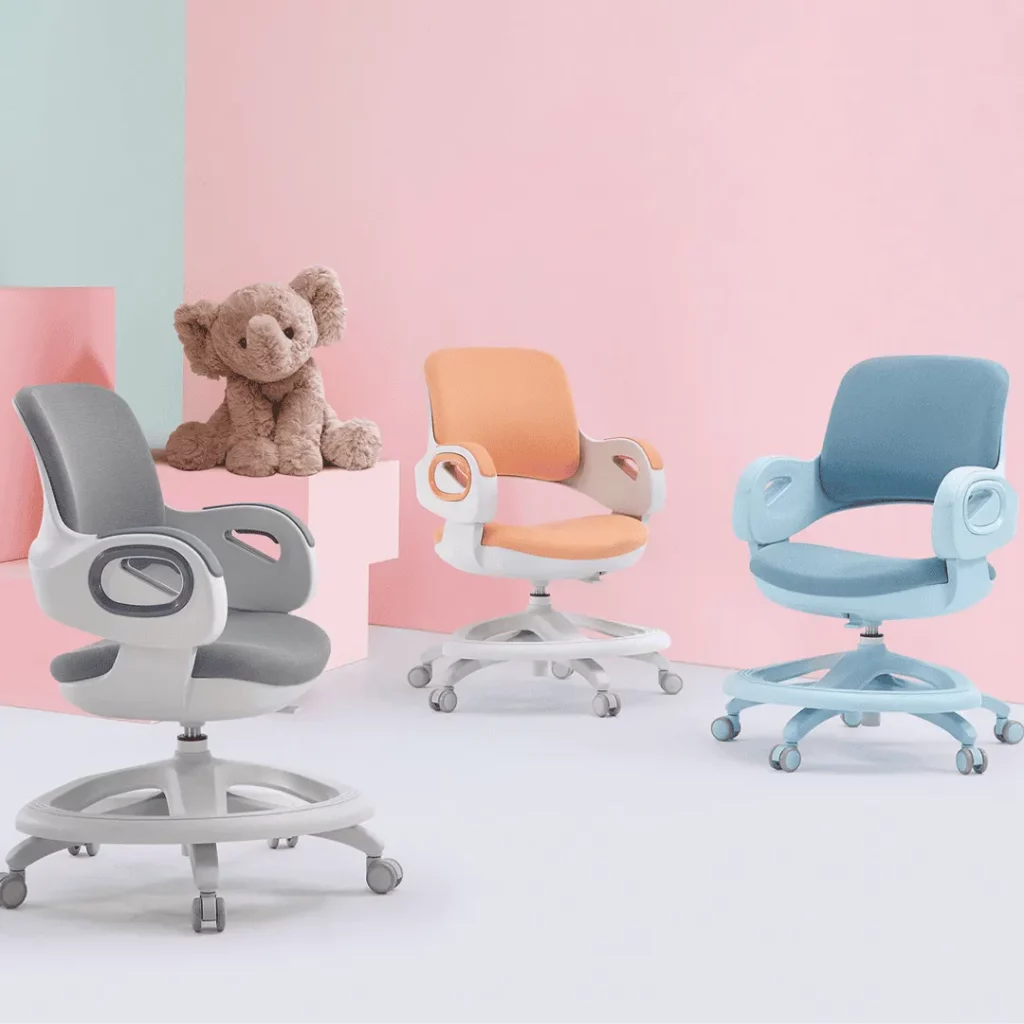
In an era where sedentary lifestyles are increasingly prevalent and digital learning or remote work has become the norm for many, the design of our personal study and workspace has transcended mere aesthetics. It is now a critical intersection of form, function, and physiological well-being. A growing number of individuals, from students navigating their academic years to professionals managing demanding schedules, are recognizing the profound impact that a well-designed study chair can have on their health, focus, and overall productivity. This realization has catalyzed a significant shift in interior design, leading to the emergence and popularization of ergonomic study chairs in a palette of calming pastel colors. These chairs are no longer just furniture; they are a strategic investment in long-term spinal health, mental clarity, and the creation of an inspiring, stress-free environment.
For decades, the choice of a study chair was often an afterthought, relegated to basic, often rigid, wooden or plastic designs that prioritized minimalist aesthetics or cost-efficiency over crucial ergonomic principles. The consequence of such choices has been a silent epidemic of musculoskeletal issues, including chronic back pain, neck stiffness, and poor posture, particularly among younger demographics whose bodies are still developing. Orthopedic specialists consistently highlight that prolonged sitting in chairs lacking proper support can lead to significant spinal disc compression, muscle fatigue, and even long-term conditions like kyphosis or herniated discs. The integration of adjustable lumbar support, breathable upholstery, and precise height adjustment mechanisms is not a luxury but a necessity to counteract these adverse health outcomes. Simultaneously, the intentional choice of pastel colors serves a dual purpose, acting as a psychological agent to mitigate stress and enhance cognitive functions like focus and concentration, transforming a functional object into a holistic tool for well-being.
The Biomechanics of Comfort: Unpacking Essential Ergonomic Features
Understanding the anatomy of a truly ergonomic chair is paramount to appreciating its value. It’s far more than just a cushioned seat; it’s an engineering marvel designed to mimic and support the natural curvature of the human spine, distribute body weight evenly, and promote healthy circulation.
Central to any ergonomic design is the Lumbar Support. The human lower back naturally curves inward, a lordotic curve that must be maintained even while seated. Without adequate support in this region, the spine tends to slouch, reversing this natural curve and placing immense pressure on the intervertebral discs. A well-designed ergonomic chair features an adjustable lumbar support, often a padded protrusion that can be moved vertically and sometimes horizontally, allowing users to customize its placement to perfectly cradle their unique spinal curve. This feature prevents slumping, reduces muscle strain, and minimizes the risk of disc-related issues over prolonged sitting periods.
The Seat Pan, or the sitting surface, is another critical component. Inferior chairs often use thin, low-density foam that quickly compresses, offering little support and creating pressure points. High-quality ergonomic chairs utilize molded foam with a high density. This material retains its shape over time, effectively distributing the user’s weight across the entire sitting area, particularly around the hips and buttocks, thereby reducing pressure on the tailbone and improving blood flow to the lower extremities. Equally important is the seat depth; an ideal seat pan allows for a gap of two to three fingers between the back of the knees and the edge of the seat when the user’s back is fully against the backrest. If the seat is too deep, it can press against the popliteal fossa (the area behind the knee), restricting circulation and causing numbness or discomfort.
For the Backrest, especially in tropical climates, breathable mesh material has become an industry standard. Unlike solid fabric or leather, mesh fabric (often a polyester blend) offers superior ventilation, preventing heat and moisture buildup that leads to discomfort and sweating during long study or work sessions. This ensures a cooler, more comfortable experience, directly contributing to sustained focus. The flexibility of mesh also allows it to conform gently to the user’s back, providing dynamic support.
Finally, Adjustable Height and Armrests complete the ergonomic ensemble. The chair’s height mechanism, typically a gas lift, allows the user to adjust the seat so that their feet are flat on the floor and their knees form a 90-degree angle. This prevents legs from dangling, which can restrict blood flow and lead to numbness. Adjustable armrests (often 1D, 2D, 3D, or even 4D, indicating the planes of movement) are crucial for supporting the weight of the arms and shoulders. When properly aligned with the desk surface, they allow the user’s shoulders to remain relaxed and their forearms to rest comfortably, reducing tension in the neck and upper back. This dynamic adjustability underscores the principle that the best posture is not a static one, but one that allows for slight movement and variation, with the chair continuously adapting to support these changes.
The Psychology of Color: How Pastels Enhance Focus and Well-being
The choice of color in interior design is a powerful, often underestimated, tool that profoundly influences mood, behavior, and cognitive function. In a study environment, this influence is particularly critical. While dark, formal colors might suit corporate boardrooms, they can evoke feelings of pressure or heaviness in a personal study space. This is where the subtle power of pastels shines. Backed by color psychology research, pastel hues are known for their calming, soothing properties, capable of transforming a potentially stressful study zone into an inviting sanctuary of focus.

- Mint Green: This gentle shade of green is inherently linked to nature, tranquility, and renewal. It is recognized as the easiest color for the human eye to process, significantly reducing visual fatigue, especially after prolonged exposure to screens or text. A mint green chair introduces a sense of freshness and calm, making the study area feel more open and less confined, even in rooms lacking abundant natural light.
- Blush Pink: Moving beyond traditional gender associations, blush pink has emerged as a sophisticated and universally appealing pastel. It exudes warmth, gentleness, and a powerful calming effect, softening the often rigid lines of office furniture. This hue fosters a sense of comfort and security, creating a nurturing environment conducive to sustained periods of concentration without feeling sterile or overly formal.
- Lavender or Lilac: These soft violet tones are historically associated with creativity, imagination, and introspection. For individuals engaged in artistic endeavors, writing, or problem-solving, a lavender or lilac chair can subtly stimulate innovative thought processes. Its unique and elegant presence can also serve as an attractive focal point, adding a touch of personalized style to the room.
- Baby Blue: Universally acknowledged for its serene qualities, baby blue promotes a sense of peace and stability. Studies in color psychology have shown that blue tones can lower heart rate and respiration, inducing a state of calm that is highly beneficial for productivity. For students facing high-stakes exams or individuals prone to anxiety, a baby blue chair can create an oasis of tranquility, fostering a clearer mind for critical thinking and sustained attention.
By incorporating these pastel hues, the ergonomic study chair transcends its functional role, becoming an integral part of a holistic design strategy aimed at optimizing both physical health and mental well-being.
Tailoring Ergonomics to Age and Growth: Choosing the Right Chair
The journey of selecting an ergonomic chair is often complicated by the diverse needs of its users, particularly when considering children who are still growing. The "one-size-fits-all" approach is detrimental to ergonomic principles.
For younger children, typically under 10 years old (elementary school age), specialized children’s chairs with fixed backrests are often recommended. These chairs are precisely proportioned to smaller statures, ensuring that the seat depth is appropriate for shorter thighs and the backrest aligns correctly with their developing spines. The most crucial feature for this age group is a footrest. Since their feet often cannot reach the floor even on the lowest setting of an adult chair, a footrest allows their knees to maintain the healthy 90-degree angle, preventing dangling legs and ensuring proper circulation and spinal alignment. The drawback, however, is the limited lifespan of such chairs, as children quickly outgrow their fixed dimensions, necessitating frequent replacements.
Conversely, for pre-teens (11+), teenagers, and adults, the adjustable ergonomic office-style chair in pastel hues presents a superior long-term investment. These chairs are engineered with a multitude of adjustable components: seat height, backrest recline, lumbar support depth, and armrest position. This adaptability is key. As a teenager grows, the chair can be reconfigured to perfectly match their evolving physical dimensions. This eliminates the need for repeated chair purchases and ensures continuous ergonomic support throughout different life stages. The ability to fine-tune every aspect of the chair means it can be personalized to the user’s specific body shape and tasks, promoting optimal posture and comfort for years. The aesthetic appeal of pastel colors further enhances its suitability, offering a sophisticated yet youthful look that avoids the often stark or overly childish designs of some dedicated children’s furniture.
To bridge the gap for growing children who transition to adult-sized ergonomic chairs, a detachable ergonomic footrest is an invaluable accessory. This simple addition ensures that even if their feet don’t yet touch the floor, they can maintain the correct 90-degree knee angle, preventing circulation issues and lower back strain. Once the child grows tall enough, the footrest can be removed, allowing the chair to function optimally as intended for an adult. This flexible solution maximizes the utility and lifespan of a single ergonomic chair, making it a cost-effective and health-conscious choice for families.
Integrating Aesthetics: Styling Your Ergonomic Pastel Study Space
Beyond its functional brilliance, an ergonomic pastel chair also offers immense aesthetic potential, transforming a mundane study area into an inspiring and visually cohesive part of the home. The secret lies in its versatility and its ability to act as both a subtle accent and a captivating focal point within various interior design schemes.
The foundational principle for styling pastel furniture is to pair it with neutral backdrops. Walls painted in crisp white, soft cream, or muted light grey provide a serene canvas that allows the gentle hues of the chair to truly shine without overwhelming the space. This creates an airy, spacious feel, perfect for a focused environment.
- Scandinavian Style: This design philosophy champions functionality, simplicity, and natural warmth. A pastel ergonomic chair seamlessly integrates into a Scandinavian-inspired study. Imagine a light-toned wooden desk, perhaps birch or ash, paired with a mint green or baby blue mesh chair. Add a soft, textured rug in a neutral shade underneath, a minimalist desk lamp, and a few potted plants. The result is a highly functional yet incredibly cozy and inviting study nook that embodies hygge.
- Modern Minimalist: In a modern minimalist setting, characterized by clean lines, uncluttered surfaces, and a predominantly monochromatic palette (often white or off-white), the pastel chair serves as a sophisticated "pop of color." A blush pink or lavender ergonomic chair against a stark white desk and walls immediately draws the eye, becoming a curated statement piece that adds personality and warmth without disrupting the minimalist aesthetic. It introduces visual interest without adding clutter, adhering perfectly to the "less is more" ethos.
- Japandi Style (Japanese-Scandinavian): This hybrid style celebrates serene simplicity, natural materials, and muted color palettes, often leaning into earthy tones. A sage green or soft grey pastel ergonomic chair would be an ideal fit. Paired with a low-profile wooden desk, perhaps with clean, artisanal details, and surrounded by natural textures like linen, ceramics, and subtle greenery, the chair contributes to a tranquil, harmonious space. Crucially, Japandi spaces thrive on ample natural lighting, which beautifully accentuates the soft nuances of pastel furniture, making the colors appear even more vibrant and inviting throughout the day.
By consciously integrating these chairs into a broader design scheme, homeowners can create study spaces that are not only ergonomically sound but also visually delightful, fostering a sense of peace and motivation.
Practical Guide: Optimizing Your Ergonomic Chair at Home

Acquiring a state-of-the-art ergonomic chair is only half the battle; correctly adjusting it to your individual body proportions is the other, equally crucial, half. An improperly adjusted ergonomic chair, no matter its cost, will fail to deliver its intended benefits and may even exacerbate existing postural issues. Here’s a step-by-step guide to achieving optimal ergonomic setup:
-
Adjust Seat Height: Begin by sitting fully back in the chair with your feet flat on the floor. Use the height adjustment lever (usually on the right side under the seat) to raise or lower the seat until your knees form an approximate 90-degree angle. Your thighs should be roughly parallel to the floor. If your feet don’t comfortably reach the floor, invest in an ergonomic footrest to maintain this critical angle. Hanging feet can restrict circulation and strain the lower back.
-
Check Seat Depth (Knee-to-Seat Gap): While seated with your back against the backrest, try to slide two to three fingers between the front edge of the seat and the back of your knees. This small gap is essential for preventing the seat from pressing against the delicate area behind your knees, which can impede blood flow to your lower legs. If the gap is too small or non-existent, and your chair has seat depth adjustment (some higher-end models do), adjust it. If not, consider a different chair or a lumbar cushion to push you forward slightly.
-
Position Lumbar Support: Locate the adjustable lumbar support on your chair (it might be a knob, a lever, or a sliding mechanism on the backrest). Adjust it so that the most prominent curve of the support nestles perfectly into the natural inward curve of your lower back, just above your waistline. You should feel a gentle, firm pressure that supports your spine without pushing you uncomfortably forward or creating a gap. This support is vital for maintaining the spine’s natural S-curve.
-
Align Armrest Height: Roll your chair close to your desk. Adjust the height of your armrests so that they are level with the surface of your desk. When typing or writing, your forearms should rest lightly on the armrests or the desk surface, allowing your shoulders to remain relaxed and down, not hunched or elevated. This prevents tension buildup in the shoulders and neck, common culprits for upper body discomfort.
It is advisable to periodically re-check these adjustments, especially if you share the chair or if your tasks change. The goal is to create a dynamic, supportive environment that adapts to you, rather than forcing your body into a static, unnatural position.
Material Matters: Durability and Maintenance of Pastel Upholstery
The aesthetic appeal of pastel chairs is undeniable, but the practicality of maintaining light-colored furniture, especially in a high-use area like a study, is a common concern. Understanding the characteristics of different upholstery materials is key to ensuring longevity and ease of care.
-
Mesh (Polyester Fabric): As highlighted earlier, mesh is an excellent choice for breathability and flexibility. Modern polyester mesh fabrics are engineered for durability, resisting tearing and sagging. They are also less prone to absorbing dust and dirt into the fibers compared to woven fabrics, making them relatively low maintenance for pastel colors. For cleaning, a simple weekly vacuuming with a brush attachment is usually sufficient to remove surface dust. For minor spills, a damp cloth with mild soap can be gently blotted. Its quick-drying nature is another advantage.
-
Fabric (Woven/Canvas): Fabric chairs, often made from cotton, linen, or synthetic blends, offer a wide array of textures and a softer, more inviting feel. Pastel fabric chairs can be incredibly appealing, adding warmth and depth to a room. However, they are generally more susceptible to stains from spills like coffee, ink, or food, as the liquid can quickly penetrate the woven fibers. Regular maintenance includes vacuuming. For stains, immediate action is crucial: blot (do not rub) the spill with a clean, dry microfiber cloth. For persistent stains, a specialized upholstery cleaner or a solution of mild baby soap and water, applied sparingly, can be effective. Testing on an inconspicuous area first is always recommended.
-
PU Leather (Polyurethane Synthetic Leather): Pastel PU leather chairs offer a sleek, premium appearance and are incredibly easy to clean. Spills can typically be wiped away with a damp cloth, making them highly practical for busy environments. However, PU leather’s primary drawback is its lack of breathability compared to mesh or certain fabrics. In warm, humid climates, prolonged sitting on a PU leather chair without air conditioning can lead to discomfort and perspiration. While durable, lower-quality PU leather can also be prone to cracking or peeling over time, especially in areas of high friction.

Regardless of the material, general care tips for pastel furniture are vital:
- Routine Cleaning: Implement a weekly vacuuming schedule for the chair’s surfaces to prevent dust accumulation, which can dull pastel colors over time.
- Immediate Stain Treatment: Address spills immediately to prevent them from setting. Always blot, never rub, to avoid spreading the stain or damaging the fabric.
- Avoid Direct Sunlight: Prolonged exposure to direct ultraviolet (UV) rays from sunlight can cause pastel colors to fade and diminish their vibrancy. Position the chair away from direct window light, or use sheer curtains (vitrase) to filter intense sunlight.
By adhering to these maintenance practices, the aesthetic appeal and structural integrity of a pastel ergonomic chair can be preserved for years, ensuring it remains a beautiful and functional asset to any study space.
Beyond the Hype: Dispelling Ergonomic Myths and Understanding Value
The world of ergonomic furniture is often clouded by misconceptions and marketing jargon. Separating myth from fact is essential for making an informed investment.
-
Myth: "The softer the chair, the more comfortable and better for your back."
Fact: While initial plushness might feel inviting, an overly soft seat is detrimental to spinal health. It fails to provide stable support for the pelvis and tailbone, allowing the body to sink and often forcing the spine into an unnatural curve. True ergonomic comfort comes from a balance of firmness and cushioning (like high-density molded foam) that provides stable foundational support while conforming to the body’s contours. -
Myth: "Gaming chairs are inherently superior to regular ergonomic office chairs."
Fact: Not necessarily. Many gaming chairs, with their bucket-seat designs inspired by racing cars, prioritize aggressive aesthetics and a "cool factor" over true ergonomic principles. Their pronounced side bolsters can restrict movement and often force shoulders forward, hindering proper posture. While some high-end gaming chairs incorporate good adjustability, dedicated ergonomic office chairs, designed with extensive research into human factors, often offer superior and more comprehensive spinal support for prolonged sitting, especially for non-gaming tasks. -
Myth: "Sitting perfectly upright at a 90-degree angle continuously is the best posture."
Fact: Orthopedic experts advocate for dynamic posture rather than rigid, static sitting. While a 90-degree hip-to-knee angle is a good baseline, maintaining this exact position for hours can still lead to stiffness. A truly ergonomic chair allows for a slight recline, typically between 100-110 degrees, which has been shown to reduce pressure on the spinal discs more effectively than a strict 90-degree upright posture. The ability to subtly shift and recline throughout the day is crucial for preventing fatigue and promoting spinal health.
The wide price variation in the ergonomic chair market, ranging from a few hundred thousand to tens of millions of rupiah, is another area of frequent confusion. This disparity is directly tied to the quality of components, materials, and engineering. Affordable chairs often use recycled plastics for frames, low-grade gas lifts that quickly lose pressure, and thin, non-molded foam. These components wear out quickly, leading to instability, discomfort, and a short lifespan. In contrast, mid-range to premium chairs feature robust frames made from solid nylon or aluminum, high-quality, durable gas lifts, sophisticated multi-tilt mechanisms, and precision-engineered adjustable parts that operate smoothly and reliably. They also come with substantial warranties, reflecting the manufacturer’s confidence in their product’s longevity. For home use, a chair in the one to three million rupiah range typically offers a good balance of essential ergonomic features, material durability, and value for money, providing significant benefits without breaking the bank.
The Economic and Health Imperative: Why Ergonomics is a Smart Investment
Ignoring ergonomic principles in study and work environments carries profound and often underestimated long-term consequences, both for individual health and financial well-being. The seemingly innocuous choice of a non-ergonomic chair – such as a rigid dining chair or a flimsy plastic stool – can initiate a cascade of detrimental effects, particularly on developing bodies.
When seated improperly, the body’s musculature, especially in the back, neck, and shoulders, is forced to work overtime to counteract gravity and maintain a semblance of posture. This constant strain leads to chronic muscle fatigue, stiffness, and pain. Over time, this chronic stress can contribute to the development of serious musculoskeletal disorders. These include kyphosis (an exaggerated outward curvature of the upper back, leading to a hunched posture), scoliosis (an abnormal sideways curvature of the spine, particularly concerning in children whose spines are still forming), and more severe conditions like Herniated Nucleus Pulposus (HNP), commonly known as a slipped disc, which can result in debilitating nerve pain.

Beyond physical discomfort, the implications extend to mental and cognitive performance. Persistent pain and discomfort are significant distractions, impairing concentration, reducing productivity, and making it challenging to engage effectively with learning or work tasks. This can lead to decreased academic performance, reduced work efficiency, and an overall decline in quality of life.
From an economic perspective, what might seem like a cost-saving measure in the short term—buying a cheap, non-ergonomic chair—often translates into substantial financial burdens in the long run. The costs associated with treating chronic back and neck pain can be astronomical, encompassing multiple sessions of physiotherapy, chiropractic care, pain medication, specialist consultations, and, in severe cases, surgical interventions. These expenses can easily dwarf the initial investment required for a high-quality ergonomic chair. Investing in an ergonomic chair is therefore not an expenditure but a proactive, preventative health measure that saves money and preserves health over decades. It’s a testament to the adage that prevention is indeed better, and significantly cheaper, than cure.
Conclusion: A Holistic Approach to Productive and Healthy Living
The evolution of interior design for study spaces now unequivocally demands a holistic approach, where aesthetic appeal is not merely a superficial layer but an intrinsic component of a functional, health-conscious environment. The rise of ergonomic study chairs in a spectrum of soft pastel colors perfectly encapsulates this modern philosophy. These chairs represent a paradigm shift, moving beyond basic utility to embody a commitment to physical well-being, mental clarity, and visual harmony.
By providing meticulously engineered support for the spine, promoting healthy circulation, and adapting to the unique contours and growth of each individual, ergonomic chairs safeguard against the pervasive health risks associated with prolonged sitting. Simultaneously, the intentional integration of pastel hues into their design is a strategic psychological intervention, fostering a calm, focused, and stress-reduced atmosphere that is conducive to enhanced learning and productivity.
For parents, students, and professionals alike, the decision to invest in such a chair is a critical one. It entails careful consideration of age-appropriate designs, the long-term benefits of adjustable features, and the practicalities of material durability and maintenance. It is a decision that extends far beyond mere furniture selection; it is an active choice to prioritize spinal health, mental equilibrium, and overall quality of life. In a world increasingly defined by digital engagement and sedentary habits, embracing the ergonomic pastel study chair is not just a trend—it is a smart, essential investment for a healthier, more productive future.
Frequently Asked Questions (FAQ)
1. Is an ergonomic chair safe and suitable for elementary school-aged children?
Yes, absolutely. Ergonomic chairs are highly beneficial for children, especially during their formative years when spinal development is crucial. The key is proper adjustment. Ensure the chair’s height is set so their feet are flat on the floor and their knees form a 90-degree angle. If their feet do not reach the floor, a dedicated ergonomic footrest is essential to provide stable support and prevent circulation issues.
2. Which pastel color is scientifically proven to be best for concentration and learning?
While individual preferences vary, scientific research in color psychology often points to mint green and baby blue as particularly effective for enhancing concentration and reducing mental fatigue. Mint green is known for reducing eye strain and evoking a sense of calm, while baby blue promotes tranquility and can lower heart rate, creating an optimal environment for focused cognitive tasks.
3. What is the expected lifespan of a good quality ergonomic study chair?
A well-constructed ergonomic chair from a reputable manufacturer, especially in the mid-to-premium price range, can typically last anywhere from 5 to 10 years, and sometimes even longer, with proper care and maintenance. Key factors contributing to longevity include high-quality components like a durable gas lift, robust frame materials (








