Lina Irawan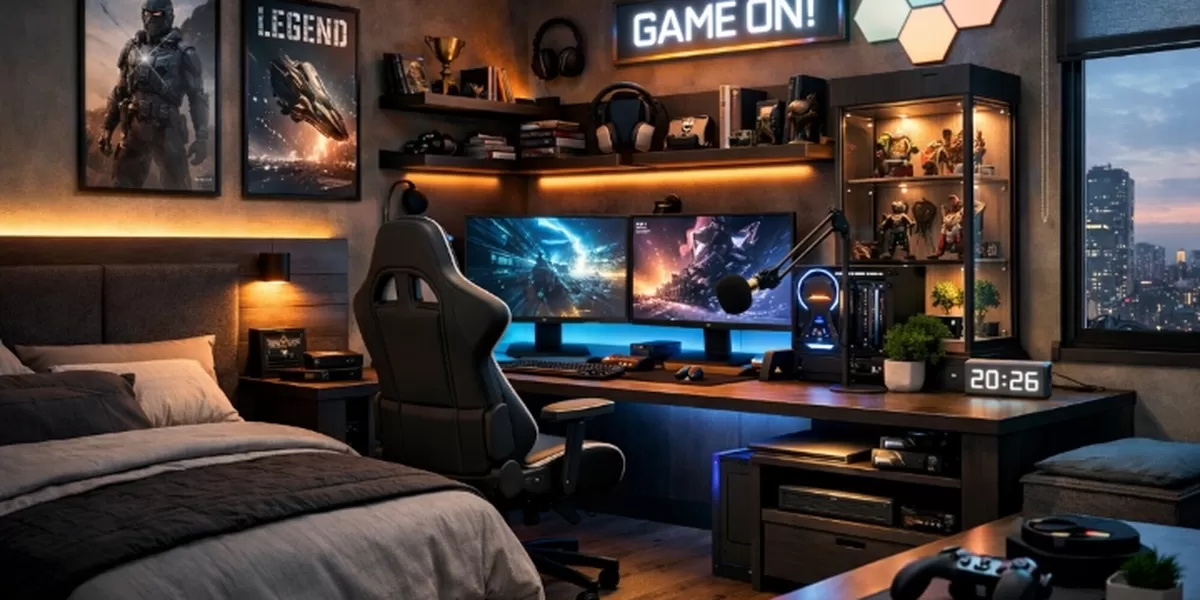
The landscape of children’s interior design is undergoing a significant transformation, with 2026 marking a definitive shift towards highly flexible, adaptive spaces, particularly for boys’ rooms. This evolving trend prioritizes the seamless integration of learning, play, and rest areas within a dynamic environment, moving beyond static, theme-bound aesthetics. Spearheaded by insights from leading design consultants like InteriorDesign.ID, the adaptive design concept — encompassing versatile layouts, natural color palettes, and child-friendly technology — is positioned as a strategic, future-proof investment for modern families. It enables rooms to "grow" and adjust to a child’s rapidly changing age and interests without necessitating costly, large-scale renovations every few years.
The Paradigm Shift: From Thematic to Transformative
Historically, children’s room design often leaned heavily into overt themes, with parents opting for race car beds, superhero murals, or princess castles. While charming in their infancy, these highly specific designs quickly became obsolete as children outgrew their initial fascinations. This approach, once considered the norm, is now largely seen as outdated by contemporary design and child development experts. A recent survey conducted by the American Society of Interior Designers (ASID) indicated that over 70% of parents expressed regret over themed rooms, citing their short lifespan and the financial burden of frequent redecorations.
The emergence of Generation Alpha—children born after 2010—has profoundly influenced this paradigm shift. These digital natives exhibit an unprecedented speed of adaptation and evolution in their interests, often engaging in complex activities like coding, robotics, and virtual socialization from a young age. Consequently, a child’s room in the modern era is no longer merely a place for sleep; it has evolved into a multifunctional "headquarters." It serves as a sanctuary for intellectual exploration, a creative hub for hobbies, a private retreat for virtual interactions with friends, and a peaceful haven for rest and rejuvenation. This multifaceted role demands a forward-thinking design philosophy, one that anticipates future needs rather than merely addressing present whims. Leading child psychologists, such as Dr. Emily R. Smith of the Child Development Institute, emphasize that overly thematic environments can paradoxically limit a child’s imagination by dictating narratives, rather than fostering open-ended play and self-expression. The adaptive design trend for 2026 seeks to rectify this by creating a versatile canvas upon which a child’s evolving personality can be painted.

Pillar 1: Multifunctional Spaces – Optimizing Every Square Inch
In an increasingly urbanized world where living spaces are often compact, maximizing every square centimeter is not a luxury but a necessity. The 2026 trend for boys’ rooms champions ingenious space utilization through multifunctional design. Data from the National Association of Home Builders (NAHB) reveals a consistent decline in average home sizes in many developed nations, pushing designers to innovate solutions for smaller rooms.
- Zoning Without Permanent Dividers: The need for distinct functional zones—learning, playing, and resting—remains, but the method of delineation has evolved. Instead of constructing new walls, visual zoning techniques are employed. A plush, circular rug can softly define a "relaxation and play zone," while a focused task light above a desk clearly marks a "concentration and study zone." This subtle spatial organization not only optimizes flow but also psychologically trains a child’s brain to associate specific areas with particular activities, fostering focus during study and relaxation during downtime.
- Modular Furniture: Growing with the Child: The era of rigid, oversized furniture is drawing to a close. Modular furniture, comprising adaptable blocks or components that can be reconfigured, expanded, or reduced, is a cornerstone of 2026 design. A modular shelving unit can transition from toy storage for a toddler to a book collection for a pre-teen, and eventually to display space for gaming consoles or trophies for a teenager. Beds with integrated storage, desks that convert into craft tables, and wardrobes with adjustable compartments are prime examples of this flexibility. The global modular furniture market is projected to grow by over 6% annually through 2027, indicating a strong consumer preference for adaptability and longevity.
- Maximizing Vertical Space: Clutter is a perennial challenge in boys’ rooms, often stemming from vast collections of toys, action figures, and comic books. When floor space is limited, the solution is to "go vertical." Loft beds, which elevate the sleeping area, create substantial usable space beneath. This under-bed area can be transformed into a cozy reading nook complete with bean bags, a dedicated study station with a computer desk, or even a mini-gym area. This strategy can effectively double the functional area of a compact room, a critical advantage for rooms as small as 2.5 x 3 meters, as frequently requested by clients.
Pillar 2: The Calming Canvas – Embracing Biophilic Tones
For decades, color stereotypes dictated that boys’ rooms must be awash in bright blues, reds, or other primary hues. The 2026 trend decisively dismantles these antiquated rules, ushering in the era of Biophilic tones—colors inspired by the natural world. This movement is rooted in the understanding that our external environment, digital screens, and academic pressures already provide excessive visual stimulation. A child’s room should, therefore, serve as an oasis of calm.
- Psychological Impact of Natural Colors: Clinical studies by environmental psychologists, such as those published in the Journal of Environmental Psychology, consistently demonstrate that earthy and natural tones can significantly lower heart rates, reduce anxiety, and promote a sense of well-being in active children. These colors create a grounding effect, offering a visual respite from the overstimulation of daily life.
- Recommended Color Schemes for 2026: Instead of jarring neon or primary colors, the focus shifts to a sophisticated, soothing palette for walls and major elements:
- Sage Green: A gentle, earthy green that evokes nature, promoting tranquility and concentration.
- Terracotta: A warm, grounding hue that adds a touch of rustic charm and comfort.
- Navy Blue: A deep, sophisticated blue that offers stability and depth, without being overly stimulating.
- Warm Gray (Greige): A versatile neutral that provides a sophisticated backdrop, easily adaptable to changing decor.
- Oatmeal/Cream: Soft, inviting neutrals that brighten a space and create a serene atmosphere.
- Color Blocking Technique: For those who find a single wall color monotonous, color blocking offers an engaging alternative. Painting the lower half of a wall in a deeper shade like Sage Green and the upper half in a lighter Oatmeal creates visual interest, makes ceilings appear higher, and conveniently disguises handprints and scuff marks that frequently appear at lower wall levels. The breaking down of traditional gendered color norms is also prevalent, with muted pinks, peaches, and lavender pastels increasingly being incorporated, often paired with more masculine charcoal grays or dark wood accents for a sophisticated, edgy aesthetic.
Pillar 3: Smart Integration, Safe Growth – Child-Friendly Technology

It is unrealistic to separate the future generation from technology. The 2026 trend advocates for intelligent and healthy integration of technology into room architecture, moving beyond simply placing a large television. The emphasis is on building a smart ecosystem that supports development and well-being. The global smart home market is projected to reach over $200 billion by 2027, with child-centric applications being a growing segment.
- Smart Lighting for Circadian Rhythm: Lighting profoundly impacts a child’s melatonin production, which regulates sleep cycles. Smart LED lighting systems are highly recommended. These systems, controllable via a smartphone app, can be programmed to emit cool white light during the day and early evening, stimulating concentration for study. As bedtime approaches (e.g., 7 PM), the lights automatically dim and shift to a warm amber hue, sending a biological signal to the child’s brain to prepare for sleep. This promotes healthy sleep patterns, a critical factor in child development.
- Connected (Yet Controlled) Study Desks: With the increasing reliance on digital learning, study desks must be ergonomically designed and technologically integrated. Hidden cable management systems are essential to eliminate unsightly and hazardous dangling wires. Built-in power outlets with USB-C ports ensure convenient charging for devices. Furthermore, integrating smart speakers (such as Google Nest or Amazon Echo) can assist children in setting school alarms, playing calming music during homework, or quickly accessing factual information for projects, all under parental supervision and control regarding content and usage limits.
- Acoustic Treatment: As children enter their pre-teen and teenage years, activities like gaming, practicing musical instruments, or listening to music at higher volumes become common. The 2026 trend incorporates soundproofing materials as part of the room’s aesthetic design. Acoustic wood slat panels, for instance, are stylish, architectural, and masculine, yet their primary function is to absorb echo and dampen sound, preventing disturbance to other family members. This thoughtful integration allows children to pursue their interests without compromising household harmony.
Pillar 4: Sustainability at Heart – Eco-Conscious Choices
Environmental consciousness reaches a peak in 2026, with parents becoming increasingly aware of "hidden toxins" in building materials. Given that children spend 8-10 hours every night in their rooms, indoor air quality is a paramount concern. Consumer reports indicate that over 80% of parents prioritize non-toxic materials for their children’s living spaces.
- Low VOC Furniture and Paints: When purchasing mattresses, wardrobes, or wall paints, actively seek labels such as "Low VOC" or "Zero VOC" (Volatile Organic Compounds). VOCs are chemical gases emitted from cheap paints, glues, and composite wood products, often triggering asthma and allergies in children. Opt for furniture made from solid wood (like pine or Dutch teak) or ensure engineered wood products (MDF) carry certifications like GreenGuard or GREENGUARD Gold, which verify low chemical emissions.
- Safe and Warm Flooring: Traditional ceramic tiles can be cold and unforgiving for children who frequently play on the floor or might accidentally fall. Two recommended flooring materials for boys’ rooms are:
- Engineered Wood or Laminate Flooring: Offers the warmth and aesthetic appeal of natural wood, but with greater durability and resistance to scratches and spills.
- Cork Flooring: Naturally antimicrobial, hypoallergenic, and provides excellent insulation and sound absorption, making it soft underfoot and safer for play. For children with severe dust allergies, wall-to-wall carpeting should be avoided in favor of hard flooring with washable area rugs that can be cleaned frequently.
Pillar 5: Empowering Expression – Personalization Without Permanent Damage
Every child desires a room that reflects their identity. They love to display posters of their favorite bands, sports awards, or artwork. The challenge, however, lies in preventing permanent damage to walls from nails and adhesive tapes. The 2026 design trend offers innovative solutions for personalization.

- Giant Modular Pegboards: Installing a large wooden pegboard above the study desk provides an expansive canvas for creativity. Children can arrange hooks, small shelves, and pencil holders to their liking. As their hobbies evolve—from Lego construction to painting—they can simply reconfigure the pegboard without needing to puncture walls. This promotes autonomy and keeps the room dynamic.
- Magnetic Chalkboard Walls: Dedicating a small wall section to a creative canvas is another excellent strategy. Utilizing specialized paint that possesses both magnetic and chalkboard properties allows children to attach important notes with magnets, sketch mathematical formulas, or simply doodle ideas without compromising the room’s overall aesthetic or damaging the underlying paintwork. This encourages free expression and intellectual play.
Navigating the Pitfalls: Outdated Practices to Abandon
While parents invariably have the best intentions, certain design practices, though once common, are now considered detrimental to a child’s evolving needs and the longevity of the room. These outdated approaches must be avoided in 2026:
- Overly Thematic Rooms: As discussed, rigid themes quickly lose relevance, stifle imagination, and necessitate costly redesigns.
- Ignoring Ergonomic Furniture: A child’s developing body requires furniture that supports proper posture, especially for prolonged study. Non-adjustable chairs and desks can lead to long-term health issues.
- Lack of Adequate Storage: Insufficient storage inevitably leads to clutter, hindering a child’s ability to keep their space tidy and creating a chaotic environment.
- Poor Lighting Design: Rooms relying solely on a single overhead light create shadows and strain eyes during study. Layered lighting (ambient, task, accent) is crucial for functionality and mood.
- Overlooking Safety Features: Sharp furniture corners, unsecured tall shelves, and exposed electrical outlets pose significant risks. Safety should never be an afterthought.
The Role of Expertise: Partnering with Design Professionals
Executing interior trends that prioritize functionality, adaptability, and technology requires precise planning. Simply acquiring "loose furniture" and hoping it fits magically is often a recipe for disappointment. Custom furniture or built-in wardrobes frequently emerge as the optimal solutions, particularly for rooms with challenging layouts or limited dimensions.
It is paramount to collaborate with an interior designer or contractor who possesses a deep understanding of child ergonomics. They should be knowledgeable about safe distances between furniture, the selection of slow-motion door hinges to prevent pinched fingers, and load calculations for bunk beds to ensure structural integrity. A professional can translate the abstract principles of adaptive design into a tangible blueprint, ensuring that the room is not only aesthetically pleasing but also perfectly functional and safe for the child’s developmental journey. InteriorDesign.ID’s team of expert designers specializes in transforming challenging room layouts into highly functional and empowering spaces.

Expert Insights: Addressing Parental Queries
To further clarify the nuances of the 2026 trends, here are expanded answers to common questions posed by clients:
- Is pink or pastel suitable for a boy’s room? Absolutely. Gender boundaries in color are increasingly fluid. Dusty pink, peach, or pastel purple, when thoughtfully combined with masculine colors like charcoal gray or dark wood elements, can create a remarkably edgy and contemporary design. It’s about balance and contrast, not exclusion.
- What is the ideal age to redesign a room into a "big boy room"? The optimal transition typically occurs between 6-8 years old, coinciding with the start of elementary school. This period marks the emergence of more serious study needs, a greater sense of personal identity, and a growing desire for privacy and autonomy over their space.
- Can this concept be applied to a very small room (e.g., 2.5 x 3 meters)? Indeed, small rooms are precisely where adaptive and multifunctional design concepts shine. Focus intensely on vertical space utilization with a loft bed. Employ bright wall colors and strategic placement of large mirrors to create an illusion of spaciousness. Modular, wall-mounted storage solutions are also critical.
- Is a Smart Home System safe for a child’s privacy? You retain full control. Utilize reputable smart devices with physical switches to disable microphones and cameras when not in use. Prioritize smart technology for utility functions such as lighting control, AC thermostats, and alarm scheduling, rather than intrusive surveillance. Implementing robust parental controls on internet access and content is also vital.
- How can I create a reading area if my child dislikes reading? Reframe the terminology. Instead of a "reading area," design a comfortable "Chill Zone" or "Relaxation Corner" with large cushions, soft lighting, and a cozy rug. Once they are comfortable in this inviting nook, gradually introduce visually engaging materials like comic books, illustrated encyclopedias, or hobby magazines relevant to their interests. The goal is to foster a love for quiet time and exploration, which can naturally lead to reading.
- How often should carpeted floors be cleaned if a child has dust allergies? If a child has a history of severe asthma or dust allergies, avoid wall-to-wall carpeting entirely. Instead, opt for hard flooring like vinyl or engineered wood planks, and complement it with a washable area rug that can be machine-washed every two weeks. Regular vacuuming with a HEPA filter is also essential for hard floors.
Conclusion: Crafting Environments for Flourishing Futures
Embracing the 2026 design trends for boys’ rooms transcends mere aesthetic appeal. It represents a proactive commitment from parents to cultivate a physical environment that robustly supports their child’s mental well-being, fosters independent learning, and encourages uninhibited self-expression. The foundational principle remains clear: prioritize adaptive design, focusing on multifunctional spaces, natural color palettes, and intelligently integrated child-friendly technology.
By establishing an elegant, neutral room foundation and investing in smart, reconfigurable furniture, parents empower their children to infuse the space with their evolving personality through their collections, hobbies, and artistic expressions. A thoughtfully designed room cultivates a sense of pride and ownership in a child, motivating them to maintain order, fostering a desire to learn and spend time at home, and instilling a sense of autonomy over their personal domain. These spaces are not just designed for today; they are carefully crafted environments designed to empower the flourishing futures of our children.