Tata Titiana
In an era defined by digital connectivity and a shifting perception of wealth, a growing segment of the global population, particularly millennials, are redefining what it means to invest in their future. Increasingly, the pursuit of enriching experiences, epitomized by travel, is taking precedence over traditional markers of financial success like property ownership or material possessions. This paradigm shift, driven by a confluence of cultural, technological, and economic factors, is transforming how younger generations allocate their resources and define personal fulfillment.
The allure of travel for millennials is multifaceted. It stems from a deep-seated desire for personal growth, a yearning to explore the world’s natural wonders, and the amplified influence of social media showcasing diverse destinations and experiences. Unlike previous generations who often prioritized saving for long-term financial security, contemporary millennials are more inclined to view their income as a means to accumulate memories and foster personal development. This focus on experiential wealth is not merely a fleeting trend but a significant cultural evolution that has profound implications for consumer behavior, economic trends, and societal values.
The Shifting Sands of Generational Values: From Accumulation to Experience
Historically, the definition of a successful adult life was often tied to tangible assets. The post-war era, for instance, saw a strong emphasis on homeownership, car acquisition, and the accumulation of material goods as indicators of stability and achievement. This mindset was deeply ingrained in generations like the Baby Boomers and Generation X, who navigated economic landscapes that often rewarded steady employment and long-term financial planning.
However, the millennial generation, born roughly between the early 1980s and mid-1990s, has come of age in a dramatically different world. They have witnessed economic recessions, faced mounting student loan debt, and grown up with the internet and social media as ubiquitous forces. This environment has fostered a more fluid and often more precarious economic reality, leading many to question the traditional pathways to financial security.
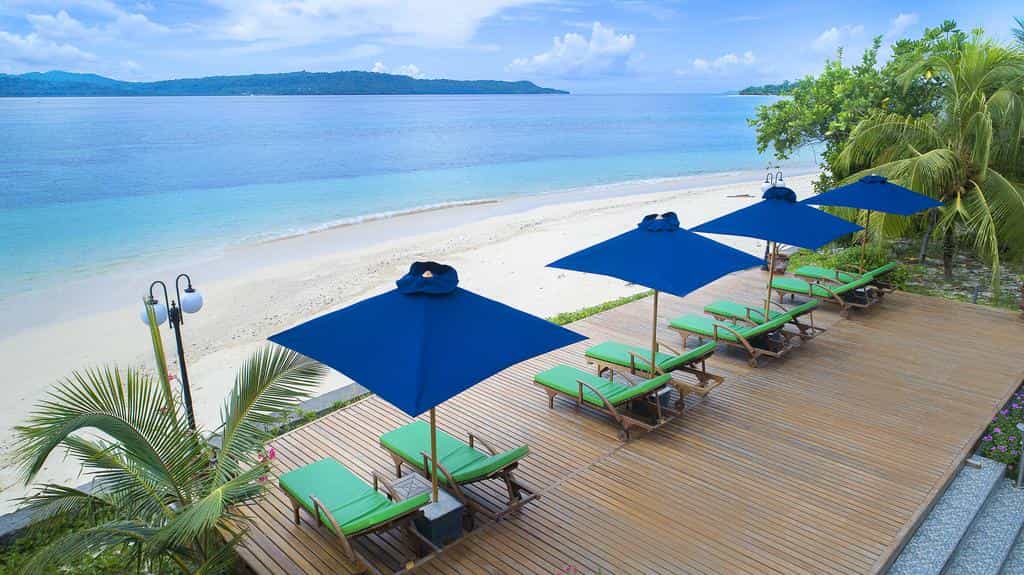
Instead, millennials are increasingly drawn to the concept of "experience over ownership." This philosophy suggests that the memories, skills, and personal growth gained from travel and other experiences are more valuable and enduring than the accumulation of physical possessions. Data from various studies supports this trend. For example, a 2018 study by Airbnb found that 73% of millennials prioritized spending money on experiences over goods. This preference is not rooted in a lack of financial responsibility, but rather a re-evaluation of what constitutes a rich and meaningful life.
The rise of the "gig economy" and flexible work arrangements has also played a role. Many millennials are not tied to traditional 9-to-5 jobs and have greater autonomy in structuring their work and leisure time. This flexibility allows them to integrate travel more seamlessly into their lives, viewing it not as a luxury but as an essential component of their personal and professional development.
Navigating the World: Practical Strategies for Embracing a Travel Lifestyle
For those inspired to adopt a lifestyle centered around travel, the journey begins with a conscious decision and a willingness to embrace the unknown. It’s about shifting the internal narrative from "I can’t afford it" to "How can I make it happen?"
Cultivating Intent and Courage: The Foundation of Experiential Investment
The most critical first step in embracing a travel lifestyle is to solidify one’s commitment and cultivate the necessary courage. This is not about waiting for an opportune moment or an idealized financial situation. Instead, it’s about making a proactive decision to prioritize experiences and then finding ways to make them a reality with current resources. This often involves a willingness to live more frugally in other areas of life to free up funds for travel.
The fear of the unknown is a natural human emotion, but it can be a significant barrier to embarking on new adventures. The adage "the world is not as scary as you imagine" holds profound truth for aspiring travelers. Stepping outside of one’s comfort zone, even for short trips, can build resilience and self-confidence. This initial bravery is the bedrock upon which a sustained travel lifestyle is built. It’s about understanding that the rewards of exploration far outweigh the perceived risks.

Embracing Flexibility: Navigating the Unpredictable Nature of Travel
While planning is essential, an overly rigid adherence to meticulously detailed itineraries can hinder the authentic travel experience. The reality of travel often involves unexpected detours, serendipitous encounters, and unforeseen circumstances. Therefore, a key aspect of adopting a travel lifestyle is developing the ability to adapt and go with the flow.
Creating a general plan of where to go and what to see is a good starting point. However, it is crucial to remain open to deviations and spontaneous discoveries. The most memorable travel moments often arise from unplanned encounters and the willingness to explore off the beaten path. By embracing flexibility, travelers can unlock hidden gems and gain a deeper appreciation for the local culture and environment. This adaptability is not just about managing logistical challenges; it’s about being present and open to the unfolding narrative of the journey.
Developing Adaptability: The Indispensable Skill for Global Citizens
In an increasingly interconnected world, the ability to adapt is paramount, especially for those who regularly engage with diverse environments and cultures. A travel lifestyle inherently demands this skill. Travelers must be prepared to navigate different languages, customs, social norms, and living conditions.
This adaptability extends to all facets of travel, from communicating with locals and understanding different social etiquettes to adjusting to varying levels of infrastructure and amenities. Being able to assimilate into new surroundings, even temporarily, allows for more meaningful interactions and a richer understanding of the places visited. It fosters empathy and broadens perspectives, contributing to personal growth and a more nuanced worldview. This capacity to adjust is not merely a practical necessity; it’s a fundamental tool for becoming a more informed and engaged global citizen.
The Broader Impact: Transforming Economies and Societies
The increasing prioritization of travel by millennials has far-reaching implications beyond individual fulfillment. It is influencing various sectors of the economy and contributing to shifts in societal values.
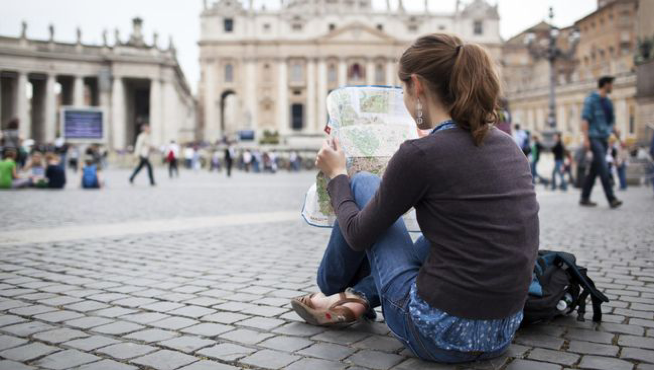
Economic Ripple Effects:
The burgeoning travel industry is a significant economic driver. The demand for unique experiences is fueling the growth of niche tourism sectors, such as eco-tourism, adventure travel, and cultural immersion programs. This trend creates new business opportunities and jobs, particularly in destinations that were once off the traditional tourist radar. Furthermore, the rise of the sharing economy, facilitated by platforms like Airbnb and ride-sharing services, has made travel more accessible and affordable for a wider demographic.
Cultural Exchange and Understanding:
As more people engage in travel, there is a greater potential for cross-cultural understanding and appreciation. Experiencing different ways of life firsthand can challenge stereotypes, foster empathy, and promote a more inclusive global perspective. This increased interaction between people from diverse backgrounds can contribute to a more harmonious and interconnected world.
Personal Growth and Well-being:
The benefits of travel extend beyond mere leisure. Studies have consistently shown that travel can reduce stress, improve mental well-being, and boost creativity. The act of exploring new places, encountering different cultures, and overcoming challenges can lead to enhanced problem-solving skills, greater self-reliance, and a deeper sense of purpose. This focus on experiential well-being aligns with a broader societal shift towards prioritizing mental and emotional health.
The Future of Investment: Experiences as Assets
The shift in generational values signifies a profound redefinition of what constitutes valuable assets. While financial security remains important, the emphasis is moving towards intangible assets that contribute to personal growth and lasting memories. For millennials, travel is not just an expenditure; it is an investment in themselves.
This perspective challenges traditional notions of wealth and success. It suggests that a life rich in experiences, characterized by a deep understanding of the world and a broad range of personal skills, is a more fulfilling and ultimately more valuable pursuit than the sole accumulation of material possessions. As this trend continues to evolve, it will undoubtedly shape consumer behavior, industry innovation, and the very fabric of our society, encouraging a more holistic and experience-driven approach to life.