Tata Titiana
In an era where digital connectivity and instant gratification have become commonplace, a significant shift in generational priorities is reshaping how wealth is perceived and accumulated. The millennial generation, often characterized by its tech-savviness and distinct values, is increasingly embracing a "lifestyle travel" ethos, viewing the accumulation of experiences through travel as far more valuable than traditional financial investments. This trend, amplified by stunning natural landscapes and the pervasive influence of technology, is compelling young adults to allocate their resources towards exploring the world, fostering personal growth, and creating lasting memories.
This evolving perspective marks a departure from previous generations, who historically prioritized tangible assets such as homeownership or vehicle acquisition as benchmarks of financial success. While those goals remain relevant for many, millennials are demonstrating a pronounced inclination to invest in experiences, particularly travel, during their formative years. This deliberate choice to prioritize exploration over acquisition is not merely a fleeting trend but a fundamental redefinition of what constitutes a rich and fulfilling life, with implications for consumer behavior, economic trends, and personal development.
The Shifting Sands of Generational Investment: From Bricks and Mortar to Boundless Horizons
Historically, the narrative of financial prudence for younger generations revolved around diligent saving and strategic allocation of income towards long-term material security. The post-war economic boom, for instance, fostered an environment where owning a home, a car, and accumulating retirement savings were seen as the ultimate markers of a successful adulthood. This focus on tangible assets was often driven by a societal emphasis on stability, predictability, and the ability to provide a secure future.
However, the economic landscape and societal values have undergone a dramatic transformation. The digital revolution has democratized information and access to global perspectives, while economic uncertainties, such as fluctuating housing markets and the rising cost of living, have made traditional benchmarks of success seem increasingly elusive or less appealing for some. In this context, the millennial generation, born roughly between the early 1980s and mid-1990s, has emerged with a distinct set of priorities.
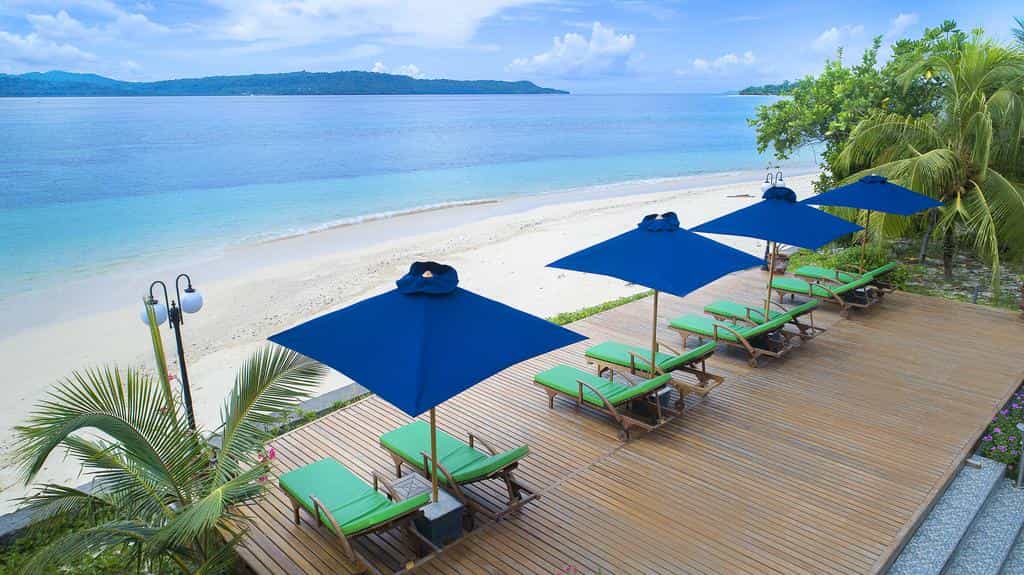
For millennials, the concept of "wealth" is increasingly being redefined. Instead of solely focusing on the accumulation of financial capital, there is a growing emphasis on human capital – the development of skills, knowledge, and personal growth. Travel serves as a potent vehicle for this form of capital accumulation. The experiences gained from navigating unfamiliar cultures, overcoming logistical challenges, and immersing oneself in diverse environments are seen as invaluable assets that shape an individual’s perspective, foster adaptability, and build resilience.
Data from various surveys and studies underscore this phenomenon. For example, a 2020 report by Booking.com indicated that 87% of millennials consider travel a top priority, with many willing to sacrifice other expenditures to fund their adventures. This suggests a conscious and deliberate choice to invest in experiences that offer intangible yet profound returns. The allure of creating a personal narrative rich with unique encounters, rather than a portfolio solely comprised of financial instruments, is a defining characteristic of this generation’s approach to life planning.
Embracing the Wanderlust: Practical Strategies for Cultivating a Travel Lifestyle
For those inspired to integrate travel more deeply into their lives, adopting a "lifestyle travel" approach requires intentionality and a willingness to step outside of comfort zones. This mindset shift is not about eschewing financial responsibility but about recalibrating priorities to recognize the profound impact of experiential learning. Several practical strategies can facilitate this transition, empowering individuals to embark on journeys that enrich their lives and foster personal evolution.
Strengthening Resolve and Cultivating Courage
The first crucial step in embracing a travel lifestyle is to solidify one’s determination and cultivate a sense of courage. The idea of venturing into the unknown can be daunting, and often, the perceived barriers – financial constraints, time limitations, or fear of the unfamiliar – can seem insurmountable. However, a commitment to the travel lifestyle necessitates overcoming these hesitations. It is not about waiting for an ideal moment of financial abundance but about making the most of one’s current circumstances and possessing the bravery to initiate action.
This involves a fundamental mental recalibration. Instead of viewing travel as an occasional luxury, it should be framed as an essential component of personal development. This requires a willingness to embrace uncertainty and to trust in one’s ability to adapt and overcome challenges. For instance, a young professional might choose to allocate a portion of their discretionary income towards a modest weekend getaway rather than purchasing the latest gadget, understanding that the memories and personal growth derived from the trip will offer a more enduring sense of fulfillment. This proactive approach, driven by a clear intention, is the bedrock upon which a sustainable travel lifestyle is built.

Navigating the Journey: Embracing Flexibility and Adaptability
A key tenet of successful lifestyle travel is the ability to embrace flexibility and adapt to the realities of the journey. While meticulous planning can be beneficial, an overly rigid itinerary can often lead to missed opportunities and unnecessary stress. The essence of travel lies in its serendipitous moments and unexpected discoveries. Therefore, it is crucial to develop a mindset that anticipates and embraces the unpredictable.
Creating a loose framework for travel plans, rather than a minute-by-minute schedule, allows for spontaneity. This might involve identifying key destinations or experiences but remaining open to detours, local recommendations, or spontaneous invitations. The world is a dynamic place, and adhering strictly to a preconceived plan can blind travelers to the authentic nuances of a location and its people. Learning to "go with the flow" not only enhances the travel experience but also cultivates valuable life skills in problem-solving and improvisation.
This adaptability extends to embracing the local culture and customs. Engaging with the host community, learning a few basic phrases of the local language, and showing respect for traditions can transform a superficial visit into a deeply immersive experience. These interactions, often unplanned, can lead to profound insights and forge genuine connections that transcend the typical tourist encounters.
Preparing for Adaptation: The Essential Skill of Resilience
The capacity for adaptation is arguably the most critical skill for anyone seeking to cultivate a travel lifestyle. The world is a tapestry of diverse societies, languages, and cultural norms. Navigating these differences requires an open mind, a willingness to learn, and the resilience to adjust to new environments. This involves more than just tolerating differences; it means actively seeking to understand and integrate them.
Individuals who have successfully integrated travel into their lives often possess a heightened sense of self-awareness and a strong ability to connect with people from all walks of life. They understand that encountering different perspectives is not a challenge to be overcome but an opportunity for growth. This includes adapting to different modes of transportation, varying levels of comfort, and diverse social etiquette.
The ability to adapt is not confined to the practicalities of travel; it also extends to emotional resilience. Travel can present situations that test one’s patience, composure, and problem-solving abilities. By embracing these challenges, travelers develop a stronger sense of self-efficacy and a deeper understanding of their own capabilities. This continuous process of adaptation not only makes travel more enjoyable and enriching but also equips individuals with invaluable life skills that extend far beyond their journeys.
The Broader Impact: Redefining Success and Personal Fulfillment
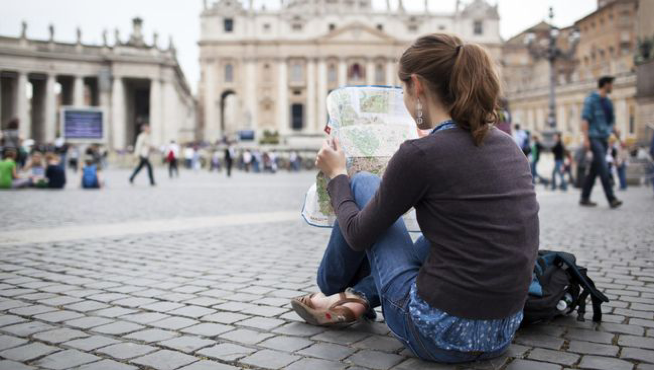
The growing embrace of lifestyle travel by millennials signifies a fundamental reevaluation of what constitutes a successful and fulfilling life. It underscores a generational shift away from a purely materialistic definition of wealth towards one that encompasses rich experiences, personal growth, and a deeper understanding of the world and oneself.
This trend has several broader implications:
- Economic Influence: The increased spending on travel and experiential activities by millennials is shaping consumer markets. Businesses that cater to these preferences, offering unique experiences, sustainable travel options, and personalized itineraries, are likely to thrive. This also influences investment patterns, with a growing interest in companies and sectors that align with these values.
- Personal Development: The emphasis on experiential learning through travel fosters critical thinking, problem-solving skills, cultural intelligence, and a broader worldview. These are increasingly valuable assets in a globalized and interconnected job market, potentially leading to more adaptable and innovative workforces.
- Social and Cultural Exchange: Increased travel facilitates greater understanding and empathy between different cultures. By immersing themselves in diverse communities, travelers become informal ambassadors, fostering cross-cultural dialogue and breaking down stereotypes.
- Well-being: The pursuit of experiences, particularly those that connect individuals with nature and different communities, has been linked to improved mental health and overall well-being. Travel can act as a powerful antidote to stress and a catalyst for personal rejuvenation.
In conclusion, the rise of lifestyle travel represents more than just a preference for vacations; it signifies a profound shift in how a generation defines value and pursues fulfillment. By prioritizing experiences over material possessions, millennials are not only enriching their own lives but also contributing to a broader societal reevaluation of success, fostering a more interconnected, adaptable, and experientially rich world. The lessons learned on the road – about oneself, about others, and about the vastness of human experience – are proving to be the most valuable investments of all.