Tata Titiana
In an evolving socio-economic landscape, a discernible shift in generational priorities is underway, with the millennial demographic increasingly embracing a "lifestyle travel" ethos. This paradigm sees the investment in experiences, particularly through travel, superseding traditional financial accumulation as a primary life goal. This trend, fueled by a confluence of increased global accessibility, technological advancements, and a re-evaluation of personal fulfillment, is reshaping how younger generations define success and legacy.
The allure of travel for millennials is multifaceted. Beyond the inherent excitement and discovery, the pursuit of travel is deeply intertwined with personal growth and self-discovery. Unlike previous generations that often prioritized tangible assets such as homeownership or vehicle acquisition as markers of financial security and future planning, millennials are reallocating their disposable income towards creating a rich tapestry of memories and lived experiences. This inclination stems from a perceived greater intrinsic value in accumulating personal anecdotes and learning opportunities during their formative years, which they anticipate will hold profound significance in their later lives. The abundance of breathtaking natural landscapes and challenging adventurous destinations, coupled with the pervasive influence of digital platforms showcasing these wonders, acts as a powerful catalyst, igniting a potent desire to explore and connect with the natural world.
Embracing the Lifestyle Travel Mindset: Practical Strategies for Integration
The growing embrace of travel as a core lifestyle choice among millennials is not merely a fleeting trend; it is indicative of a broader societal movement towards personal enrichment and outward-looking perspectives. By stepping beyond familiar comfort zones and actively seeking novel encounters, individuals foster a more progressive and adaptable mindset. The act of exploring unfamiliar territories, even those that might initially inspire apprehension, often leads to profound self-realization and a deeper understanding of one’s own capabilities and identity. For those looking to integrate this experiential approach into their lives, several practical strategies can facilitate the transition.
Cultivating Intent and Courage: The Foundation of Experiential Travel
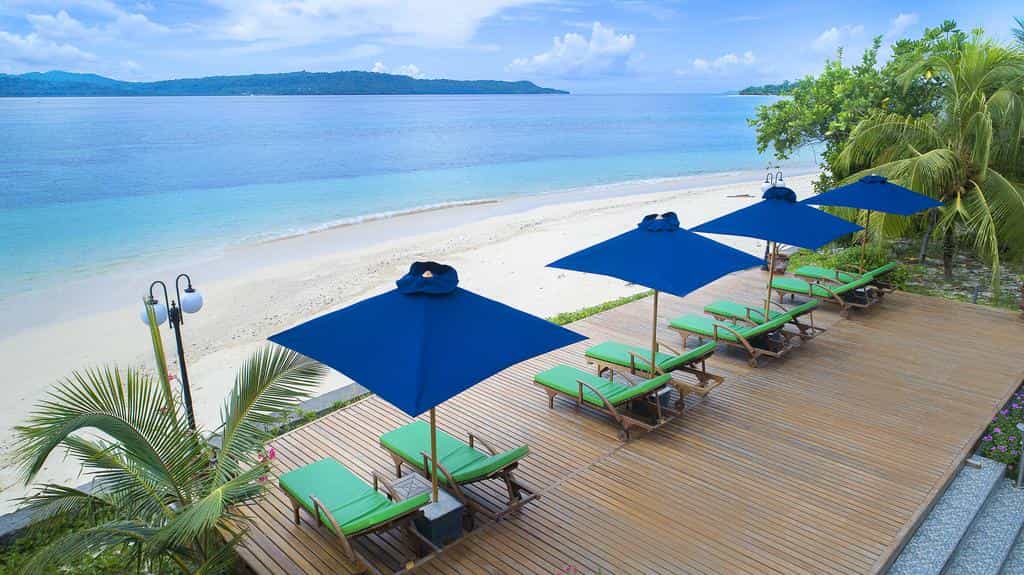
The initial hurdle in adopting a lifestyle travel approach often lies in the perceived need for substantial financial reserves. However, proponents of this philosophy emphasize that the journey of exploration should not be indefinitely postponed awaiting an idealized financial state. Instead, the critical first step involves strengthening one’s resolve and cultivating a courageous spirit. This means embracing the present circumstances and finding ways to embark on adventures within one’s current means, rather than allowing financial aspirations to become an insurmountable barrier. The commitment to travel as a lifestyle necessitates a proactive stance, moving beyond mere contemplation to tangible action. This often involves creative budgeting, prioritizing travel savings, and recognizing that even modest excursions can provide invaluable experiences and build momentum for larger journeys. The adage that "the best time to start was yesterday, the next best time is now" resonates strongly within this mindset.
Navigating the Journey: Flexibility and Adaptability in Planning
While a degree of planning is essential for any successful trip, an overly rigid adherence to detailed itineraries can inadvertently stifle the spontaneous discoveries that often define the most memorable travel experiences. The essence of embracing a lifestyle of travel lies in its inherent unpredictability and the opportunities it presents for organic growth. Therefore, it is advisable to develop a general framework for travel destinations and objectives rather than meticulously scripting every hour. This approach allows for greater responsiveness to unforeseen circumstances, serendipitous encounters, and the discovery of hidden gems that might otherwise be overlooked. The ability to adapt to changing conditions, whether they be logistical challenges, unexpected weather patterns, or the unfolding of local events, is paramount. By remaining open to deviations from the original plan, travelers can unlock a more authentic and enriching engagement with their surroundings, fostering a deeper appreciation for the nuances of different cultures and environments.
Mastering the Art of Adaptation: A Crucial Skill for the Modern Traveler
The fundamental requirement for successfully integrating travel into one’s lifestyle is the cultivation of a robust capacity for adaptation. This encompasses not only adjusting to unfamiliar physical environments but also navigating the complexities of diverse social fabrics. The ability to interact with and understand people from varied backgrounds, to communicate across linguistic barriers, and to respect and appreciate different cultural norms are indispensable skills. Furthermore, travelers must be prepared to adjust to a wide array of situations, from encountering different forms of cuisine to navigating varied modes of transportation and understanding local customs and etiquette. This adaptability is not merely a practical necessity for smooth travel; it is also a significant driver of personal development, fostering empathy, open-mindedness, and a broader worldview. The experiences gained through such adaptations equip individuals with valuable life skills that extend far beyond the realm of travel, enhancing their resilience and problem-solving abilities in all aspects of life.
The Expanding Horizons of Experiential Investment
The growing prominence of travel as a lifestyle choice reflects a broader societal trend towards valuing intangible assets over traditional material wealth. This shift is particularly evident within the millennial demographic, a generation that has come to associate personal fulfillment and a sense of accomplishment with the breadth and depth of their life experiences. Research consistently indicates that millennials, when compared to previous generations, tend to allocate a larger proportion of their income towards travel, dining out, and other experiential purchases. For instance, a 2018 study by Eventbrite found that 72% of millennials reported spending more money on experiences than on material goods, with 77% stating that they would even sacrifice acquiring possessions to fund these experiences. This preference is underpinned by the understanding that experiences create lasting memories and contribute to personal growth in ways that material possessions often cannot. The constant stream of visually compelling travel content on social media platforms like Instagram and TikTok further fuels this desire, showcasing exotic destinations and adventurous pursuits, thereby normalizing and even glamorizing the travel lifestyle.

The implications of this trend are far-reaching. Economically, it signifies a shift in consumer spending patterns, with industries catering to experiences, such as tourism, hospitality, and adventure sports, poised for continued growth. For businesses, it underscores the need to adapt marketing strategies to appeal to this experiential mindset, emphasizing the memories and personal growth opportunities that their products or services can facilitate. Socially, it suggests a generation that is more globally aware, culturally sensitive, and open to diverse perspectives. The emphasis on self-discovery through travel also has implications for mental well-being, as exploration and immersion in new environments have been linked to reduced stress, increased creativity, and a greater sense of purpose.
Historical Context and Generational Divergence
The prioritization of experiential investment over traditional financial accumulation by millennials represents a significant departure from the values espoused by preceding generations. The post-World War II era, for instance, was characterized by a strong emphasis on building material security. For the Baby Boomer generation, homeownership, stable careers, and the accumulation of assets were often viewed as the cornerstones of a successful and secure life. This was largely driven by a desire to provide a stable future for their children and to avoid the economic hardships experienced by their own parents during times of war or economic downturn.
The subsequent Generation X, while still valuing financial stability, began to exhibit a slightly greater appreciation for work-life balance and personal time. However, the true pivot occurred with the millennial generation, born roughly between 1981 and 1996. Having come of age during a period of rapid technological advancement, increased globalization, and significant economic fluctuations (including the dot-com bubble and the 2008 financial crisis), millennials developed a more nuanced perspective on wealth and success. They witnessed firsthand the potential fragility of traditional financial structures and, perhaps more importantly, were exposed to a wider array of global cultures and lifestyles through the internet. This exposure fostered a different understanding of what constitutes a fulfilling life, often emphasizing personal growth, learning, and the creation of meaningful connections over the mere accumulation of possessions.
The Impact on Personal Development and Self-Discovery

The commitment to a lifestyle of travel offers a unique pathway for profound personal development and self-discovery. Stepping outside of one’s familiar environment forces individuals to confront challenges, adapt to unfamiliar situations, and interact with a diverse range of people. These encounters often lead to a deeper understanding of one’s own strengths, weaknesses, values, and beliefs. For example, navigating a foreign city without speaking the local language can foster resourcefulness and problem-solving skills. Engaging with different cultural practices can broaden one’s perspective and challenge preconceived notions.
The very act of planning and executing travel, even on a modest scale, requires a degree of self-reliance and decision-making that can build confidence. Moreover, the reflection that often accompanies travel – whether through journaling, photography, or simply quiet contemplation amidst new scenery – provides an opportunity to process experiences and gain insights into one’s own identity. This introspection can be particularly valuable in identifying personal passions, clarifying life goals, and fostering a greater sense of self-awareness. The lessons learned on the road, from understanding different perspectives to developing resilience in the face of adversity, are transferable to all areas of life, contributing to a more well-rounded and adaptable individual.
Conclusion: A Paradigm Shift in Life Prioritization
The ascendancy of "lifestyle travel" as a core value for the millennial generation signifies a fundamental shift in how success and fulfillment are defined. This movement underscores a growing recognition that the accumulation of experiences, the cultivation of global awareness, and the pursuit of personal growth hold an enduring value that often surpasses the tangible rewards of material wealth. As this generation continues to shape societal norms and economic trends, the emphasis on experiential investment is likely to become even more deeply ingrained, fostering a future where memories and personal journeys are celebrated as the most valuable currencies of life. The insights and skills gained through embracing this lifestyle are not only enriching for the individual but also contribute to a more interconnected and understanding global community. The encouragement for individuals to embark on their own travel journeys, armed with courage, adaptability, and an open mind, promises a future filled with richer lives and a deeper appreciation for the world’s diverse tapestry.