Tata Titiana
The contemporary generation, particularly millennials, is increasingly embracing a lifestyle where travel is not merely a leisure activity but a fundamental aspect of personal growth and fulfillment. This shift signifies a profound reevaluation of what constitutes valuable investment, with experiential assets, such as travel, now being perceived as more significant than conventional financial holdings. This evolving perspective is reshaping consumer behavior, economic priorities, and societal definitions of success.
The allure of travel for millennials is multifaceted. Beyond the sheer enjoyment and excitement of exploring new destinations, the inherent benefits of globetrotting are proving to be a powerful draw. The proliferation of breathtaking and challenging natural landscapes, coupled with the ubiquitous accessibility of information and connectivity through technological advancements, has fueled a powerful urge among young people to experience the planet’s natural wonders firsthand. This innate curiosity is amplified by a growing awareness of global diversity and a desire to understand different cultures and ways of life.
Historically, previous generations often prioritized saving and allocating income towards tangible future security, such as purchasing property or vehicles. This approach was deeply rooted in a societal emphasis on material accumulation as a marker of stability and achievement. However, the economic landscape and societal values have evolved. Millennials, often facing different financial realities, including higher education debt and a more volatile job market, have found a different path to perceived wealth and security. They are increasingly channeling their financial resources into travel, viewing these experiences as investments in their personal development, memorable moments to cherish in later life, and a richer understanding of the world. This preference for experiences over possessions is a defining characteristic of the millennial generation.
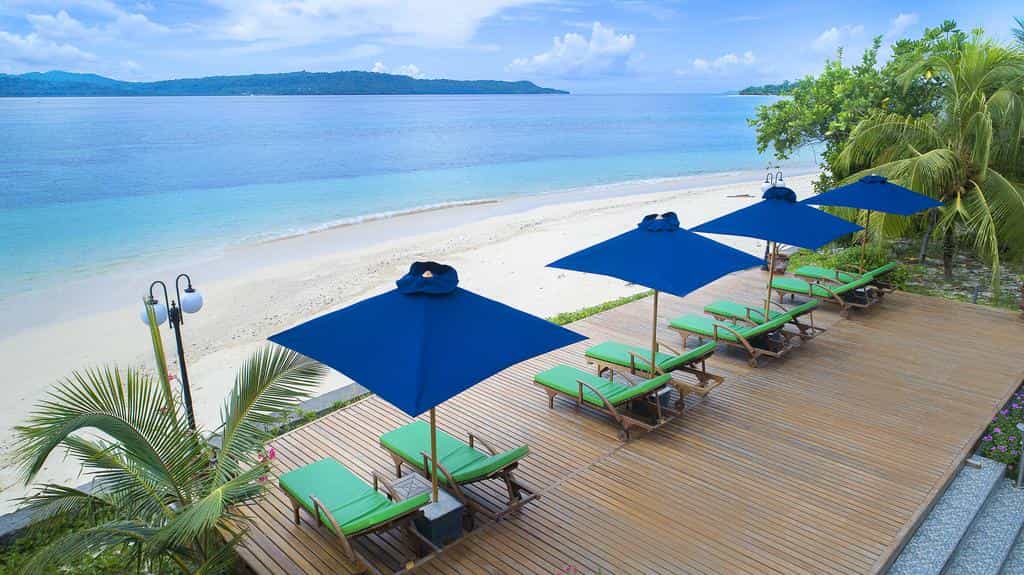
The concept of "lifestyle travel" is gaining significant traction. This approach emphasizes integrating travel into one’s regular life, rather than viewing it as an occasional indulgence. It reflects a desire for continuous learning, personal challenge, and a broader perspective. As more millennials venture beyond their comfort zones, seeking novel experiences and embracing the unknown, they are contributing to a more open-minded and progressive society. The act of exploring unfamiliar territories, confronting potential fears, and navigating diverse environments often leads to profound self-discovery, revealing one’s true capabilities and inner resilience.
Embracing the Lifestyle Travel Mindset: Key Strategies for Millennials
For individuals looking to incorporate travel into their lifestyle, a strategic and mindful approach is essential. This involves more than just booking flights; it requires a fundamental shift in mindset and a willingness to adapt. Several key strategies can facilitate the successful integration of travel into one’s life.
Cultivating Resolve and Courage: The Foundation of Experiential Investment
The first crucial step in adopting a lifestyle of travel is to move beyond mere contemplation and into decisive action. Simply dreaming of adventures is insufficient; one must cultivate a strong sense of resolve and embrace a spirit of courage. The notion that one must amass a substantial savings account before embarking on travel is a common misconception that can act as a significant barrier. Instead, individuals should focus on developing the courage to begin with their current resources. This involves learning to "survive" and thrive within one’s present financial means, creatively finding ways to fund experiences without necessarily waiting for a large windfall. This proactive approach emphasizes resourcefulness and a willingness to make trade-offs in other areas of spending to prioritize travel.
Embracing Flexibility and Adapting to Circumstances
While planning is a useful component of any journey, an overly rigid adherence to detailed itineraries can be counterproductive for lifestyle travelers. The reality of travel often involves unforeseen circumstances, unexpected opportunities, and deviations from the original plan. Therefore, it is essential to adopt a flexible mindset, allowing for spontaneity and adaptability. Instead of meticulously scheduling every hour, focus on establishing a general direction and desired outcomes. This allows for the discovery of hidden gems and authentic experiences that might be missed if one is too rigidly bound by a pre-determined schedule. The ability to go with the flow and adapt to the unfolding circumstances of a journey is paramount to enriching the travel experience. This adaptability extends to embracing the unexpected and viewing it as an integral part of the adventure.

Developing Adaptability: The Ultimate Travel Skill
The cornerstone of a successful travel lifestyle is the ability to adapt to new environments, cultures, and social dynamics. This involves more than just tolerating differences; it requires an active willingness to understand and integrate. When traveling, individuals will inevitably encounter diverse societies, languages, customs, and perspectives. The capacity to adjust one’s behavior, expectations, and even one’s internal narrative to align with these new realities is crucial. This adaptability is not merely a tactical skill for smoother travel but a fundamental aspect of personal growth. By immersing oneself in different cultural contexts, travelers gain a deeper appreciation for human diversity and develop a more nuanced understanding of the world. This ability to blend in, learn, and respectfully engage with local communities fosters more meaningful connections and enriches the overall travel experience.
The Broader Impact of Lifestyle Travel
The growing prominence of lifestyle travel among millennials has significant implications beyond individual fulfillment. It contributes to a more interconnected world, fostering cross-cultural understanding and empathy. As more young people engage with diverse populations and experience different ways of life, they are likely to become more informed global citizens, better equipped to address complex international challenges.
Furthermore, this trend has economic implications. The tourism industry is a major global economic driver, and the sustained demand from this demographic fuels growth in various sectors, from accommodation and transportation to local businesses and artisanal crafts. However, it also necessitates a focus on sustainable and responsible tourism practices to mitigate potential negative impacts on local environments and communities.
The emphasis on experiences over material possessions also reflects a potential shift in societal values. It suggests a move away from consumerism towards a greater appreciation for personal growth, learning, and shared human experiences. This could lead to a more balanced and fulfilling societal trajectory, where well-being and personal development are valued alongside economic prosperity.

Data Supporting the Experiential Shift
Recent studies and market analyses provide concrete evidence of this experiential shift. For instance, a report by Eventbrite found that 72% of millennials believe increasing their experiences is more important than increasing their income. Similarly, data from the U.S. Travel Association indicates that millennials are the largest segment of travelers and are more likely to prioritize spending on travel than on material goods. This trend is not confined to specific regions; it is a global phenomenon observed across diverse economic and cultural landscapes. The rise of platforms dedicated to sharing travel experiences, such as Instagram, TikTok, and travel blogs, further amplifies this trend, creating aspirational content that encourages more individuals to embark on their own journeys.
The economic impact of this shift is substantial. The global travel and tourism sector contributes trillions of dollars to the world economy annually. According to the World Travel & Tourism Council (WTTC), in 2022, the sector’s GDP contribution reached $7.7 trillion, representing 7.6% of the global GDP. This growth is significantly influenced by the spending patterns of younger generations who prioritize experiential purchases. This has led to a surge in demand for unique accommodations, adventure tourism, and culturally immersive experiences, creating new market niches and driving innovation within the industry.
Navigating the Future of Travel Investment
As lifestyle travel continues to gain momentum, individuals are encouraged to view their journeys not as mere vacations but as strategic investments in their personal and intellectual capital. The skills honed through travel—adaptability, problem-solving, cross-cultural communication, and resilience—are increasingly valuable in today’s dynamic global landscape. These "soft skills" are highly sought after by employers and contribute significantly to an individual’s overall life success.
The tips provided—cultivating resolve, embracing flexibility, and developing adaptability—serve as a practical roadmap for those aspiring to integrate travel into their lives. By prioritizing experiences, millennials are not only creating a wealth of memories but also building a foundation for personal growth and a more profound understanding of the world. The journey of discovery, both external and internal, is increasingly recognized as the most rewarding investment of all. This evolving perspective promises to shape not only individual lives but also the broader cultural and economic fabric of society. The future of "wealth" is increasingly being defined not by what one owns, but by what one has experienced and learned.